



Here's what we'll cover
The short answer: most hair loss myths are exactly that, myths. Pattern hair loss is driven by inherited follicle sensitivity to the hormone DHT, not by hats, washing, grease, creatine or cold showers. Here is what the evidence says about the hair loss myths you hear most, and the few things that genuinely matter.
Myth: hats cause baldness
A firm favourite, and untrue. For a hat to cause hair loss it would need to cut off the follicles' blood supply, which normal headwear does not come close to doing. You would have to wear something extraordinarily tight, all the time, to cause damage. An ordinary hat, however often you wear it, does not cause pattern baldness.
Myth: washing your hair makes it fall out
People often panic at the hairs left in the drain after washing, but shedding around 50 to 100 hairs a day is normal, and washing simply collects several days' worth at once if you do not wash daily. The wash is not causing the loss; it is gathering hairs that were going to shed anyway. Avoiding washing does not save hair, and can leave the scalp less healthy.
Myth: sebum and blocked pores cause loss
The idea that scalp oil 'suffocates' follicles and causes balding is popular with people selling clarifying products, but it does not match how pattern loss works. Miniaturisation is a hormonal process inside the follicle, not a blockage at the surface. Scalp health does matter for comfort and for conditions like dandruff, which we cover in scalp health and hair growth, but sebum is not the cause of pattern baldness.
Myth: it all comes from your mother's father
There is a kernel of truth, because one relevant gene sits on the X chromosome men inherit from their mother, but the full story involves many genes from both sides of the family. Looking only at your maternal grandfather gives a misleadingly narrow picture, as we explain in what causes male pattern baldness.
Myth: cold water or special rinses regrow hair
Cold water may make hair feel shinier by flattening the outer layer, and it is fine for your scalp, but it does nothing for pattern loss. The same goes for most rinses, tonics and home remedies promising regrowth; the follicle changes of pattern loss are hormonal and are not reversed by water temperature. If a rinse worked as claimed, it would be a licensed treatment rather than a folk remedy.
Does creatine cause hair loss?
This is one of the most searched hair loss myths, and the evidence behind it is thin. The worry traces to a single small study in rugby players that suggested creatine might raise DHT; it never measured hair, involved only a few dozen men, and its findings have not been reliably replicated in the years since. If you are genetically prone to pattern loss, DHT is relevant, but on current evidence creatine has not been shown to cause or accelerate hair loss. We look at the detail in our article on creatine and hair loss.
Does Mounjaro cause hair loss?
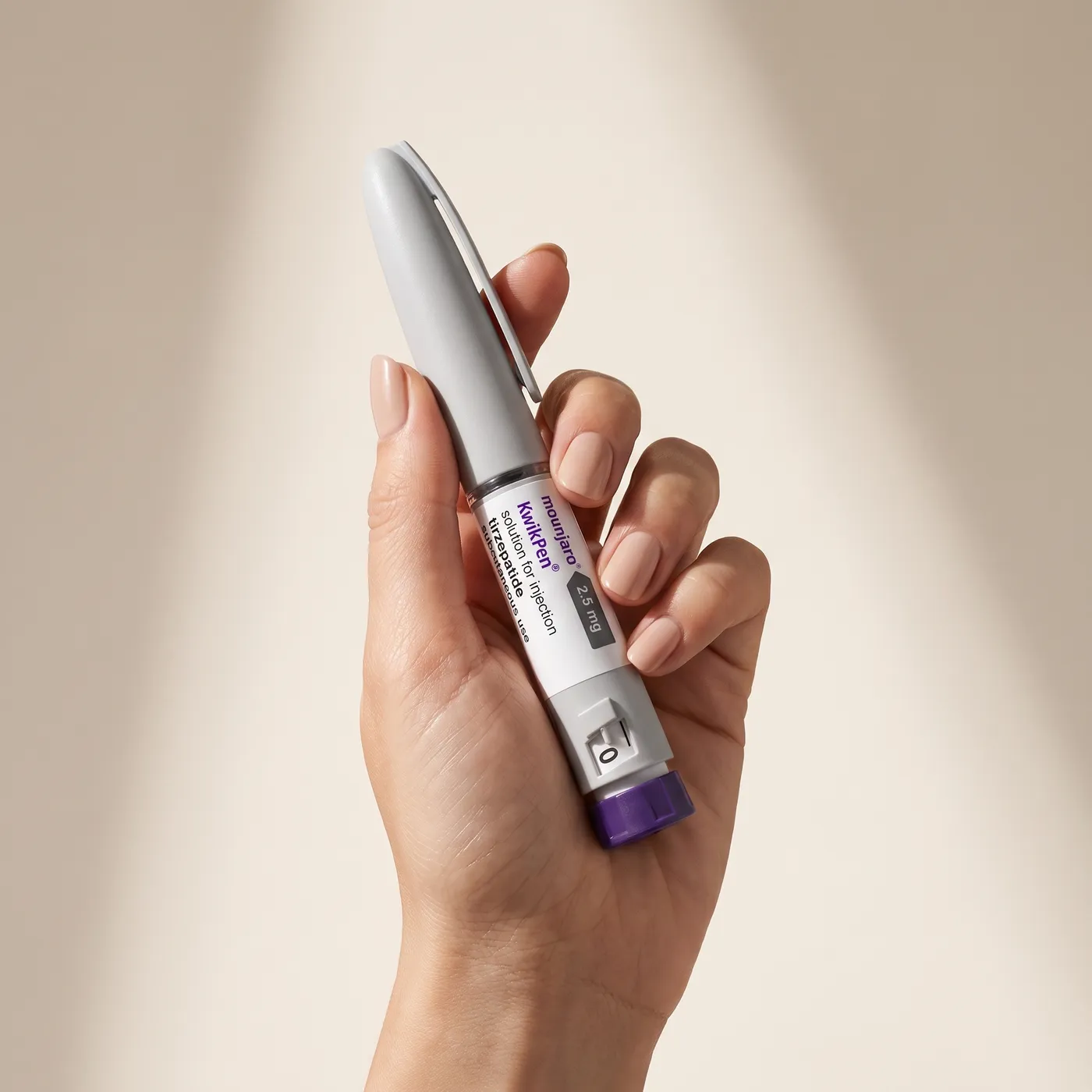
People starting weight-loss treatment sometimes notice shedding and blame the medicine directly. The more likely explanation is telogen effluvium, a temporary shed triggered by rapid weight loss and the dietary change that comes with it, rather than the drug attacking follicles. It usually recovers once weight stabilises and nutrition is adequate. We explain this in hair shedding and rapid weight loss.
Does testosterone cause hair loss?
Not directly, and high testosterone does not mean you will go bald. What matters is how sensitive your follicles are to DHT, a hormone made from testosterone, and that sensitivity is inherited. Two men with the same testosterone level can have very different hair outcomes because their follicles respond differently. This is also why bodybuilders and men on testosterone therapy do not all lose hair, while some men with unremarkable levels do. The role of DHT, not testosterone alone, is the part that counts.
Myth: stress alone made you go bald
Stress can trigger a temporary, diffuse shedding known as telogen effluvium, but it does not cause the patterned, lasting thinning of androgenetic loss. People sometimes blame a stressful year for hair that was going to thin anyway, and the two can coincide. Separating a stress-related shed, which usually recovers, from underlying pattern loss, which does not, matters because they call for different responses, as we set out in telogen effluvium versus pattern loss.
Myth: plucking or cutting changes how hair grows back
Cutting hair does not change its thickness or rate of growth; hair feels coarser after a cut only because you are feeling the blunt cut end rather than the tapered tip. Plucking a hair does not make two grow back, and shaving does not thicken hair. These are all illusions of texture and timing, not real changes in the follicle. None of them influences pattern loss in either direction, so trimming, shaving or leaving your hair alone makes no difference to whether pattern thinning progresses.
What actually matters
If you want to influence pattern loss, the levers with evidence are treatments that lower DHT or support the follicle growth phase, started early. The British Association of Dermatologists sets out which of these are recognised. General health helps hair too: reasonable nutrition, not smoking, and managing significant stress. Everything else on the myth list is a distraction from those few things that genuinely count.