
Health Hub
Sourced from the NHS, the MHRA, Cochrane, the New England Journal of Medicine, the BMJ and The Lancet.
Six articles, in order: how the treatments work, who is eligible, and what the first months actually feel like.
From what causes it to what the first year of treatment looks like — the essentials, in reading order.
What causes ED, how the treatment options compare, and how to start safely.
Orforglipron was authorised for blood sugar control as well as weight management. What that means, how it fits alongside existing diabetes treatment, and why the distinction matters.
Curate Editorial5 min read
A trial switched people who had finished 72 weeks on an injectable onto a daily tablet. Those who switched held their weight; the placebo group regained. What that does and does not show.
Curate Editorial5 min read
Around 11% average weight loss over 72 weeks, and a good deal more detail behind that figure. What ATTAIN-1 and ATTAIN-2 actually measured, and what an average does not tell you.
Curate Editorial5 min read
A daily tablet against a weekly injection, with a real difference in trial results. How the two compare on effectiveness, practicality and side effects.
Curate Editorial5 min read
Headache, flushing, indigestion and back pain lead the list. Why tadalafil's long duration changes the side-effect picture, and the signs that need urgent care.
Curate Editorial5 min read
Sildenafil is licensed in the UK for erectile dysfunction in men, not for sexual problems in women. What the research found, why the biology differs, and what actually helps.
Curate Editorial5 min readClinically reviewed
Sildenafil typically works within 30 to 60 minutes, but food, timing and technique change everything. How to give the tablet its best chance.
Curate Editorial5 min readClinically reviewed
Tadalafil lowers blood pressure slightly in most people, and dangerously only in specific combinations. What the numbers show, and which pairings genuinely matter.
Curate Editorial5 min readClinically reviewed
The idea that high testosterone means baldness is a myth. Male pattern hair loss comes from how sensitive your follicles are to a hormone called DHT, not from how much testosterone you have.
Curate Editorial5 min readClinically reviewed
Female hair loss has a different cause list from men's: pattern thinning, telogen effluvium, iron and thyroid problems, hormones and haircare damage. How to tell them apart.
Curate Editorial5 min readClinically reviewed
Finasteride lowers the hormone driving hair loss within days, but visible results run on hair's slow cycle: stabilisation by month six, the full verdict at a year or more.
Curate Editorial5 min readClinically reviewed
Minoxidil results run on hair's own slow clock: shedding first, visible change from around four months, full effect at a year. A realistic timeline, stage by stage.
Curate Editorial5 min readClinically reviewed
The UK reference intake is 300mg a day for men and 270mg for women, mostly achievable from food. Why supplements say 400mg, whether 500mg is too much, and which forms your gut will tolerate.
Curate Editorial5 min readClinically reviewed
The NHS advises 10 micrograms of vitamin D a day, mainly in autumn and winter. What that means in the units on the bottle, who needs it all year, and the safe upper limit.
Curate Editorial5 min readClinically reviewed
Creatine can nudge the scale up in the first few weeks, but that early gain is water held inside muscle, not fat. Here is what the number really means over weeks and months.
Curate Editorial5 min readClinically reviewed
Oily fish, egg yolks, fortified foods and UV mushrooms are the real vitamin D foods, and even a good diet struggles to reach the target. The honest list, with numbers.
Curate Editorial5 min readClinically reviewed
Short answers to questions our readers ask, from recent articles.
Yes. The MHRA authorised it both for weight management and to improve blood sugar control in adults with insufficiently controlled type 2 diabetes.
Read the full article →Not currently, because orforglipron has not launched in the UK. A trial has studied switching from injectables to orforglipron for maintenance, with encouraging results, but there is no established protocol.
Read the full article →In ATTAIN-1, average loss was around 11% of body weight over 72 weeks at the highest dose, against roughly 2% on placebo. Individual results varied widely in both directions.
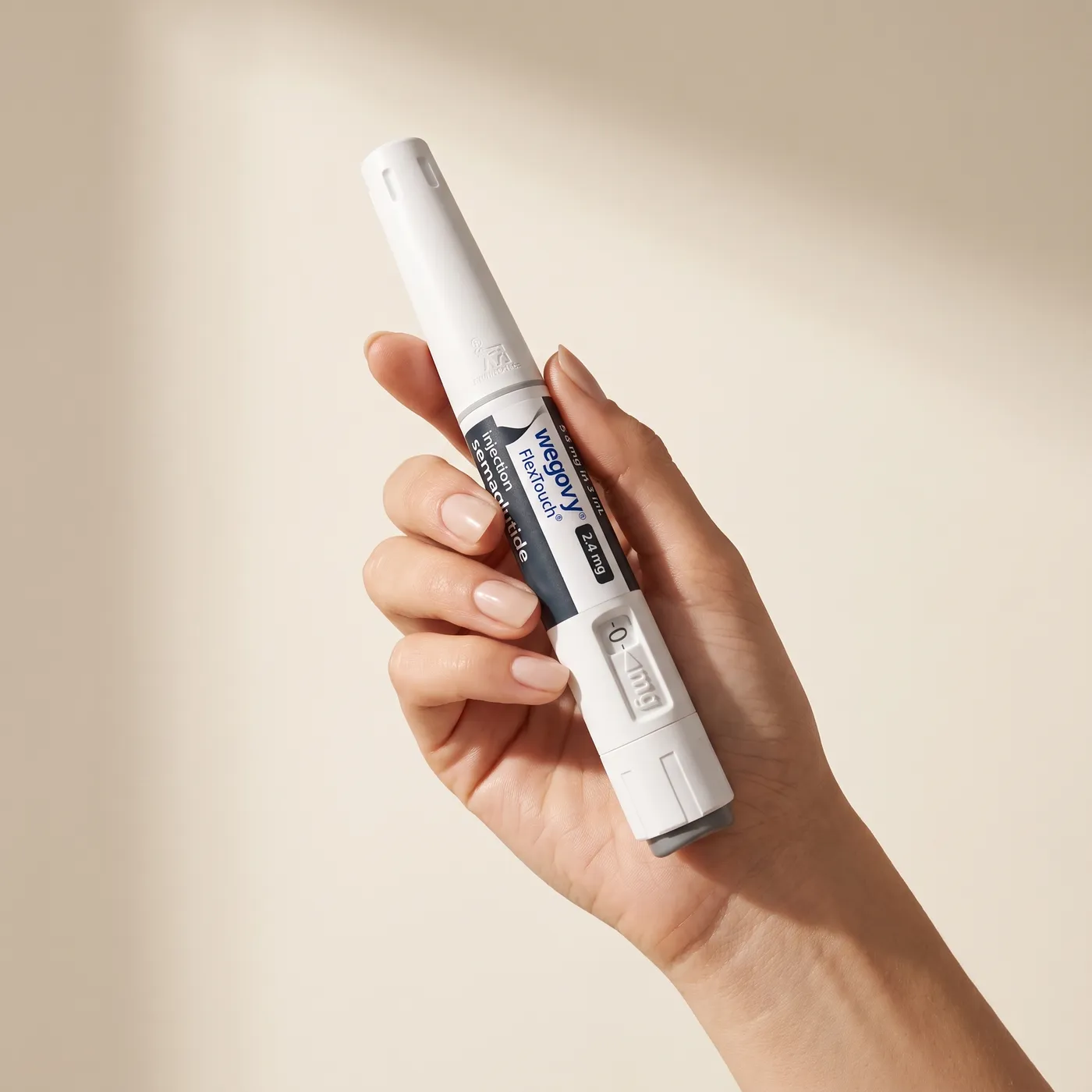
Read the full article →Not quite. Trials showed around 11% average weight loss for orforglipron against around 15% for the Wegovy injection. Both exceed the 10% threshold where health benefits become reliable.
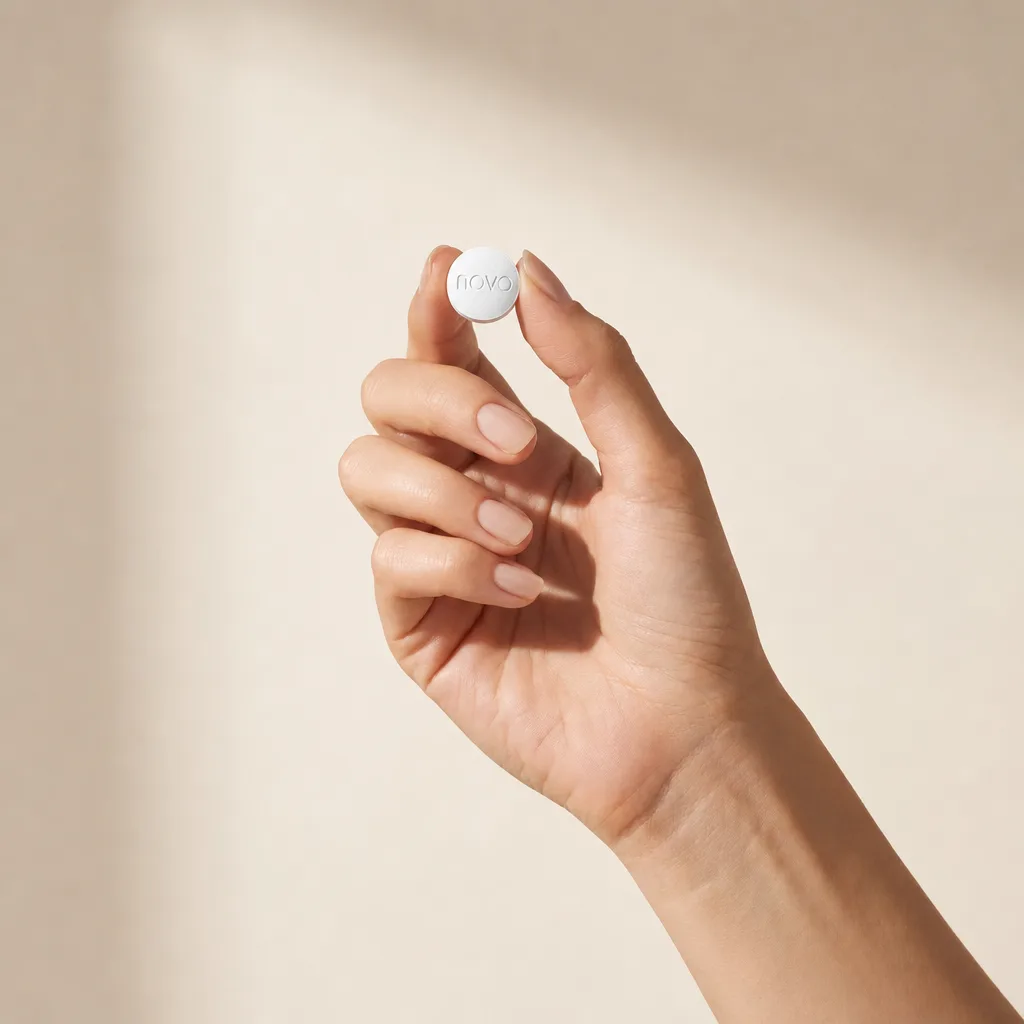
Read the full article →On trial results the Wegovy pill, at around 15% average weight loss against roughly 11%. On ease of use orforglipron, which has no food, water or timing restrictions. It depends which matters more to you.
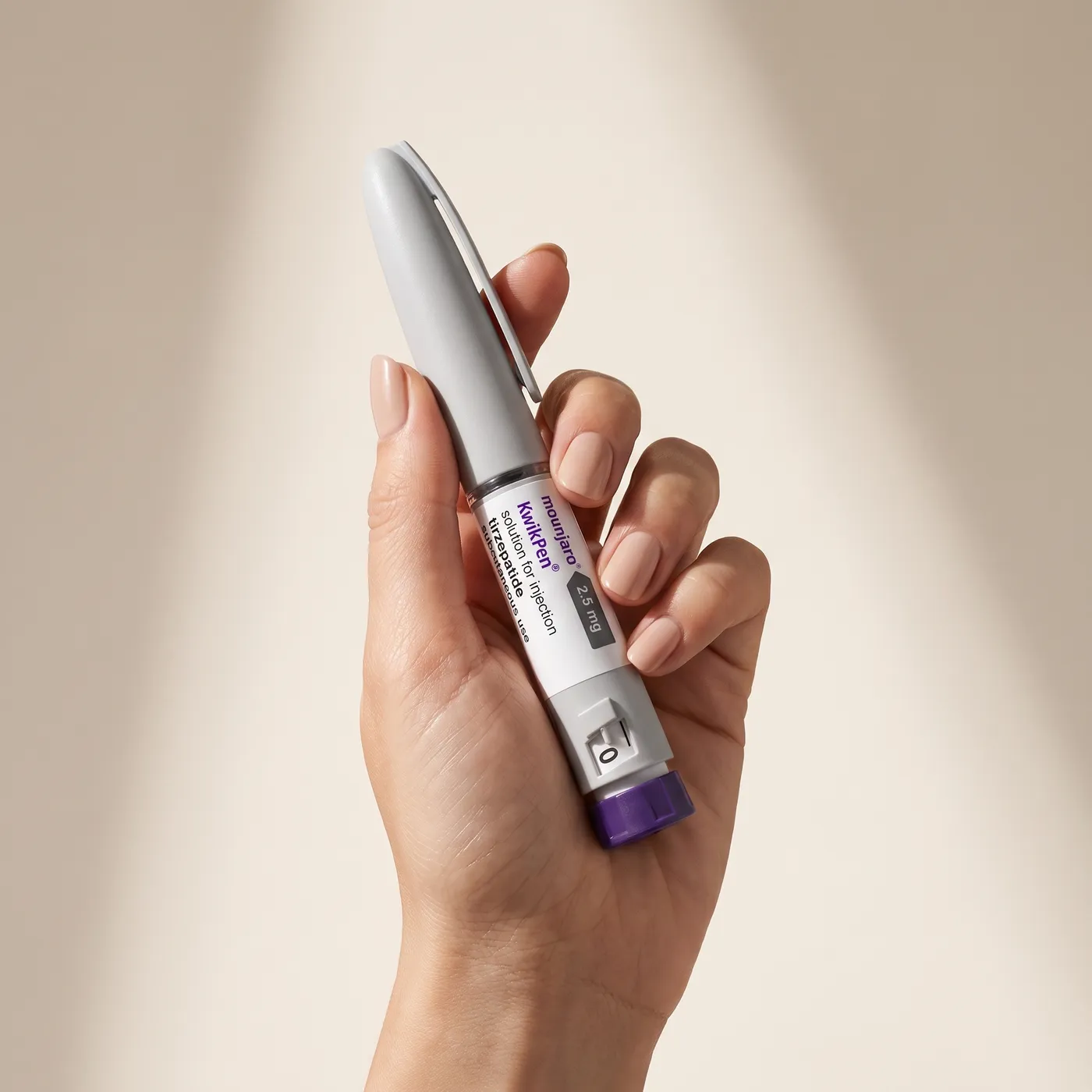
Read the full article →Not on weight loss. Mounjaro produced around 21% average loss in trials against orforglipron's roughly 11%. Orforglipron's advantage is that it is a daily tablet with no injection, refrigeration or food restrictions.
Read the full article →There is no male equivalent of menopause: testosterone declines slowly, not suddenly. What the 'male menopause' label gets wrong, what late-onset hypogonadism actually is, and when midlife symptoms deserve a GP visit.
Curate Editorial5 min readClinically reviewed
Pregnancy is possible throughout perimenopause, because ovulation continues unpredictably until periods have fully stopped. When contraception can safely stop, which methods suit your 40s and 50s, and the honest picture on fertility.
Curate Editorial5 min readClinically reviewed
Black cohosh, red clover, magnesium, vitamin D and B vitamins, reviewed honestly. Which perimenopause supplements have evidence behind them, which are marketing, and when HRT is the better conversation.
Curate Editorial5 min readClinically reviewed
Testosterone is a normal female hormone, and for some women after menopause it can help distressing low sexual desire. What the evidence shows, how UK off-label prescribing works, and what to expect.
Curate Editorial5 min readClinically reviewed