










Here's what we'll cover
The short answer: a hair transplant and medication do different jobs, and in the UK they are frequently used together rather than as rivals. A transplant moves follicles from the back and sides to thinning areas, restoring density where hair has gone. Medication lowers DHT or supports growth to protect the hair you still have. One redistributes; the other preserves.
What a hair transplant does
In a transplant, a surgeon takes follicles from the back and sides of the scalp, where hair is usually resistant to DHT, and places them in thinning or bald areas. Because those follicles keep their resistance, the transplanted hair tends to persist in its new location. It is a way of redistributing the hair you have, not of adding hair from nowhere.
Crucially, a transplant does nothing to stop the pattern loss affecting your other, non-transplanted hair. This is the point most often missed, and it is central to whether the result still looks good in ten years.
Why surgery alone can disappoint
If you have a transplant but do not address the underlying process, your original hair can continue to thin around the transplanted hair. The result over a few years can look patchy or unnatural, with dense transplanted areas surrounded by continued loss. This is why many surgeons will not operate on younger men with active, fast loss without also recommending medication, and why understanding your male pattern baldness and how far it is likely to progress matters before any surgery.
What medication does
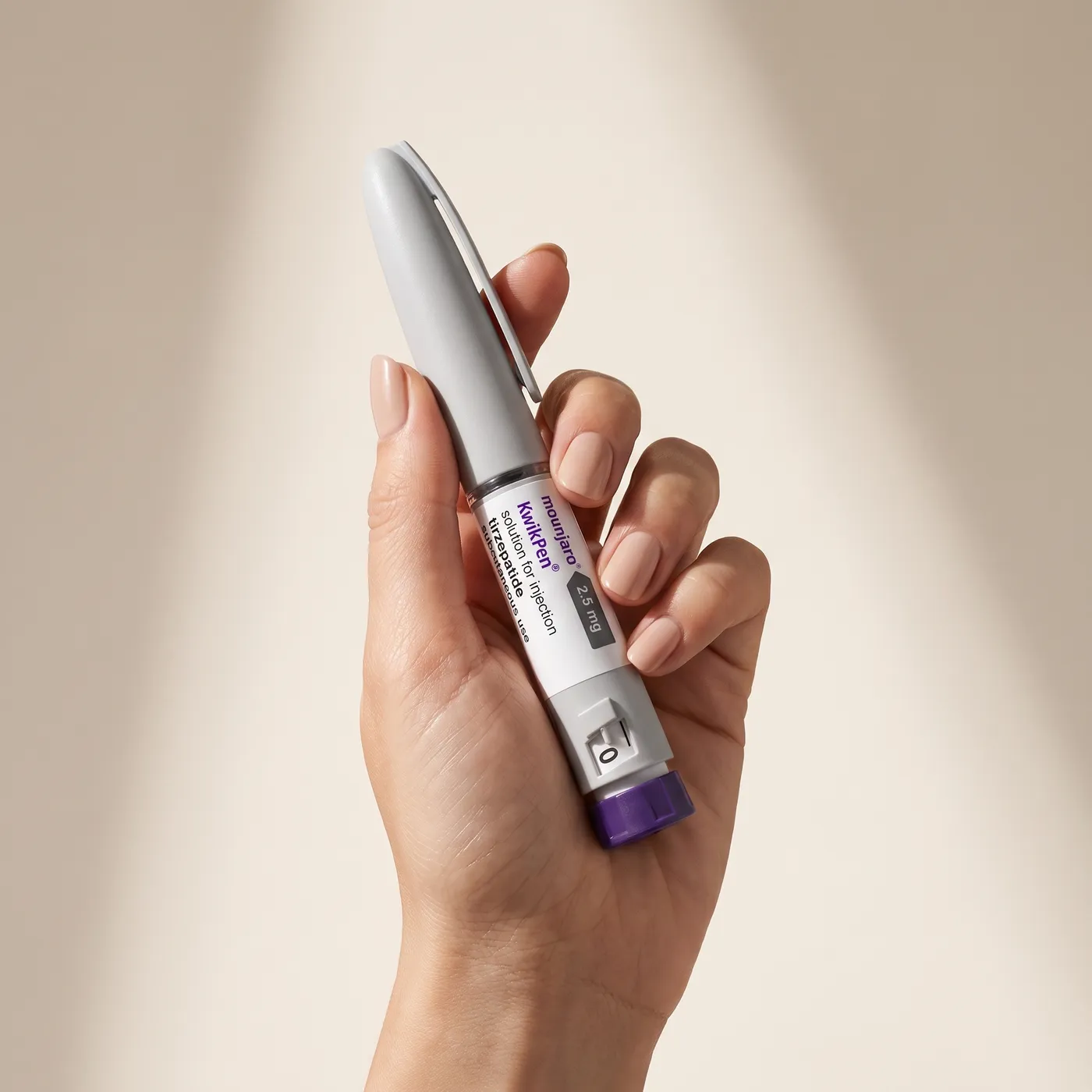
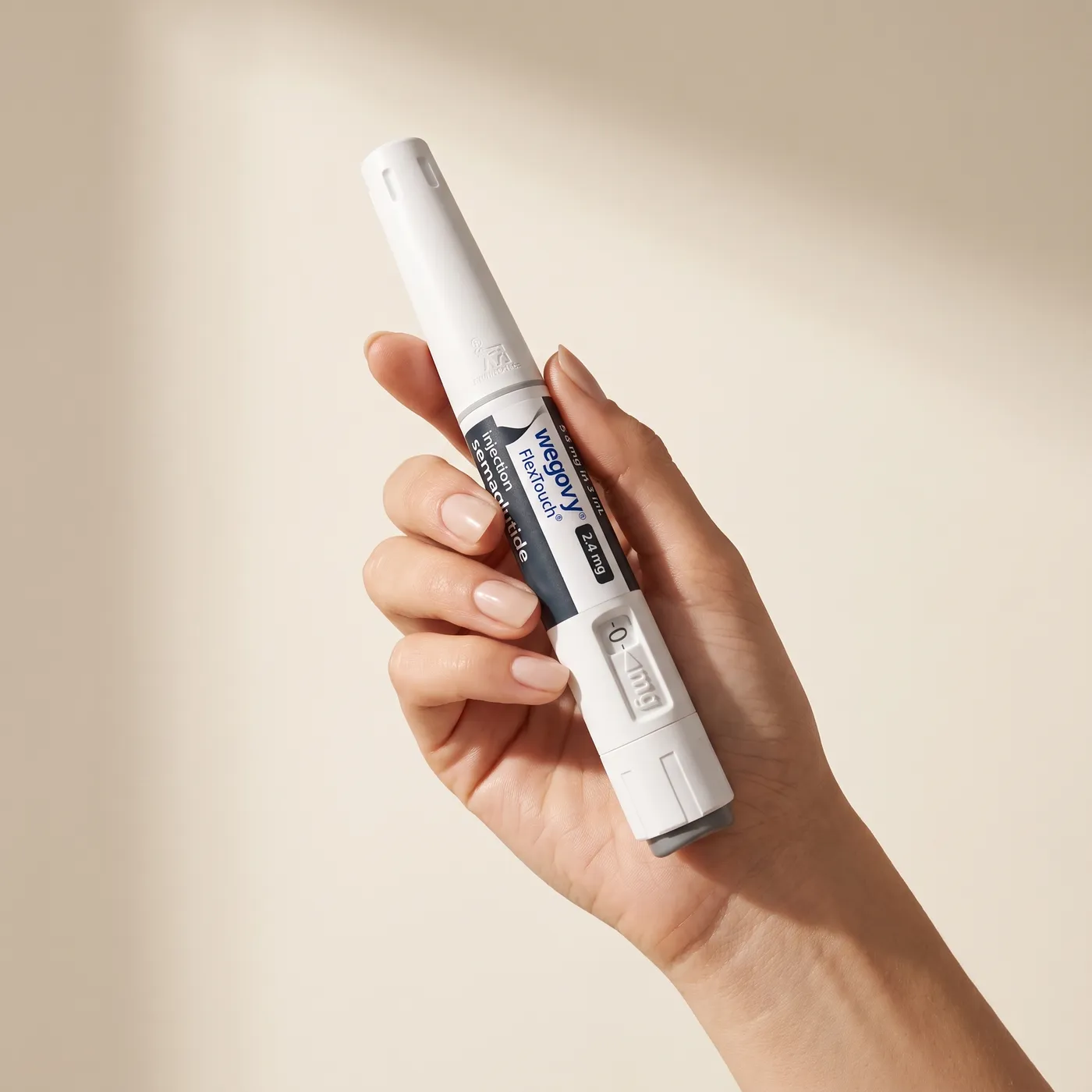
Medication works on the process itself. Finasteride lowers DHT to slow miniaturisation, and minoxidil supports the growth phase. Neither creates hair where follicles have long gone, but both protect and can improve what remains, and they work best started early before a lot is lost. The NHS notes that these treatments only keep working while you keep using them, and their effect reverses if you stop.
Why they are often combined
The logical approach for many men is medication to protect and stabilise, plus surgery to restore density where it has already gone. Medication holds the line on the native hair; the transplant fills in what is beyond saving. Used together, they address both halves of the problem, which is why reputable clinics discuss finasteride and minoxidil together alongside surgery rather than instead of it.
Do you have to take finasteride after a hair transplant?
You are not obliged to, but most surgeons strongly recommend it, and the reasoning follows from everything above. A transplant does not protect your native, non-transplanted hair, so if that hair keeps thinning around the grafts, the overall look can deteriorate even though the transplanted hair survives. Continuing finasteride, often with minoxidil, is the usual way to hold the surrounding hair while the transplant does its job. Some men decide the ongoing commitment is not for them, in which case an honest surgeon will factor likely future loss into the plan, or advise waiting. It is a decision to make with a clinician, weighing the benefits against the possible side effects of long-term treatment.
Is a hair transplant available on the NHS?
In the UK, a hair transplant for pattern loss is considered cosmetic and is not usually funded by the NHS, so it is almost always a private, self-funded procedure. That makes the choice of provider entirely yours, which is a freedom and a risk. It also means the running cost of medication, which is modest and ongoing, sits alongside the larger one-off cost of surgery when you weigh up your options.
Cost and choosing a provider
A transplant is a significant, one-off cost that medication is not, and it is a surgical procedure with the recovery and risks that implies. In the UK, choose a provider carefully: look for appropriately qualified surgeons, be cautious of very cheap overseas package deals that can carry higher risks and little follow-up, and treat clinics that promise dramatic, effortless results with scepticism. The British Association of Dermatologists offers guidance worth reading first. Ask what happens if your loss continues, and how they factor that in.
Timing and your age
Age and rate of loss matter to the decision. Operating on a young man whose loss is early and moving quickly is risky, because it is hard to predict how far the loss will ultimately go, and a hairline that looks good at 24 can be stranded by continued recession at 34. Many surgeons prefer to stabilise loss with medication first and let the pattern declare itself before committing to surgery. If you are in your twenties, that caution is worth respecting rather than resenting; it protects you from a result that ages badly. Our hair loss in your 20s article covers early-onset loss in more depth.
Deciding what is right
There is no single right answer; it depends on your pattern and stage of loss, your age and how fast it is progressing, your budget and your goals. A sensible first step for most men is a proper consultation and, often, a trial of medication, since acting early can reduce how much surgery you might ever need. Surgery is best treated as a considered addition once loss is stable, not a shortcut around the underlying process.