






Here's what we'll cover
The short answer: visceral fat is the fat packed deep around your organs, and it is the type most closely tied to health risk, including type 2 diabetes and heart disease. You cannot pinch it or see it directly, but a waist measurement gives a reasonable guide, and it tends to respond well to the same steps that reduce weight overall.
Two kinds of fat
Body fat is not all the same. Subcutaneous fat sits just under the skin, the fat you can pinch. Visceral fat lies deeper, wrapped around organs like the liver and intestines. You cannot pinch it, and someone can carry a lot of it without looking especially large.
The reverse is also true: someone can look slim while carrying a meaningful amount of visceral fat, a pattern sometimes described as thin outside, fat inside. This is one reason body weight and BMI have well-known limits as health measures; they say nothing about where fat is stored.
Why visceral fat matters
Visceral fat is metabolically active in unhelpful ways. Higher amounts are associated with greater risk of conditions including type 2 diabetes, heart disease and high blood pressure. This is why waist size can tell you something that weight alone does not: two people at the same weight can carry very different amounts of visceral fat.
The mechanism matters for understanding the risk. Unlike fat under the skin, visceral fat drains directly towards the liver and releases fatty acids and inflammatory signals into that circulation. Over time this can make the body respond less well to insulin, nudge blood fats and blood pressure in the wrong direction, and contribute to fat building up in the liver itself. That cluster of changes is why visceral fat sits at the centre of metabolic syndrome and is a recognised driver of type 2 diabetes risk.
How to gauge visceral fat without a scan
You do not need a scan. A simple guide is your waist measurement, and waist-to-height ratio is a useful check: the NHS suggests keeping your waist to less than half your height, and NICE recommends the same ratio as a check alongside BMI. Measure around the middle, roughly level with the tummy button, breathing out naturally and without pulling the tape tight.
In practice that means someone 170 cm tall would aim to keep their waist under about 85 cm. A ratio of 0.5 or more suggests increased risk, and 0.6 or more suggests further increased risk. Used alongside a BMI calculation, it gives a much better picture of where you stand than either number alone. Bathroom-scale body fat readings and smart scales that claim to report visceral fat are rough estimates at best; treat them as trends, not measurements.
What reduces visceral fat
Visceral fat generally responds well to the fundamentals of weight loss, and often reduces earlier than subcutaneous fat:
- Overall weight loss through a sustained calorie deficit
- Regular activity, including both aerobic and resistance exercise
- A diet rich in fibre, protein and less refined carbohydrate
- Adequate sleep and managing stress, both linked to abdominal fat
Alcohol deserves a specific mention. The phrase beer belly is not entirely folklore: regular drinking adds calories that are readily stored centrally, and cutting down is one of the quicker wins for waist size. Crash diets, by contrast, tend to backfire; rapid loss is hard to hold, and weight that returns often comes back preferentially around the middle.
There is no exercise or food that targets visceral fat specifically; spot reduction is a myth. What the evidence does show is encouraging in a different way: because visceral fat is metabolically active, it is often among the first fat the body draws on in a deficit, so health markers such as blood pressure and blood sugar can improve within weeks, before the mirror shows much change.
Age, sex and the middle-age shift
Where the body stores fat changes over life. Men tend to store fat centrally from early adulthood, which is part of why their cardiovascular risk rises earlier. Women typically store more fat on the hips and thighs until midlife, then storage shifts towards the middle as oestrogen falls around menopause, even when total weight barely changes.
This is why many people notice their waistband tightening in their forties and fifties despite the scales holding steady. It is common and it is not a personal failing, but it does mean the waist measurement becomes a more useful habit with age than weighing alone. The same fundamentals apply; they simply matter more at this stage.
Where treatment fits
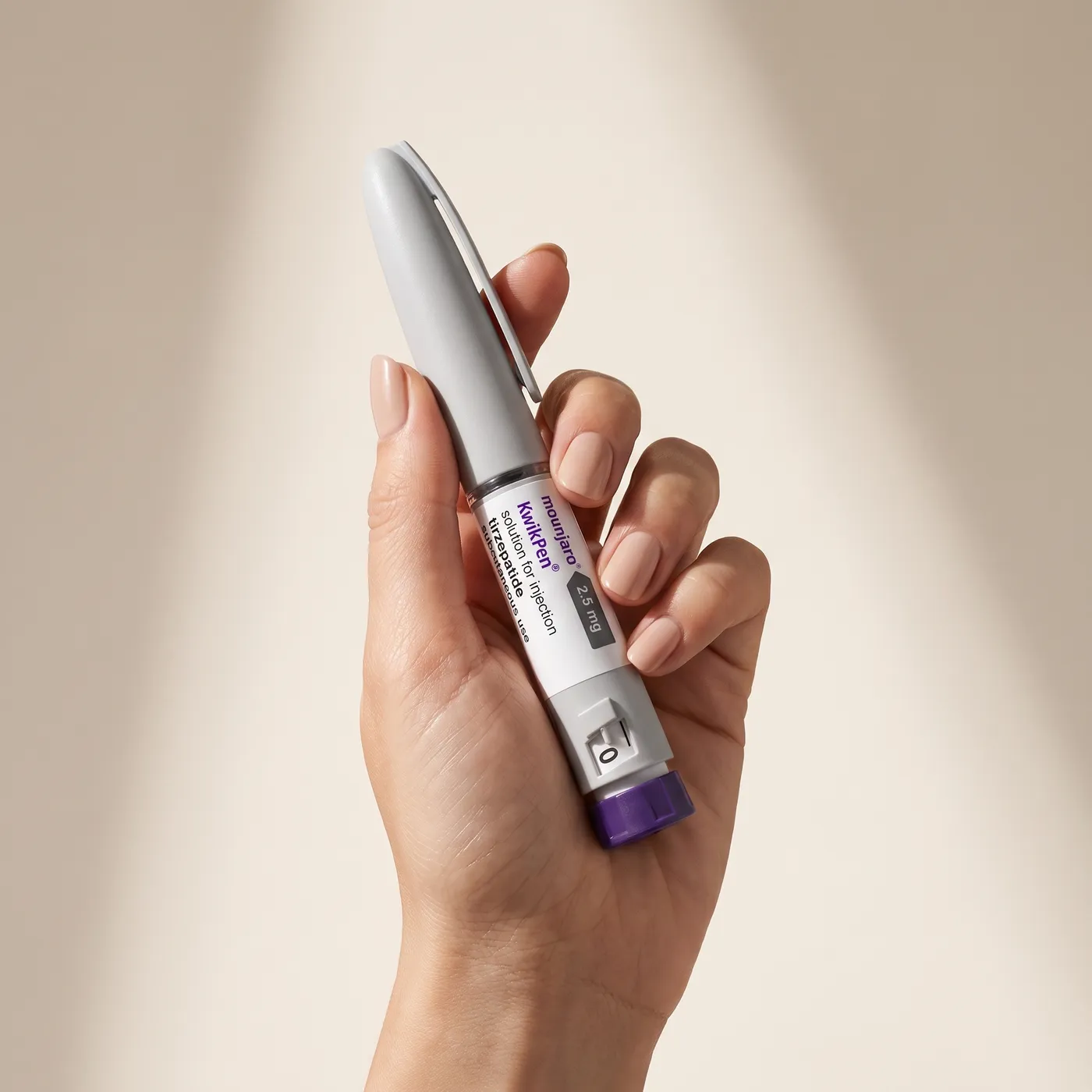
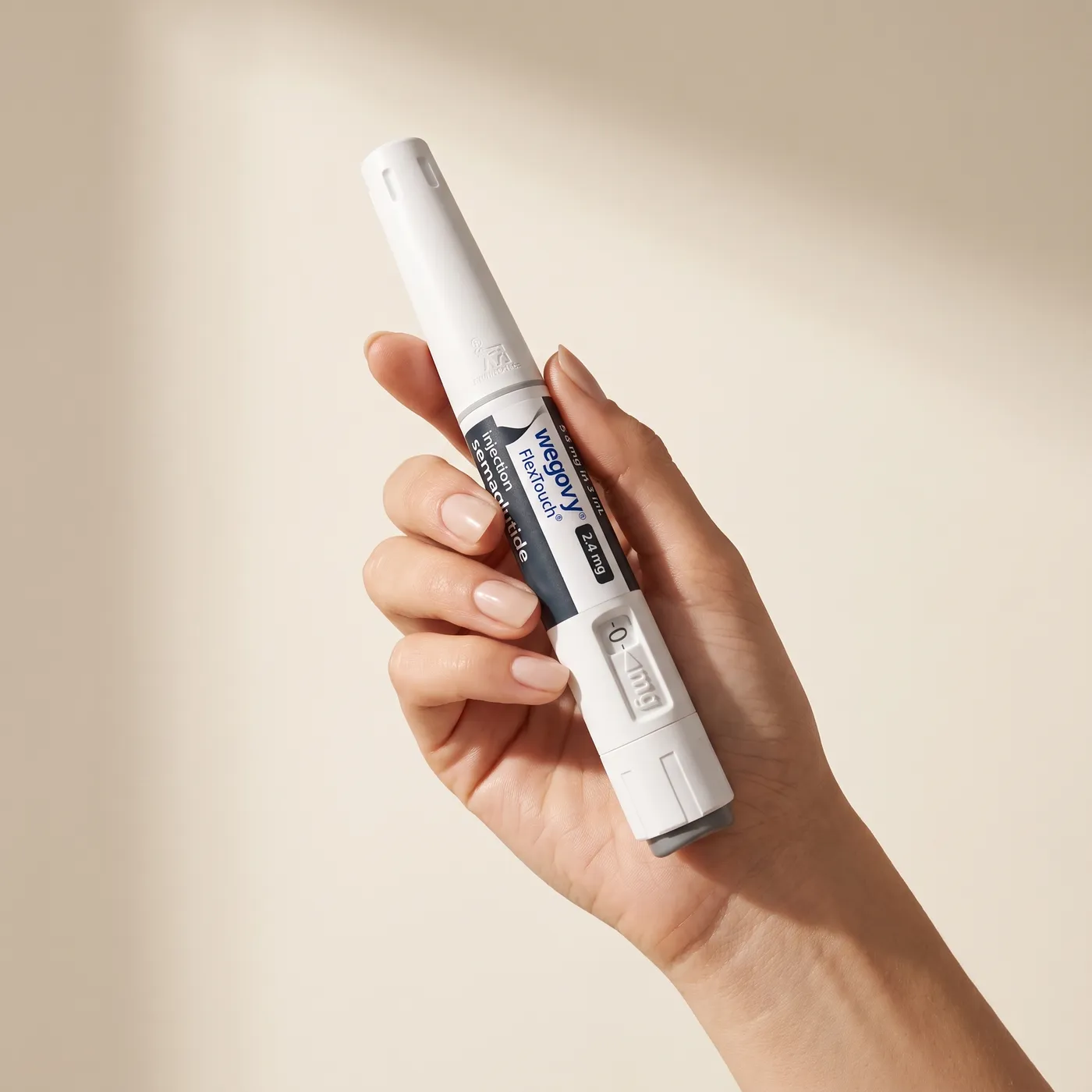
By supporting overall weight loss, GLP-1 treatment can help reduce visceral fat as part of the picture, alongside the diet and activity habits above. In trials of tirzepatide (Mounjaro) and semaglutide (Wegovy), waist circumference fell alongside weight, which is consistent with a reduction in fat stored centrally. These are prescription-only medicines with specific eligibility criteria, and as ever, treatment is a support for lifestyle changes rather than a replacement.
The takeaway
Visceral fat is a better guide to health risk than the scales alone, and it is responsive. The everyday habits that improve overall health tend to reduce it, often sooner than you might expect. A tape measure, used the same way once a month, tells you more about it than most gadgets. And if your waist is above half your height and you are unsure where to start, a conversation with your GP or pharmacist about weight, blood pressure and blood sugar together is a sensible first step.