






Here's what we'll cover
The short answer: blood pressure is written as two numbers - for example 120/80 mmHg - measuring the pressure in your arteries when the heart beats and when it rests between beats. Under UK guidance a clinic reading at or above 140/90 is generally considered high, and because high blood pressure rarely causes symptoms, measuring it is the only way to know.
What the two numbers mean
The top number is systolic pressure: the pressure in your arteries at the moment your heart contracts and pushes blood out. The bottom number is diastolic pressure: the pressure while the heart relaxes and refills between beats. Both are measured in millimetres of mercury, written mmHg.
A reading around 120/80 is often used as a rough benchmark for a healthy level in adults. Both numbers carry information; a raised systolic reading in particular becomes more important as people get older.
What counts as high blood pressure in the UK
UK thresholds come from NICE. As a general guide, a clinic reading at or above 140/90 mmHg, confirmed by readings taken away from the clinic, is treated as high blood pressure, known medically as hypertension. Because home readings tend to run slightly lower than clinic ones, the equivalent home threshold is an average of 135/85 mmHg. Readings between roughly 120/80 and 140/90 sit in a range where lifestyle matters and monitoring is sensible.
These are thresholds, not fixed switches, and the level at which treatment is offered depends on your overall cardiovascular risk, not the blood pressure number alone. That wider risk picture is assessed alongside things like cholesterol, covered in cholesterol explained, and often as part of the NHS Health Check.
Why untreated high blood pressure matters
Left untreated over years, raised pressure gradually strains the arteries, heart, kidneys, eyes and brain. It is a major contributor to heart attacks, strokes and kidney disease. The damage builds quietly, which is exactly why the absence of symptoms is misleading rather than reassuring.
Blood pressure tends to rise with age, excess weight, high salt intake, alcohol, inactivity and a family history of hypertension. Weight carried around the middle matters in particular. If you are not sure where you stand, our BMI calculator gives a quick starting point, though it has well-known limits.
The encouraging side is that high blood pressure is very treatable, through a combination of lifestyle changes and, where needed, medication. Bringing it down meaningfully reduces the risk of those serious outcomes.
Does Mounjaro lower blood pressure?
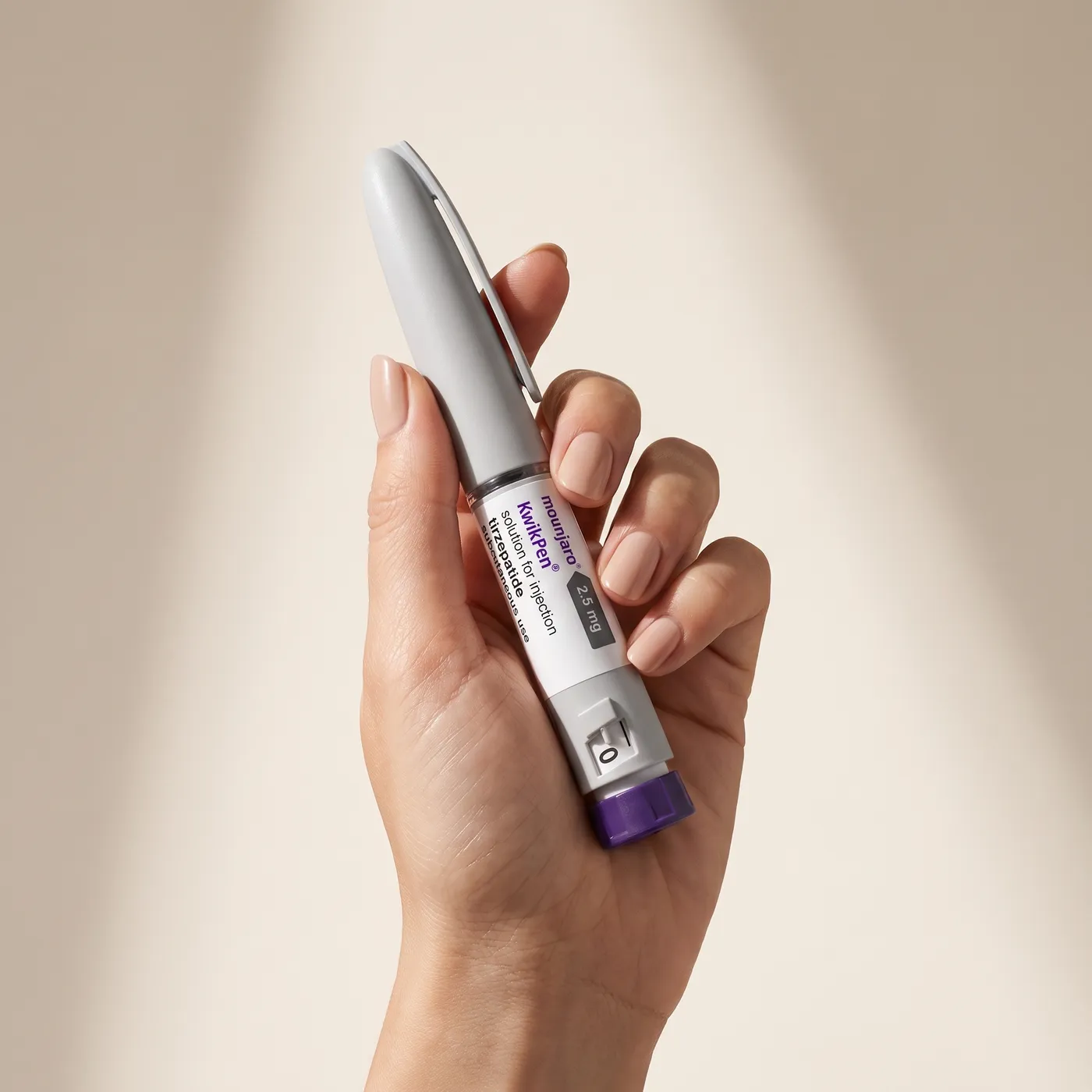
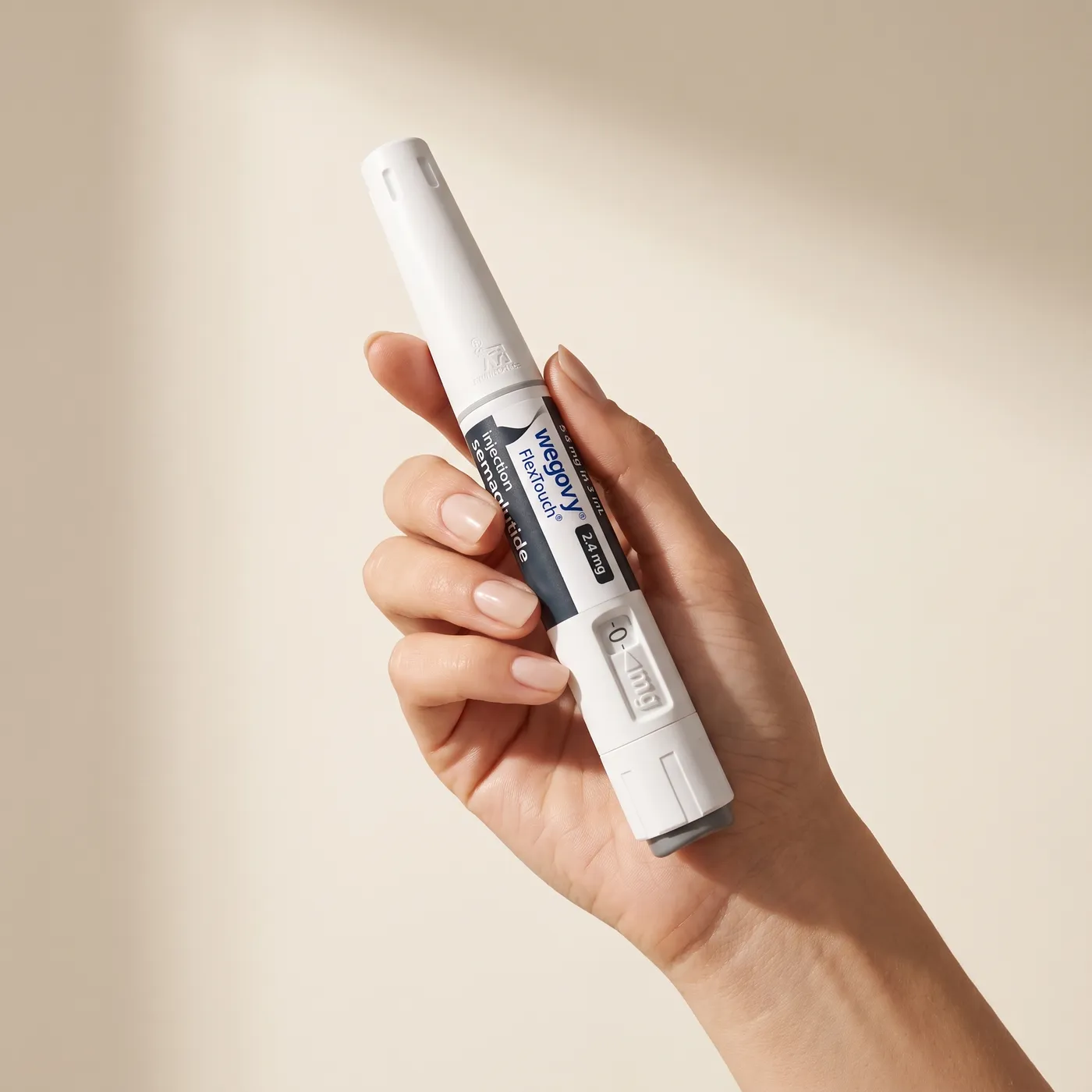
Weight and blood pressure are closely linked, so treatments that produce meaningful weight loss tend to lower blood pressure too. In clinical trials, people taking tirzepatide (Mounjaro) saw modest reductions in blood pressure alongside their weight loss, and semaglutide (Wegovy) shows a similar pattern. This is a helpful knock-on effect, not a replacement for prescribed blood pressure treatment.
Part of the link runs through visceral fat, the fat stored around the organs, which is strongly associated with raised blood pressure. Losing it eases the load on the heart and blood vessels.
Two practical points. Keep taking any prescribed blood pressure medicines unless your prescriber advises otherwise; as weight falls, doses sometimes need review, and some people feel dizzy or lightheaded if their blood pressure drops while they are eating and drinking less than usual. And these are prescription-only treatments with their own eligibility criteria and side effects, so blood pressure alone is not a reason to start one.
Does sildenafil lower blood pressure?
Yes, slightly. Sildenafil and tadalafil, the most commonly used erectile dysfunction treatments in the UK, relax blood vessels, so they can lower blood pressure by a small amount for a few hours. For most people the drop is too small to notice.
Can you take them with high blood pressure? Usually yes, provided your blood pressure is treated and stable; prescribers will check this first. The critical exception is nitrate medicines such as GTN spray or tablets, and recreational poppers: the NHS warns that combining these with sildenafil or tadalafil can cause a sudden, dangerous fall in blood pressure. Very high or untreated blood pressure should be assessed before starting treatment, and some alpha-blocker medicines also need care.
One more reason not to ignore the numbers: erectile difficulties can be an early clue to circulation problems, including raised blood pressure, so a new problem is worth a proper check rather than treatment alone.
How to measure blood pressure at home
Home monitoring can give a more reliable picture than a single clinic reading, partly because some people's pressure rises simply from being in a medical setting. A few practical points make home readings trustworthy:
- Use a validated upper-arm monitor rather than a wrist or finger device; the British and Irish Hypertension Society lists validated models.
- Sit quietly for five minutes first, back supported, feet flat, arm resting at heart height.
- Avoid caffeine, exercise and smoking in the half hour beforehand.
- Take two or three readings a minute apart, morning and evening, over several days, and record them.
- Share the record with your GP or pharmacist rather than reacting to any single reading.
What to do with your numbers
One high reading is not a diagnosis; blood pressure varies through the day and with activity and stress. A pattern of raised readings is what matters, and that is worth discussing with your GP or pharmacist. Regular physical activity, reducing salt, moderating alcohol and keeping to a healthy weight all lower blood pressure, and where those are not enough, effective medicines are available. If you ever have a very high reading with symptoms such as severe headache, chest pain, breathlessness or visual problems, seek urgent medical help.