





Weight Loss
Explore weight loss careAbout GLP-1 medications
What is GLP-1?
GLP-1 (Glucagon-like peptide-1) is a hormone that exists naturally within your body. It is released after you eat, signalling to your brain that you're full, slowing down digestion and helping to keep your blood sugars in check. Your body knows what it needs, and GLP-1 medication just helps amplify that signal in order to support with weight loss.
What are GLP-1 medications?
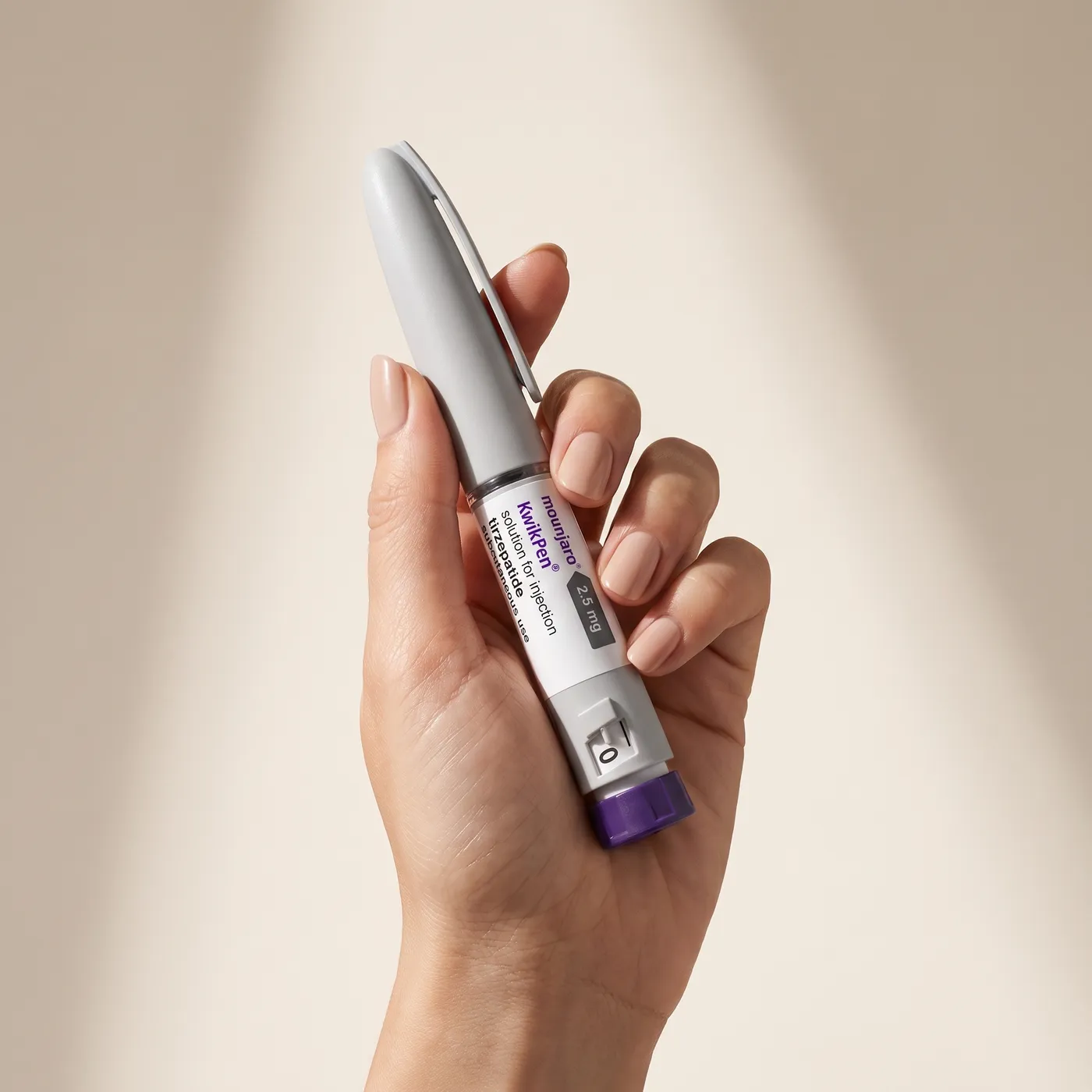
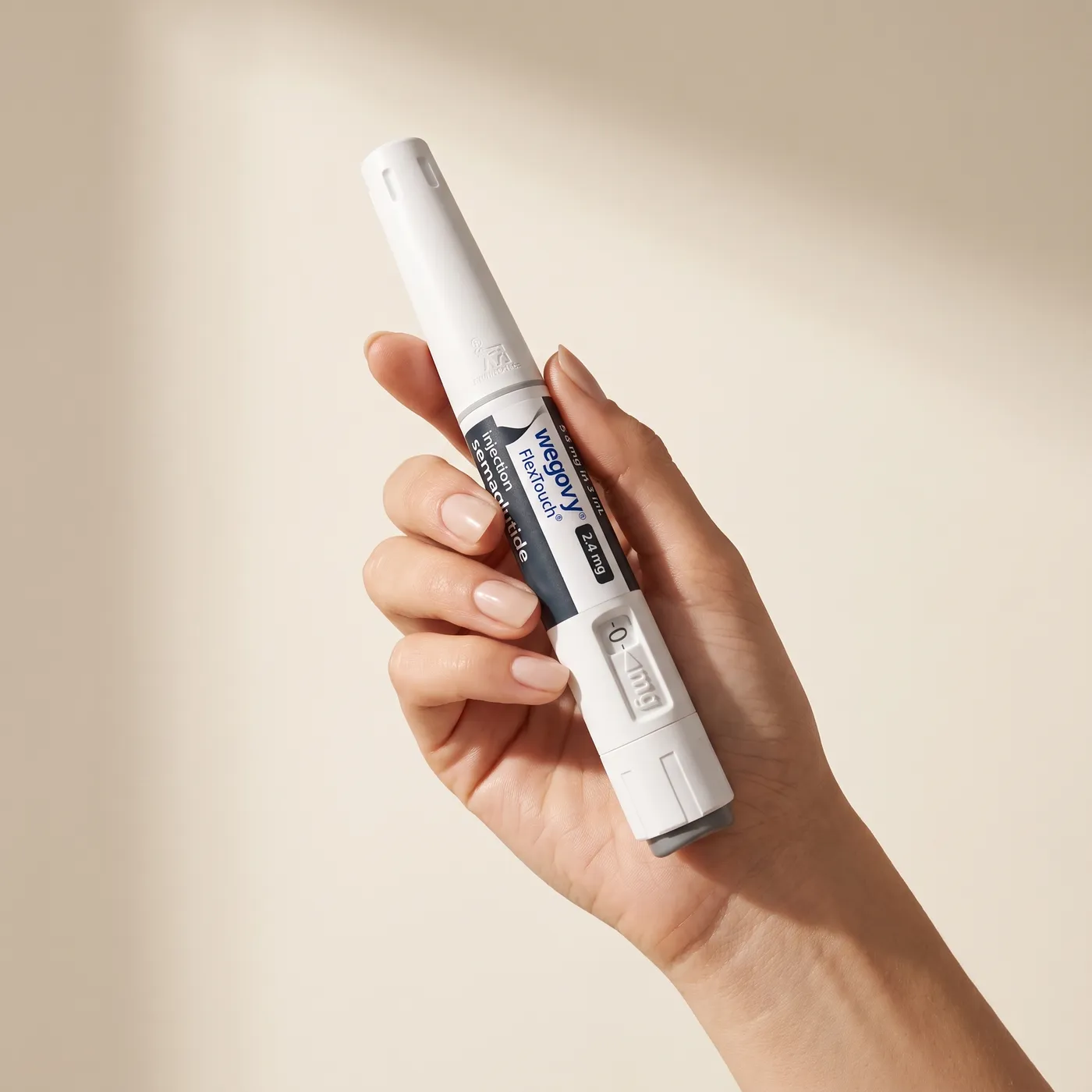
These are clinically proven treatments that work with your body's natural processes. You may have heard of Wegovy or Mounjaro: these are GLP-1 based medications, prescribed to support real, lasting weight loss.
How do they work?
They help control your appetite, stabilise blood sugar and slow the rate your stomach empties so you feel fuller for longer and find it easier to make the dietary changes that matter.
Are they effective?
The evidence is clear. Clinical trials show GLP-1 medications can support weight loss of up to 21% of body weight, alongside the potential for meaningful improvements to blood pressure, cardiovascular health, hormones, and gut-related and musculoskeletal issues.
Are there any side effects?
Some people experience mild nausea or digestive changes when they start the treatment. This is why you follow a specific treatment plan, and the side effects usually settle quickly. Your Curate Health clinician will be with you every step of the way to help manage anything that comes up, or should you have any questions at any stage of your journey.
Which drug is right for me?
We prescribe both Mounjaro and Wegovy. Your journey with Curate Health starts with a personalised consultation so your treatment plan is built around you and not for anyone else.
Do you offer Wegovy 7.2mg?
Yes, we do offer the Wegovy 7.2mg single-use pen. Please select this dose during the online consultation and note that you will need to have used the Wegovy 2.4mg injection for 4 weeks prior to going up to the 7.2mg dose.
Are there age restrictions to taking GLP-1s?
Patients must be aged between 18 and 75 years old, and we will ask for ID to confirm age.
Can I switch to Curate Health from another provider?
Yes. As long as you complete the online consultation and meet our eligibility criteria, we would be happy to supply your medication. We require a copy of your previous prescription to confirm the dose you were previously prescribed and to ensure you have not had a gap in treatment. If you have not had a gap of more than 14 days since your last dose, you would be eligible for the same dose or the dose one strength above or below.
GLP-1 medications & other health conditions
Can I take GLP-1 medication if I have high blood pressure?
GLP-1 medicines often lower blood pressure, typically by around 5–10 mmHg systolic, mainly as a result of weight loss. For most people this is a welcome benefit, but if you already take blood pressure tablets your readings could go too low, so monitor regularly and stay in touch with your GP, who may need to adjust your medication. Seek urgent help for chest pain, severe dizziness or fainting.
Can I take GLP-1 medication if I have IBS?
Usually, yes. Because GLP-1s slow digestion and affect gut motility, you may notice temporary bloating, constipation or looser stools, especially when starting or increasing the dose. Tell your prescriber your IBS pattern beforehand, increase fibre and fluids gradually, and eat smaller meals. Most symptoms settle with careful dose titration. Seek advice for severe or persistent pain, vomiting, blood in the stool, or constipation lasting more than 5–7 days.
Could GLP-1 medication cause gallstones?
GLP-1 medicines don't directly cause gallstones, but rapid weight loss can increase the risk (reported in about 1–2% of people in trials, usually mild). You can reduce your risk with gradual, steady weight loss (around 0.5–1kg per week), regular balanced meals, some healthy fats and good hydration. If you experience upper-right abdominal pain, yellowing of the skin/eyes, fever and vomiting call 999 or seek urgent medical attention.
What is the risk of pancreatitis with GLP-1 medication?
Pancreatitis is very rare with GLP-1 medicines. The risk may be higher if you have a history of pancreatitis, gallstones, high triglycerides or heavy alcohol use, so tell your prescriber if any of these apply. Stop your injection and seek urgent help (call 999) for sudden, severe abdominal pain that may spread to the back, persistent vomiting, fever or a fast heartbeat.
Can I take GLP-1 medication if I have a thyroid condition?
GLP-1s don't directly change thyroid hormone levels, but weight loss can alter how much thyroid medication (such as levothyroxine) you need, so regular monitoring of your TSH and T4 every 3–6 months is advised. They are not suitable if you or your family have a history of medullary thyroid cancer (MTC) or Multiple Endocrine Neoplasia type 2 (MEN2). Watch for symptoms of thyroid imbalance and never change your thyroid medication without medical advice.
Can I use GLP-1 medication alongside HRT?
Yes, but because GLP-1s slow stomach emptying they can reduce the absorption of oral HRT tablets. Transdermal options (patches or gels) and other non-oral methods are preferred because they bypass the digestive system. Tell your GP or menopause specialist before starting, report any unscheduled bleeding, and be aware that vomiting or diarrhoea can further reduce how much oral hormone you absorb.
Can GLP-1 medication help with PCOS?
Yes. For women with polycystic ovary syndrome, GLP-1s can support weight loss (typically 5–15%), improve insulin resistance, and often help restore more regular periods and reduce androgen-related symptoms such as acne and excess hair growth. They are not fertility drugs and must be stopped before pregnancy: semaglutide at least 2 months and tirzepatide at least 1 month before trying to conceive. Use reliable contraception and combine treatment with good nutrition and activity.
Can I take GLP-1 medication if I'm in cancer remission?
There is no proven link between GLP-1 medicines and cancer in humans, and they may be suitable in remission with regular follow-up from your GP or specialist. They must be avoided if you or a family member has a history of medullary thyroid carcinoma (MTC) or MEN2. Because some side effects (fatigue, nausea, weight loss) can overlap with cancer-related symptoms, report any new or unexplained symptoms promptly.
Do GLP-1 medications affect contraception or pregnancy?
GLP-1s aren't suitable during pregnancy or breastfeeding. Tirzepatide (Mounjaro) can reduce the absorption of oral contraceptives, so use barrier or non-oral contraception for 4 weeks after starting and after each dose increase. With semaglutide (Wegovy), extra precautions are only needed if you vomit or have diarrhoea. Non-oral methods (IUD, implant, injection, patch or ring) aren't affected. Stop treatment before conceiving: semaglutide at least 2 months and tirzepatide at least 1 month beforehand.
What happens if I switch between Mounjaro and Wegovy?
Switching is common (for example due to supply). Because the two medicines work slightly differently, your body may react as though you're starting a new treatment, so your prescriber will choose a starting dose based on how well you tolerated the previous one, and you should allow at least 7 days between your last and first injection. Manage early nausea, constipation or diarrhoea with smaller meals, hydration and gradual fibre, and contact your prescriber for severe or persistent abdominal pain.
Can GLP-1 medication help with prediabetes or diet-controlled diabetes?
Yes. Alongside weight loss, GLP-1s improve blood sugar control and reduce insulin resistance, and in trials many people with prediabetes returned to normal blood sugar levels. Tell your GP so it's recorded and ask for a baseline HbA1c, continue HbA1c monitoring every 3–6 months, and tell your prescriber immediately if your GP starts you on any diabetes medication, as these can interact. Keep up your lifestyle changes.
The Wegovy Pill
What is the Wegovy pill?
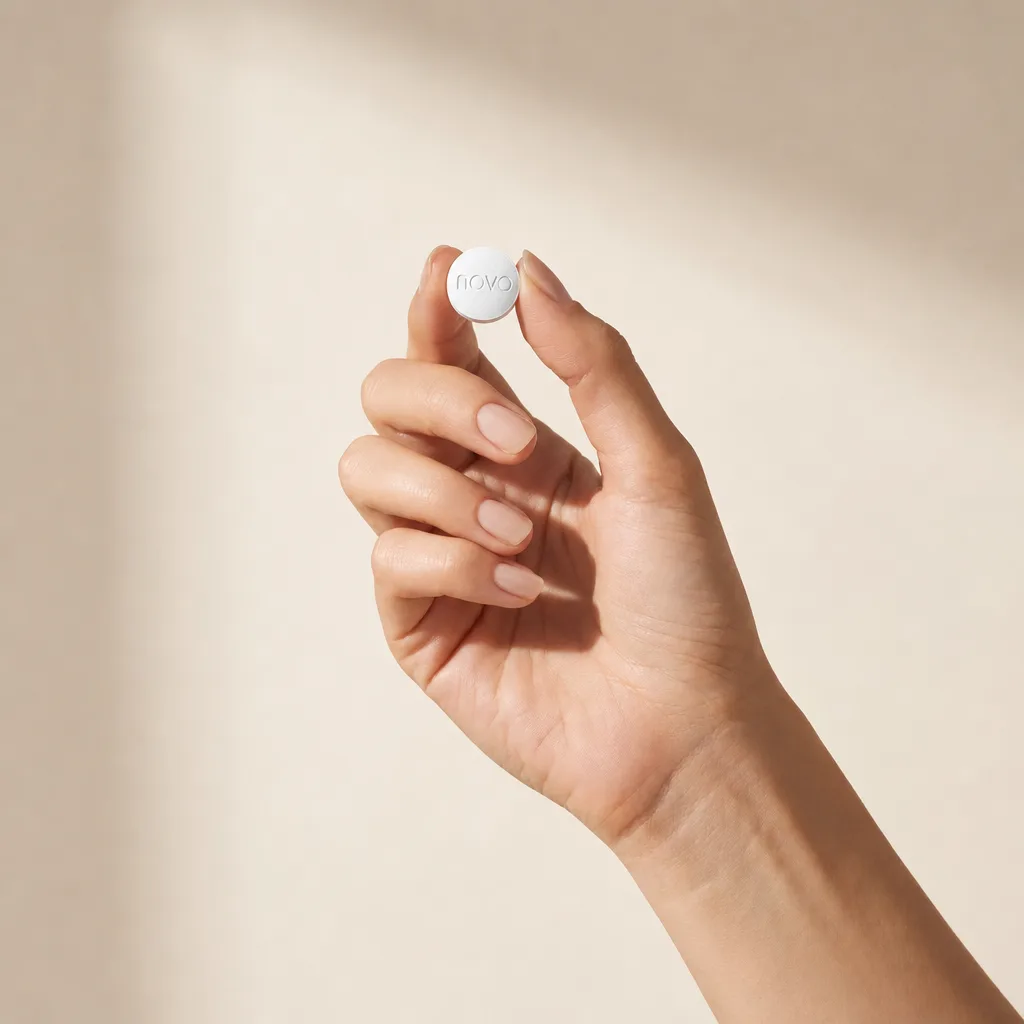
The Wegovy pill is a once-daily oral tablet containing semaglutide. Semaglutide mimics a natural gut hormone called GLP-1, which helps regulate appetite by reducing hunger signals in the brain and slowing the rate at which your stomach empties. It is the same medicine as the Wegovy injection, just taken as a daily tablet instead of a weekly injection.
How is the Wegovy pill different from Rybelsus?
Rybelsus is also an oral semaglutide tablet, but it is licensed in the UK only for type 2 diabetes at much lower doses (up to 14mg). The Wegovy pill is specifically formulated for obesity and weight management at doses of up to 25mg.
Can I get the Wegovy pill in the UK now?
The new Wegovy Pill received its Marketing Authorisation on 11 June 2026. It is expected to be available in the UK from July 2026. Until this point, no UK clinician can legally prescribe or dispense it. This applies to both NHS and private services. If you would like to keep updated when it becomes available, you can register your interest on our Wegovy pill page.
Does the Wegovy pill work?
In the Phase 3 OASIS 4 trial, published in September 2025, adults who took the pill consistently lost an average of 16.6% of their body weight over 64 weeks, and around 1 in 3 fully adherent participants lost 20% or more. Improvements were also seen in blood pressure, blood glucose and cardiovascular risk markers. Please note these are average trial figures and individual results vary.
How should I take the Wegovy pill?
The pill must be taken on a completely empty stomach, first thing in the morning, with no more than a small sip of plain water (up to 120ml). You then need to wait 30 minutes before eating, drinking anything else, or taking any other oral medicines.
This is because the pill uses an absorption enhancer called SNAC, which only works under these strict conditions: even a sip of coffee or tea can significantly reduce how much medicine is absorbed. After 30 minutes you can eat, drink and take other medicines as normal. It's important you do eat, as staying on an empty stomach for longer can affect absorption and raise the risk of side effects.
What is the dosing schedule for the Wegovy pill?
Like the injection, the pill uses a gradual dose-escalation schedule to help your body adjust and minimise side effects. It comes in four doses (1.5mg, 4mg, 9mg and 25mg), and you would start on the lowest dose and titrate up roughly every 4 weeks where required. Your clinician will advise you to stay on the lowest effective dose, so some people may not need the higher doses.
What are the most common side effects of the Wegovy pill?
The side-effect profile is similar to the injection, with most effects being digestive and generally mild to moderate. The most common are nausea (particularly during dose escalation), constipation, diarrhoea, vomiting and burping (reported more often with the pill than the injection because of the SNAC ingredient). Most side effects are temporary and improve as your body adjusts. Eating smaller, more frequent meals, avoiding greasy or spicy foods, and staying well hydrated can help manage nausea.
Using & storing your medication
How do I use my Mounjaro pen?
Please read the Patient Information Leaflet included in your medication, which gives clear instructions on how to use your pen and where to inject. You can also view step-by-step guidance from the manufacturer Eli Lilly at https://mounjaro.lilly.com/how-to-use-mounjaro.
How do I use my Wegovy pen?
Please read the Patient Information Leaflet included in your medication, which gives clear instructions on how to use your pen and where to inject. You can also view step-by-step guidance from the manufacturer Novo Nordisk at https://www.wegovy.com/obesity/starting-wegovy/starting-wegovy-pen.html.
How do I store my medication?
Remove the needle from your pen after each use (except the Wegovy 7.2mg single-use pen, where needles cannot be removed and the pen should be discarded in a sharps bin after every use). Medication should be stored flat and not resting on the dose button. If storing in a fridge, keep it away from the freezer section, ideally not touching the back of the fridge where it might freeze. As with all medication, keep it out of reach of children.
Mounjaro: store in the fridge between 2°C and 8°C. You may also store it at room temperature, up to 30°C, after first use for a maximum of 30 days.
Wegovy: store in the fridge between 2°C and 8°C. You may also store it at room temperature, up to 30°C, after first use for a maximum of 42 days (or 28 days for the 7.2mg single-dose pen).
Do not use the medication if it is frozen, the liquid is cloudy, discoloured or contains particles, or if the pen is damaged.
Why is there liquid left in my pen?
This is completely normal. Both Mounjaro and Wegovy pens are intentionally manufactured with a small amount of extra liquid beyond what is required for your four doses. This isn't spare medication you are missing out on. It is built into the design to ensure each of your four doses is delivered in full.
What are the Mounjaro pen changes from April 2026?
From April 2026, Eli Lilly introduced a visual and structural update to the Mounjaro KwikPen. The change is to the pen device, not the medicine: the concentration and active ingredient, tirzepatide, remain exactly the same. The plunger now sits further down the cartridge when unused, and after the fourth injection it will sit close to the end of the pen, clearly signalling that it is empty. You may still receive the old-style pen, which is completely fine to use until all stock has been distributed.
Do I need to report side effects that I am experiencing?
Your safety is our priority. If you're experiencing side effects, please let us know via our contact form so our clinical team can support you. You can also report side effects directly to the MHRA through the Yellow Card scheme at www.yellowcard.mhra.gov.uk. Please note, we are not an emergency medical service, so please call 111 or 999 or visit your local A&E should you have an urgent medical need.
Pricing & subscriptions
How much do the medications cost?
Mounjaro: 2.5mg £189, 5mg £199, 7.5mg £259, 10mg £289, 12.5mg £309, 15mg £328.
Wegovy: 0.25mg £133, 0.5mg £153, 1mg £160, 1.7mg £203, 2.4mg £210, 7.2mg £630.
Can I buy my medication monthly or is it a subscription?
We like to offer flexibility, so we offer one-off purchases or 3, 6, 9 and 12 month subscriptions.
What is the advantage of a subscription?
Subscriptions offer significant savings, so they are a cost-effective way to purchase your medication. There are fewer monthly questions to answer, the ordering process is quicker, and you won't run the risk of running out of medication or having treatment gaps.
How often do you send my medication on a subscription?
Orders are sent every 28 days to ensure you do not have a gap in treatment. If you require your medication sooner or later, this can be requested in your account.
Can I pause my subscription?
Yes. You can pause your subscription if you tell us at least 5 days before your next dose is due. If you pause for more than 14 days, we would need to review your dose before sending it to ensure it is clinically safe for you to continue.
Can I receive my order early or postpone delivery?
Yes. If you wish to receive your medication sooner or postpone your next dispatch, please contact us at least 5 days before your order is due, or update your payment date in your account area and your dispatch date will adjust accordingly.
What payment methods do you accept?
We accept all major credit cards, PayPal, PayPal Credit and Klarna. Payments will show on statements as TheCurateGroup.
Maintenance, switching & breaks
Can I switch medication?
It is possible to switch medication if a clinician confirms this is suitable for you. The reasons can be medical (such as side effects) or personal (such as cost). Please complete an online consultation and choose the medication you would like to switch to. You can then request a clinical chat to discuss further.
Do you have a maintenance programme for Mounjaro and Wegovy?
Yes. Once you have reached your target weight with Mounjaro or Wegovy, we have a maintenance programme designed to help you sustain results long term. Sometimes, stopping treatment suddenly can lead to weight regain. Your clinician will guide you on this. It may involve gradually reducing your dose or maintaining the lowest effective dose to keep your weight stable.
Your treatment plan includes regular clinical check-ins, ongoing treatment support and personalised lifestyle guidance curated around your health profile.
What dose will I be on during maintenance?
Maintenance doses vary depending on your health profile. Your clinician will typically aim to step you down to the lowest dose that keeps your weight within 5% of your goal weight, depending on how your body responds.
Your dose will be reviewed at each monthly clinical check-in and can be adjusted up or down as needed.
What happens if I gain weight again during maintenance?
If you regain more than 5% of your goal weight, your clinician may recommend increasing your dose or reviewing lifestyle changes such as diet, exercise or changes to other medications.
Please do not adjust the dose yourself. Contact us via the website or through your account area. A clinician chat will be arranged, typically within 48 hours (Monday to Friday).
Can I restart on the same dose after a break?
This depends on the duration of the break. If you have had a break of up to 14 days since your last injection, you can carry on using the same dose. If you have not injected your medication for over 14 days, in order to minimise the risk of any serious side effects, we recommend that you use a lower dose. Please contact us via the website if you have any questions, and a clinician will advise you.
When is the weight-loss pill coming out?
The Wegovy Pill is expected to launch in the UK in Summer 2026. If you'd like updates, you can register your interest on our Wegovy Pill page.