




Here's what we'll cover
Morning sunlight benefits your sleep more than almost any other free habit: bright light soon after waking anchors your body clock, sharpens daytime alertness, and brings forward the evening rise of melatonin so sleepiness arrives at the right time that night. Indoor light is far too dim to do the same job, so stepping outside matters.
Why does morning sunlight help sleep?
Your body clock relies on light to stay aligned, and morning light is the strongest signal for setting it in the right place. Bright light soon after waking advances the clock, sharpening daytime alertness and, crucially, bringing forward the evening rise of melatonin so that sleepiness arrives at a sensible hour. The mechanism is covered more fully in circadian rhythm basics.
The power of natural light was shown neatly in a 2013 camping study in which a week outdoors with no artificial light shifted people's internal clocks around two hours earlier, and the differences between early birds and night owls shrank. Away from dim days and bright evenings, the clock snapped back into line with the sun. Few of us can camp for a week, but the same principle scales down: brighter days and dimmer evenings move sleep timing earlier.
This is the flip side of the evening-light story: if late light pushes the clock later, morning light pulls it earlier. For people who struggle to fall asleep at night, strengthening the morning signal is often more useful than obsessing over screens at bedtime, a point we expand on in blue light and sleep evidence.
Is indoor light bright enough?
Here is the fact that surprises people. Light is measured in lux, and the gap between indoors and outdoors is enormous. A well-lit office or living room might be a few hundred lux. An overcast day outside is often several thousand lux, and bright sunshine tens of thousands. Your eyes adjust so smoothly that indoor light feels perfectly bright, which hides just how weak a body-clock signal it delivers. A review of light, circadian rhythms and mood sets out how strongly the clock responds to these differences in intensity.
How much morning sunlight do you need?
You do not need to stare at the sun or buy equipment. For most people, spending time outdoors in natural light during the morning is enough; even ten to thirty minutes makes a difference, and more is generally better. A window helps a little but not nearly as much as being outside, because glass and distance cut the intensity sharply.
Timing matters more than duration: light in the first hour or two after waking has the strongest anchoring effect. Later daylight still helps keep the rhythm robust, but the morning dose is the one to prioritise if your time is limited. And getting the light does not fix a short night; how much sleep you actually need is covered in how much sleep do you need.
A practical routine
Building daylight into your day is low-effort once it becomes habit:
- Get outside soon after waking: a short walk, coffee in the garden, or part of your commute on foot.
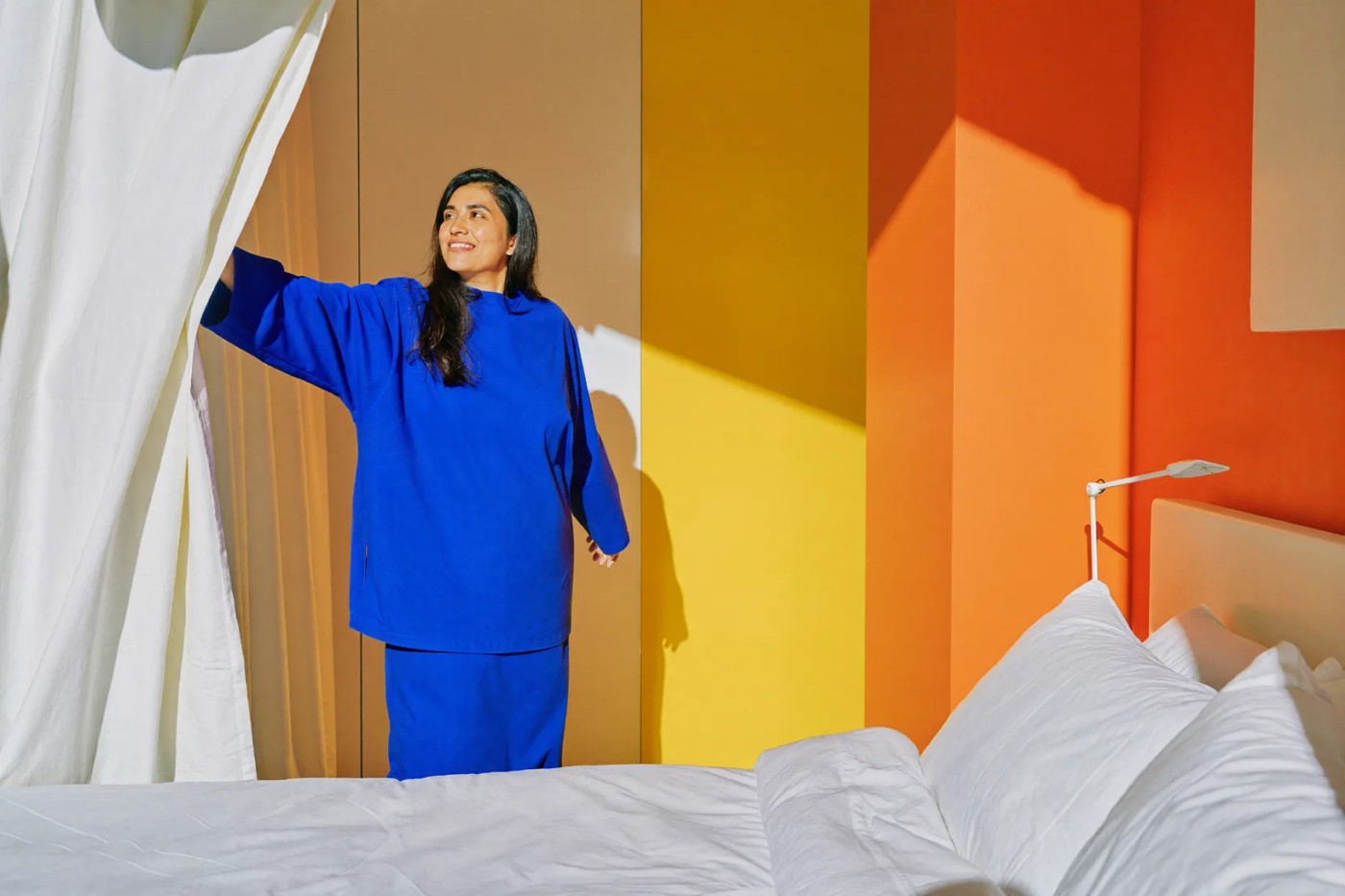
- Open curtains and blinds early to let daylight in as a backup.
- Take breaks outdoors during the day rather than staying in artificial light.
- Pair it with the reverse in the evening: dim your lights and screens as bedtime approaches.
This morning-bright, evening-dim pattern is the core of working with your body clock rather than against it. It also stacks neatly with other goals: a brisk morning walk delivers the light dose and contributes to the movement targets discussed in daily steps evidence, so one habit does double duty. It complements, rather than replaces, the wider evening habits in sleep hygiene evidence.
What about British winters?
The obvious objection in the UK is that for several months of the year, many people commute to work in the dark and come home in the dark. The habit still holds, it just needs adapting. Prioritise whatever daylight the day offers: a walk at lunchtime, even a short one, delivers the brightest light you will see all day in December and is worth protecting in your diary.
If you wake long before sunrise, turning on bright indoor lights on waking is a reasonable stopgap; it is weaker than daylight but better than dimness. Some people use a light box designed for seasonal symptoms, which can deliver several thousand lux at close range. These are low-risk for most, but if winter mood changes are significant, discuss them with your GP first rather than self-treating indefinitely.
Who benefits most from morning light?
People who spend most of their day indoors, who work in dim environments, or who feel their sleep timing has drifted late are likely to gain the most from more daylight. Shift workers and teenagers, whose clocks naturally run late, often see the clearest difference from a deliberate morning light routine. Older adults can benefit too: the ageing eye lets less light through to the clock, so the same morning walk delivers a weaker signal and consistency matters even more.
Those with low mood in the darker months may also notice a benefit. Seasonal affective disorder is a recognised condition with its own NHS guidance, and anyone with persistent low mood should speak to their GP rather than relying on light alone. For most people, though, more time outside in the morning is a free, low-risk change with a good chance of improving how they sleep.