









Here's what we'll cover
The short answer: for most adults a resting heart rate sits somewhere between about 60 and 100 beats per minute, and lower is often a sign of better fitness. A single number matters less than your own pattern over time, and a lasting, unexplained change is the thing worth raising with a GP.
What resting heart rate is
Your resting heart rate is how many times your heart beats per minute when you are calm and at rest, ideally measured before you get up in the morning. It reflects how hard your heart is working to keep blood circulating while you are doing nothing demanding.
The commonly quoted normal range for adults is 60 to 100 beats per minute, the band the British Heart Foundation uses. That is a broad band, and where you sit within it, or a little below, is influenced by fitness, age, medicines, caffeine, stress, temperature and hydration.
Resting heart rate is not the same as blood pressure, and one can be fine while the other is not; they are separate measurements answering different questions. Both are checked in routine reviews such as the NHS Health Check, and if you are already monitoring one at home it costs nothing to note the other; our guide to blood pressure readings covers that side.
Day to day, the number also drifts for mundane reasons. A poor night's sleep, a developing cold, alcohol the evening before, dehydration or a hot room can all nudge your resting heart rate up by several beats for a day or two. That is normal physiology, not a warning sign; it settles as the trigger passes.
The fitness signal
Regular aerobic exercise tends to lower resting heart rate over time. A heart conditioned by training becomes more efficient, pumping more blood with each beat, so it needs fewer beats to do the same job. Many endurance athletes have resting rates well below 60, and for them that is normal and healthy rather than a concern.
So a falling resting heart rate as you get fitter is usually a good sign. This is one of the more satisfying, measurable feedbacks from building the activity described in UK exercise guidelines explained.
When a change warrants a GP visit
The useful signal is change, not the absolute number. Because you have a personal baseline, a sustained shift away from it is more informative than comparing yourself to a textbook range. It is worth speaking to your GP if:
- Your resting heart rate is persistently above 100 beats per minute at rest without an obvious cause.
- It is unusually low for you and you feel dizzy, faint or breathless.
- You notice a lasting, unexplained rise or fall from your normal baseline.
- You have episodes of a racing, pounding or irregular heartbeat, which can point to a rhythm problem worth investigating.
Sudden severe symptoms - chest pain, severe breathlessness, fainting - are not something to monitor at home; they need urgent medical help the same day, via 999 or A&E depending on how unwell the person is.
Does Mounjaro affect resting heart rate?
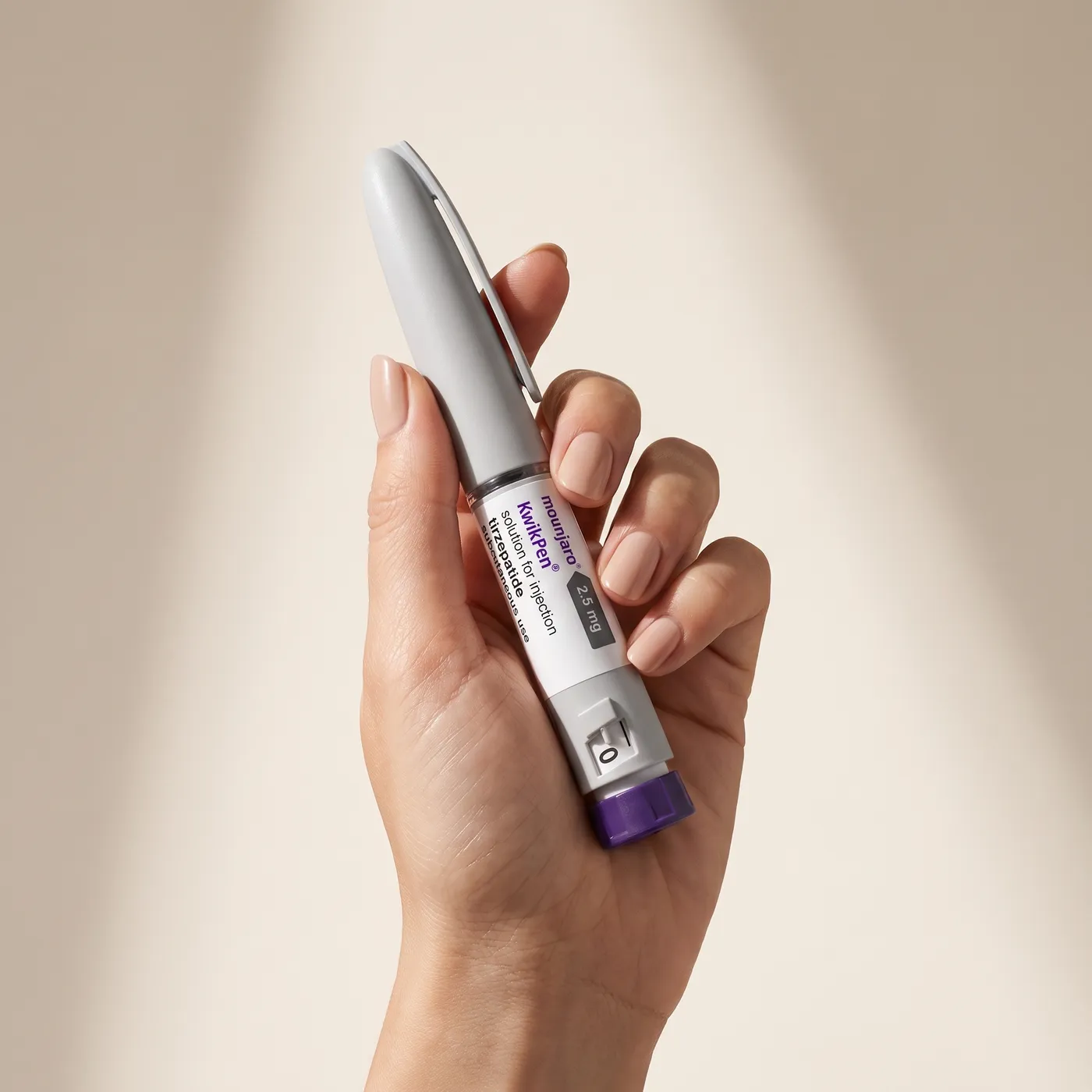
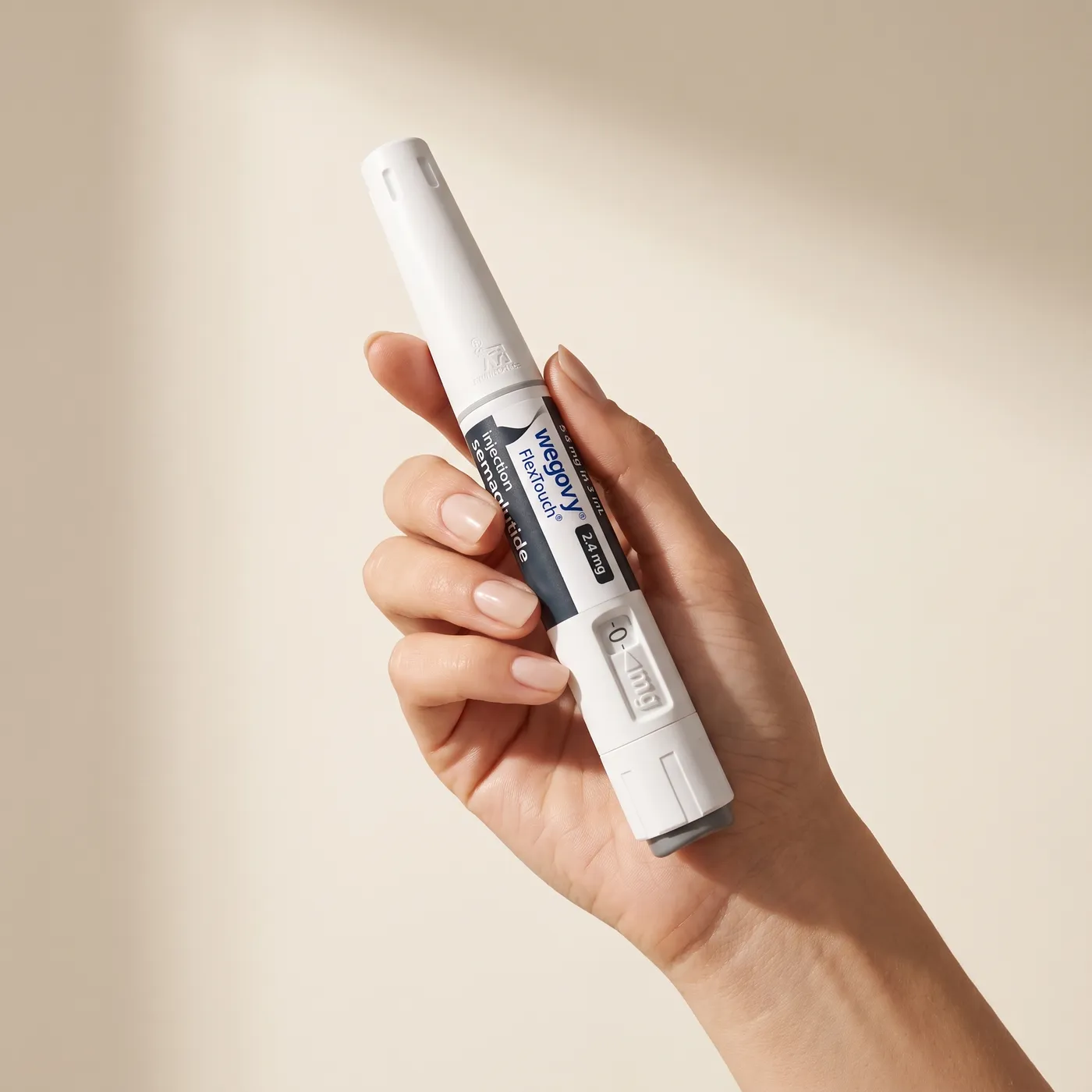
A question that comes up with weight-loss treatment: in clinical trials, tirzepatide (Mounjaro) was associated with a small average rise in resting heart rate, typically a few beats per minute, and GLP-1 medicines such as semaglutide (Wegovy) show a similar pattern. For most people this is not noticeable and not harmful, but it is one of the reasons these medicines are prescribed with clinical oversight rather than bought off a shelf.
If you take one of these treatments and notice a sustained racing heart, palpitations or a clear jump in your baseline, mention it to your prescriber rather than ignoring it. It is also worth remembering the longer arc: weight loss and improved fitness both tend to lower resting heart rate over months, so the net effect of successful treatment can run in the opposite direction to the small early rise.
The wearable caveat
Watches and fitness trackers have made resting heart rate easy to see, and they are genuinely useful for spotting trends over weeks and months. But they are consumer devices, not medical instruments. Optical sensors can be thrown off by movement, cold hands, tattoos or a loose fit, and the resting figure they report depends on how the device defines rest.
Treat wearable data as a rough guide and a prompt, not a diagnosis. A trend that consistently worries you is a reason to see a clinician, who can confirm it properly; a single odd reading on your wrist usually is not. Some devices flag possible irregular rhythms, which can be a helpful nudge to seek consultation, but confirmation needs a proper medical check.
Measuring it yourself
You do not need a device at all to check your resting heart rate. Sitting quietly, find the pulse at your wrist or the side of your neck, count the beats for 30 seconds and double it, or count for a full minute for more accuracy. Do it when you are relaxed rather than straight after activity, caffeine or a stressful moment, since all of those temporarily push the number up.
If you want a meaningful baseline, take the reading first thing in the morning before you get up, on several days, and note the range rather than fixating on one figure. That personal baseline is what makes any future change interpretable: it turns a bare number into something you can actually judge against your own normal.