








Here's what we'll cover
The NHS Health Check is a free appointment offered to adults aged 40 to 74 in England, once every five years, designed to catch rising risk of heart disease, stroke, type 2 diabetes and kidney disease before it causes harm. It is worth attending precisely because the problems it looks for tend to be silent.
What is the NHS Health Check for?
The check exists because the biggest contributors to heart attacks and strokes, raised blood pressure, high cholesterol and rising blood sugar, usually develop without symptoms. By the time you feel unwell, damage may already be underway. The NHS Health Check is a scheduled chance to measure these things while there is still time to change the trajectory.
According to NHS figures, the programme aims to prevent thousands of heart attacks, strokes and new cases of type 2 diabetes each year by picking up risk early, when advice, monitoring or treatment can still alter the outcome.
Who is eligible for an NHS Health Check?
It is offered in England to people aged 40 to 74 who do not already have certain diagnosed conditions, such as existing heart disease, diabetes or kidney disease, because those are already monitored through regular reviews. If you are eligible you should be invited every five years.
Arrangements differ elsewhere in the UK: Scotland, Wales and Northern Ireland run their own prevention programmes, so ask your GP practice what is available where you live. Our guide to UK health screenings by age covers the wider set of checks on offer at each life stage.
Being under 40 does not mean waiting idly. Blood pressure machines in pharmacies, workplace health schemes and knowing your family history all give you an earlier picture of the same risks the formal check measures.
What happens at an NHS Health Check?
The appointment usually takes around 20 to 30 minutes with a nurse, healthcare assistant or pharmacist. It is straightforward and non-invasive. Typically it includes:
- Questions about your lifestyle, family history, alcohol and smoking.
- Height, weight and waist measurement to work out your body mass index; you can get a head start with our BMI calculator.
- A blood pressure reading.
- A blood test for cholesterol, often by finger-prick, and sometimes blood sugar.
- A calculation of your overall cardiovascular risk over the next ten years.
The measurements feed into a risk estimate, and you and the clinician talk through what it means. Cholesterol results are explained in cholesterol explained, your blood pressure reading in blood pressure basics, and blood sugar testing in HbA1c explained.
What do the results mean?
The outcome is not simply a pass or fail. Your results are combined into an estimate of your risk of a heart attack or stroke over the next ten years, using a tool recommended in NICE guidance on cardiovascular risk consultation. The number is a starting point for a conversation, not a verdict.
Depending on what is found, you might get practical advice on activity, diet, alcohol or stopping smoking; a referral to the NHS Diabetes Prevention Programme if your blood sugar is creeping up; ongoing monitoring of blood pressure or cholesterol; or, where risk is high, a conversation about medication such as statins. The point is a plan matched to your actual risk.
It helps to know the rough thresholds in advance. A clinic blood pressure reading of 140/90 or higher is generally considered raised; a ten-year cardiovascular risk of 10 per cent or more usually prompts a discussion about statins; and an HbA1c in the pre-diabetes range flags a real, but reversible, warning.
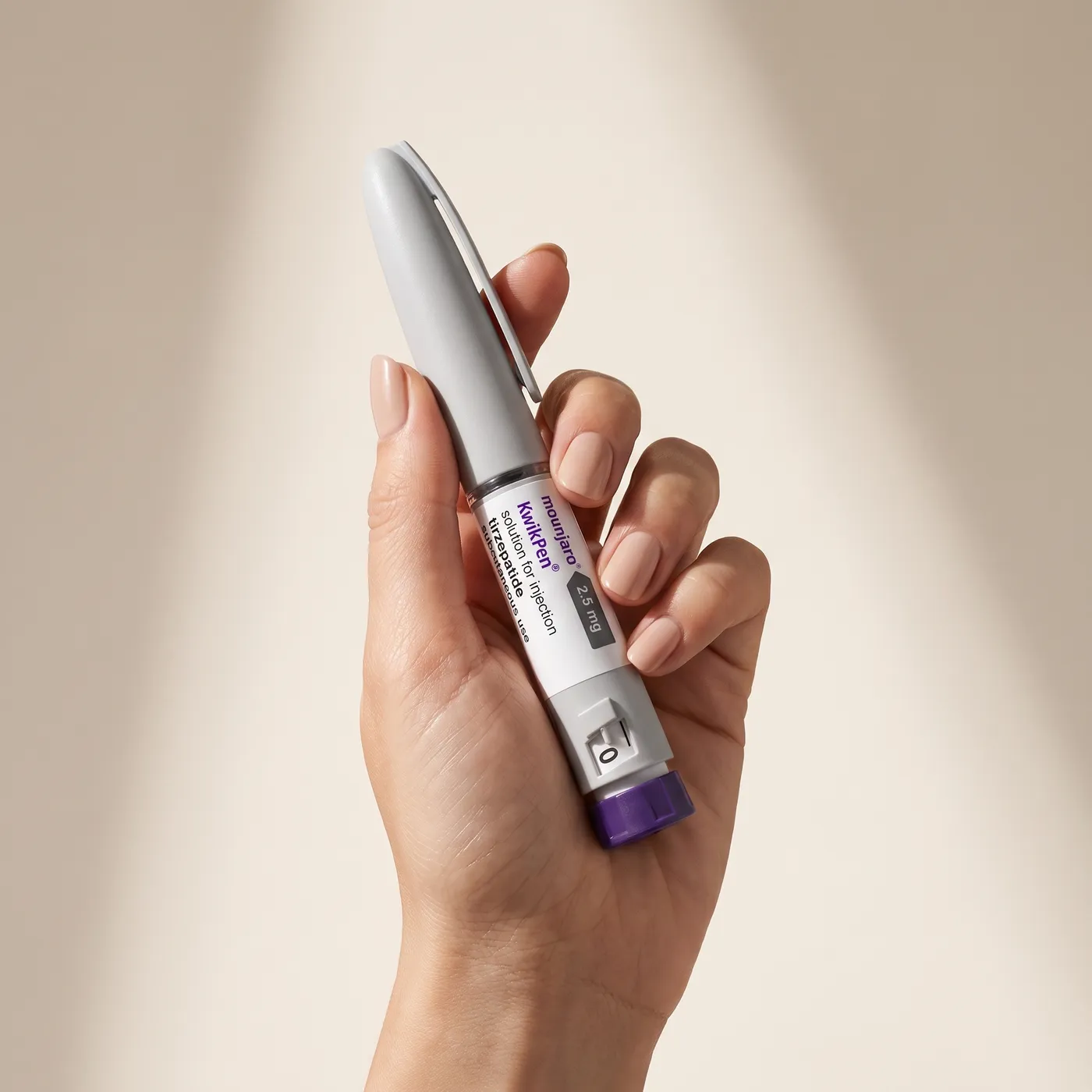
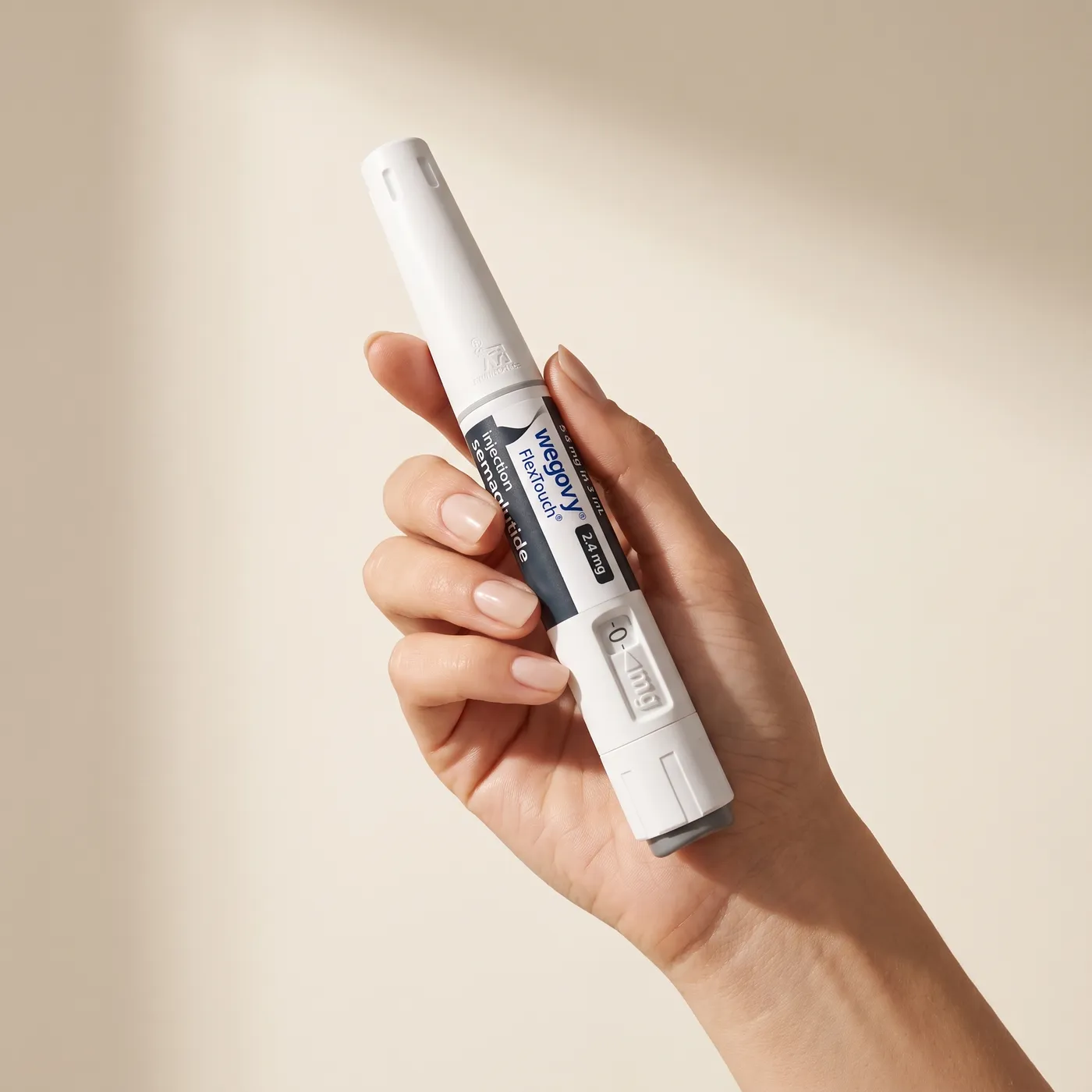
If your weight or waist measurement is flagged, the conversation does not end with 'eat less, move more'. Structured support ranges from local lifestyle services to, for some people, prescription weight-loss treatment, and losing even 5 to 10 per cent of body weight measurably improves blood pressure, blood sugar and cholesterol together.
Why attendance matters
Uptake of the NHS Health Check is far from universal, and the people who most need it are often the least likely to attend. That is a missed opportunity, because the check is most valuable when it finds a rising risk you did not know about: the raised blood pressure with no symptoms, or the blood sugar creeping towards the pre-diabetes range. Catching these early, covered further in type 2 diabetes risk factors, is far easier than managing the consequences later.
How do I book an NHS Health Check?
If you are eligible you should be invited automatically, usually by your GP practice, by letter, text or a prompt in the NHS App. If you are in the 40 to 74 age range and have not been invited in the last five years, you can contact your GP surgery to ask; some local areas also run checks through community pharmacies or outreach services. If you are outside England, ask your GP about the equivalent checks available where you live.
Making the most of the appointment
It helps to treat the appointment as a starting point rather than a one-off verdict. Bringing a few things with you makes it more useful: a rough idea of your family history of heart disease, stroke or diabetes; an honest picture of your drinking, measured against the UK alcohol guidelines; and any questions you have been meaning to ask.
If a change is suggested, agreeing one specific, realistic step, rather than resolving to overhaul everything, tends to be what actually sticks between now and your next check.