



Here's what we'll cover
Alcohol units are the UK's common measure of how much you drink, and the UK Chief Medical Officers advise both men and women to keep to no more than 14 units a week on a regular basis. That is a low-risk guideline, not a safe threshold: no level of drinking is completely free of risk, and the limit simply keeps that risk low.
What is an alcohol unit?
A unit is a fixed measure: 10ml, or 8g, of pure alcohol, which is roughly the amount an average adult can process in an hour. It was designed so that different drinks can be compared on a common scale, because strength and serving size vary enormously. The catch is that very few real drinks are exactly one unit, so people routinely underestimate how much they are drinking.
You can work out the units in any drink by multiplying its strength (ABV) by the volume in millilitres and dividing by 1,000. The NHS guide to calculating alcohol units has worked examples for most common drinks. Most bottles and cans sold in the UK also state the number of units on the label, which saves the arithmetic.
How many alcohol units are in a drink?
- A pint of higher-strength lager or beer (5.2%) is around three units; average-strength (4%) is just over two.
- A large 250ml glass of 13% wine is around three units; a standard 175ml glass is just over two.
- A single 25ml measure of 40% spirits is one unit; a double is two.
- A bottle of wine at 13% is around ten units.
So 14 units is not 14 drinks. It is roughly six pints of average-strength beer, or around a bottle and a half of wine, spread across a week.
Why spreading your units matters
The Chief Medical Officers' guidance is not only about the weekly total but how it is distributed. Concentrating 14 units into one or two heavy sessions carries different, and greater, risks than the same amount spread out, including the immediate harms of intoxication and a sharper impact on the liver and heart. The advice is to spread drinking over three or more days and to have several drink-free days a week.
What are the risks of drinking above the guideline?
Regularly drinking above 14 units a week raises the long-term risk of several cancers, liver disease, high blood pressure and stroke, alongside the more familiar short-term harms. Alcohol is linked to raised blood pressure, so cutting down is one of the lifestyle levers for lowering it. The relationship is dose-dependent: the more you drink, and the more often, the higher the risk climbs.
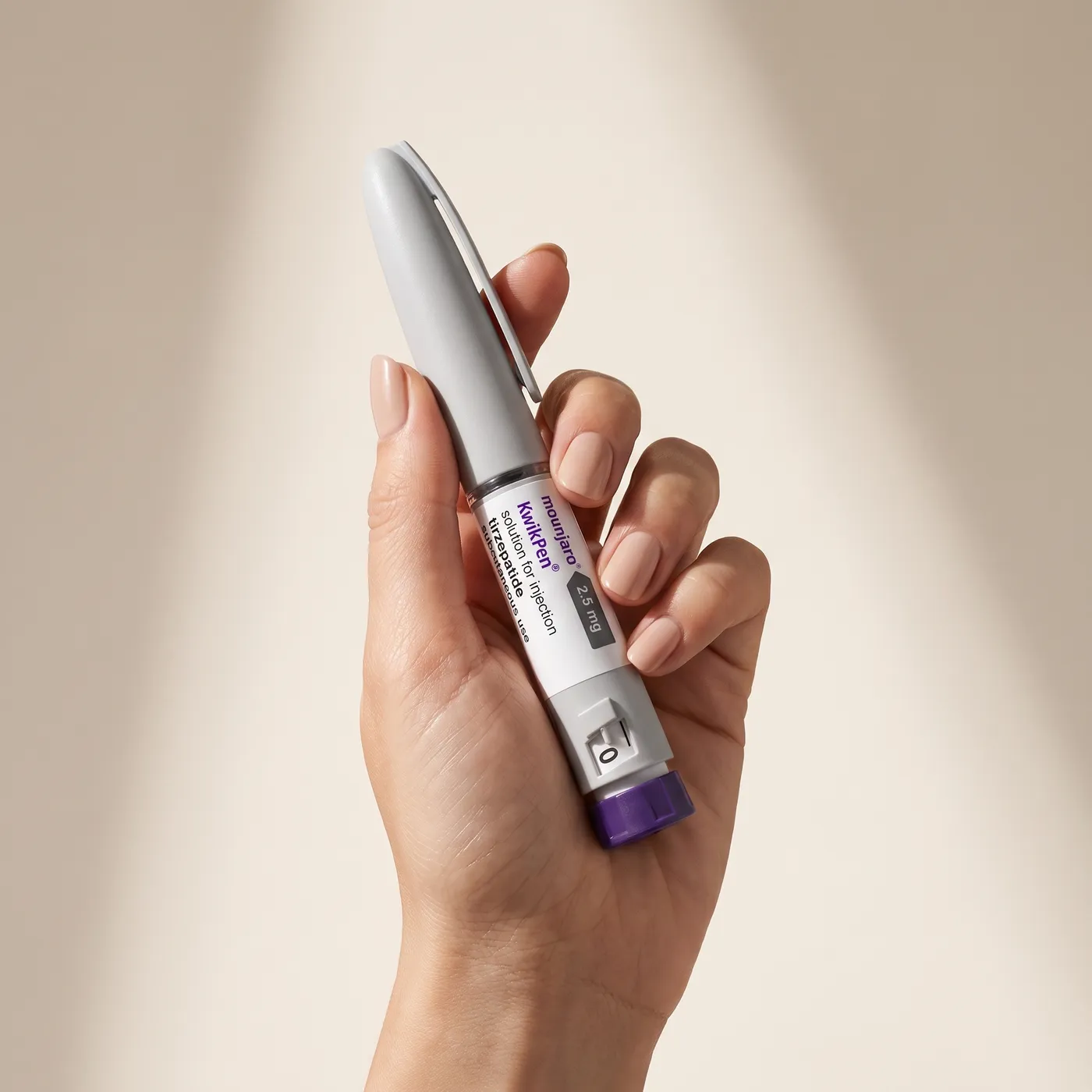
Alcohol also interacts with other areas of health. It can affect erectile function, covered in alcohol and erections, and if you are on GLP-1 weight-loss treatment there are extra practical considerations, covered in GLP-1s and alcohol. During pregnancy, the guidance is simpler still: the safest approach is not to drink at all.
Alcohol units and calories
Units also matter for weight, because alcohol is calorie-dense: around seven calories per gram, second only to fat. A pint of average-strength lager carries roughly 180 to 220 calories, and a large glass of wine around 190, before any mixers. Someone drinking at the top of the guideline can easily take in over 1,000 calories a week from alcohol alone.
Those calories are also easy to overlook because drinks do not trigger fullness the way food does. If you are trying to lose weight, or maintain a loss, trimming alcohol is often one of the simplest places to find a meaningful calorie saving without changing what you eat.
Does alcohol help you sleep?
One widely believed myth is worth correcting: a nightcap does not improve sleep. Alcohol can make you fall asleep faster, but it fragments sleep in the second half of the night, suppresses the restorative deep and dream stages, and often leads to earlier waking. The result is lighter, less refreshing sleep, which is why heavy evening drinking leaves you tired despite the hours in bed. We cover the wider picture in sleep hygiene evidence.
How to cut down
If you want to drink less, small practical steps help: setting drink-free days, choosing lower-strength options, alternating alcoholic drinks with water, and measuring what you pour at home, where measures are usually generous. The NHS tips on cutting down collect these into a practical plan.
If you find it hard to cut down, or you drink to cope, that is worth discussing with your GP without embarrassment; support is available and effective. Anyone who is physically dependent on alcohol should not stop abruptly without medical advice, as withdrawal can be dangerous.
How many units do you actually drink?
Most people underestimate their intake, and not by a little. Home pours are typically larger than pub measures, rounds encourage keeping pace with others, and a relaxed evening is easy to lose track of. Because a single large glass of wine can be three units, a couple of generous glasses most evenings quietly adds up to well over 14 units a week without ever feeling like heavy drinking.
Keeping an honest tally for a week or two is often revealing. Drink-tracking apps, or simply noting what you have each day, turn a vague sense of moderate into a real figure you can compare against the guideline. If the number surprises you, that is useful information rather than a judgement, and it makes any change you decide on far easier to aim at.