


Here's what we'll cover
Mounjaro and alcohol can mix more safely than many people fear: there is no known dangerous interaction between moderate drinking and GLP-1 medicines such as Mounjaro (tirzepatide) or Wegovy (semaglutide). The real issues are practical. Alcohol can worsen nausea, affect blood sugar and add calories that work against weight loss, so moderation and timing matter.
Can you drink alcohol on Mounjaro?
Yes, in moderation. The Mounjaro Summary of Product Characteristics does not list alcohol as a contraindication, and a glass of wine with dinner will not cause a dangerous reaction. That does not make heavy drinking a good idea; it means the caution is about how alcohol interacts with digestion, blood sugar and your goals rather than a direct clash with the medicine.
GLP-1 treatment is also prescribed alongside diet and lifestyle changes, not instead of them. If your drinking is frequent or heavy, raise it with your prescriber before starting treatment, both for safety and because regular alcohol can hold back the results you are hoping for.
Is Mounjaro a GLP-1?
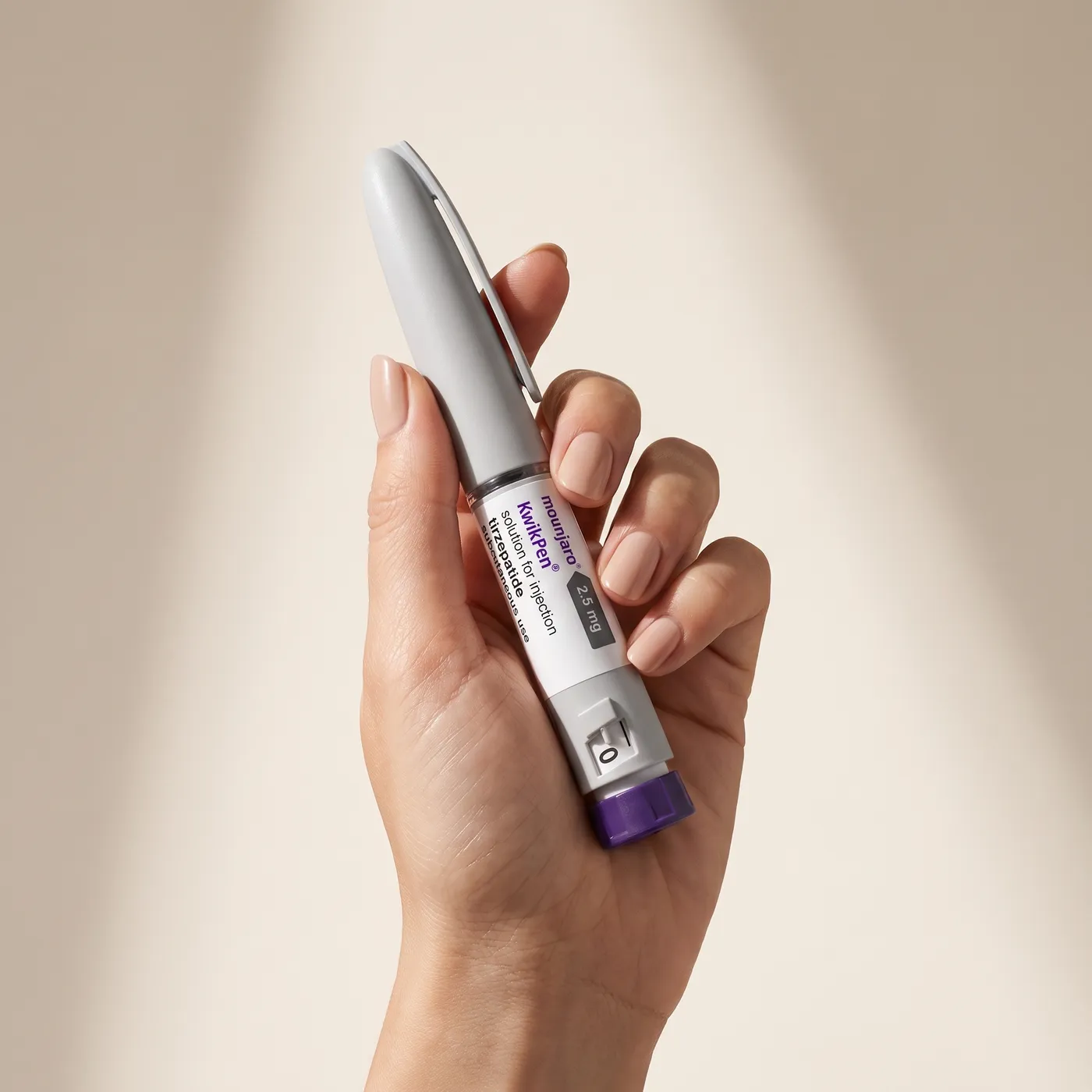
Yes. Mounjaro is the brand name for tirzepatide, which activates the GLP-1 receptor along with a second gut-hormone receptor called GIP. Like other GLP-1 medicines, it slows stomach emptying, reduces appetite and helps regulate blood sugar, which is exactly why alcohol can behave differently while you are taking it. Our guide to how Mounjaro works explains the mechanism in more detail.
Alcohol can make side effects worse
Alcohol irritates the stomach lining and can loosen the gut. On a treatment that already slows digestion and can cause nausea, drinking can make queasiness, reflux and sickness noticeably worse, especially on an emptier stomach. Many people find they tolerate alcohol less well than before, particularly during the first 12 weeks of treatment and around dose increases, when digestive side effects peak.
Food slows how quickly alcohol reaches the bloodstream. When your portions are smaller, or you have skipped a meal because you are simply not hungry, the same drink hits harder and faster. Treat your old tolerance as unreliable until you know how your body responds.
Alcohol and blood sugar
Alcohol affects how the liver releases glucose and can contribute to low blood sugar, sometimes several hours after drinking. GLP-1 medicines on their own rarely cause hypoglycaemia, but the risk rises if you also take insulin or a sulfonylurea for diabetes. If that applies to you, ask your prescriber for specific advice, avoid drinking on an empty stomach, and read our explainer on blood sugar basics for the wider picture.
Alcohol, calories and weight loss
Alcohol is calorie-dense at around 7 kcal per gram, almost as energy-rich as fat, and those calories carry very little nutrition. The NHS estimates a standard glass of wine at around 130 calories and a pint of lager at over 200. Drinking can also loosen resolve around food, which is worth planning for if you are eating out on GLP-1 treatment. None of this makes an occasional drink a problem, but it is worth being honest about where alcohol fits in your plan.
Does alcohol stop Mounjaro working?
No. Alcohol does not deactivate the medicine or stop the injection being absorbed, and you do not need to skip a dose because you have had a drink. The effect is indirect: regular drinking adds calories, disturbs sleep and can nudge food choices in the wrong direction, all of which blunt the results treatment is helping you work towards.
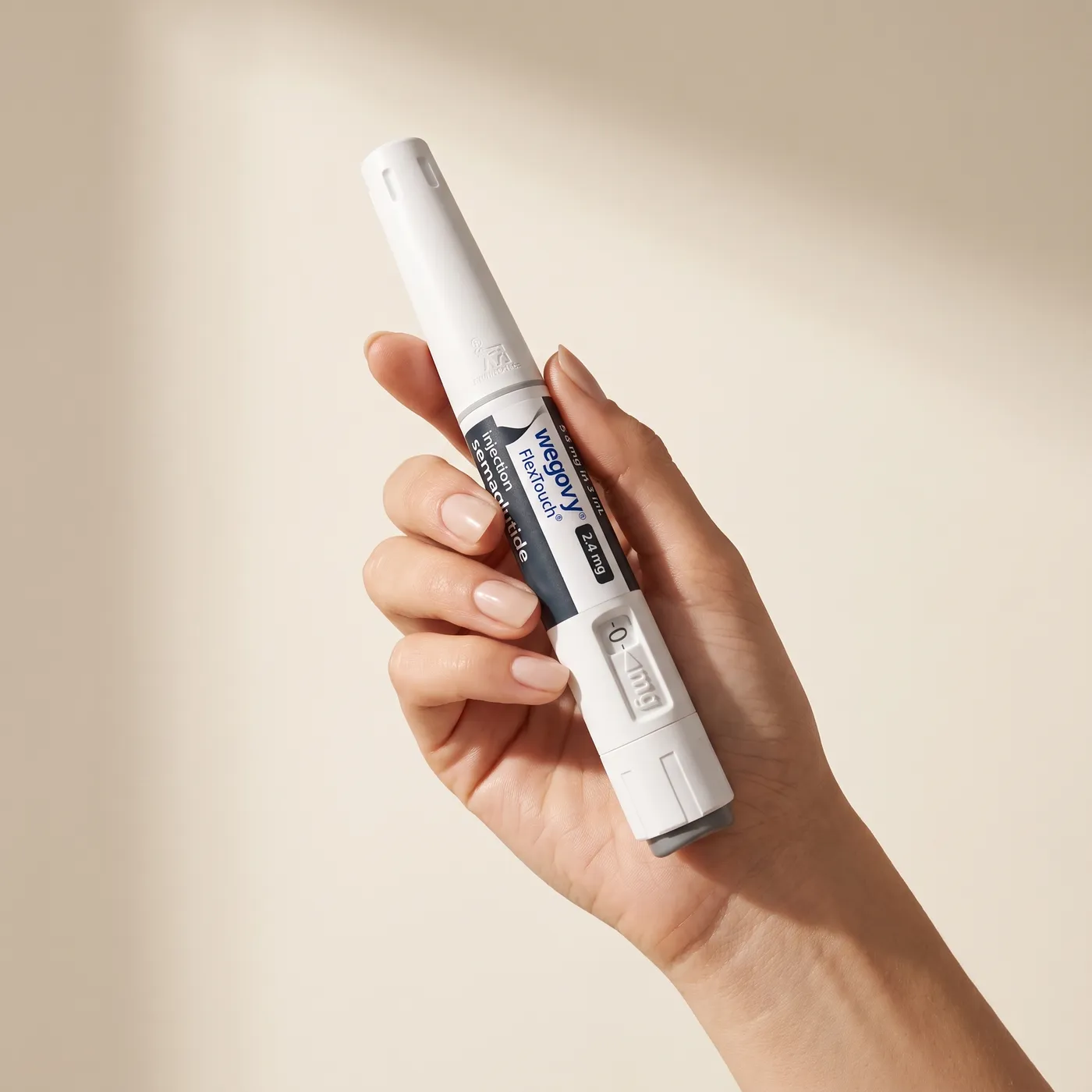
There is also no need to time drinks around your injection day. Tirzepatide and semaglutide are long-acting medicines that stay at a steady level in the body across the week, so a drink on injection day is no different from a drink on any other day. What matters is the overall pattern of your drinking, not the day you choose.
Does Mounjaro make you want to drink less?
Interestingly, some people report wanting to drink less on GLP-1 treatment, and researchers are actively studying whether these medicines dampen the reward response to alcohol. It is not a licensed effect and should not be relied on, but if you notice your desire for alcohol has dropped, that is a recognised experience rather than your imagination.
When to be extra careful
A few situations deserve more caution than usual. Heavy drinking is a known risk factor for pancreatitis, and GLP-1 product information already carries warnings about pancreatitis, so the combination is unwise. Take extra care too if you are vomiting or have diarrhoea, when alcohol worsens dehydration, and if you take insulin or other blood-sugar-lowering medicines. If any of these apply, speak to your prescriber before drinking. Severe, persistent stomach pain after drinking, particularly pain that radiates through to the back, needs urgent medical consultation whether or not you are on treatment.
A sensible approach to drinking on GLP-1 treatment
If you choose to drink, a few habits keep it low-risk:
- Stay within the UK Chief Medical Officers' guideline of no more than 14 units a week, spread over three or more days
- Avoid drinking on an empty stomach, even if your appetite is small
- Alternate alcoholic drinks with water to stay hydrated
- Pay attention to how you respond early in treatment and around each dose increase
For a fuller picture of what 14 units actually looks like across drinks, see our explainer on UK alcohol guidelines. And if you have any concerns, especially around diabetes medicines or a history of pancreatitis, ask your prescriber before you drink rather than after.