







Here's what we'll cover
Erectile dysfunction treatment in the UK usually starts with lifestyle changes and a PDE5 inhibitor tablet such as sildenafil or tadalafil, with vacuum devices, injections and talking therapies available where tablets are unsuitable or do not help. Most men who seek help find an option that works, and the right choice depends on the cause.
This guide compares the main erectile dysfunction treatment options honestly, explains how clinicians decide between them, and covers why it is worth seeing someone rather than struggling on alone. The short version: the menu is broader than tablets, and erectile difficulties can occasionally be a signal of another health issue worth addressing in its own right.
What is erectile dysfunction?
Erectile dysfunction (ED) is difficulty getting or keeping an erection firm enough for sex. Occasional erection problems are normal and usually nothing to worry about; the NHS advises seeing a GP or pharmacist when difficulties keep happening. ED becomes more common with age, but it is not an inevitable part of getting older to be silently accepted, and in the great majority of cases it is treatable.
What causes erectile dysfunction?
Erections depend on good blood flow, healthy nerves, hormones and psychological factors all working together, so the causes vary. Physical contributors include cardiovascular issues, diabetes, high blood pressure, hormonal changes and the side effects of some medicines. Psychological factors such as stress, anxiety and relationship difficulties are also common, and often the two overlap. We unpack the full picture in our guide to the causes of erectile dysfunction.
Because ED can be linked to heart and circulatory health, it can be an early warning sign. The British Heart Foundation notes that erectile difficulties and heart disease share the same underlying vascular processes, which is one reason a proper consultation matters rather than simply masking the symptom.
Lifestyle changes: the foundation of treatment
This is the least glamorous option and one of the most effective, particularly where circulation is involved. Stopping smoking, reducing alcohol, losing excess weight and managing conditions like high blood pressure and diabetes all support better blood flow. Regular activity matters too; our guide to exercise and erectile function covers what the evidence supports.
These changes take time, but they treat underlying causes rather than just the symptom, and they benefit overall health at the same time. For some men they are enough on their own; for others they make medical treatments work better. Sleep and stress matter too, since both affect hormones and arousal, so a broad look at daily habits is often more useful than focusing on any single fix.
Tablets: the usual first medical treatment
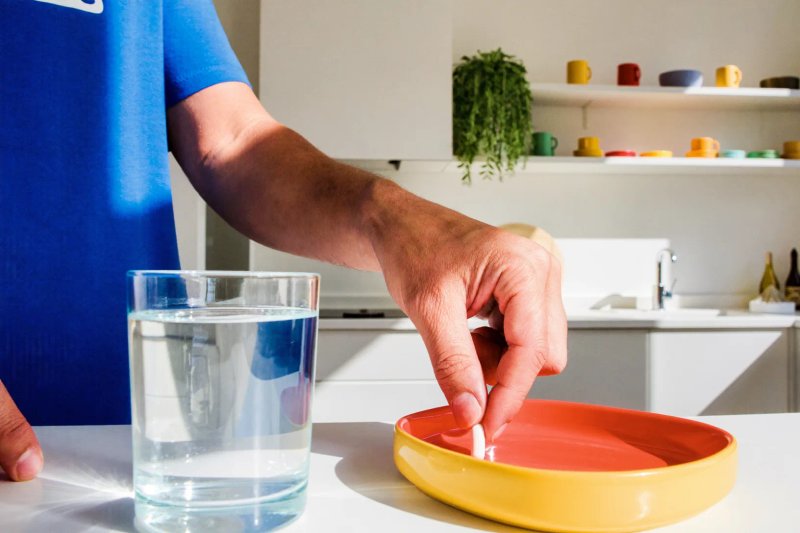
The best-known erectile dysfunction medication is a group of tablets called PDE5 inhibitors, which include sildenafil and tadalafil. They work by improving blood flow to the penis in response to arousal, so they help the natural process rather than forcing an erection. NICE guidance recommends a PDE5 inhibitor as the first-line drug treatment for most men with ED, whatever the suspected cause.
Sildenafil acts over a few hours and is taken as needed, while tadalafil lasts considerably longer and can be taken either as needed or as a regular low dose; we compare the two directly in sildenafil versus tadalafil. Neither works without sexual stimulation, and neither raises desire. They are prescription-only medicines that are not suitable for everyone, particularly for men with certain heart conditions or those taking nitrate medicines for angina, where the combination can cause a dangerous drop in blood pressure.
This is why tablets should follow a clinical consultation rather than be bought from unregulated sources, where products may be counterfeit and the safety checks are missing. Our guide to buying ED treatment safely online explains how to check that a pharmacy is genuinely regulated.
Devices, injections and other options
Where tablets are unsuitable or do not help, other options exist. Vacuum erection devices draw blood into the penis mechanically and can work well for some men, particularly those who cannot take PDE5 inhibitors. There are also injectable and other prescribed treatments used under specialist guidance, and, in specific cases, surgical options such as implants. These are less commonly needed as first steps, but they mean that even when the usual treatments are not right, there is usually still a path forward.
Talking therapies
When stress, anxiety, low mood or relationship factors are involved, psychological support can be genuinely effective, either on its own or alongside medical treatment. Performance anxiety in particular can create a self-reinforcing cycle, and therapy or counselling can help break it. Addressing the psychological side is not a sign that the problem is imagined; it reflects that erections involve the mind as well as the body.
Can erectile dysfunction be cured?
It depends on the cause. Where ED relates to lifestyle factors or a treatable condition, addressing that can resolve it fully. In other cases it is managed effectively with ongoing treatment rather than cured outright. The options are not mutually exclusive either: many men do best with a combination, such as a tablet to help in the short term while lifestyle changes address the underlying cause, or medical treatment alongside support for anxiety.
A few misunderstandings put men off seeking help. Erectile dysfunction is not simply about arousal or attraction, since physical causes are frequently involved. Tablets do not create desire or work automatically: they support the body's natural response and still need arousal. And it is not something to feel embarrassed about with a clinician, who will have had the conversation many times and can focus on solutions. Treating erectile dysfunction is often less about finding the single right answer and more about layering a few measures that each contribute, then reviewing progress after a few months.
How clinicians choose an erectile dysfunction treatment
There is no single best treatment; the right one depends on the likely cause, your general health, other medicines you take and your preferences. A clinician will usually take a history, may check things like blood pressure, blood sugar and hormones, and then discuss the options with you. For many men, that means starting with lifestyle measures and a PDE5 inhibitor if appropriate, and reviewing from there.
Part of the reason a consultation matters is safety: PDE5 inhibitors interact with certain heart medicines and are not right for everyone, so a proper check protects you as well as pointing you to what is likely to work. The important message is that erectile dysfunction is common, it is treatable, and speaking to a professional is the quickest route to the option that works for you.