




Here's what we'll cover
Exercise for erectile dysfunction genuinely works, and the evidence for it is better than for most things people try. Aerobic activity improves the health of blood vessels, which is the foundation an erection is built on. Pelvic floor exercises add a smaller, more specific benefit for some men. Neither is instant, but both are worth doing.
Why exercise helps the plumbing
An erection depends on the arteries of the penis relaxing and filling with blood, and that depends on a healthy endothelium, the lining of the blood vessels, producing nitric oxide on demand. Aerobic exercise improves endothelial function, lowers blood pressure, improves cholesterol and helps manage weight and blood sugar. Every one of those feeds directly into better blood flow. In effect, the same activity that protects your heart protects your erections, because they run on the same vascular system.
Does exercise improve erectile dysfunction? The evidence
Reviews of trials have found that regular aerobic exercise produces meaningful improvements in erectile function, particularly in men who were relatively inactive to begin with and in those whose ED has a vascular basis. A systematic review of intervention studies concluded that 40 minutes of moderate-to-vigorous aerobic exercise four times a week, sustained for six months, can improve erectile function in men whose ED is linked to inactivity, obesity, high blood pressure or cardiovascular disease. The effect is real enough that exercise is recommended as part of first-line management, not just as general advice.
This overlaps heavily with cardiovascular health, and for good reason: erectile dysfunction can be an early warning sign of heart and circulation problems, because the small penile arteries show trouble first. That link, and what to do about it, is covered in ED and heart health.
How much exercise, and what kind
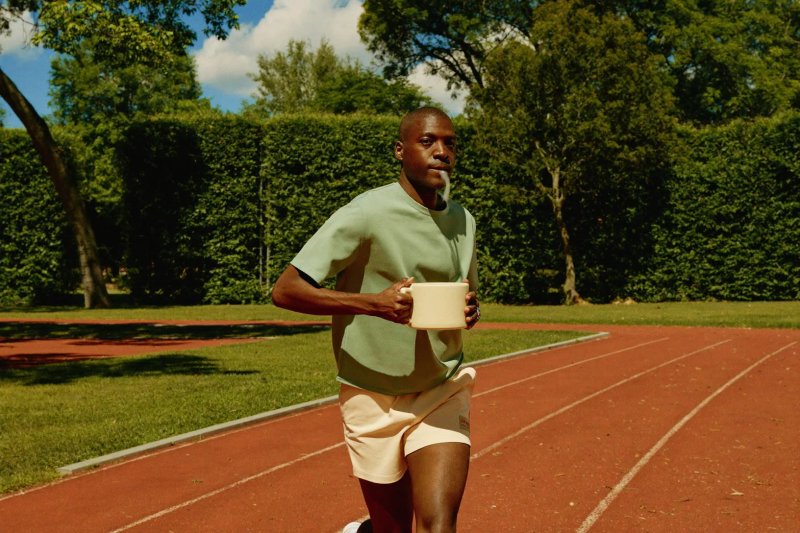
The activity with the best evidence is moderate-to-vigorous aerobic exercise, such as brisk walking, cycling, swimming or running, of the sort the UK physical activity guidelines already recommend: around 150 minutes of moderate activity a week, or 75 minutes of vigorous activity, plus some strength work. You do not need to become an athlete. The men who gain the most are usually those going from little activity to some, so the first steps matter more than the last.
Does strength training help too?
Resistance work has less direct evidence for erectile function than aerobic exercise, but it earns its place in the plan. Muscle mass supports healthy testosterone levels and insulin sensitivity, both of which feed into desire and vascular health, and the UK guidelines recommend strengthening activities on at least two days a week alongside aerobic activity. The practical reading of the evidence is simple: make aerobic exercise the core of the effort, and treat strength work as a worthwhile supporting act rather than a replacement for it.
Pelvic floor exercises
The pelvic floor muscles help maintain an erection by supporting blood trapping, and strengthening them helps some men, particularly with keeping an erection rather than getting one. The evidence is real but modest, and it takes consistent practice over a few months. It is a reasonable add-on rather than a standalone answer.
We cover how to do them properly, and honest expectations, in pelvic floor exercises for ED.
The confidence and mood dividend
Exercise does not only work on the arteries. Regular activity improves mood, reduces anxiety and helps sleep, all of which feed into arousal and desire. For men whose difficulties have a psychological element, that side of the benefit can matter as much as the vascular one; feeling fitter and less stressed changes how you approach sex, not just how your blood vessels respond. Where worry itself has become the main obstacle, our guide to performance anxiety and ED covers how that loop forms and how to break it.
Fitting it in
The best exercise for erectile dysfunction is the one you will actually keep doing. Consistency beats intensity, and building activity into daily life, walking or cycling instead of driving, taking stairs, a regular sport you enjoy, tends to outlast ambitious gym plans. If you have a heart condition or have been very inactive, check with your GP before starting anything vigorous, but for most men the message is simply: move more, regularly, and give it a few months.
If you want a concrete starting point, aim for a brisk 30-to-40-minute walk on four days this week, at a pace where conversation is possible but singing would not be. Build from there towards the trial-supported dose, swapping walks for cycling or swimming as fitness allows. Tracking sessions rather than results in the first months keeps motivation attached to the thing you control.
Exercise also pairs naturally with the other lifestyle levers. Moderating alcohol removes an acute suppressant of erections, stopping smoking protects the same small vessels that activity is strengthening, and better sleep supports both testosterone and desire. Each change is modest alone; together they compound. The detail on drink is in alcohol and erections.
When exercise alone is not enough
A note of realism to close: exercise is a genuine help, not a substitute for treatment when a medical cause needs it. If erectile difficulties persist despite becoming more active, that is a reason to see a GP or prescriber rather than simply to train harder, both to check for underlying causes and to discuss treatment options. Exercise and medical treatment are allies, and for many men the sensible plan uses both while the fitness benefits accumulate.