








Here's what we'll cover
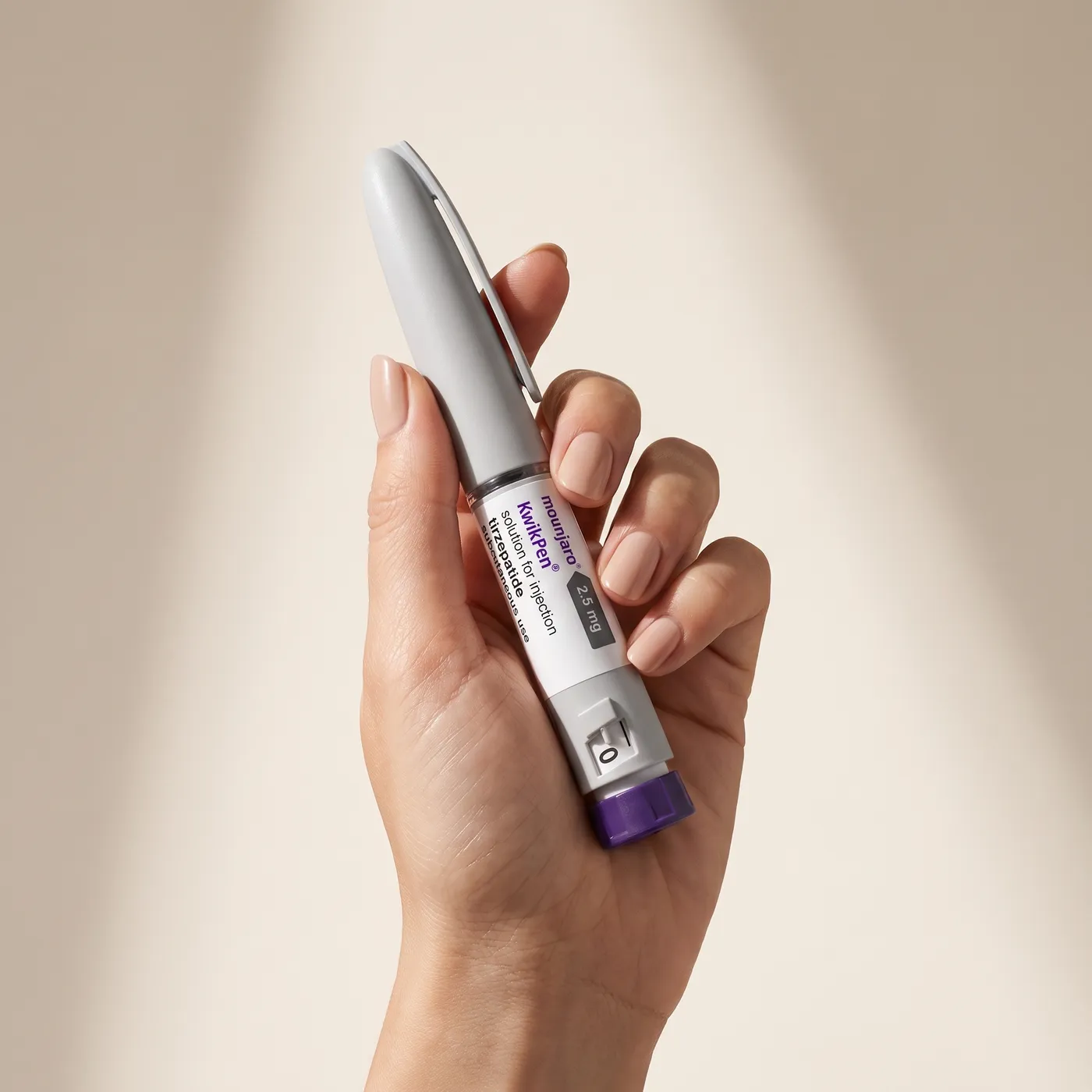
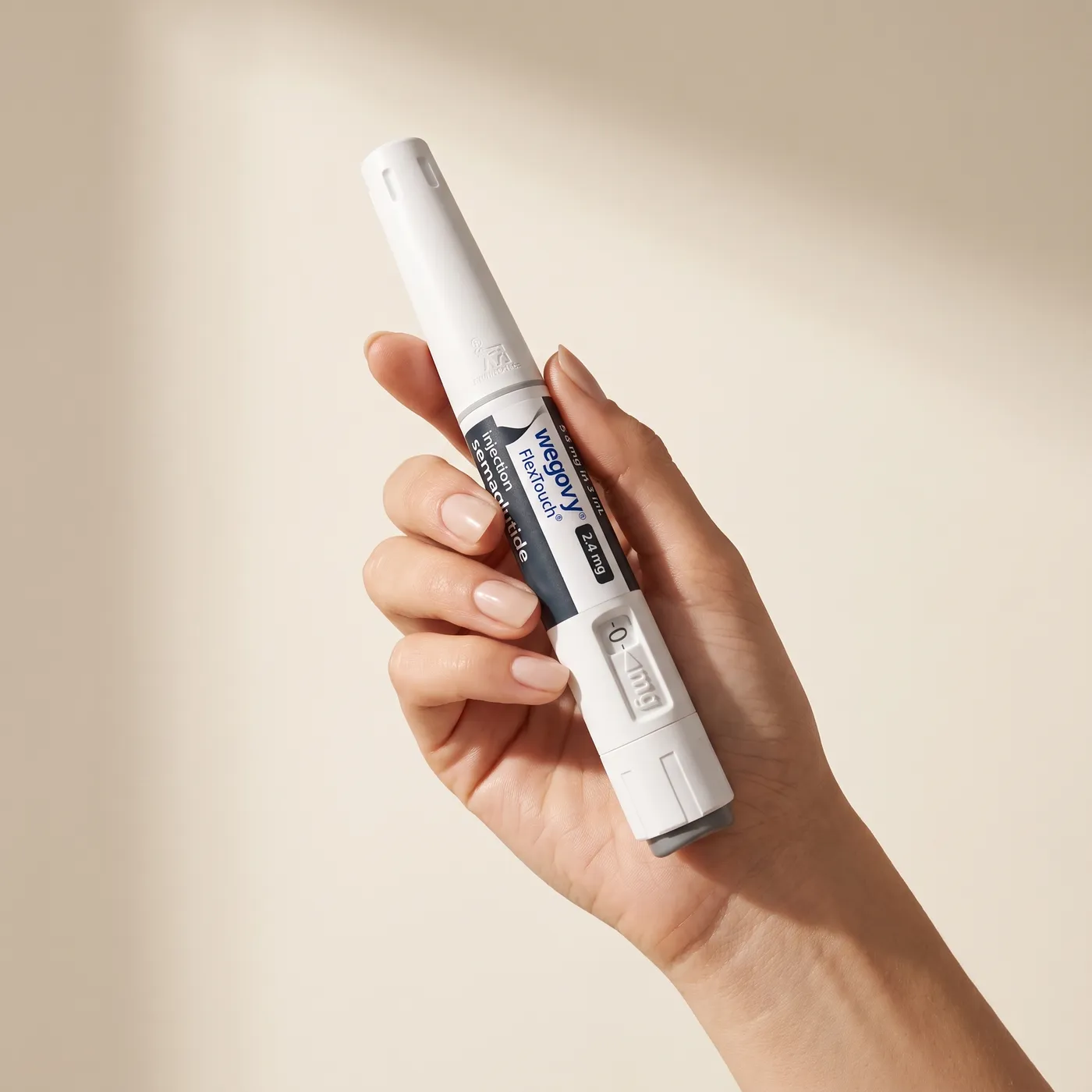
It is one of the most searched questions about semaglutide, and one of the most important: does Wegovy, in pill or injection form, interfere with contraception? The question matters twice over, because semaglutide should not be used during pregnancy, so contraception failing on treatment is not a minor inconvenience. The honest answer has three parts: a possible effect on absorption, a practical effect from side effects, and an indirect effect from weight loss itself that surprises many people.
The absorption question
Semaglutide slows how quickly the stomach empties. Any medicine swallowed while stomach emptying is delayed may be absorbed differently, and the contraceptive pill is a swallowed medicine whose reliability depends on consistent absorption. Formal studies of semaglutide alongside oral contraceptives have not shown a reduction in contraceptive hormone levels large enough to be judged clinically meaningful, which is reassuring. But related medicines in the same family carry specific advice about contraception, and individual circumstances vary, so this is a conversation worth having explicitly with your prescriber rather than settling from general reading.
The side-effect question is the practical one
The more concrete risk is simpler: semaglutide's common side effects include nausea, vomiting and diarrhoea, especially in the early weeks and after dose increases. Standard contraceptive advice, independent of semaglutide, is that vomiting within a few hours of taking the pill, or persistent severe diarrhoea, can stop it being absorbed, and extra precautions are needed as the packet instructions describe. On a medicine that makes those symptoms more likely for a while, the odds of hitting that situation rise. This is not a reason to avoid treatment; it is a reason to know the missed-pill rules for your specific contraceptive and to use added precautions during any bout of sickness.
The effect nobody expects: fertility can return
There is a third pathway that has produced genuine surprises. Carrying significant excess weight can suppress ovulation, particularly in conditions such as polycystic ovary syndrome, and some people have effectively relied on that as contraception without realising it. Losing weight on treatment can restore regular ovulation, sometimes quite quickly, and reports of unexpected pregnancies on GLP-1 medicines are thought to owe more to returning fertility, plus the occasional missed or poorly absorbed contraceptive pill, than to any direct drug interaction. If pregnancy would be unwelcome news, treat starting semaglutide as the moment to make contraception deliberate rather than assumed.
Sensible options in practice
None of this requires drama, just a decision made with your clinician. Options include continuing your oral contraceptive with awareness of the sickness rules and extra precautions when symptoms strike; timing matters too if you take the Wegovy pill, since the empty-stomach window affects when other morning tablets are taken. Alternatively, methods that do not depend on daily swallowing and absorption, such as the implant, injection, hormonal coil or copper coil, sidestep the whole question, which is why clinicians often suggest them for people expecting a bumpy digestive start. Condoms as an added precaution during the early months is a low-effort belt and braces. The right answer depends on your health, preferences and plans, which is a contraception consultation, not a paragraph.
The bottom line
Wegovy does not straightforwardly stop the pill working, and studies have not shown a clinically meaningful interaction. But vomiting and diarrhoea can defeat any oral contraceptive, weight loss can quietly restore fertility, and pregnancy on semaglutide must be avoided. Put together, that argues for taking contraception seriously at the start of treatment: know your missed-pill rules, consider a method that does not rely on absorption, and raise the question at your consultation so the plan is explicit. It is a five-minute conversation that prevents a serious surprise.
A note on the Wegovy pill specifically
If you take the tablet form rather than the injection, there is one extra wrinkle worth planning around: the tablet must be taken on an empty stomach with a small sip of water, followed by a wait of at least 30 minutes before anything else is swallowed, including other medicines. That means your contraceptive pill cannot be taken in the same mouthful. The simplest pattern is to take the Wegovy pill on waking, let the waiting window pass while you get ready, and then take your contraceptive with breakfast at a consistent time. What matters for combined and progestogen-only pills alike is consistency, so pick a sequence you can repeat every day rather than improvising. If your contraceptive is one of the more time-sensitive progestogen-only pills, mention the morning sequencing to your pharmacist so the plan is checked rather than assumed.
It is also worth saying what this article is not claiming. It is not saying that semaglutide inactivates contraceptive hormones, and it is not saying that everyone on treatment needs to change method. Plenty of people continue their usual pill throughout treatment without incident. The point is narrower and more practical: the early months of treatment are the period when vomiting and diarrhoea are most likely, when routines are still bedding in, and when weight loss may begin changing ovulation in people where it had been suppressed. Those months deserve a little extra care, whether that is stricter attention to the missed-pill rules, condoms as a backup, or a switch to a method that does not depend on daily absorption at all.
Finally, if pregnancy is something you are actively planning rather than avoiding, the conversation flips but becomes no less important. Semaglutide should be stopped in advance of trying to conceive, and your clinician can advise on timing and on managing weight in the run-up to pregnancy by other means. Either way, planned or avoided, the theme is the same: on this treatment, decisions about fertility and contraception should be deliberate, made early, and made with your clinical team rather than discovered by accident.