




Here's what we'll cover
The Wegovy pill is a once-daily oral tablet form of semaglutide, the same active ingredient as the weekly Wegovy injection, licensed in the UK for weight management in adults who meet clinical criteria. It works by reducing appetite, and it must be taken on an empty stomach to be absorbed properly. This guide explains how the Wegovy pill works, who it is for, how it is taken, and the practical points to weigh up before an informed conversation with a clinician.
This is a hub guide. Where a topic deserves more detail, such as side effects, how it compares to the injection, or how to take it correctly, it links to a dedicated article so you can go as deep as you need.
What is the Wegovy pill?
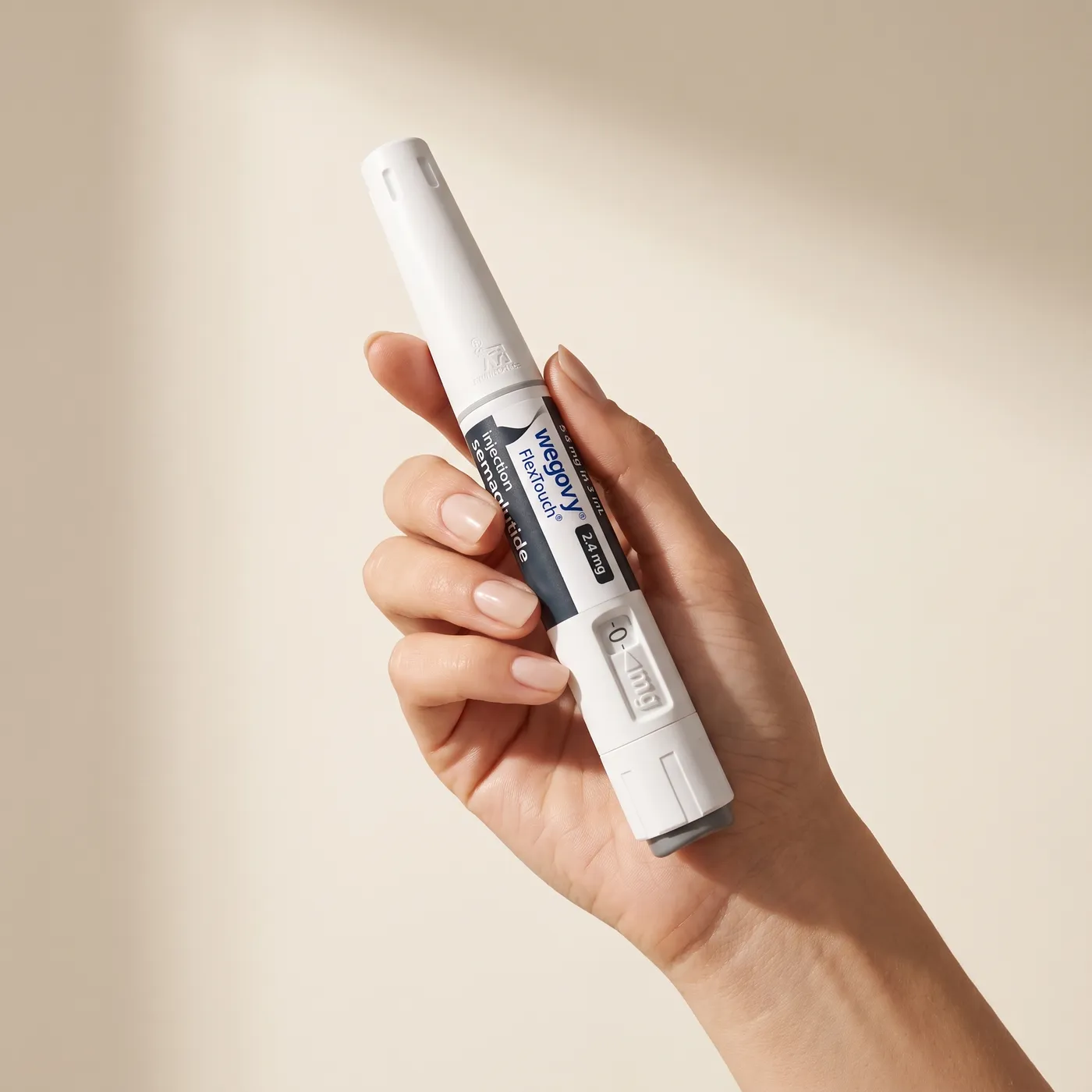
The Wegovy pill is an oral form of semaglutide, the same active ingredient found in the Wegovy injection. Semaglutide belongs to a group of medicines called GLP-1 receptor agonists, which work with the body's own appetite signals. Until recently, semaglutide for weight management was available in the UK only as a weekly injection. The MHRA approved the first GLP-1 tablet for weight loss after reviewing its quality, safety and effectiveness, which means the same underlying medicine can now be taken by mouth, once a day. That removes the barrier of injecting for people who find needles difficult.
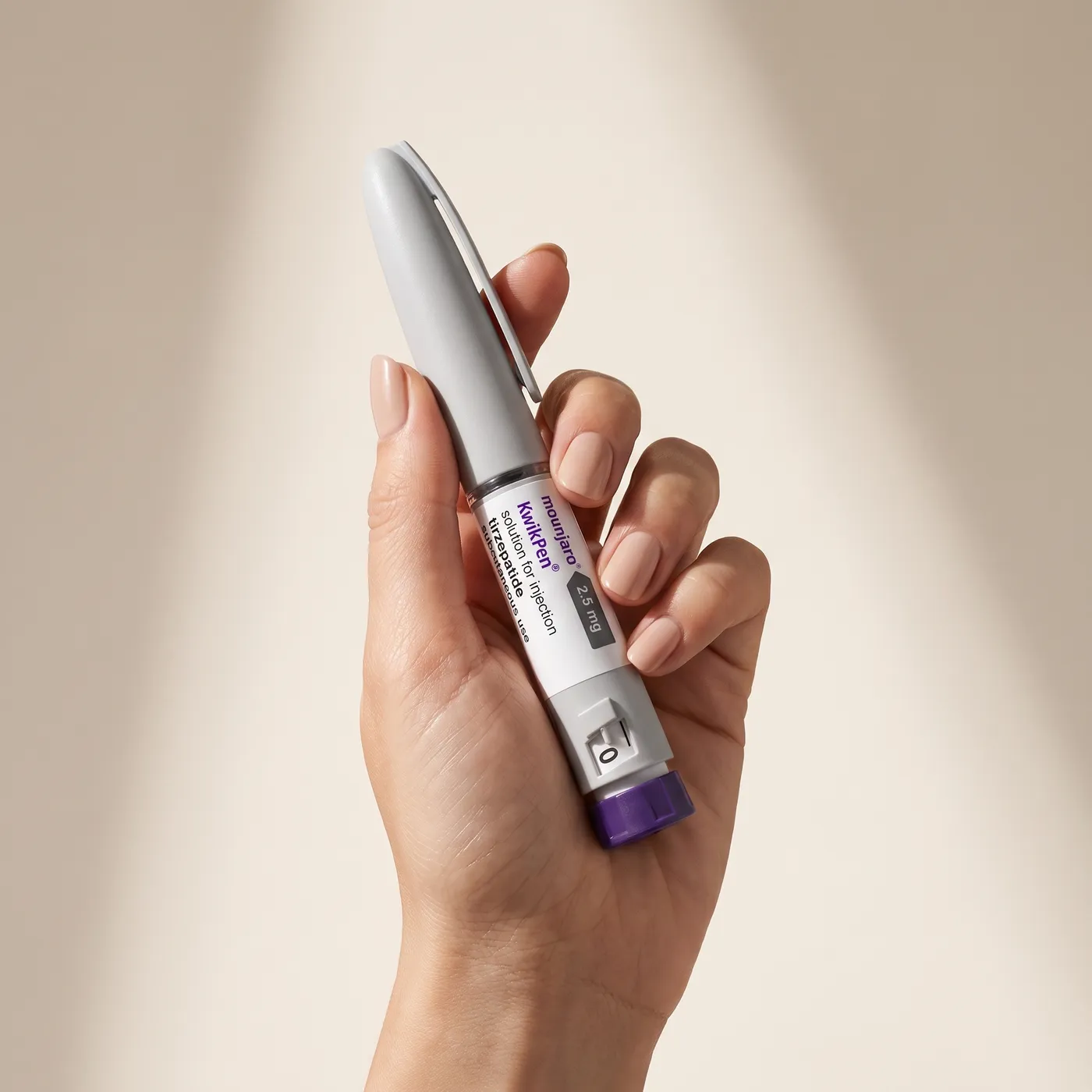
It is worth knowing that an oral semaglutide tablet has existed for some time under the brand Rybelsus, licensed for type 2 diabetes rather than weight loss. The newer weight-management pill is a distinct product, and the licences and doses differ. If you have seen these names used interchangeably online, that is the source of the confusion.
How does it work?
The main effect is on appetite. Semaglutide mimics a natural gut hormone called GLP-1, which signals fullness to the brain and slows how quickly the stomach empties. The result is that people tend to feel satisfied sooner, stay full for longer, and think about food less. Over time this usually means eating less without the constant sense of restriction that makes many diets hard to sustain. Because the medicine also affects blood sugar regulation, related forms are used in type 2 diabetes. Our separate guide explains how GLP-1 weight-loss treatments work in more depth.
Is it as effective as the injection?
This is one of the most common questions, and the honest answer is that it depends on the dose and the individual, and that results vary. The tablet and the injection deliver the same active ingredient by different routes, and how much is absorbed differs. In the OASIS 1 trial of oral semaglutide at its weight-management dose, participants lost an average of around 15 per cent of their body weight over 68 weeks, a result broadly in line with trials of the weekly injection. What matters most for any of these treatments is reaching an effective dose, taking it correctly, and pairing it with changes to eating and activity. Our dedicated comparison of the pill and the injection goes into the practical trade-offs, including convenience, timing and tolerability.
Who is it for?
Weight-management treatments like this are intended for people living with obesity, or those who are overweight and also have a weight-related health condition such as type 2 diabetes, high blood pressure or sleep apnoea. Suitability is based on measures such as body mass index, which you can estimate with our BMI calculator, alongside your wider medical history, not on wanting to lose a few pounds. NICE guidance on overweight and obesity management sets out how these medicines fit into UK care. The pill is not appropriate for everyone, and it is not licensed for cosmetic use in people who are already a healthy weight. There are also situations where it should not be used, including during pregnancy or when trying to conceive, and with certain medical histories, which is exactly why a consultation matters. Our guide to NHS vs private weight-loss treatment explains the routes to access in more detail; NHS availability follows its own guidance and commissioning process, while regulated private services carry out their own clinical consultation.
What about side effects?
The most common side effects are digestive, such as nausea, and they tend to be worse when the dose is first increased and to ease with time. The NHS overview of semaglutide lists nausea, constipation and diarrhoea among the most frequently reported effects. More serious effects are less common but possible, which is part of why treatment is supervised and the dose is built up gradually. Our detailed article on the Wegovy pill's side effects covers what to expect, how to manage the early weeks, and when to seek medical advice, and our companion piece asks directly whether the Wegovy pill is safe.
How do you take it?
The Wegovy pill is taken once a day, and the how matters as much as the when. Because food and other drinks reduce how much is absorbed, it is taken on an empty stomach with a small sip of plain water, after which you wait at least 30 minutes before eating, drinking or taking other medicines. The dose is usually increased in steps every four weeks or so to help the body adjust and limit side effects. Our practical guide to taking the Wegovy pill explains the food and timing rules in full, and our explainer on how the Wegovy pill works covers the chemistry behind those rules.
Does it work on its own?
The medicine does much of the work on appetite, but the results people keep tend to come from pairing it with changes they can maintain. Getting enough protein helps protect muscle while losing fat, staying active supports the same goal, and building sustainable habits makes it more likely progress lasts if treatment later stops. It is best thought of as a tool that makes those changes easier, rather than a substitute for them, and as a treatment for a long-term condition rather than a short course.
The bottom line
The Wegovy pill gives people a tablet option for a medicine that, until now, meant an injection. For the right person it can be an effective tool, but it is a prescription medicine with genuine considerations rather than a shortcut, and it needs to be taken correctly to work. If you think it might suit you, the sensible first step is a consultation with a clinician who can look at your health as a whole and talk you through whether treatment, lifestyle support, or a combination is the best fit.