





Here's what we'll cover
Hair loss after weight loss is usually a temporary response to the change itself, not damage from any medicine, and for most people it recovers on its own. Extra shedding a few months into losing weight, including on Mounjaro or other GLP-1 treatment, reflects the stress of rapid change and lower food intake rather than a problem with the follicles. Good nutrition helps it settle.
What is happening to your hair
Rapid or significant weight loss, from any cause, can push more hairs than usual into their natural shedding phase. This is called telogen effluvium. Hairs that would normally have stayed put for months are released together a little later, so you notice more on the brush, the pillow or in the shower, often two to three months after the trigger.
Importantly, this is a shift in timing, not a sign that hair has stopped growing. As the British Association of Dermatologists explains, the follicles are not damaged in telogen effluvium, and for most people the hair recovers once things settle.
Why does hair loss happen after weight loss?
The body treats a large, fast change as a stress, and hair growth is one of the first non-essential things it deprioritises. Lower food intake can also mean less protein and fewer nutrients reaching the hair, which adds to the effect. This is why the answer is often nutritional rather than medical, and why the shedding tends to lag behind the weight loss by a couple of months.
The delay is worth understanding, because it often causes confusion. A hair follicle that is nudged into its resting phase does not release the hair straight away; it holds on for around two to three months before the strand is shed and a new one begins to grow beneath it. So the shedding you see now usually reflects a change your body registered a few months ago, which is why it can appear just as your weight loss is going well and your eating has stabilised.
Does Mounjaro cause hair loss?
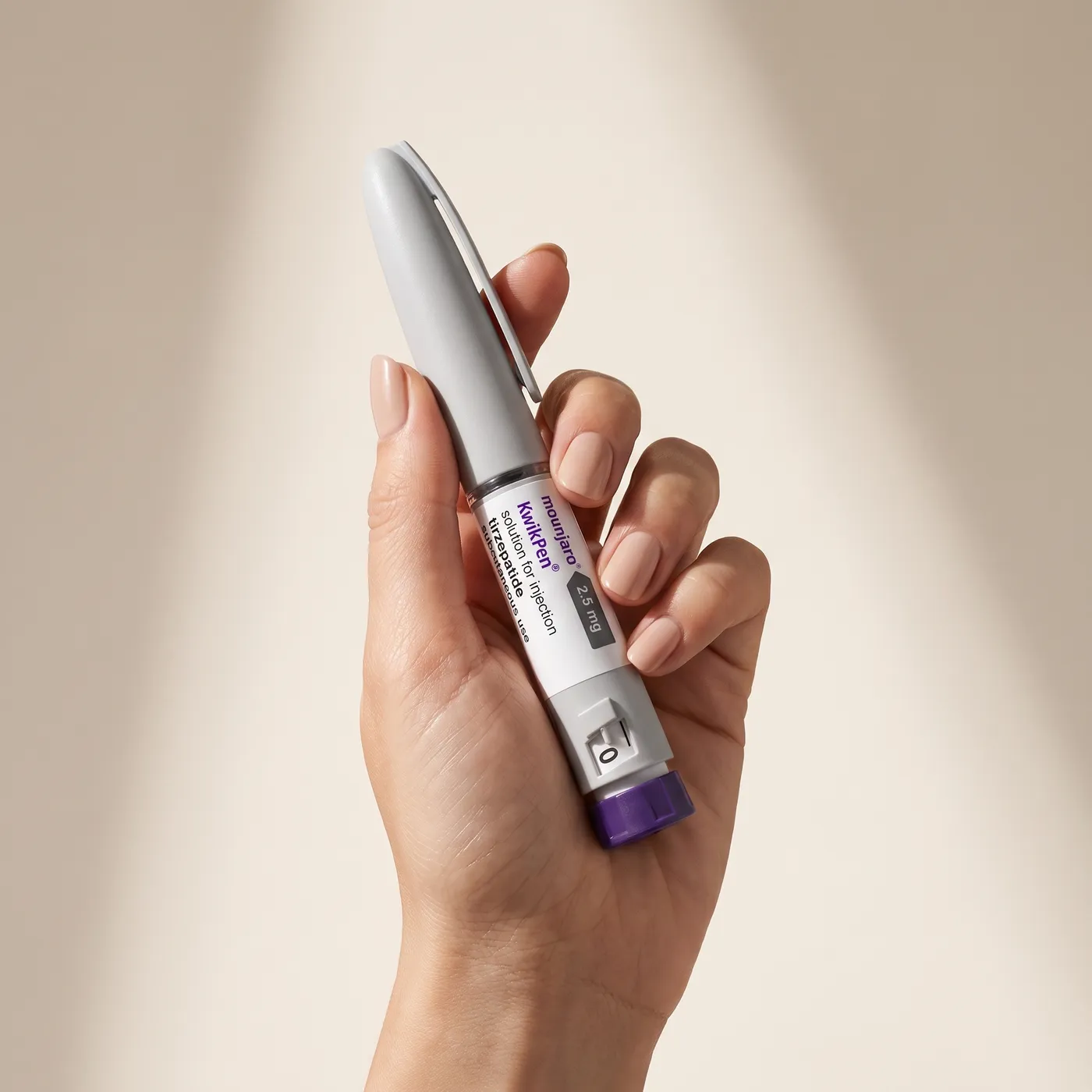
Hair thinning has been reported by some people using tirzepatide (Mounjaro) and other GLP-1 medicines, and it appeared in the clinical trials. The current understanding is that this is driven by the rapid weight loss the medicines produce rather than a direct effect of the drug on hair follicles. In the trials, shedding was more common in people who lost the most weight the fastest, which fits the telogen effluvium pattern seen after any large weight change.
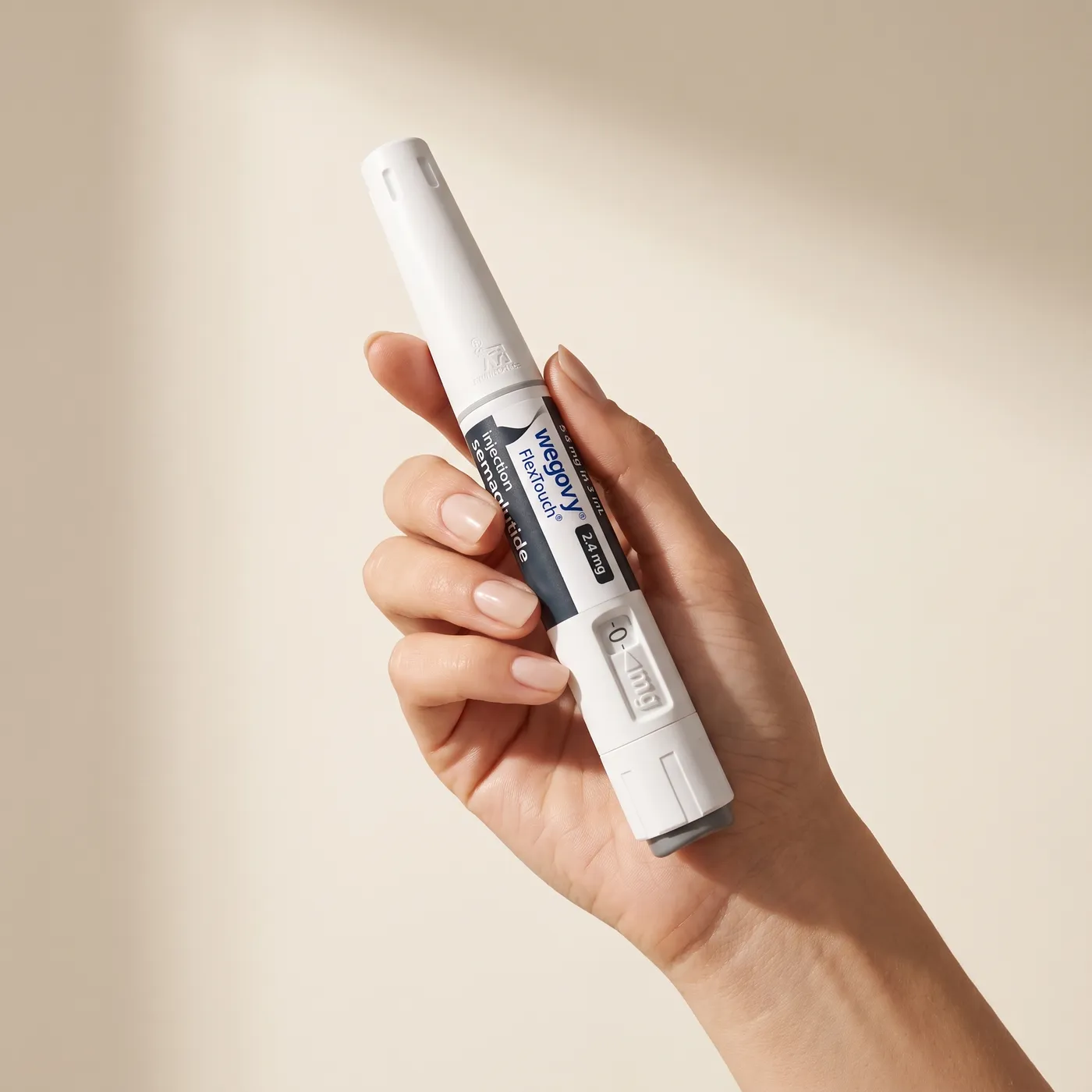
The same applies across GLP-1 weight-loss treatment, including semaglutide. Losing weight more gradually, where that is possible, and keeping nutrition up may reduce the likelihood or severity of shedding. It is rarely a reason to stop treatment, but it is always worth discussing with your prescriber.
How to support your hair
- Get enough protein: hair is largely made of it, and intake often drops when appetite does
- Eat a varied diet for iron, zinc and other nutrients that support hair
- Avoid crash-dieting on top of treatment, which worsens the effect
- Be gentle with styling while shedding is heightened, and avoid tight styles and harsh heat
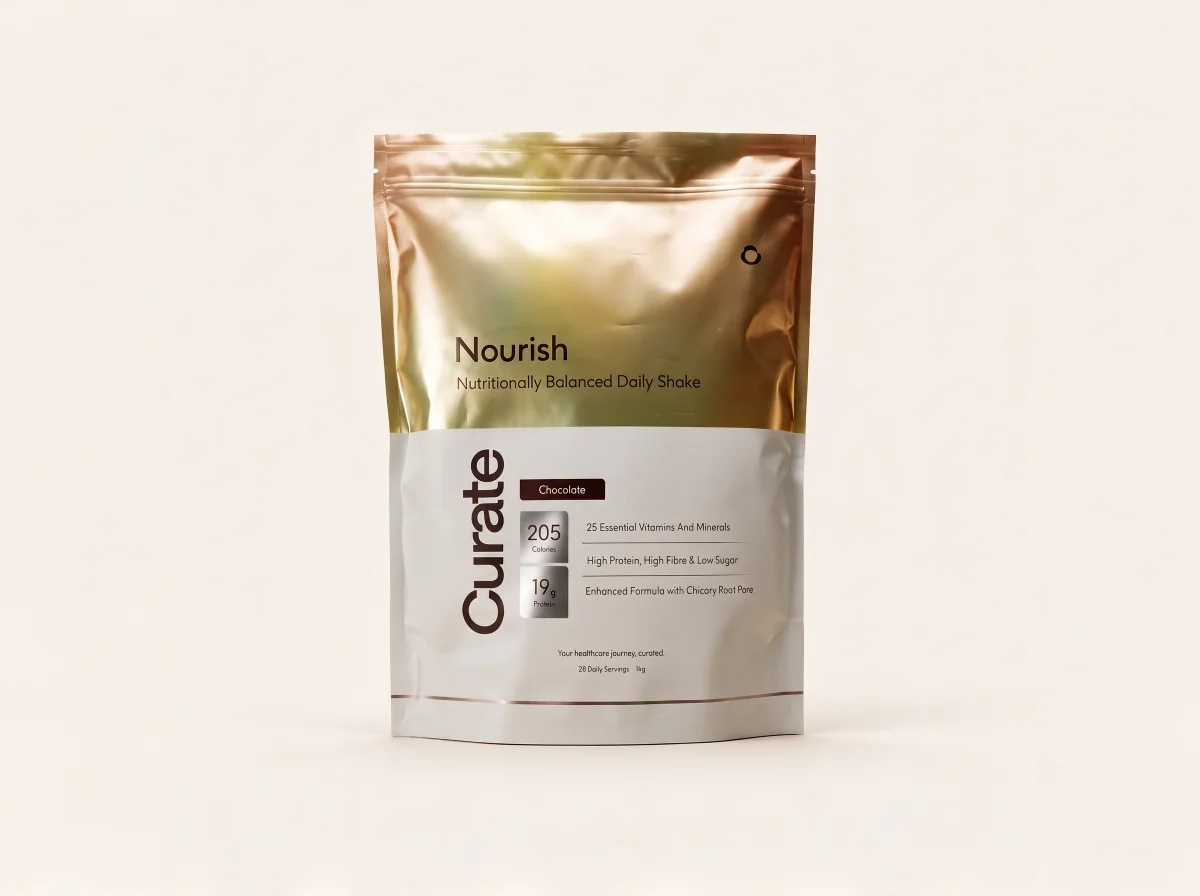
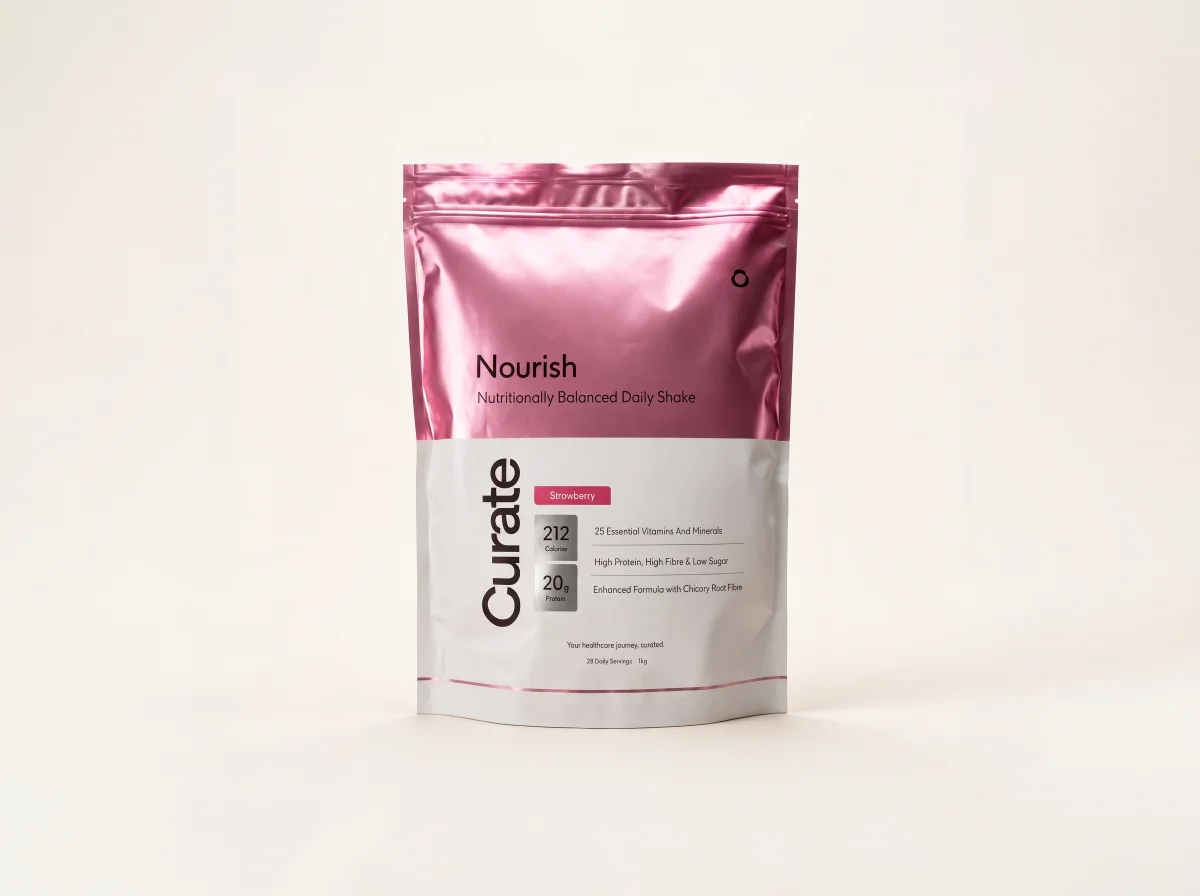
Meeting protein and nutrient needs is genuinely harder on a reduced appetite, so it is worth planning for. Our guides to protein targets on GLP-1s and micronutrients on GLP-1s set out practical targets. There is no strong evidence that supplements such as biotin help unless you are genuinely deficient, so food first is the sensible approach.
When to check with a clinician
Telogen effluvium is diffuse, meaning hair thins fairly evenly across the scalp rather than in patches. If you notice distinct bald patches, a receding pattern at the hairline or crown, or shedding that continues for many months without recovering, that is worth reviewing, as it may point to pattern hair loss or another cause. The NHS overview of hair loss covers when it is worth seeking advice, and your clinician can help work out what is going on, including checking for iron or thyroid problems.
The reassuring picture
For most people, hair loss after weight loss is a temporary phase that improves as weight stabilises and nutrition is kept up, usually over three to six months once the shedding starts to slow. Regrowth can be gradual, and new hairs may be short and fine at first, which is a normal sign of recovery rather than a cause for concern.
It is rarely a reason to stop treatment, especially given the wider health benefits of losing weight where it is clinically indicated, but it is always worth a conversation if it is worrying you. Your prescriber can weigh up the pace of your weight loss and your nutrition together, and reassure you or investigate further if the shedding is heavier or longer-lasting than the typical pattern.
In the meantime, try not to let daily hair counts become a source of anxiety, as stress itself can prolong shedding. Losing 50 to 100 hairs a day is normal for everyone, so more visible hair on the brush does not always mean a large proportion of your hair is affected. Focusing on eating well, being patient and giving the follicles time is the most productive response while the phase runs its course.