





Here's what we'll cover
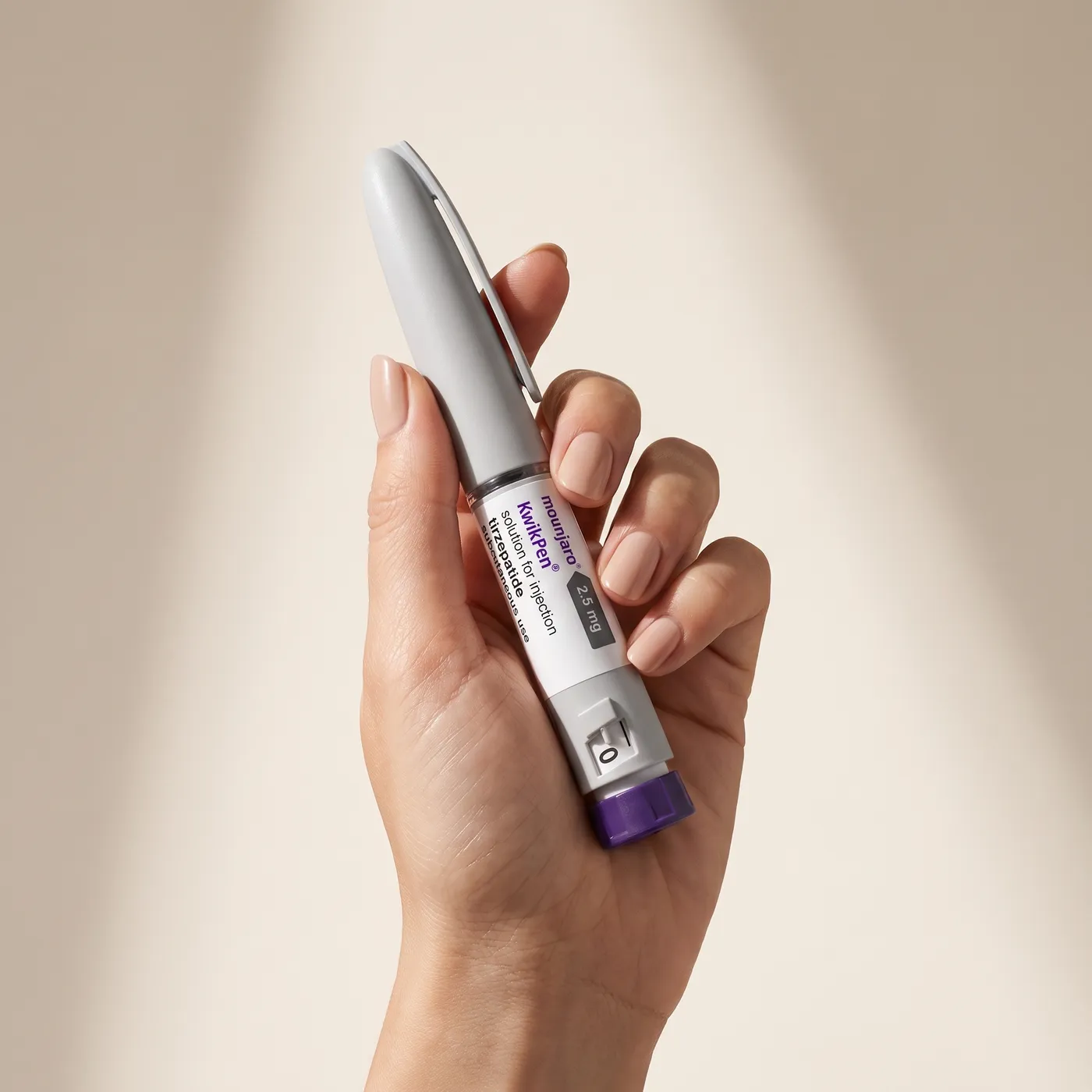
Protein on Mounjaro matters more than on almost any other approach to weight loss, because tirzepatide lowers your appetite so sharply that under-eating protein becomes the default. The practical goal is simple: build a protein source into every meal to protect your muscle while you lose fat, rather than leaving intake to chance.
Why protein matters most during weight loss
When you lose weight, some of what comes off is muscle as well as fat. That is undesirable, because muscle supports strength, day-to-day function and your resting metabolism, and it underpins weight maintenance once you reach your target. Eating enough protein, alongside some resistance activity, helps steer the loss towards fat and hold on to the muscle you already have.
This is why protein is the single highest-value nutrition habit on treatment. Our guide to preserving muscle during weight loss goes further on the training side, but nutrition does most of the work, and protein does most of that.
There is a long-term angle too. Muscle is metabolically active tissue, so losing a lot of it can make maintaining your new weight harder later, because a smaller, less muscular body burns fewer calories at rest. Protecting muscle now is partly an investment in keeping the weight off once you stop stepping up your dose or come off treatment.
Why appetite makes protein hard on Mounjaro
Protein-rich foods are naturally filling, which is helpful for weight loss but works against you here. On the quieter appetite that Mounjaro produces, that same fullness can mean you struggle to finish a meal, and protein is often the part left on the plate. Getting enough protein on Mounjaro therefore needs a little planning rather than happening on its own.
If your appetite is very low, our advice on eating with a reduced appetite covers smaller, more frequent meals and gentle ways to keep intake up without forcing food.
How much protein do I need on Mounjaro?
General healthy-eating guidance sets a baseline of roughly 0.75g of protein per kilogram of body weight a day, but needs are commonly higher during active weight loss to protect muscle, often in the region of 1.2 to 1.6g per kilogram. The British Nutrition Foundation and the NHS Eatwell Guide both set the general picture. Rather than fixate on one number, the workable goal is a meaningful protein source at every meal. Your clinician or a dietitian can give you a target suited to your body and stage of treatment.
In practical terms, that often works out at roughly 20 to 40g of protein per meal for many adults, though the right figure depends on your weight, age and activity. As a rough sense of scale, a chicken breast holds around 30g, two eggs around 12g, a 150g pot of Greek yoghurt around 15g, and a tin of tuna around 25g. You do not need to weigh everything, but a mental picture of these amounts helps you spot a meal that is light on protein.
Best protein sources
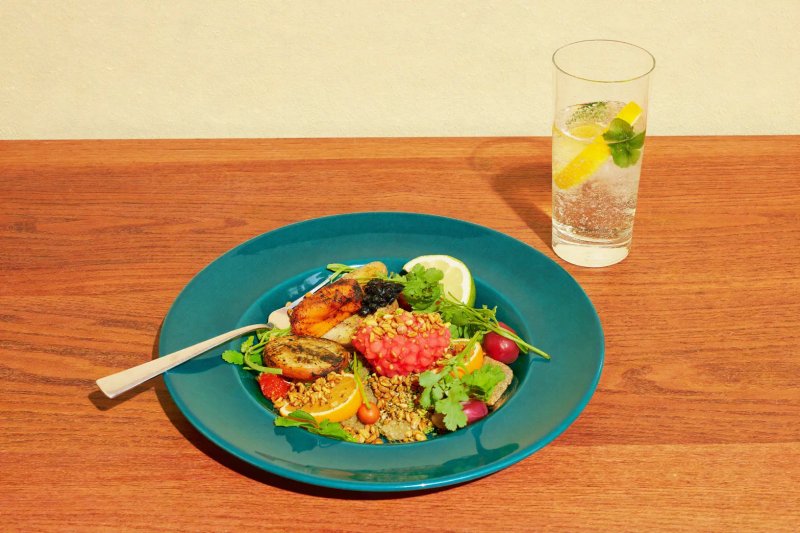
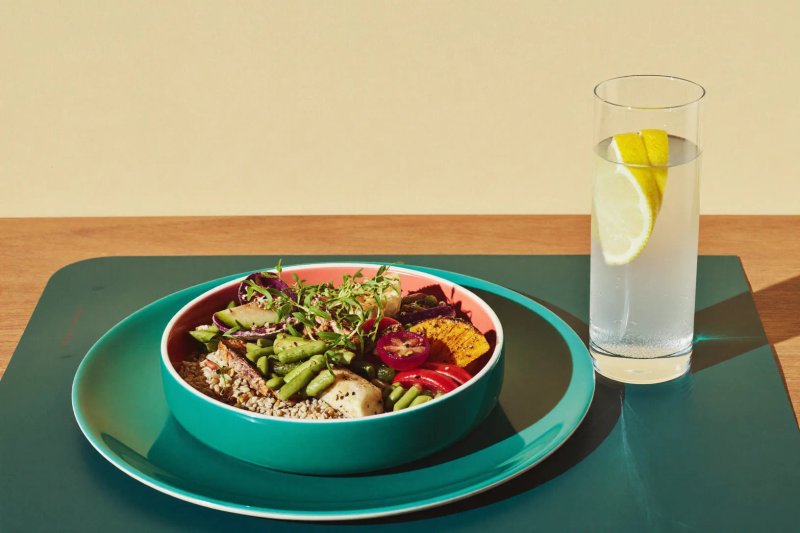
Whole foods should do most of the job. Reliable options include:
- Eggs, fish, poultry and lean meat
- Dairy such as Greek yoghurt, milk and cheese
- Beans, lentils, chickpeas and tofu
- Nuts and seeds, in smaller amounts
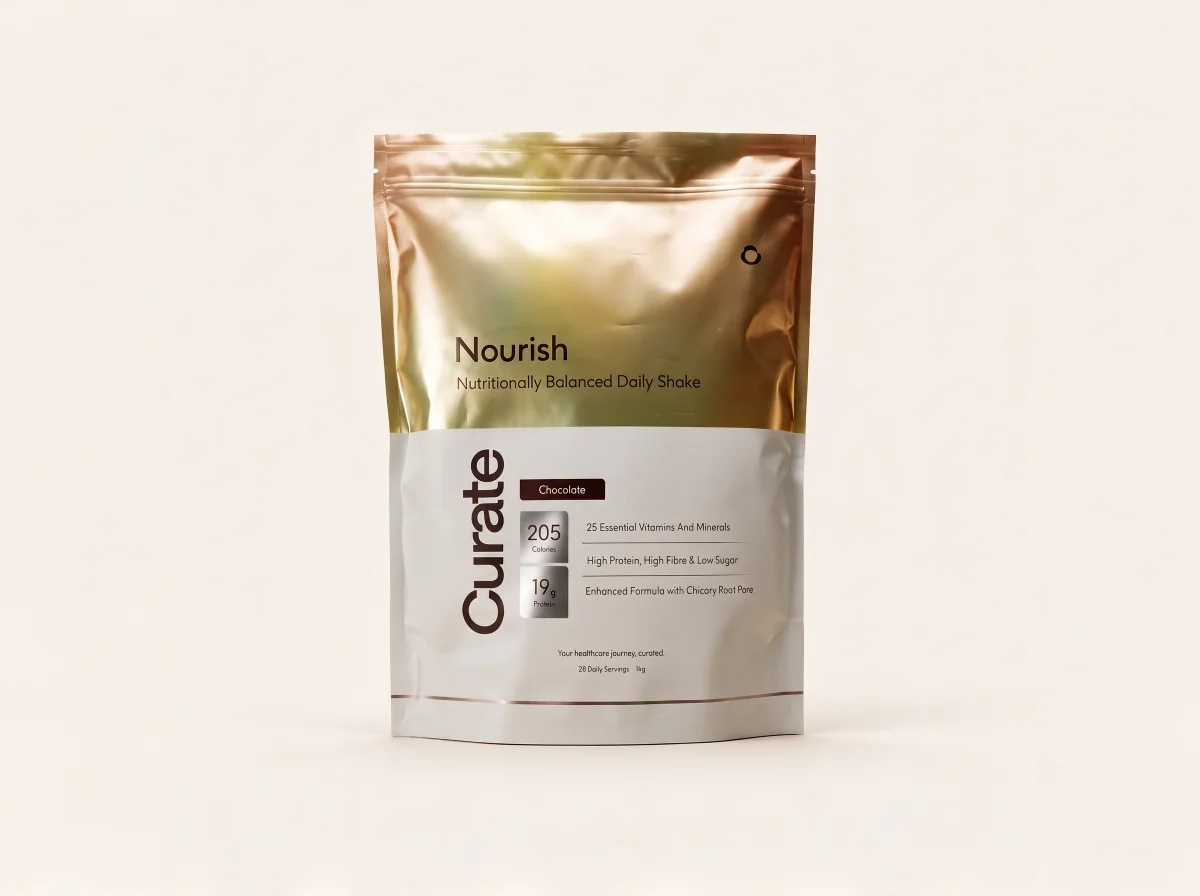
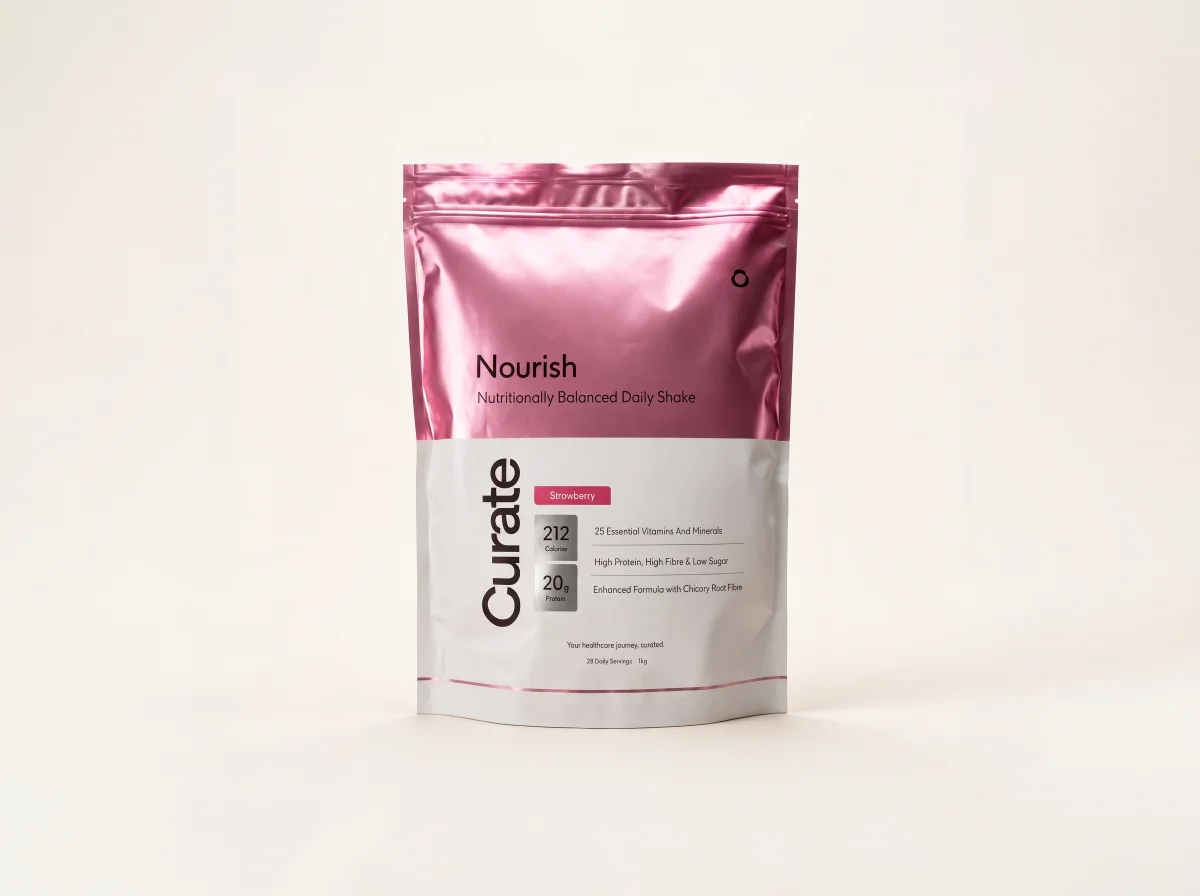
- A protein shake or fortified drink on low-appetite days, if useful
Plant and animal sources both count. If you eat mostly plants, combining sources across the day helps cover the full range of amino acids, and a protein shake or meal replacement can bridge a shortfall when solid food feels like too much.
Practical ways to hit your protein target on Mounjaro
- Eat the protein part of your meal first, while your appetite is strongest
- Keep quick options ready: boiled eggs, yoghurt, tinned fish, cheese
- Add protein to snacks, not just to main meals
- On low days, a protein drink can bridge the gap without much volume
If you are choosing a shake, the British Dietetic Association has practical guidance on protein and everyday eating that is worth reading before you spend money on supplements.
A common mistake is to notice the reduced appetite, eat much less overall, and unintentionally cut protein hardest, because meat and fish feel heavy when you are not hungry. Another is to fill the little appetite you have with low-protein snacks. Front-loading protein earlier in the day, when appetite is often slightly stronger, tends to work better than hoping to catch up at dinner.
Pair protein with resistance activity
Protein works best for muscle when it is paired with some form of resistance activity, which gives the body a reason to keep the muscle you are feeding. That does not mean a gym membership: bodyweight movements, resistance bands, or carrying and lifting in everyday life all send the same signal. Two or three short sessions a week, focused on the major muscle groups, are enough to make a real difference alongside adequate protein.
If you are new to this, start light and build gradually. The combination of enough protein and a little regular loading is far more protective of muscle than either on its own, and it also supports balance, bone strength and everyday energy through a period when your overall intake is lower than usual.
The payoff
Prioritising protein on Mounjaro helps you hold on to muscle, feel more satisfied on less food, and support your energy, skin and hair through weight loss. It is the habit most worth getting right, and the one most likely to slip if you leave it to appetite alone. If you are still deciding on treatment, our overview of weight-loss options sets out how the medicines work alongside these everyday habits.