




Here's what we'll cover
Do you need extra vitamins on Mounjaro? Most people do not, provided their smaller portions stay varied and nutrient-dense, but eating much less does shrink your intake of vitamins and minerals, so a few nutrients deserve attention: iron, calcium, vitamin D and B vitamins. Vitamin D aside, discuss any supplement with a clinician first.
Why can gaps appear on GLP-1 treatment?
Micronutrients, the vitamins and minerals your body needs in small amounts, come from the variety and volume of what you eat. GLP-1 medicines such as Mounjaro work by reducing appetite, so both variety and volume tend to shrink. If your diet also narrows to a few easy foods, which is common when eating with a reduced appetite, some nutrients can fall short even while weight comes down nicely. This is manageable, but worth being deliberate about.
Which vitamins matter most on Mounjaro?
No vitamin is uniquely depleted by the medicine itself; the risk comes from eating less overall. These are the ones most worth watching:
- Iron: important for energy; found in lean meat, pulses and leafy greens. Tiredness, breathlessness and paler skin are classic signs of iron deficiency
- Calcium and vitamin D: for bone health, which matters during weight loss; dairy, fortified alternatives and oily fish are the main food sources
- B vitamins, especially vitamin B12: for energy and nerve function, from wholegrains, eggs, dairy, meat and fish; a particular watch-point if you eat little or no animal produce
- Fibre-linked minerals such as magnesium and potassium, from a varied plant intake
Does Mounjaro stop vitamins being absorbed?
No. Mounjaro slows how quickly the stomach empties, but food still passes through the full length of the gut, where nutrients are absorbed as normal. The medicine does not block vitamin absorption the way some older weight-loss drugs interfered with fat-soluble vitamins. The practical exceptions are the rough patches: if you are vomiting or having diarrhoea, whatever you ate does not stay around long enough to be absorbed properly, so repeated episodes are worth reporting to your prescriber rather than riding out indefinitely.
If you take a supplement anyway, timing is flexible: there is no need to separate a standard multivitamin from your injection, and no evidence that dose day changes what your gut absorbs from food or tablets. Taking it with a meal simply makes it easier to remember and gentler on an empty stomach.
Foods that do the heavy lifting
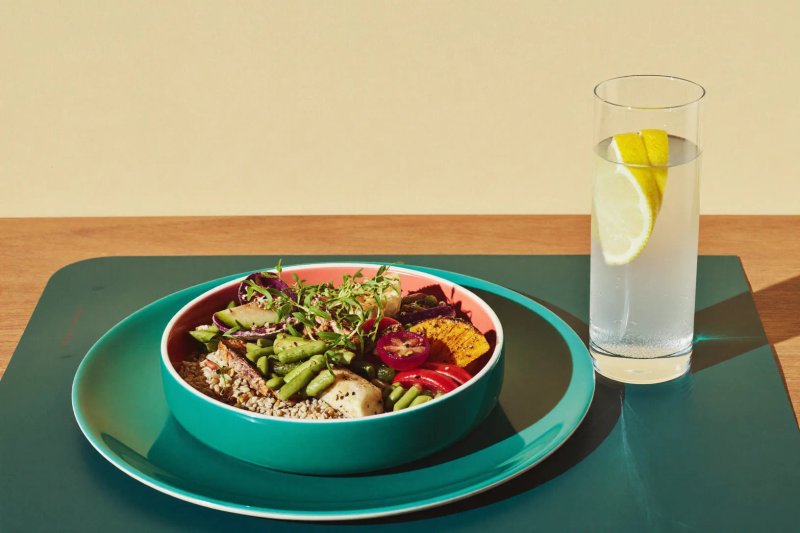
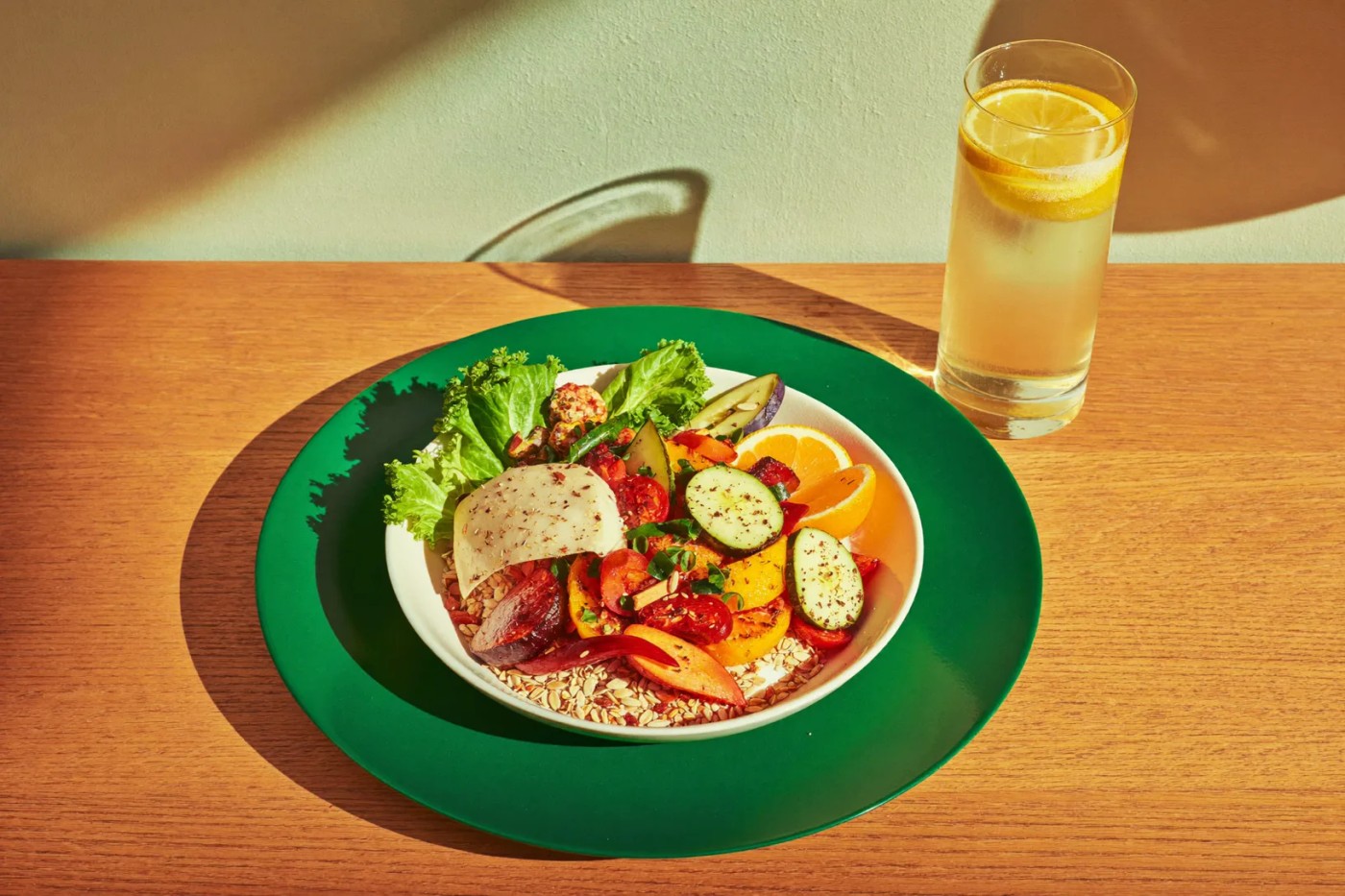
When every mouthful counts, a handful of foods punch far above their weight: eggs bring protein, B12, vitamin D and choline; oily fish such as salmon or sardines add vitamin D and omega-3s; Greek yoghurt covers calcium, B12 and protein; pulses and leafy greens carry iron, folate and magnesium; and fortified breakfast cereals or plant milks quietly plug several gaps at once. Building small meals from this list is easier than tracking individual nutrients.
Bone health during weight loss
Losing a substantial amount of weight can reduce bone density as well as fat, so calcium and vitamin D deserve particular attention. UK guidance from the Scientific Advisory Committee on Nutrition is that everyone should consider a 10 microgram vitamin D supplement daily between October and March, when UK sunlight is too weak for the skin to make enough. That advice applies with or without weight-loss treatment, and it is worth keeping up. Weight-bearing and resistance exercise protects bone too, and helps with preserving muscle during weight loss at the same time.
Should you take a multivitamin on Mounjaro?
A general daily multivitamin is a reasonable safety net for some people while portions are small, particularly during the early months when appetite is at its lowest. But the British Dietetic Association is clear that supplements are not a substitute for food, and more is not better: some nutrients, including vitamin A and iron, can be harmful in excess. Food also supplies protein, fibre and energy that no tablet replaces.
Before starting anything beyond standard vitamin D, check with a clinician, especially if you take other medicines. Some products interact with prescriptions, a topic we cover in supplements that interact with medicines, and a blood test is a better guide than guesswork if deficiency is suspected.
Protein: the macronutrient that behaves like a micronutrient problem
Strictly speaking protein is not a micronutrient, but on a shrunken appetite it falls short in exactly the same way and matters at least as much, because too little protein accelerates muscle loss during weight loss. Building each meal around a protein source protects both, and usefully, protein-rich foods such as meat, fish, eggs, dairy and pulses are among the best sources of iron, B12, calcium and zinc. Hitting your protein targets on GLP-1s quietly solves much of the micronutrient question at the same time.
The practical approach
Focus first on a varied, nutrient-dense diet with enough protein, using smaller portions of better food rather than less of the same. Keep up vitamin D through the winter months. Consider a simple multivitamin if your intake is very limited, after a quick check with your clinician. And if you feel persistently unwell, exhausted or run down, mention it at your treatment review rather than assuming it is just the medicine: a simple blood test can rule deficiency in or out. Deficiencies build slowly and correct slowly, so an honest look at your plate every few weeks is worth more than a cupboard full of supplements bought in a worried moment.