





Here's what we'll cover
Working out how to lose weight during menopause starts with accepting that the rules have shifted: falling oestrogen, declining muscle and disrupted sleep all push weight upwards, so the approach that worked at 30 often stalls at 50. The answer is to protect muscle with strength training and protein, build a modest sustainable deficit, and fix sleep. None of this is a failure of willpower.
Does menopause cause weight gain?
Largely, yes, though it works through several routes at once. Oestrogen levels fall, and this appears to change how and where the body stores fat, with more moving towards the abdomen. At the same time, muscle mass naturally declines with age, a process called sarcopenia. Because muscle burns more energy at rest than fat does, losing it lowers the number of calories the body uses each day, sometimes without any obvious change in how much you eat. Sleep is often disrupted by hot flushes and night sweats, and poor sleep is itself linked to weight gain because it affects the hormones that regulate hunger and fullness.
It is also worth separating menopause from ageing more generally. Some of the change would happen with the passing years regardless of hormones, and some is specific to the fall in oestrogen. The two overlap, which is part of why the pattern can feel sudden even though it builds gradually. For most people the shift is measured in a few pounds a year rather than a dramatic jump, but it can add up over the years around and after the final period. Many women notice it starting in perimenopause, alongside other perimenopause symptoms, well before periods stop.
How much weight, and how fast?
There is no single figure, because it depends on genetics, activity, diet and sleep. What research fairly consistently shows is a change in distribution as much as in total weight: even people whose weight stays broadly stable often notice their shape changing, with the waist thickening. This is why the scales can be a misleading guide on their own. Tracking how clothes fit, or measuring your waist, can give a truer picture than weight alone; the NHS menopause guidance covers the wider health picture at this stage of life.
How to lose weight during menopause
The most useful changes tend to be the least dramatic ones done consistently. Crash diets tend to backfire around menopause in particular, because sharp calorie restriction accelerates the loss of muscle that is already declining, and muscle is exactly what you want to protect. A steadier approach that you can maintain for months, rather than weeks, works better for most people.
- Resistance or strength training two to three times a week helps preserve muscle, which supports metabolism and protects bone at a time when bone density is also falling. This does not have to mean a gym: resistance bands, bodyweight exercises and carrying shopping all count, and starting light is fine.
- Including a protein source at each meal helps maintain muscle and tends to improve fullness, so you feel satisfied on fewer calories. Protein needs are, if anything, slightly higher in later life, not lower.
- Prioritising sleep, and treating troublesome menopausal symptoms that disrupt it, can make appetite regulation easier. When sleep is short, the hormones that control hunger tip towards eating more the next day.
- Limiting alcohol helps, as it adds calories that are easy to overlook and further disrupts sleep and next-day appetite.
- Everyday movement between workouts, such as walking, using stairs and standing more, adds up and is easier to sustain than intense exercise alone.
How to stop menopause weight gain getting worse
What tends not to work is treating menopausal weight change as a short-term project. Because the underlying drivers, lower oestrogen and less muscle, are ongoing, the habits that help need to be ongoing too. That sounds less appealing than a quick fix, but it is also more forgiving: you do not have to be perfect, you have to be consistent.
The British Menopause Society's guidance on nutrition and weight makes the same point: prevention and maintenance are built on regular activity, a balanced Mediterranean-style eating pattern and protecting muscle, rather than repeated cycles of restriction. Small deficits held for months beat sharp ones abandoned in weeks.
Does HRT cause or prevent weight gain?
Hormone replacement therapy is a treatment for menopausal symptoms, not a weight-loss treatment, and current evidence does not show that it causes weight gain. Some evidence suggests it may reduce the tendency for fat to accumulate around the abdomen, and by easing symptoms such as poor sleep it can make healthy habits easier to keep up. But any decision about HRT should be made with a clinician based on your symptoms and medical history, not as a way to manage weight. Our separate guide on whether HRT helps with weight loss looks at the evidence in detail.
Is medical weight-loss treatment an option?
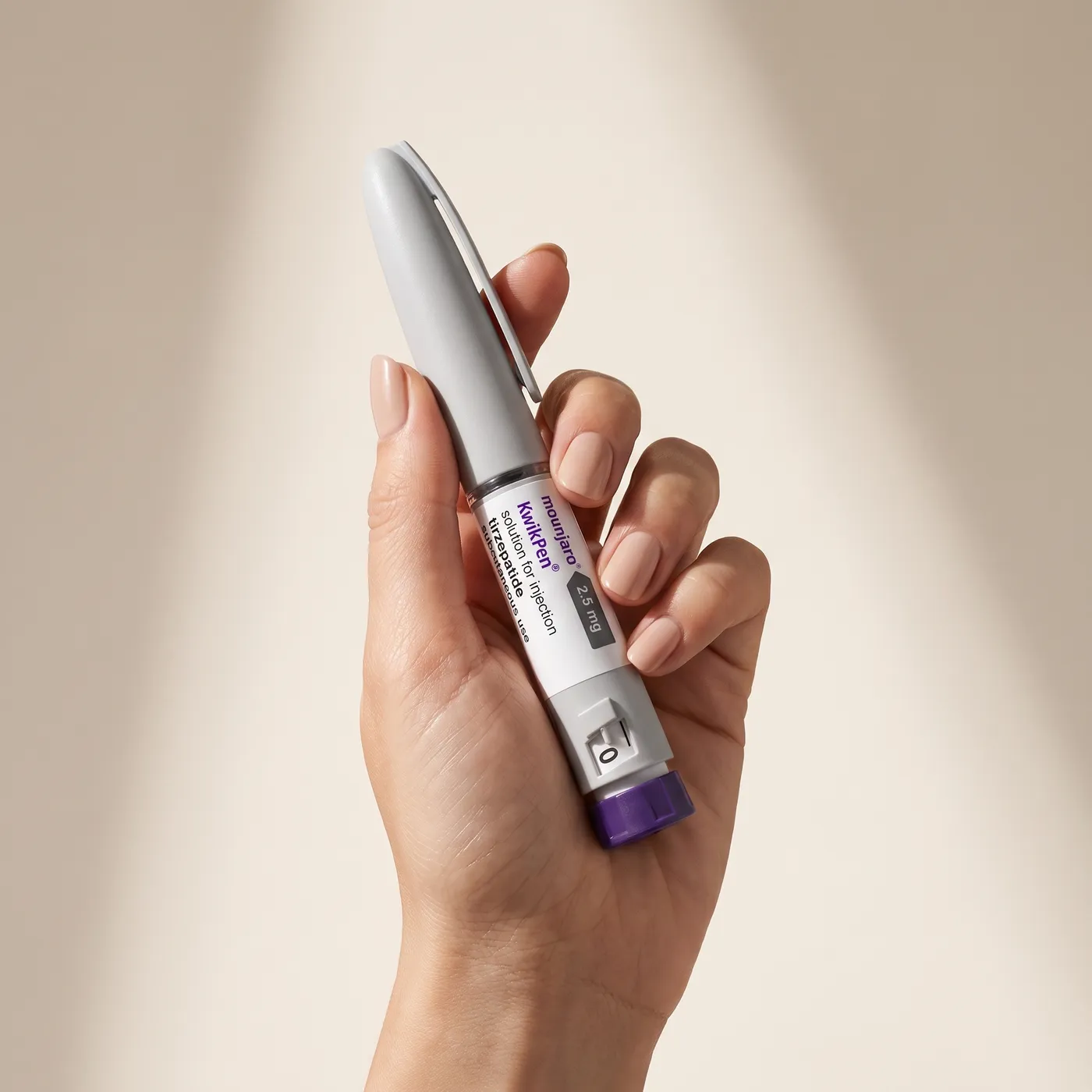
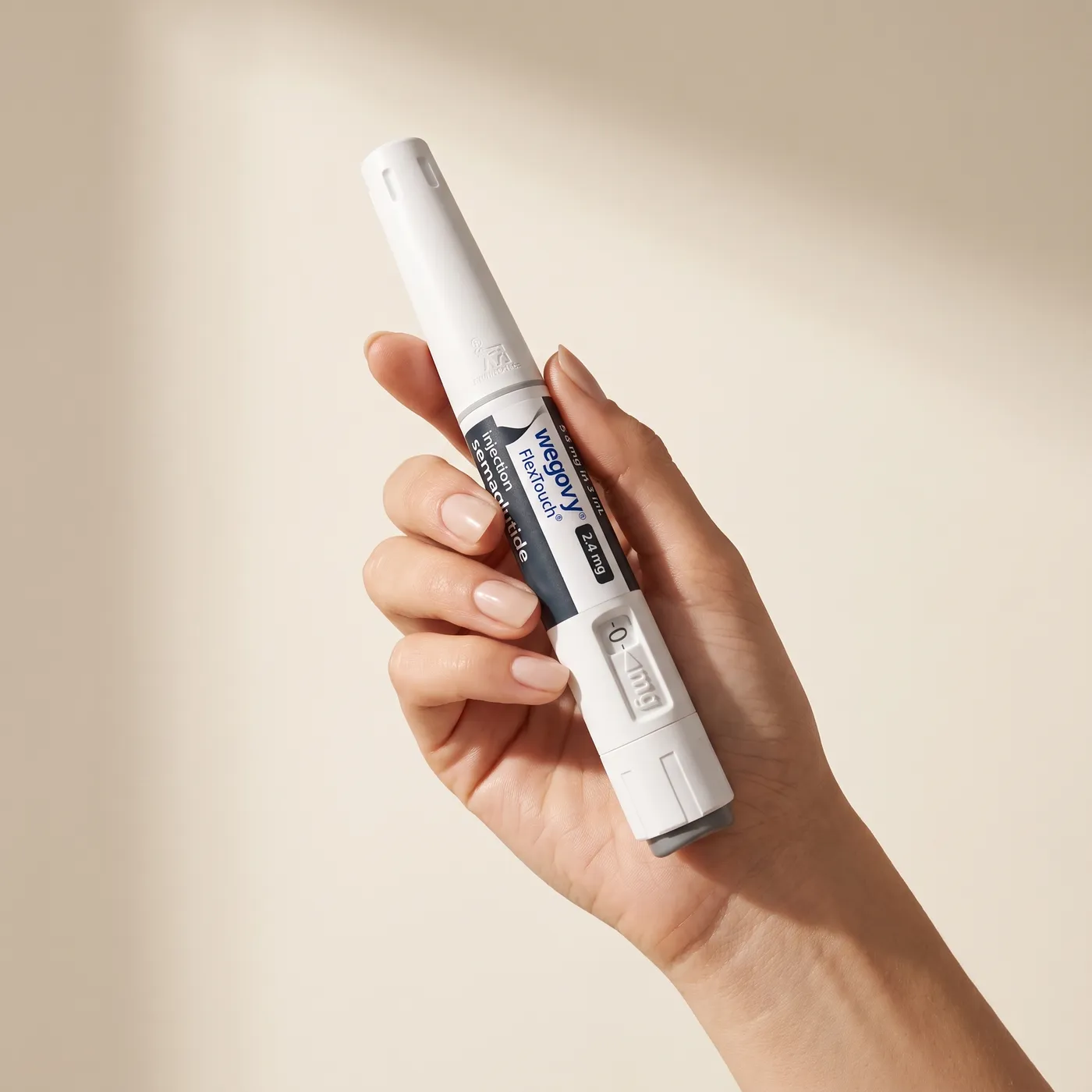
For some people whose weight is affecting their health, a clinician may discuss medical weight-loss treatment alongside diet and activity changes. Whether it is suitable depends on your individual circumstances, including your BMI, medical history and other health conditions. It is not a first step for everyone, and it works best combined with the habits above rather than instead of them. A clinician can talk through whether it is appropriate for you and what to expect.
When to speak to a clinician
If weight is affecting your health, mobility or confidence, or if menopausal symptoms are hard to manage, it is worth a conversation with a healthcare professional. They can look at the whole picture, including symptoms, medical history and any treatment options that may be appropriate for you. It also helps to rule out other causes of weight change, such as thyroid problems, which become more common with age and can be checked with a simple blood test. Bringing a note of your symptoms and how long they have been going on makes that first conversation more productive.