






Here's what we'll cover
A weight loss plateau happens because a smaller body needs less energy, so the calorie deficit that once drove steady loss shrinks or disappears at your new weight. Plateaus are a normal, expected part of losing weight, not a sign of failure. The right response is usually patience plus small, honest adjustments, not drastic change.
Why do weight loss plateaus happen?
As you lose weight, your body needs less energy to keep you alive and to move you around, simply because there is less of you. A deficit that produced steady loss at your starting weight becomes smaller at your new weight, so loss slows and can appear to stop even though your routine has not changed.
Biology adds a second layer. Energy expenditure falls slightly more than the change in body size alone would predict, a response sometimes called adaptive thermogenesis, and appetite hormones shift to nudge hunger upwards. Research on energy balance shows that both sides of the equation adapt as weight falls. This is the same biology behind set point theory, the idea that the body works to defend a familiar weight range.
How long does a weight loss plateau last?
Most short-term stalls resolve within two to four weeks. Weight can hold steady for a fortnight because of fluid shifts, extra salt, hormonal changes or food still moving through the gut, then drop again without any change on your part. This is noise, not a true plateau.
A useful rule of thumb is to judge trends over three to four weeks rather than individual weigh-ins. Weighing yourself once or twice a week, at the same time of day and in similar clothing, smooths out much of the day-to-day variation and makes a genuine stall easier to spot.
If your weight has been genuinely stable for more than about four weeks despite consistent habits, treat that as useful information and review your plan. NICE guidance on obesity management emphasises gradual, sustainable approaches over dramatic short-term fixes, and that applies just as much when progress stalls.
Look beyond the scales
Scale weight fluctuates day to day with fluid, salt, carbohydrate intake and, for many women, the menstrual cycle. It also cannot distinguish fat from muscle. During an apparent plateau your body composition may still be improving, especially if you are doing strength training alongside your diet.
Waist measurement, how clothes fit, energy levels and strength are all worth tracking alongside weight. BMI is a blunt instrument for individuals; you can check yours with our BMI calculator, but pair it with a waist measurement for a fuller picture of health risk.
How do you break a weight loss plateau?
- Give it time first: stalls of a week or two are normal and often resolve on their own
- Review portions and intake honestly, as both tend to drift upwards over months
- Protect protein at each meal and keep up resistance exercise to hold on to muscle
- Raise everyday movement (NEAT), which often quietly falls as the body conserves energy
- Prioritise sleep and manage stress, both of which influence appetite and food choices
None of these steps is dramatic on its own, and that is the point. The NHS Better Health weight loss guidance is built on the same principle: consistent, modest changes you can keep doing beat short bursts of intensity you cannot.
What usually does not help
Drastic cuts in food tend to backfire. Very low intakes increase hunger, risk muscle loss, and are hard to sustain for more than a few weeks. This is one reason crash diets fail so predictably: the harder you push against your biology, the harder it pushes back. Steady consistency with small, honest adjustments beats dramatic swings.
Skipping meals, cutting out whole food groups and chasing quick fixes such as detoxes or restrictive rules rarely address the underlying arithmetic. If anything, they make the next plateau more likely by costing you muscle, which lowers the energy you burn at rest. Common metabolism beliefs, such as the idea that eating too little switches your body into a fat-storing starvation mode, mostly do not survive contact with the evidence either; slower loss at lower intakes is adaptation, not a broken metabolism.
When treatment is involved
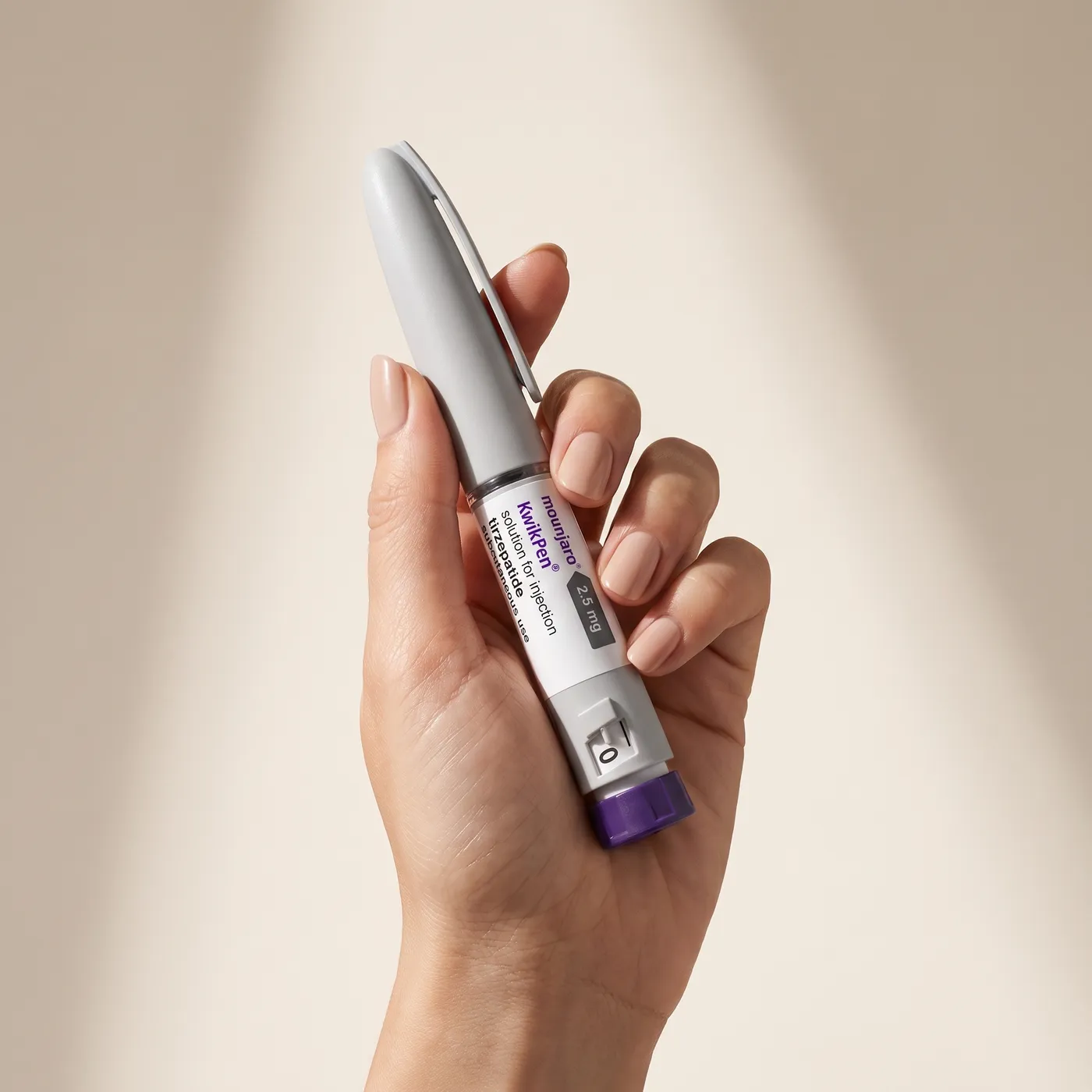
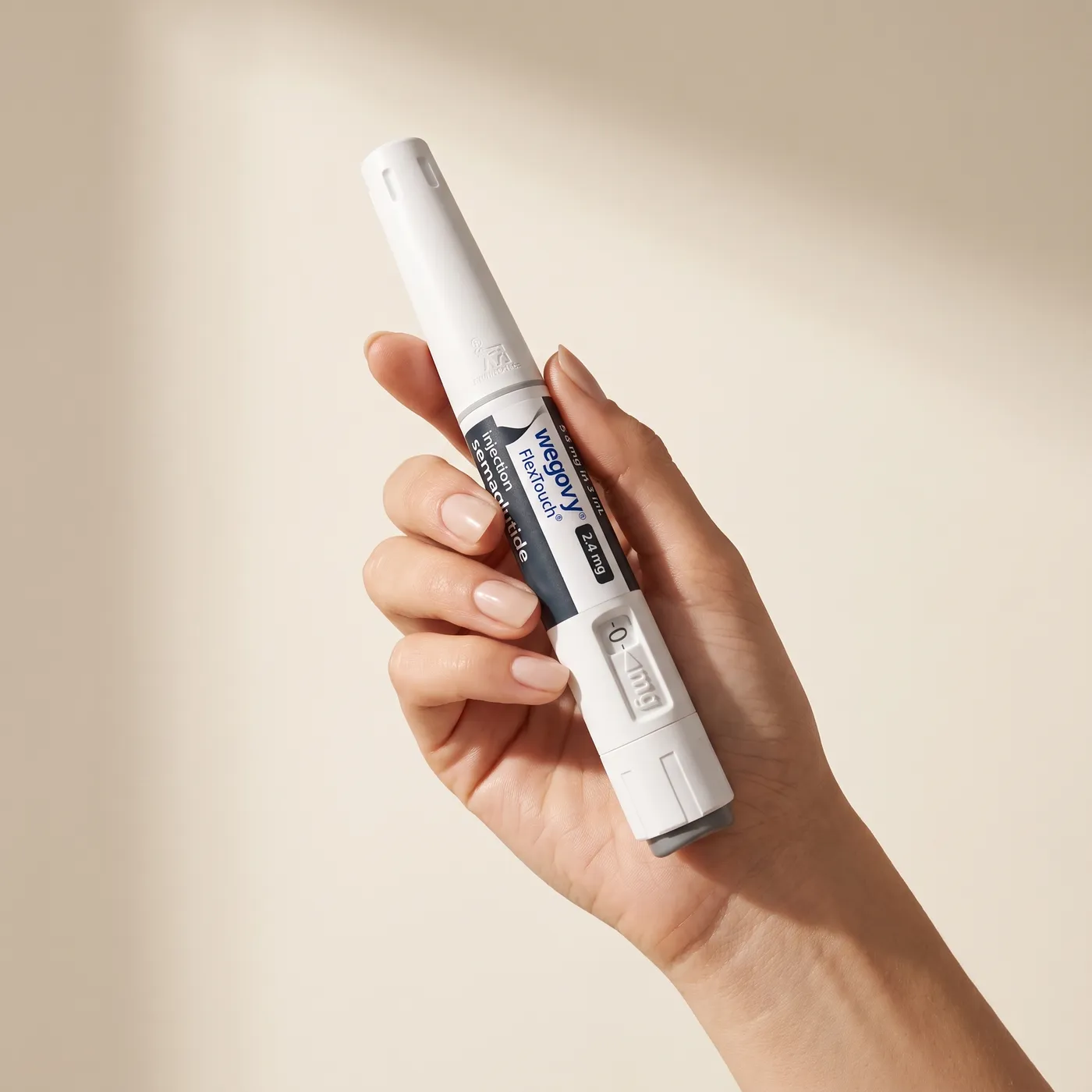
People using clinician-led weight-loss treatment, including GLP-1 weight loss injections, hit plateaus too. In the major trials, the rate of loss slowed markedly after the first year as participants approached a new stable weight. A stall can coincide with settling at a particular dose or with the body adjusting to treatment. It does not necessarily mean the medicine has stopped working.
If progress has genuinely stalled on treatment and you are unsure why, your prescriber can review the dose, your eating pattern and your activity together rather than you making big changes alone. We cover the common reasons in more detail in why am I not losing weight on Mounjaro, and most of them apply across GLP-1 treatments.
Keeping perspective
Weight loss is rarely a straight line. Plateaus, small regains and renewed progress are all part of the normal pattern, whether you are changing habits alone or using treatment alongside them. A weight loss plateau is information about where your body is now, not a verdict on your effort.
Treating it that way, with patience and a few targeted adjustments, is what keeps people moving forward. And if you have been stable for over a month and cannot see why, that is a sensible moment to talk it through with a healthcare professional.