







Here's what we'll cover
Weight regain after losing weight is driven substantially by biology, not weakness. Once you lose weight, the body mounts a coordinated response, more hunger, weaker fullness signals, and slightly lower energy use, that pushes back towards the weight you came from. These changes are real and measurable, and understanding them lets you plan around the pull rather than blame yourself for it.
Why does the body defend its weight?
This is not a metaphor or a mindset; it is a set of physical mechanisms that researchers can measure. As covered in our article on set-point theory, the body behaves as if defending a preferred weight. Weight loss triggers responses designed, in evolutionary terms, to restore what was lost, because for most of human history the risk was starvation, not surplus. These responses are real, measurable and can persist long after the weight is lost. That is the crux of why weight regain is so common: the body treats a lower weight as a threat to be corrected.
Hormonal changes after weight loss
After weight loss, levels of hunger-promoting hormones such as ghrelin tend to rise, while hormones that signal fullness, such as leptin, tend to fall. The net effect is that you feel hungrier and less easily satisfied than someone of the same weight who never dieted. A landmark study following people for a year after weight loss found these hormonal shifts were still present at twelve months, long after the diet ended, which is one of the best-documented drivers of regain. In other words, the increased appetite is not in your head; it is a persistent biological signal.
Energy adaptation
The body may also use slightly less energy than expected for its new, smaller size, a response sometimes called adaptive thermogenesis. Combined with a possible unconscious drop in everyday movement, this means fewer calories are needed to maintain weight, so the intake that once held you steady now leads to regain. The effect is modest for most people, perhaps a few percent below what would be predicted, but sustained over months it adds up. It is one reason maintenance can feel harder than the numbers suggest it should, and why calorie targets that worked during weight loss may need adjusting downwards afterwards. It is not a sign the body is broken; it is an efficient system doing exactly what it evolved to do.
The role of everyday movement
A large share of daily energy use comes not from formal exercise but from incidental activity, fidgeting, standing, walking to the shops, taking the stairs. This is sometimes called NEAT, and it tends to fall quietly after weight loss without you noticing. Because it is unconscious, it is easy to overlook, yet keeping everyday movement up is one of the more practical defences against the energy side of regain.
The environment adds to the biology
The biological pull does not act in a vacuum. It meets an environment full of cheap, energy-dense, heavily marketed food, which is designed to be easy to overeat. When a body primed to seek calories meets a food supply engineered to provide them, the odds tilt further towards regain. Stress, poor sleep and low mood push in the same direction, since all three tend to increase appetite and reduce the motivation to cook, move and plan. This is why regain is rarely about a single lapse. It is the accumulation of a strong biological drive meeting an environment that offers little resistance, which is worth remembering before you conclude that a return of weight means you simply lacked discipline.
Why this matters
These mechanisms explain why weight regain is so common and why maintenance takes ongoing effort. Crucially, they reframe regain as a biological headwind to be managed, not a personal failing. This is also how national bodies frame it: the NICE obesity guideline treats obesity as a long-term condition needing long-term support, rather than a problem solved by a single burst of willpower. People who understand this tend to plan better defences and be kinder to themselves in the process.
How do I fight weight regain?
- Preserve muscle with protein and resistance activity to support energy use, as explained in preserving muscle during weight loss.
- Keep everyday movement up, since it tends to fall quietly after weight loss.
- Maintain the eating structure that worked, rather than relying on willpower alone.
- Monitor your weight to catch drift early, when a small correction is easy.
None of these overrides the biology, but together they blunt it. The aim is to make the maintaining behaviours as automatic as possible, so they do not depend on motivation that naturally waxes and wanes. Small, sustainable changes you keep for good beat dramatic ones you cannot hold. Our guide to weight maintenance after reaching your target turns these principles into a practical routine.
Where treatment fits
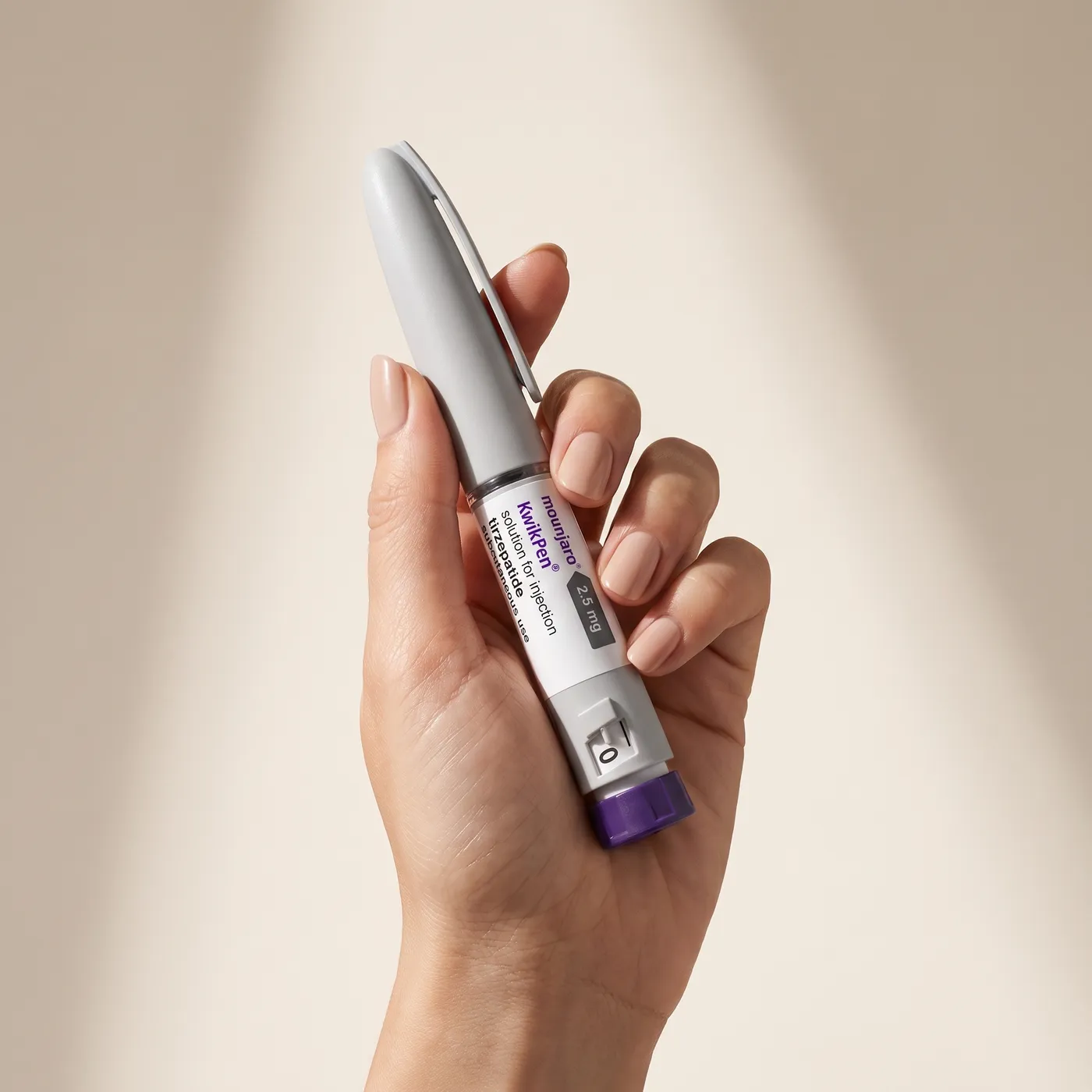
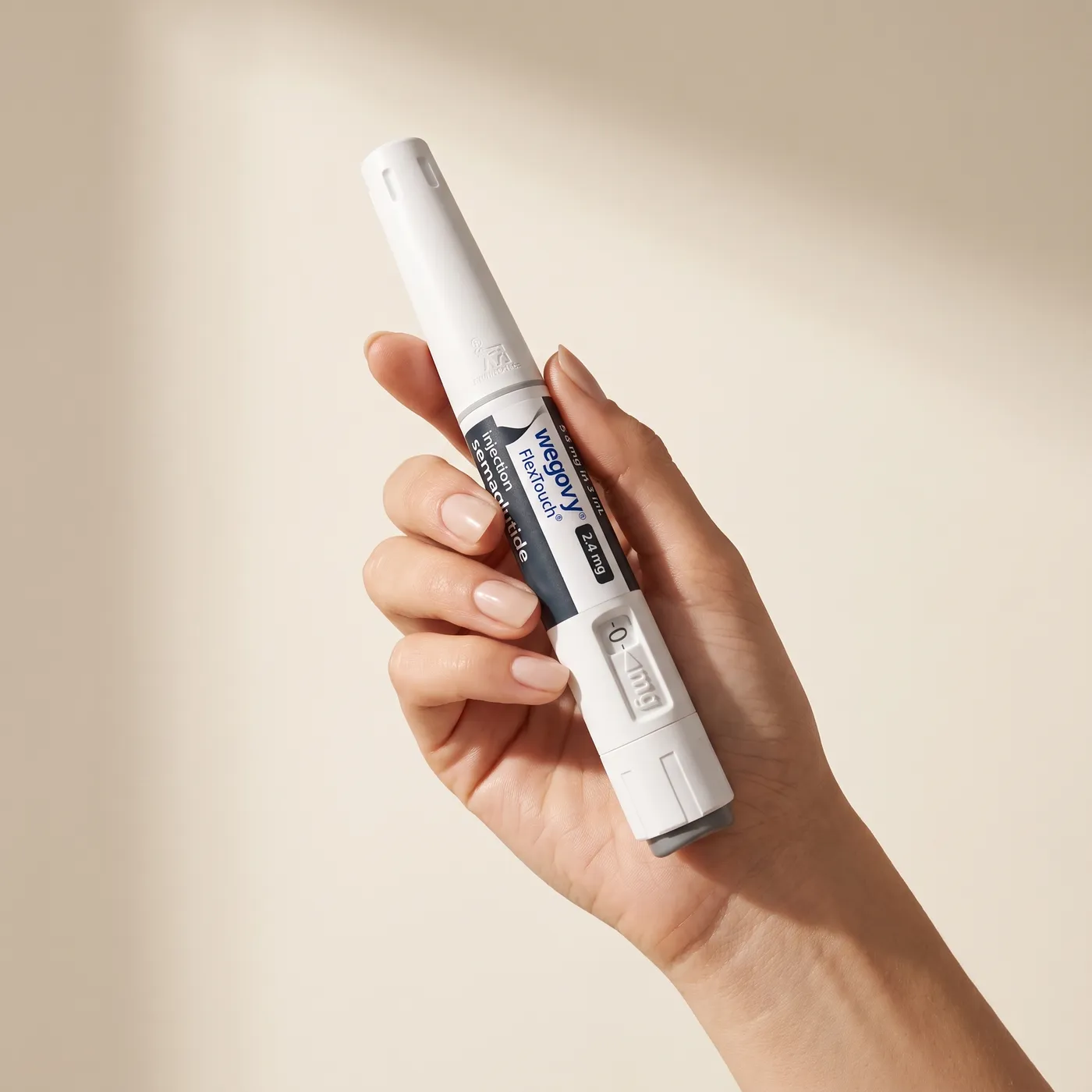
GLP-1 treatment counters part of this biology directly by reducing hunger signalling, which is why it can help maintain a lower weight while it continues, and why regain is common when it stops. This is not a failure of the medicine; it reflects the same defended-weight biology reasserting itself once the appetite effect is removed, which is why stopping GLP-1 treatment needs a plan. For many people this reframes weight-loss treatment as a longer-term tool for a long-term, biological challenge, rather than a short course to be finished and forgotten.