







Here's what we'll cover
Weight maintenance is the active skill of holding a stable weight once you reach your target, and it is a different job from losing the weight in the first place. Your body often keeps nudging you back towards regain, so maintenance means keeping the habits that produced your progress and watching for small drifts before they grow into large ones.
Why weight maintenance is its own phase
Losing weight and keeping it off are related but distinct. Once you reach target, the body often still behaves as if it is defending the weight you came from, an idea we explain in set-point theory, and the physiology of weight regain sets out the hormonal and energy changes involved. Maintenance is therefore not a relaxation of effort so much as a shift in focus: from creating a deficit to holding a balance. National guidance treats keeping weight off as a distinct goal that needs its own plan; the NICE obesity guideline recommends ongoing support for exactly this reason.
How to maintain weight after Mounjaro
The most reliable predictor of maintenance, whether or not you used treatment, is continuing the habits that got you to target. The British Dietetic Association and the NHS guidance on managing your weight point to the same short list:
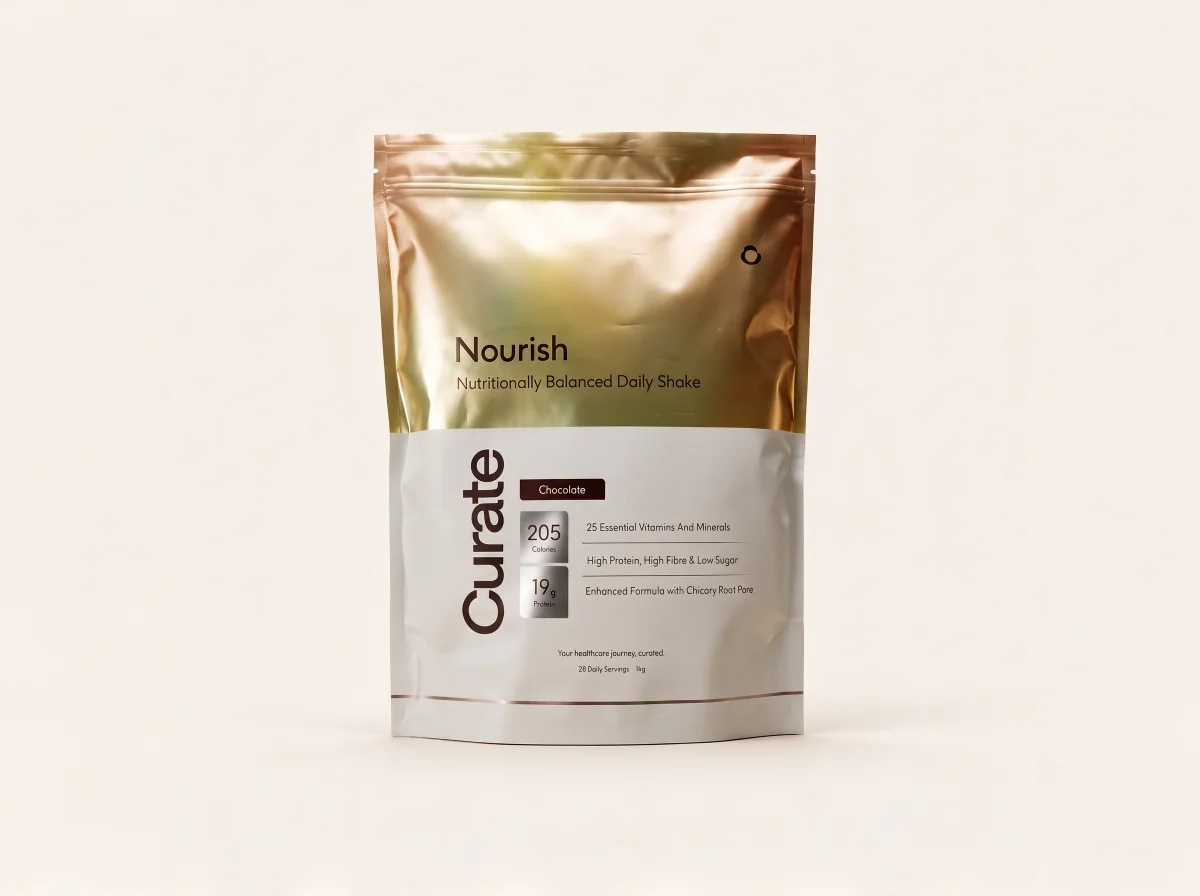
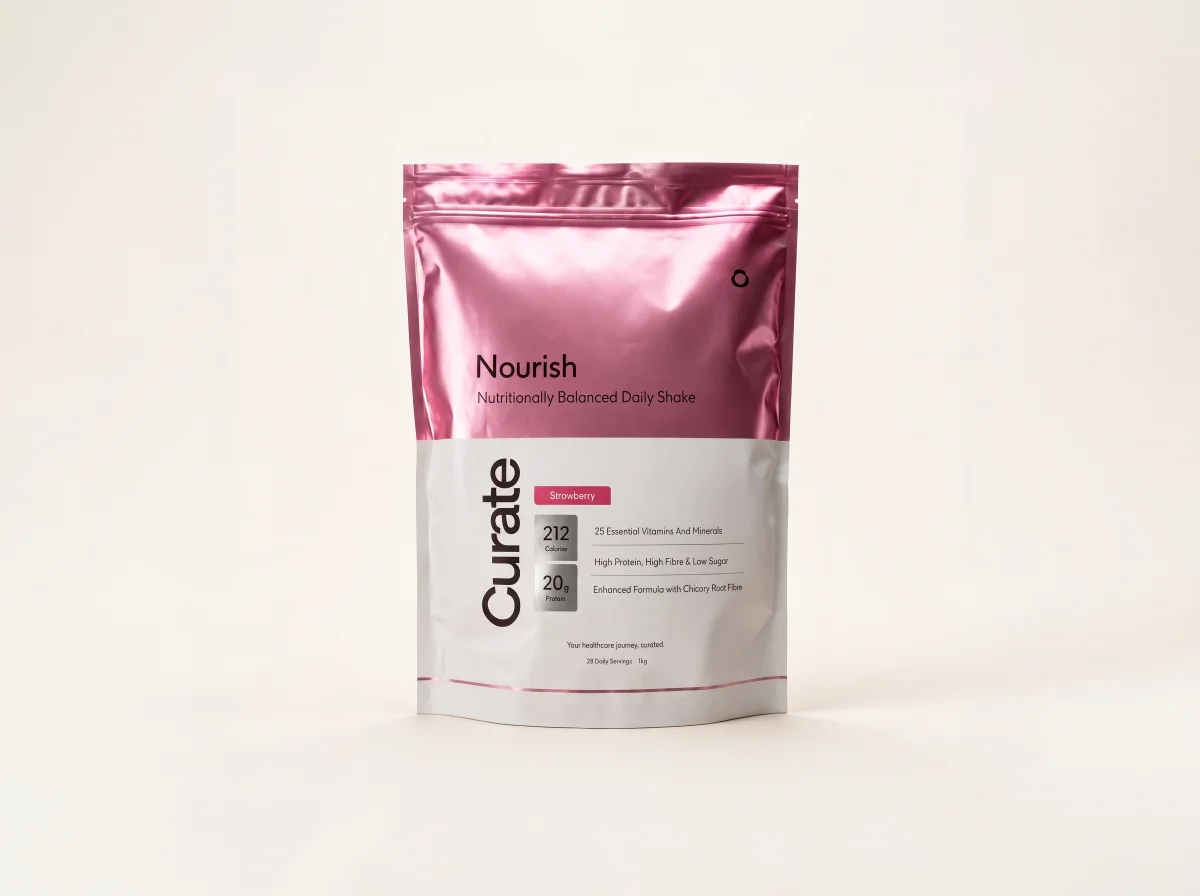
- Keep protein high to protect muscle and stay satisfied on less food.
- Maintain resistance training and everyday movement, which supports the energy you burn at rest.
- Hold on to the eating patterns and portion awareness that worked during active loss.
- Protect sleep and manage stress, both of which shape appetite and choices.
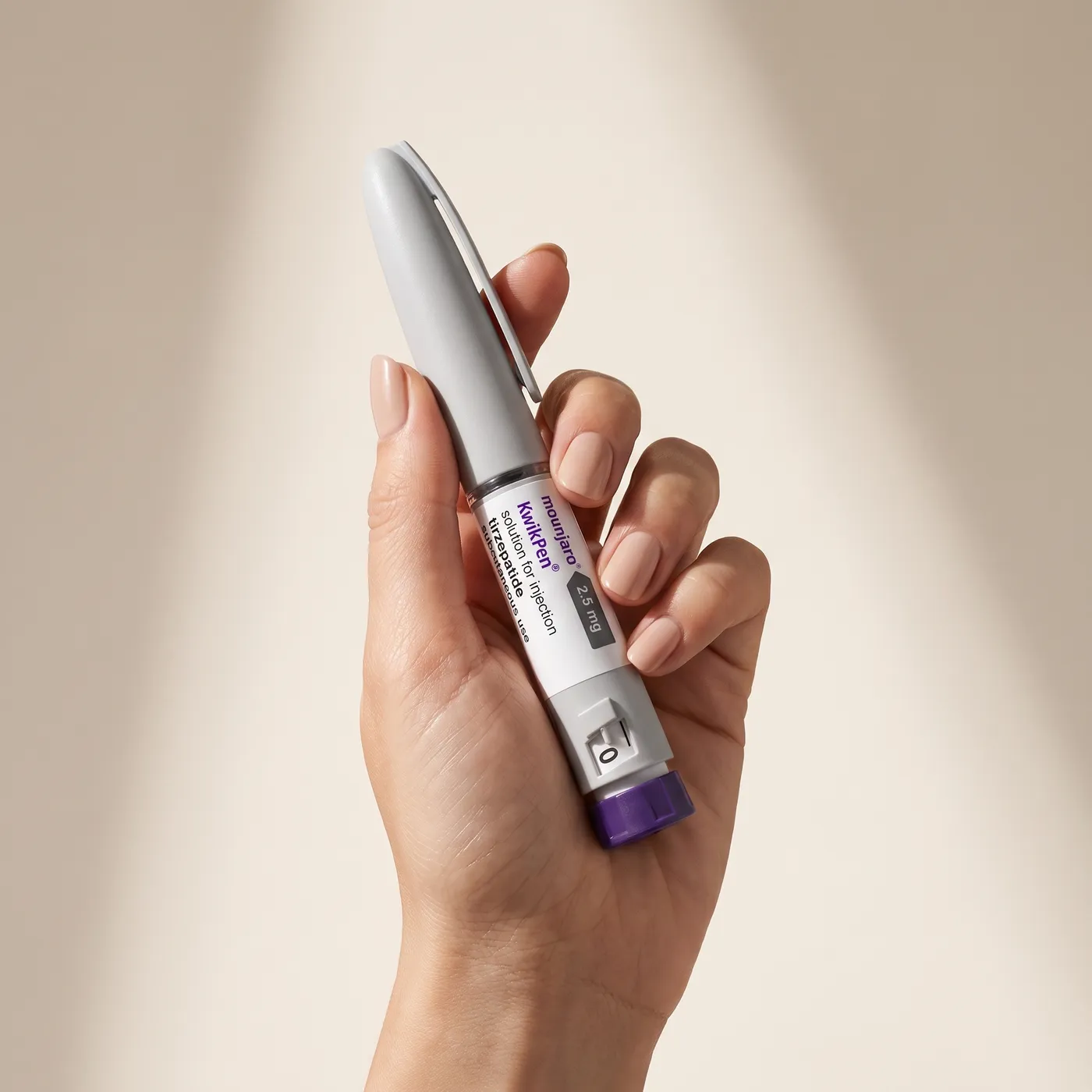
You may be able to eat a little more than during active loss, since you are no longer aiming for a deficit, but the structure that worked should largely stay in place. If you used a weight-loss medicine, your prescriber will advise whether you continue on a maintenance dose or step down; do not change this yourself.
It helps to think of maintenance in ranges rather than a single number. Weight naturally moves a pound or two day to day with fluid, food and hormones, so a fixed target can feel like constant failure. A range of a few pounds around your goal is more realistic and less stressful, and it still gives you a clear line at which to act. Protein at each meal and a couple of resistance sessions a week do most of the heavy lifting, because they protect the muscle that keeps your energy needs from falling further.
Catching drift early
Small regains are normal and expected; the skill is catching them while they are small. Deciding in advance on an upper limit that prompts action, perhaps a few pounds above target, means you respond to a couple of pounds rather than a couple of stone. Weighing on the same scales once or twice a week, at the same time of day, smooths out the daily noise. Checking where you sit on the BMI calculator occasionally can also help, though it is only one measure and says nothing about muscle. Early, modest corrections are far easier than starting over.
Does maintenance change after menopause?
Many women find weight harder to hold steady around and after menopause, as hormonal changes shift where fat is stored and can reduce muscle. The principles do not change, but you may need to lean a little harder on resistance training and protein to protect muscle, and be patient with slower progress. We cover the specifics in menopause and weight gain. Losing weight after menopause is still possible; it usually just asks for more consistency than dramatic change, and the same habits then keep it off.
Handling setbacks
A holiday, a stressful period or a lapse in habits is not a failure; it is part of real life. What matters is returning to your habits rather than abandoning them. An all-or-nothing mindset is the enemy of maintenance; consistency over time, including imperfect weeks, is what works. One heavy weekend does not undo months of progress, but treating it as proof that you have failed can. A useful rule is to get back to your normal routine at the very next meal, rather than waiting for Monday or the start of the month. The sooner you return to baseline, the smaller the correction needed and the less a single lapse matters.
If you are on or coming off treatment
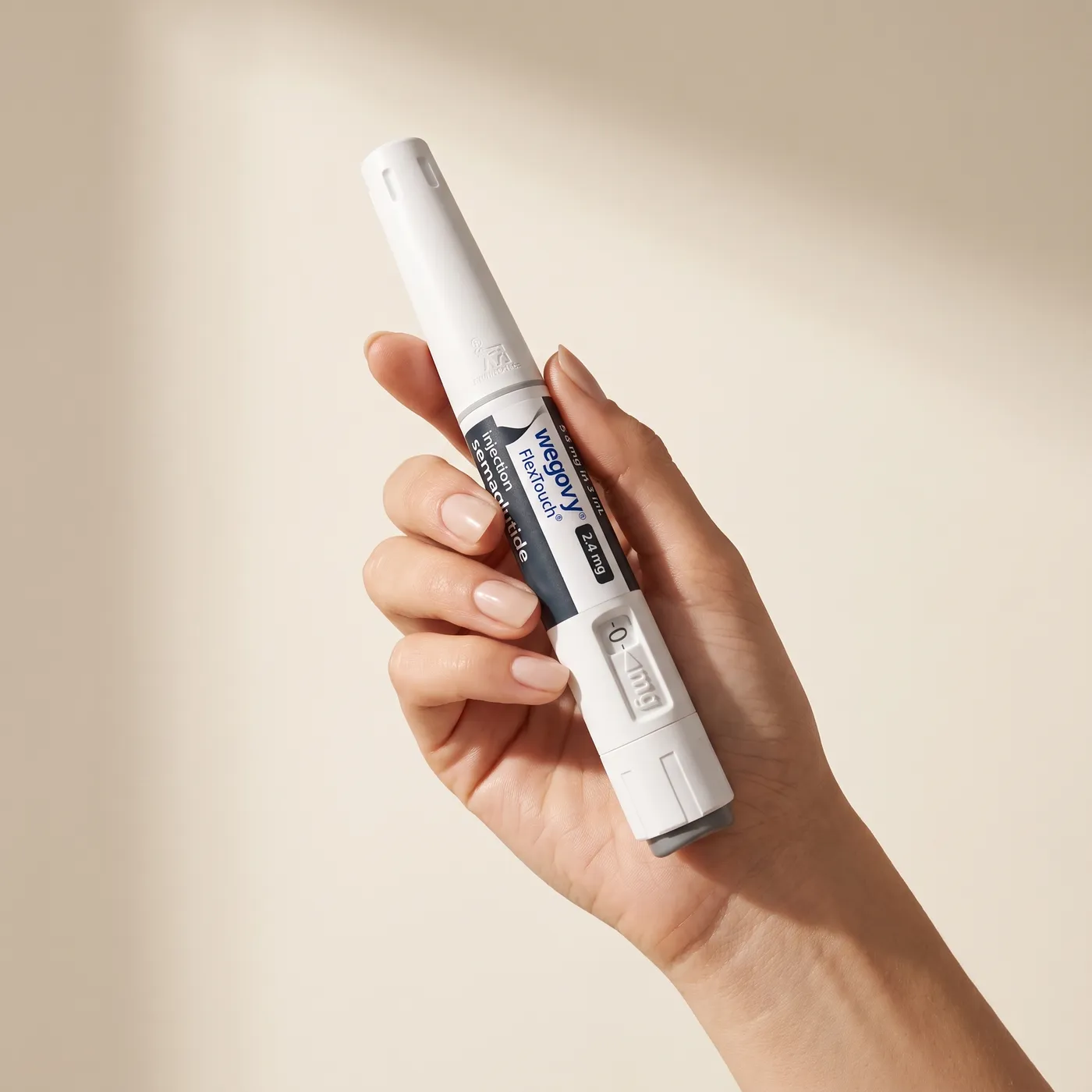
Whether you continue a weight-loss treatment long term or come off it, maintenance rests on the same behavioural foundations. Appetite often returns when treatment stops, so the habits matter more than ever at that point. If you are planning to stop, our guide to coming off GLP-1 treatment covers the transition and how to keep hold of your results.
The mindset shift
Reframing weight maintenance as an ongoing part of life, rather than a finish line, is what makes it sustainable. The goal is not perfection but a set of habits you can live with indefinitely. People who keep weight off long term tend to describe it as a steady routine that has become normal, not a constant battle of willpower. Research from long-term maintainers points the same way: the ones who succeed are not those with the most discipline, but those who built routines they no longer have to think hard about. If a habit feels punishing, it is unlikely to last, so it is worth adjusting your plan until it is something you would happily keep for years. That is the position to aim for.