





Here's what we'll cover
Muscle loss on Mounjaro, or during any substantial weight loss, is common but it is not inevitable. When you lose weight, some of what goes can be muscle rather than fat. Two things protect it: enough protein and regular resistance exercise, and both matter more when your appetite is low.
Why muscle matters
Muscle does more than move you. It supports strength and function in daily life, contributes to resting energy use, and helps with long-term weight maintenance. Losing muscle during weight loss can leave you weaker and can make keeping weight off harder, so protecting it is a priority, not an afterthought.
It matters more as you age. Adults naturally lose muscle from around their thirties onwards, and a dieting phase that strips lean tissue accelerates that decline. Muscle also helps regulate blood sugar, supports bone health through loading, and reduces the risk of falls and frailty later in life. Because muscle tissue uses more energy at rest than fat, keeping it also softens the drop in metabolic rate that comes with losing weight.
Why weight loss puts muscle at risk
When you are in a calorie deficit, the body can break down muscle for energy as well as fat, especially if protein intake is low or you are inactive. On a reduced appetite this risk rises, because it is easy to under-eat protein without meaning to.
The speed of loss matters too. Faster weight loss tends to take more lean tissue with it, which is one reason crash diets tend to leave people weaker rather than leaner. A steadier rate of loss, with protein and training in place, shifts the balance towards fat.
Muscle loss on Mounjaro and other GLP-1 treatments
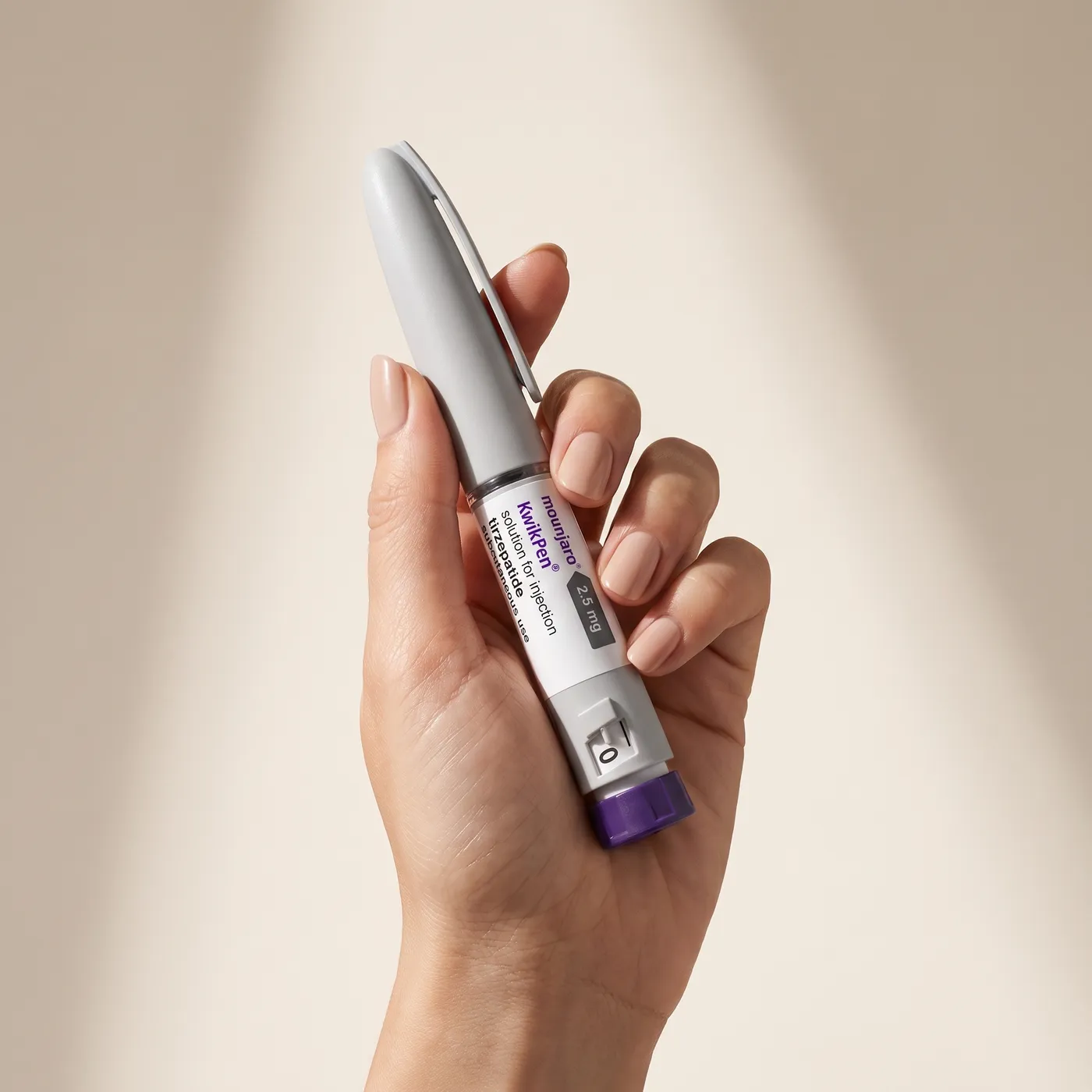
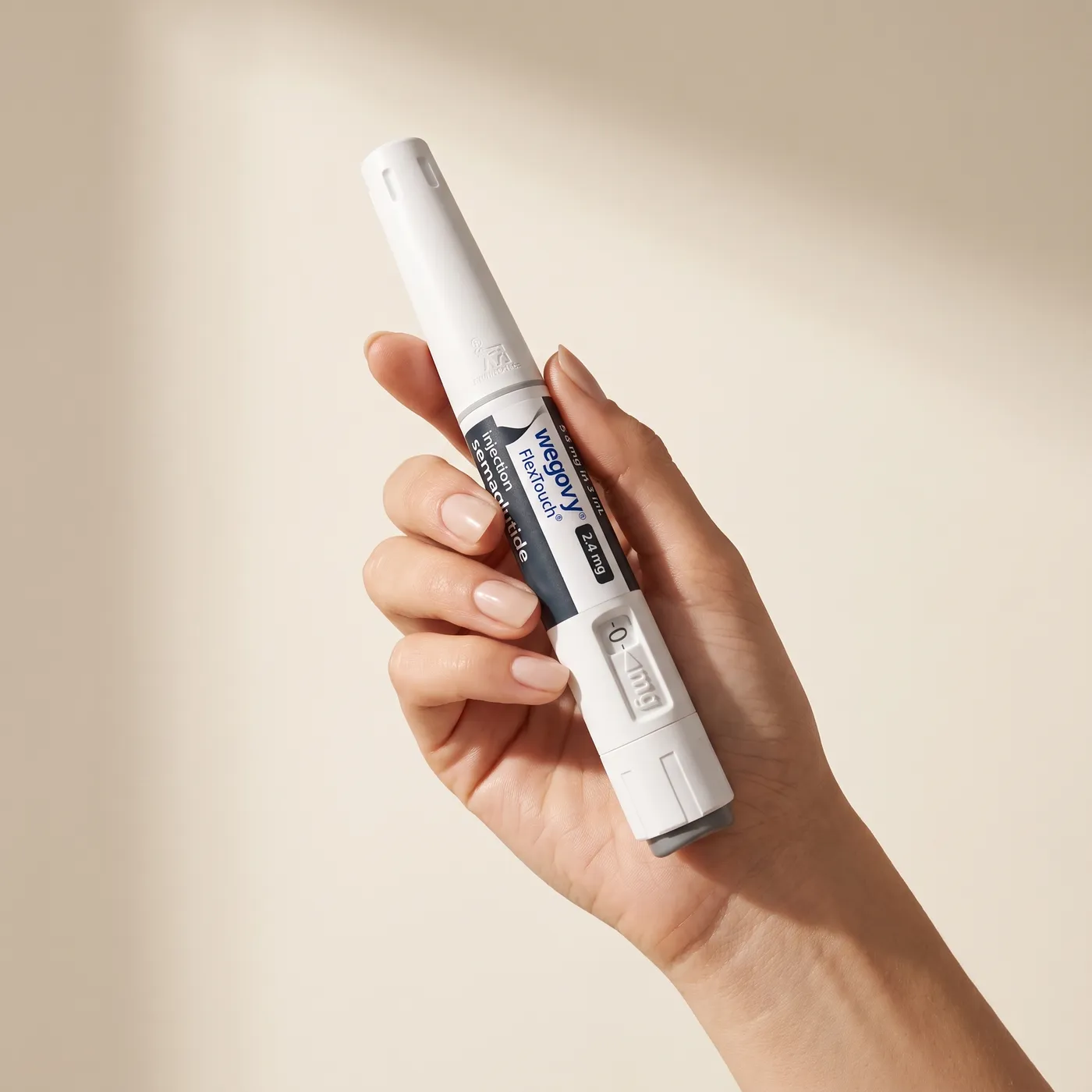
Weight-loss treatments such as Mounjaro (tirzepatide) and Wegovy (semaglutide) reduce appetite substantially, which is exactly how they help people lose weight. The trade-off is that eating much less makes it harder to reach the protein your muscles need. In clinical trials of semaglutide, body composition scans showed that lean tissue made up a portion of the total weight lost, alongside a much larger reduction in fat mass.
Muscle loss on Mounjaro is not a reason to avoid treatment: the same pattern appears with any large calorie deficit, including diet-only approaches. It is a reason to plan protein and strength work from the first weeks of treatment, rather than trying to rebuild muscle afterwards. If you are eating very little, our guide to eating with a reduced appetite has practical ways to fit protein into smaller meals.
Protector one: protein
Adequate protein gives the body the building blocks to maintain muscle while losing fat. Aim for a meaningful protein source at each meal, spread across the day. On a smaller appetite this takes planning, which is why protein targets during treatment have their own article in this series.
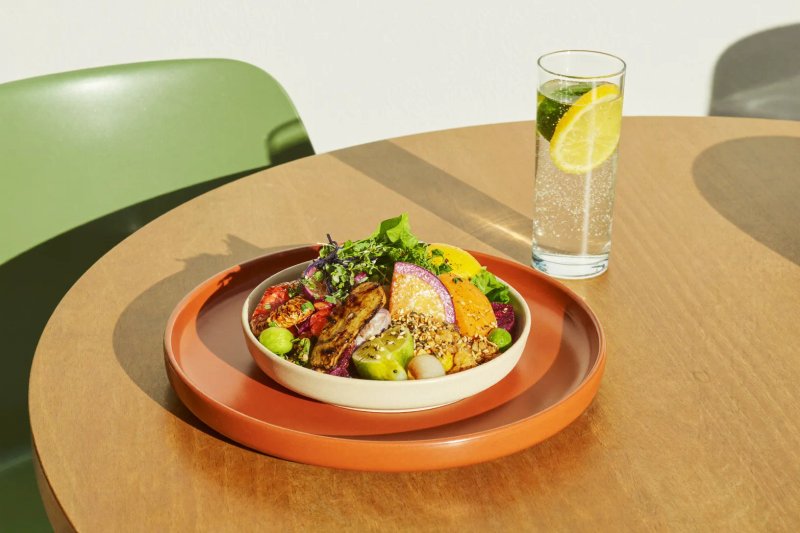
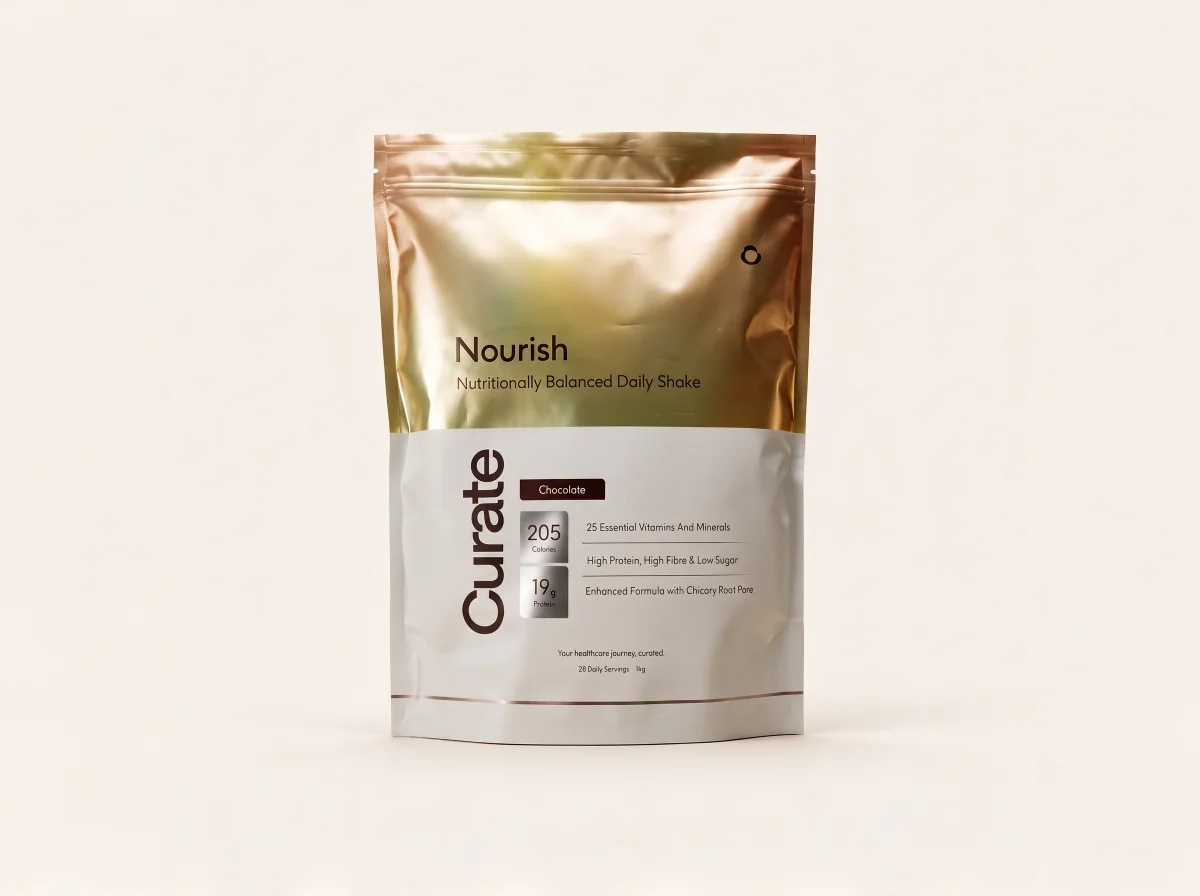
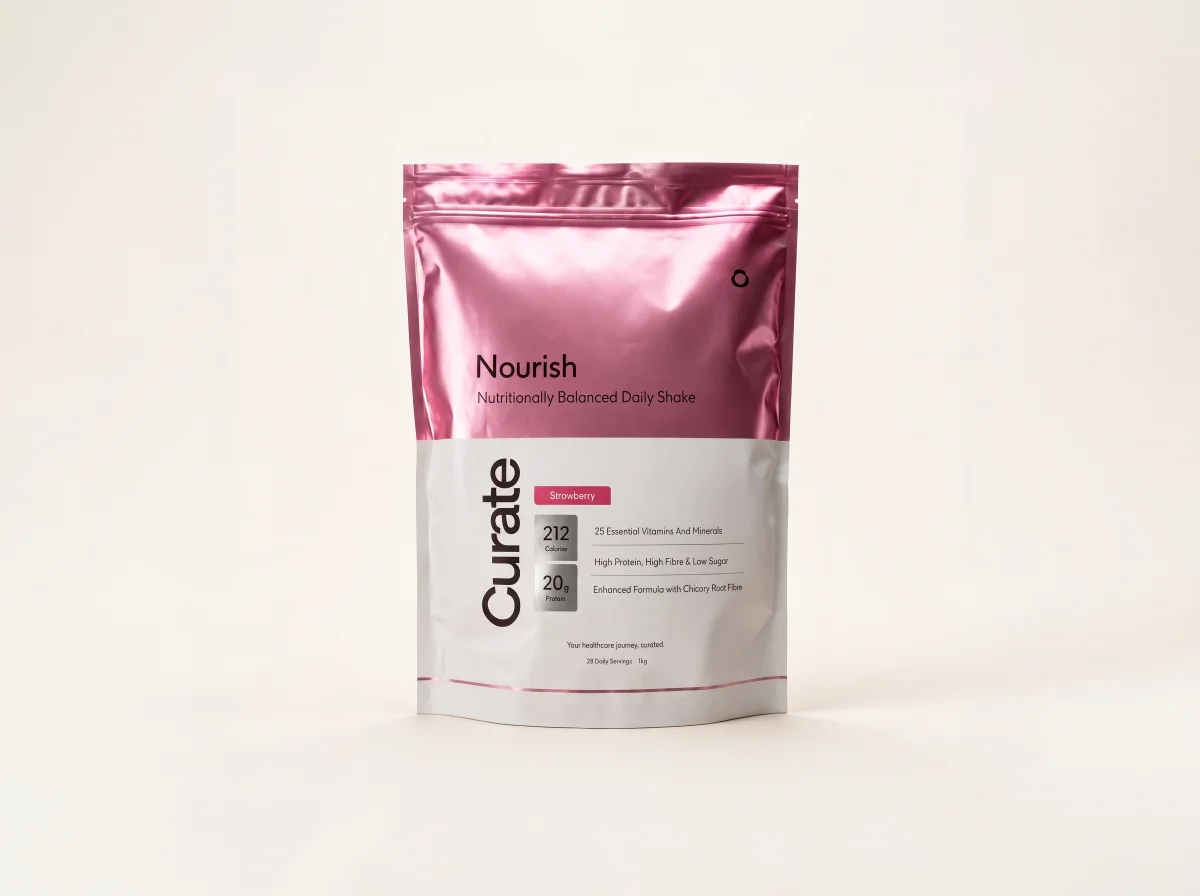
For most adults losing weight, spreading 20 to 30g of protein across three or four eating occasions is a realistic pattern. As a rough guide, a chicken breast provides around 30g, two eggs around 12g, and a pot of Greek yoghurt around 15g. Eggs, dairy, fish, lean meat, beans, lentils and tofu all count. Protein shakes and fortified drinks are a reasonable back-up on days when solid food does not appeal.
Protector two: resistance exercise
Resistance or strength training, using weights, resistance bands or your own body weight, signals the body to hold on to muscle. The UK Chief Medical Officers recommend strength work on at least two days a week for all adults. You do not need a gym or heavy weights to benefit:
- Two or more sessions a week, working the major muscle groups
- Bodyweight moves like squats, sit-to-stands, wall press-ups and lunges
- Resistance bands or household weights at home
- Building up gradually and consistently
If you are new to strength work, the NHS strength and flexibility routines are a free and sensible starting point. Start light, focus on form, and add repetitions or resistance gradually. Muscles adapt to what you ask of them, and during weight loss the goal is simply to keep asking.
How do you know if you are losing muscle?
Bathroom scales cannot tell you what kind of weight you are losing, and home body-composition scales are only rough estimates. More useful signals are practical ones: whether your strength is holding in everyday tasks and in your training, whether you can still carry the same shopping or climb stairs as easily, and how your measurements change relative to your weight.
If your weight is falling quickly but your strength is dropping noticeably, that is a prompt to check your protein intake, slow the rate of loss slightly, or add a strength session, and to raise it with your prescriber if you are on treatment.
Everyday movement helps too
Beyond structured training, staying generally active supports both muscle and overall health. Walking, using stairs and simply moving more through the day all contribute, and complement resistance work rather than replacing it.
The payoff
Protecting muscle means more of what you lose is fat, you stay stronger, and you are better set up to maintain your weight afterwards. It is one of the highest-value things to get right during any weight-loss effort, whether that is diet alone or alongside weight-loss treatment.
Pairing a calorie deficit with strength training for fat loss does not just preserve muscle. It also changes body composition in a way the scales alone will not show: clothes fit differently, posture and energy improve, and the weight you reach is easier to hold.