



Here's what we'll cover
Travelling with Mounjaro or another GLP-1 medicine takes a little planning but rarely causes problems: keep pens cool but never frozen, carry them in hand luggage with a copy of your prescription, and keep your weekly dose roughly on its usual schedule. Here is how to handle flights, security, hot weather and time zones.
What is GLP-1 medication?
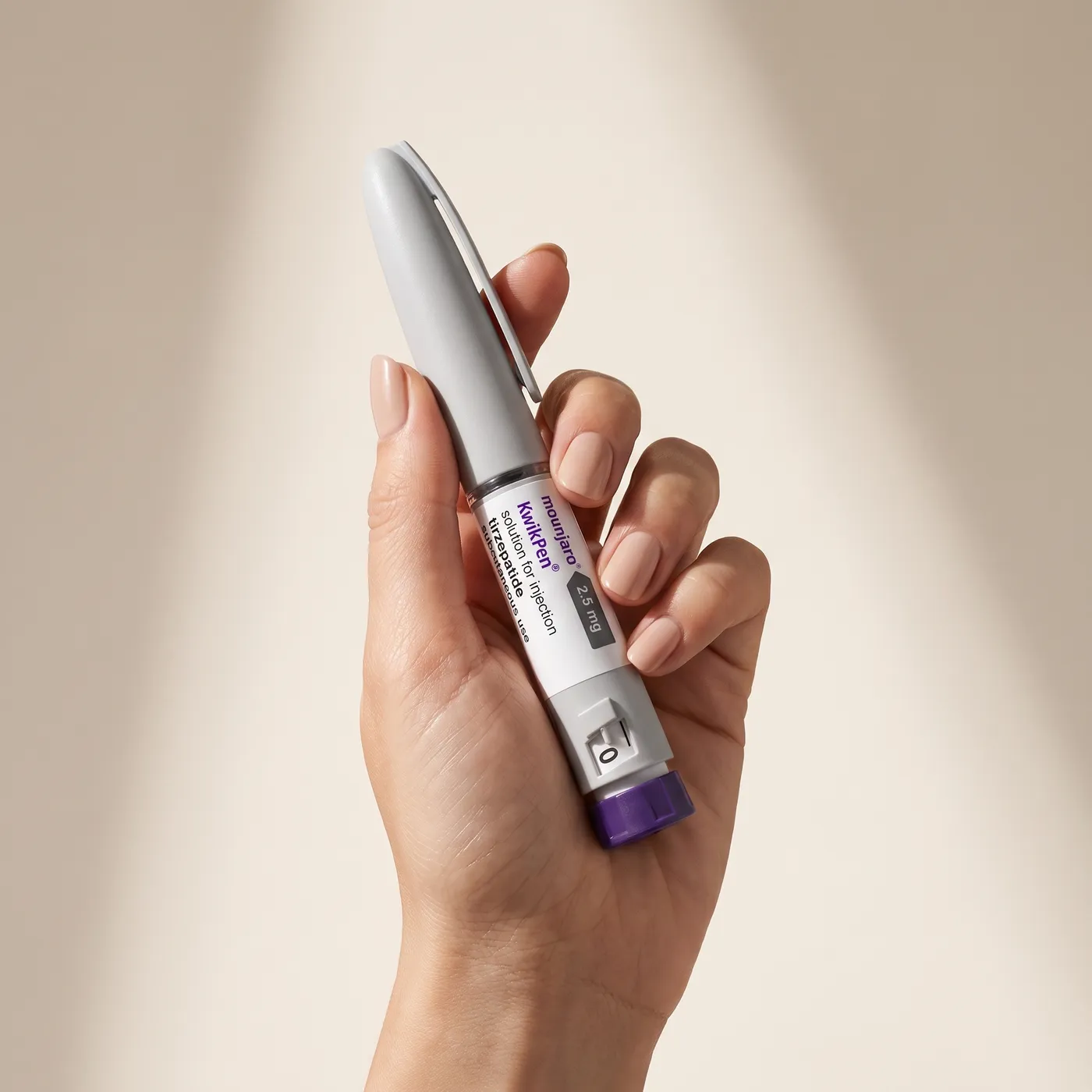
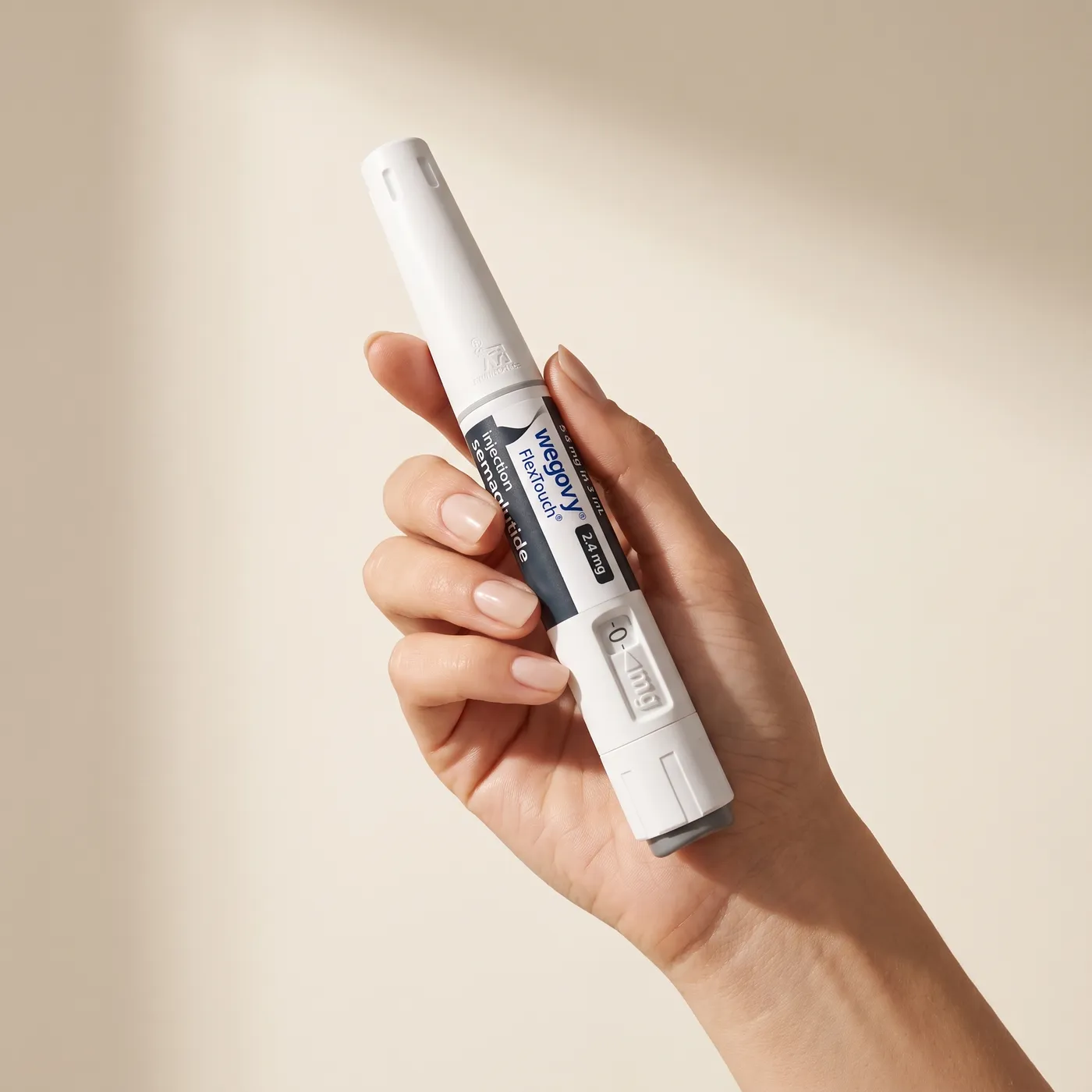
GLP-1 medication mimics a natural gut hormone that reduces appetite and slows digestion. In UK weight management that means Mounjaro (tirzepatide) and Wegovy (semaglutide), both weekly injection pens, plus a daily tablet form of semaglutide. Two travel-relevant facts follow from this. These are temperature-sensitive biological medicines, so storage rules matter more than for ordinary tablets. And they are long-acting, so the precise hour you inject matters far less than people expect, which makes crossing time zones simpler than it first appears.
How should you store Mounjaro while travelling?
Injectable GLP-1 medicines live in the fridge at 2 to 8°C before first use, but both major brands tolerate room temperature for a defined period, which is what makes travel practical. The Mounjaro product information allows the KwikPen to be kept below 30°C for up to 30 days once in use, and Wegovy's product information allows six weeks below 30°C after first use. Check the leaflet for your exact pen and dose, because presentations differ.
In transit, a travel cool bag or medical cool wallet keeps pens comfortably within range. Do not place pens directly against ice packs: freezing ruins the medicine, and a frozen pen must be thrown away even after it thaws. Once at your destination, follow the same limits you would at home; our guide to injection basics and storage covers the day-to-day rules.
Can you take Mounjaro on a plane?
Yes, and it should always travel in your hand luggage: the hold can drop below freezing, and lost baggage means lost treatment. Needles and injection pens are permitted through UK airport security for medical use, and medical liquids and cool packs are exempt from the 100 ml rule, though security may ask to see supporting evidence. The NHS advises carrying a copy of your prescription and, for some countries, a letter from your prescriber describing the medicine and why you need it.
Allow a little extra time at security in case you are asked about the pens, and keep everything in its original packaging with the pharmacy label and patient leaflet. It is also worth checking the rules of your destination country before you fly: a few countries restrict certain medicines or set quantity limits, and embassy websites list the requirements.
Time zones: when to take your weekly dose
Weekly injections are forgiving. Mounjaro and Wegovy are long-acting, so a shift of a few hours between time zones makes no meaningful difference; simply take your dose on the usual day in local time. If you ever need to move your injection day permanently, the product information allows it provided at least 72 hours have passed since the last dose for Mounjaro, and at least 48 hours for Wegovy. If a big shift is coming up and you are unsure, ask your pharmacy or prescriber before you go; our guide on how to inject Mounjaro covers dose-day mechanics in more detail.
The daily tablet is different. If you take the Wegovy pill, the fixed routine still applies wherever you are: on an empty stomach, with a small amount of water, then a wait before eating. Time-zone changes move your mornings, so think through how the routine fits your travel days; the comparison in oral vs injectable GLP-1 is useful if travel is a regular part of your life.
Hot countries and long trips
If your destination regularly exceeds 30°C, plan cooling before you go rather than improvising on arrival. A hotel-room fridge solves most of it; ask for one when booking if it is not standard, and check the fridge is not so cold that it risks freezing the pen. For days out, a rated medical cool wallet buys many hours below the threshold. For trips longer than your pen's room-temperature window, refrigeration at the destination stops the clock, because the in-use limit applies to time out of the fridge.
Practical packing checklist
Before you leave, run through this list:
- More medicine than you strictly need, in case of delays or a damaged pen
- Original packaging, pharmacy label and patient leaflet
- A copy of your prescription, plus a prescriber's letter for stricter destinations
- A cool bag or medical cool wallet, with pens never touching ice packs directly
- Spare needles and a travel sharps container, or a plan for safe disposal abroad
Timing your refill before you go is the other half of planning: order early enough that your delivery arrives comfortably before departure, rather than gambling on the day before. If a pen is lost or damaged abroad, contact your prescribing service; do not buy replacement weight-loss medicine from unverified local sellers, because counterfeit pens are a documented problem.
Holiday eating and staying comfortable
Travel tends to mean richer food, more alcohol and less routine, all of which can stir up the digestive side effects of GLP-1 treatment. Smaller portions, pacing yourself at buffets and keeping water to hand go a long way, and our advice on eating out on GLP-1 treatment applies just as well abroad. If nausea does strike mid-trip, plain food, fluids and patience usually settle it within a day or two.