



Here's what we'll cover
Eating out on Mounjaro and other GLP-1 treatments is entirely possible; you will simply eat less than you used to. A smaller appetite means large restaurant portions can feel like too much, so a little strategy around what you order and how quickly you eat keeps the occasion pleasant rather than uncomfortable. Social meals do not have to be sacrificed on treatment, they just work a bit differently.
What is GLP-1, and why does eating out change?
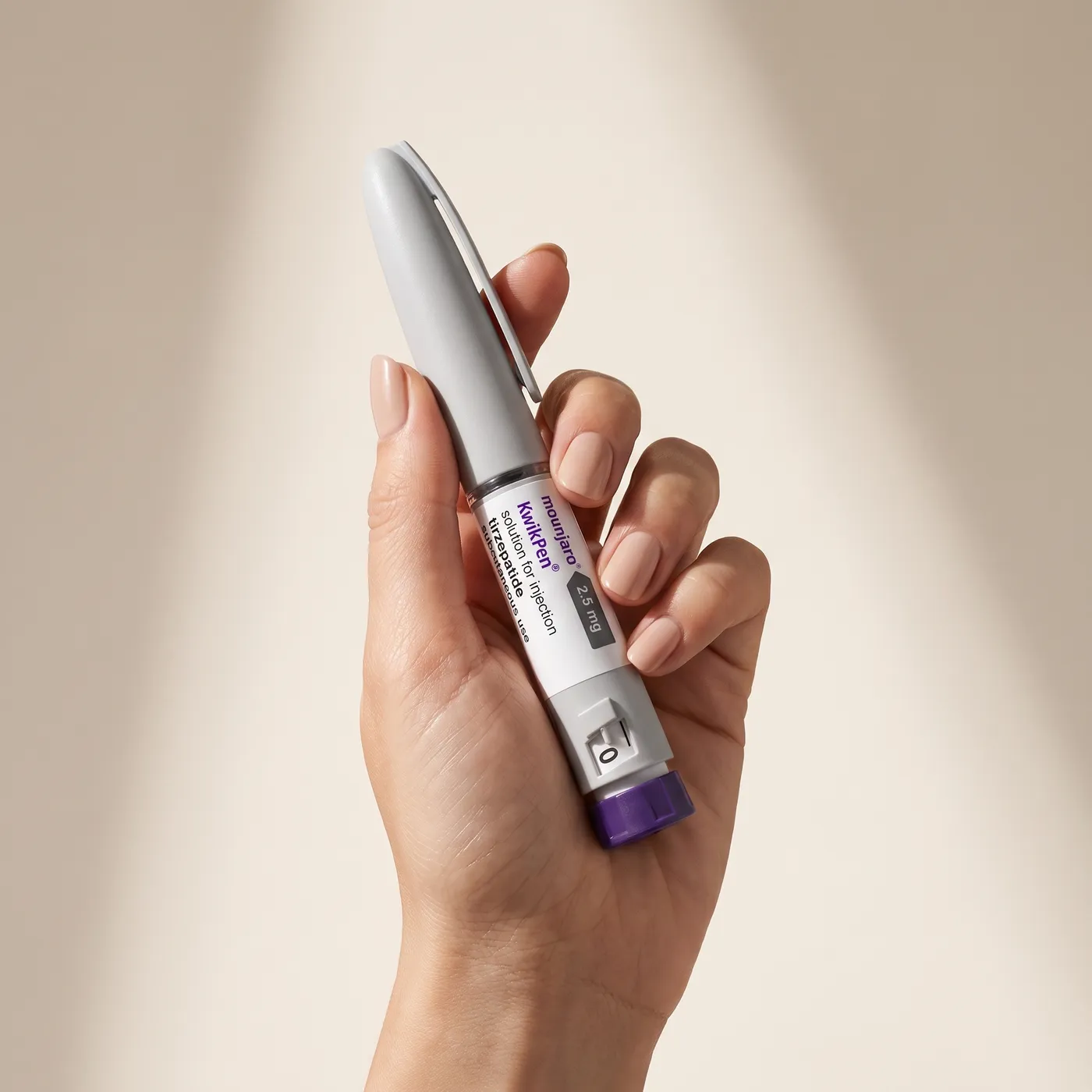
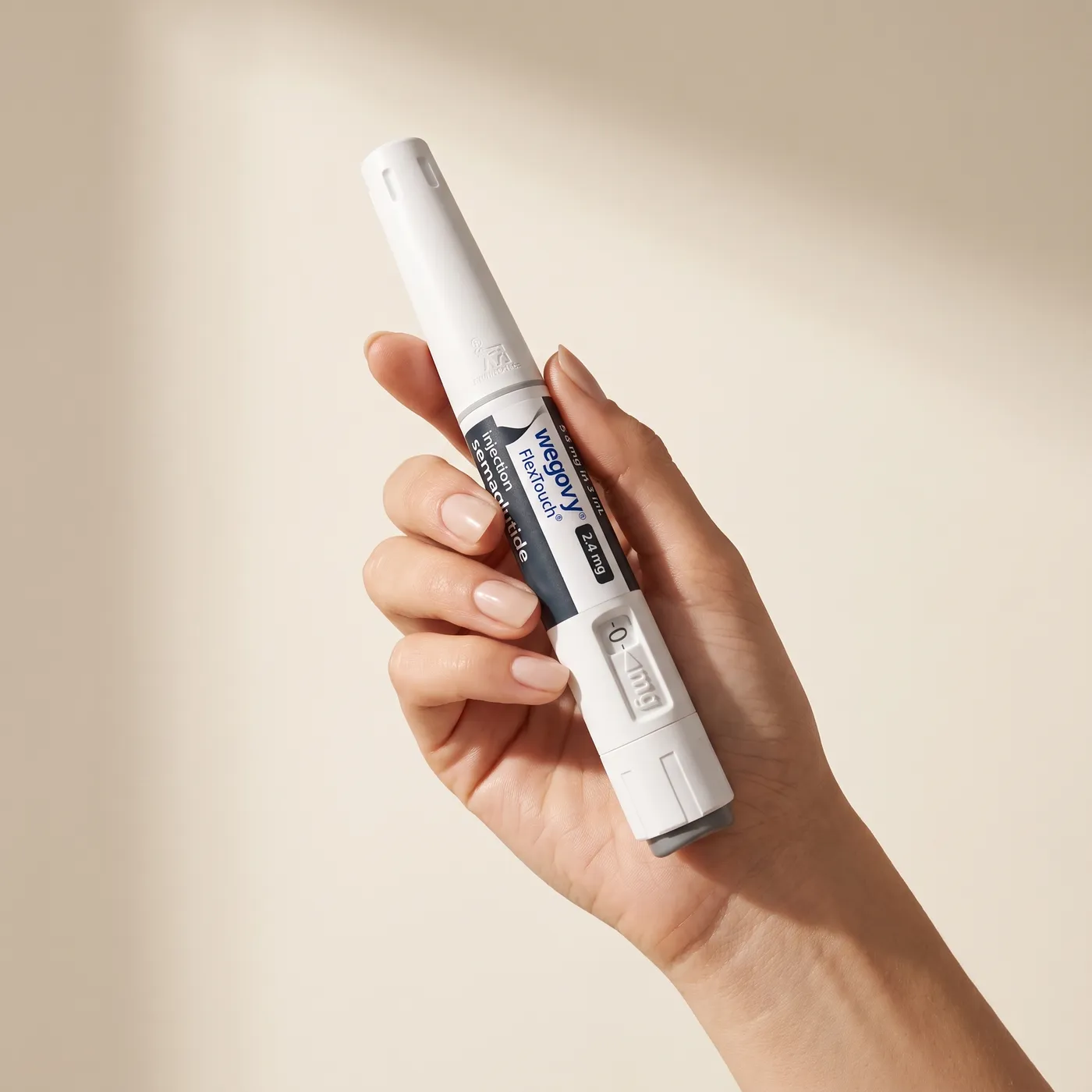
GLP-1 stands for glucagon-like peptide-1, a gut hormone that helps regulate appetite. Medicines such as Mounjaro (tirzepatide) and Wegovy (semaglutide) mimic its effect, reducing hunger and slowing how quickly the stomach empties. That slower emptying is why you feel full sooner and stay full longer, and why a full restaurant main can suddenly feel like far too much. Understanding this makes eating out easier to plan for; you are working with a smaller, quicker-to-fill stomach. If a reduced appetite is new to you, our guide to eating with a reduced appetite covers the day-to-day side, and Mounjaro explains the treatment itself.
Portions are the main change
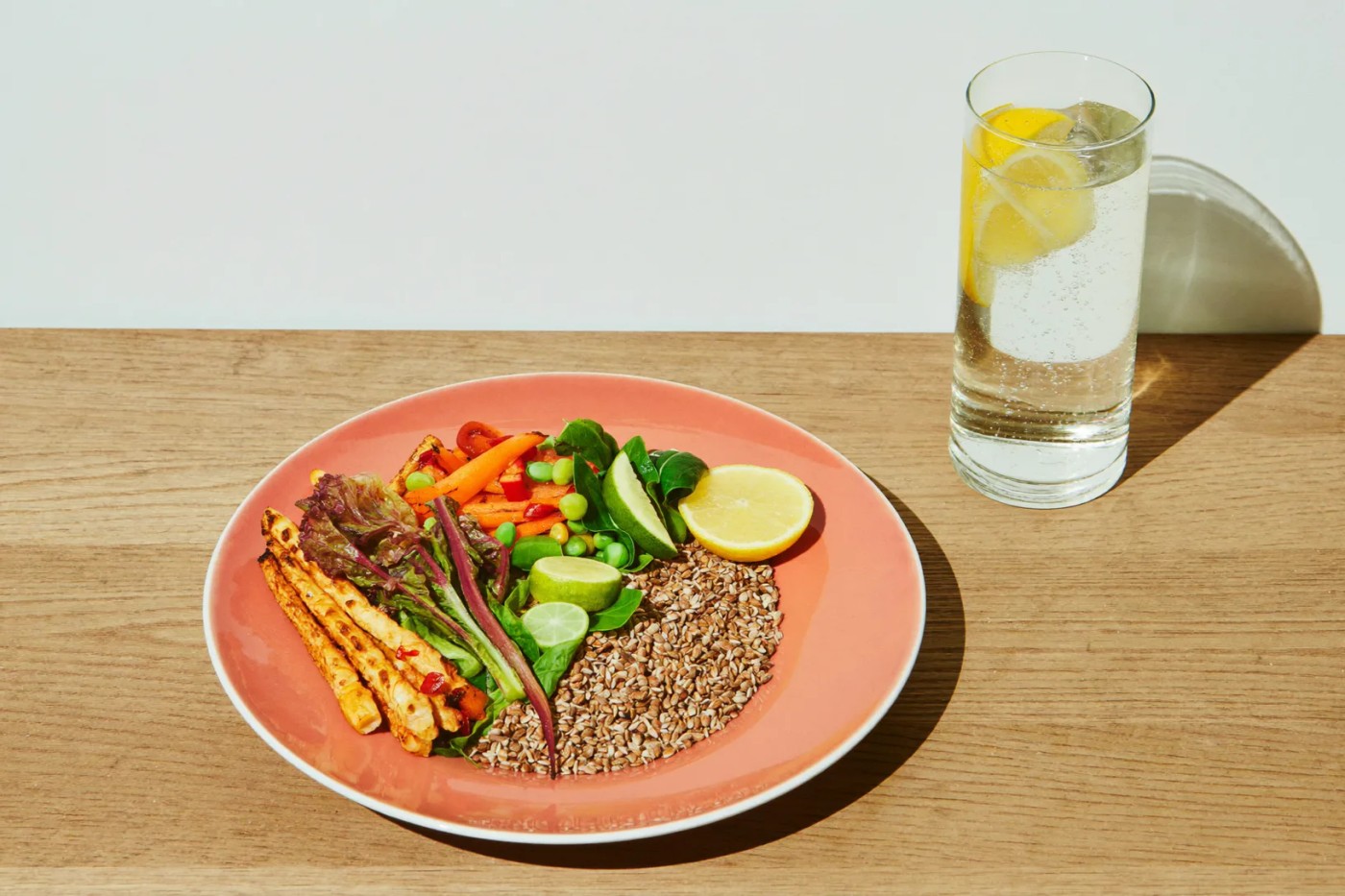
The biggest difference is how much you can comfortably eat. Restaurant portions are often large, and a full main can be too much on treatment. Rather than forcing it, plan for smaller amounts and do not feel obliged to finish. Eating past comfortable fullness is the most common cause of feeling unwell after a meal out, so the simplest rule is to stop when you are satisfied, not when the plate is empty. It can take a little practice to trust the new fullness signal, since it often arrives sooner and more firmly than before. Putting your cutlery down between mouthfuls and giving yourself a few minutes partway through the meal makes it easier to notice.
Ordering strategies
- Order a starter as your main, or two starters instead of a main.
- Share dishes so you can taste more without overeating.
- Ask for a smaller portion or a box to take leftovers home.
- Lead with the protein and vegetables, which help you feel satisfied on less.
The same principles that make everyday meals easier apply here; our guide to meal planning on GLP-1s covers building meals around protein, and the NHS has practical advice on healthier takeaway and restaurant choices if you want a fuller list.
Watch the rich stuff
Very fatty, fried or heavy meals are the most likely to cause nausea or reflux on treatment, especially in the early weeks. This is partly because slower stomach emptying, noted in the Mounjaro product information, means a rich meal sits in the stomach longer. You do not have to avoid these foods entirely, but be aware that a heavy meal may sit less comfortably than it used to, and pace yourself accordingly. If nausea is a recurring problem, our guide to managing nausea on GLP-1s has more.
Alcohol at social occasions
If you drink, remember that eating less can mean alcohol affects you more quickly, and that it can worsen digestive side effects. Pacing drinks, alternating with water and not drinking on an empty stomach all help. It is also worth keeping the UK low-risk drinking guidelines in mind, since alcohol adds calories that work against your goals. We cover the interaction more fully in GLP-1s and alcohol.
Planning around a special meal
If you have a big meal coming up, a little forethought helps. Some people find they are naturally hungrier at certain points in their weekly injection cycle and lighter at others, so you may notice your appetite is not the same at every meal out. There is no need to skip meals beforehand to save room; arriving very hungry can make nausea more likely and tends to lead to eating too fast. Instead, eat normally through the day and let your appetite guide how much you order. If you are unsure how any of this fits with your own treatment, your prescriber or pharmacist can advise, and you should not change your dose or its timing to accommodate an event.
Keeping it social, not stressful
The point of eating out is often the company as much as the food. Shifting the focus from clearing your plate to enjoying the occasion tends to make treatment fit more easily into your social life, not less. If you feel self-conscious about eating less, remember that most people at the table are far more interested in the conversation than in what is left on your plate. You can also order at your own pace, starting with a drink and deciding on food once you see how hungry you actually are. If a host presses you to have more, a simple line such as "this is plenty for me" is usually all it takes, and you are under no obligation to explain your treatment to anyone.
If you overdo it
If you occasionally eat more than is comfortable and feel unwell, it usually passes. Eating slowly, stopping earlier next time and going easier on rich foods are the practical lessons; one uncomfortable meal is not a setback. Sipping water, staying upright and giving your stomach time to empty tend to settle things, and a gentle walk afterwards can help too. Over a few outings, most people learn their own comfortable limit, and eating out on Mounjaro becomes second nature rather than something to plan around anxiously. The aim is not to police every meal, but to enjoy the occasion while respecting the smaller appetite treatment gives you.