





Here's what we'll cover
Choosing between oral GLP-1 treatment and the injectable form comes down to a straightforward trade: the injection is weekly and low-fuss once you are used to it; the tablet avoids needles but needs a disciplined morning routine. Both deliver the same class of medicine, both are prescription-only in the UK, and neither is universally better. This guide explains what GLP-1 actually is, how the two formats differ in practice, and how to think about which fits your life.
What is GLP-1?
GLP-1, short for glucagon-like peptide-1, is a hormone your gut releases after eating. It signals fullness to the brain, slows how quickly the stomach empties, and supports insulin release to steady blood sugar. GLP-1 medicines are engineered versions of this signal that last far longer than the natural hormone, so the feeling of fullness persists between meals and appetite falls. That single mechanism is shared by every treatment in the class, whichever way it enters the body; our guide to how GLP-1 weight-loss treatments work covers the biology in more depth. What differs between oral and injectable GLP-1 is not what the medicine does, but how it gets into the bloodstream, and that difference drives almost everything else in this comparison.
The injectable format
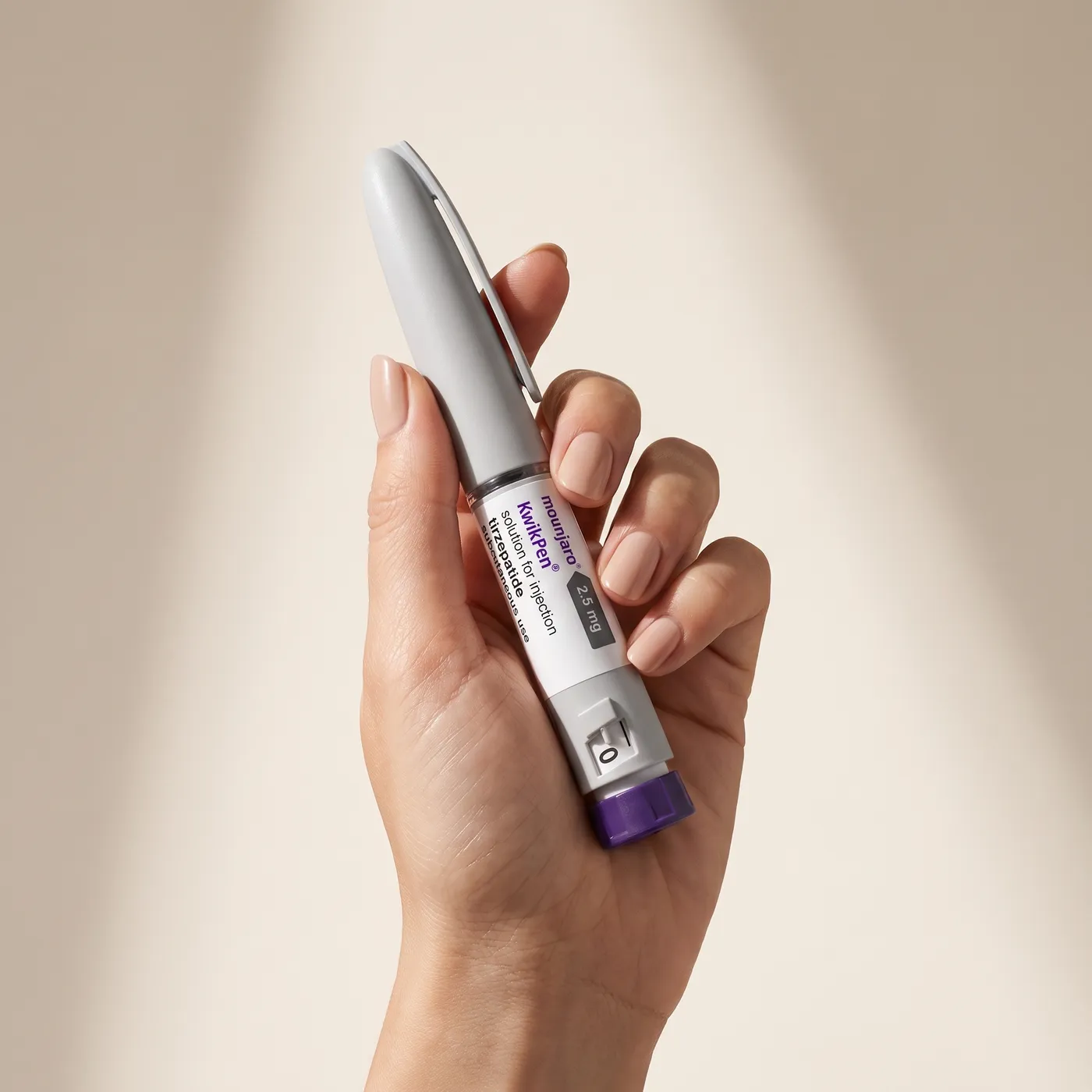
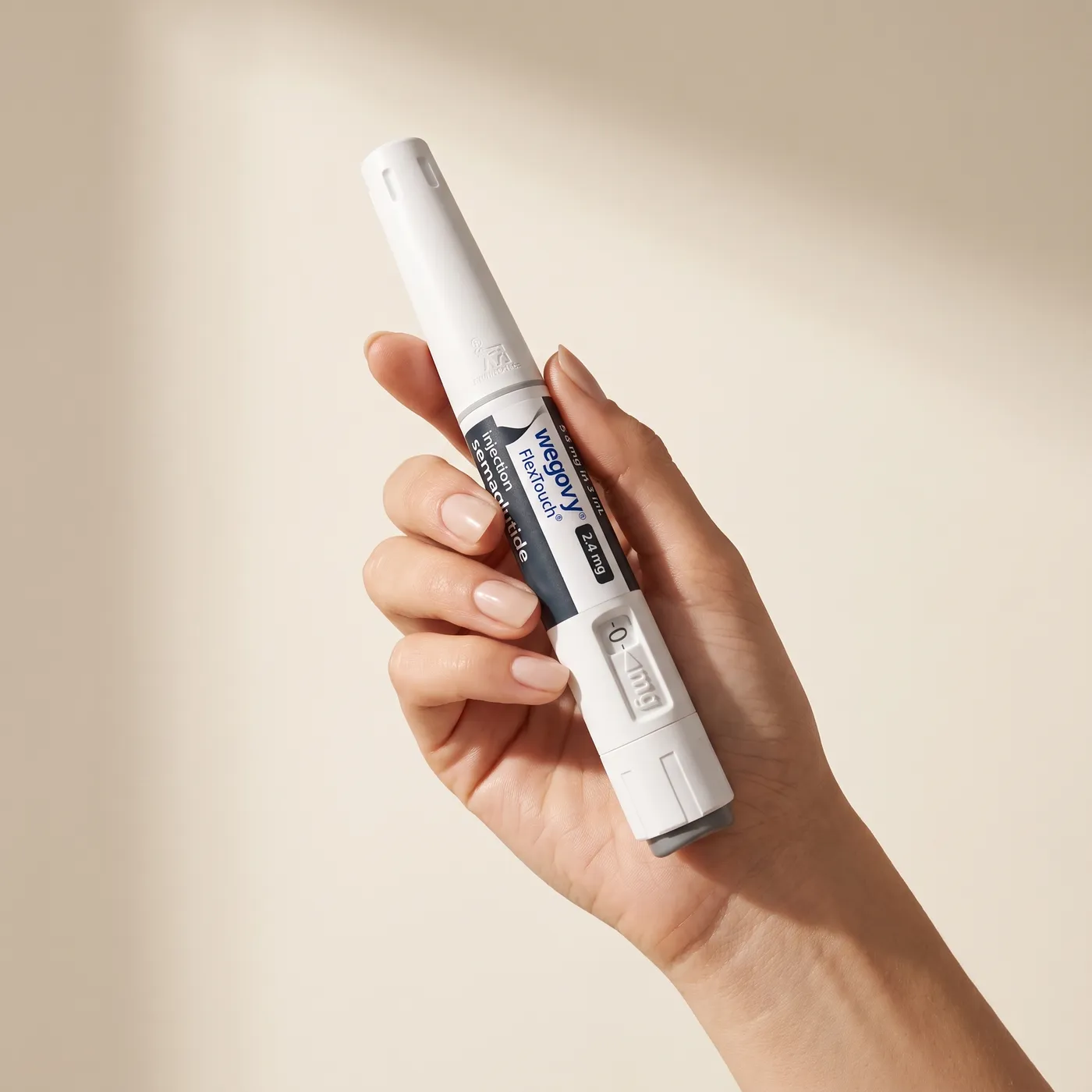
Injectable GLP-1 treatments, which include Wegovy (semaglutide) and Mounjaro (tirzepatide), are given once a week using a pre-filled pen with a very fine needle, usually into the stomach, thigh or upper arm. Many people find the weekly rhythm easy to keep to, and after the first few times the injection itself is quick and largely painless. Because the medicine is deposited under the skin and released steadily, blood levels stay smooth across the week with a single action, and there are no rules about food or drink around the dose. The main practical demands are remembering the weekly day and storing the pens correctly, which matters most when travelling.
The tablet format: how oral GLP-1 works
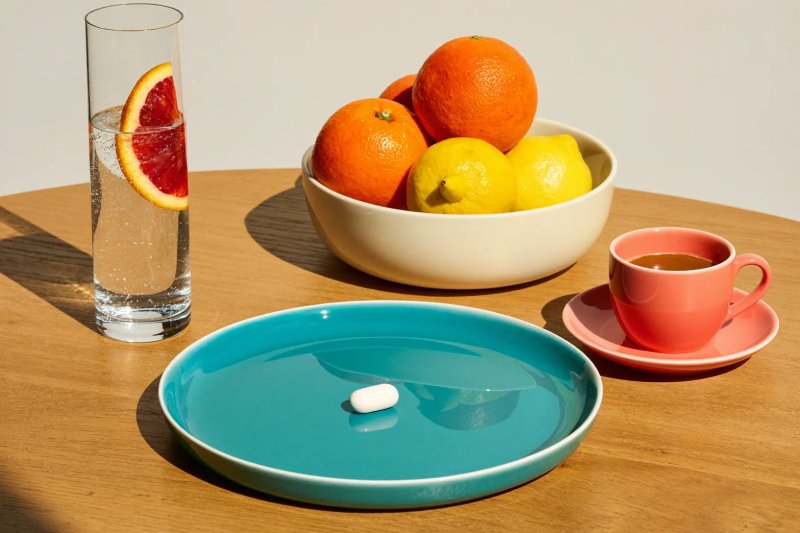
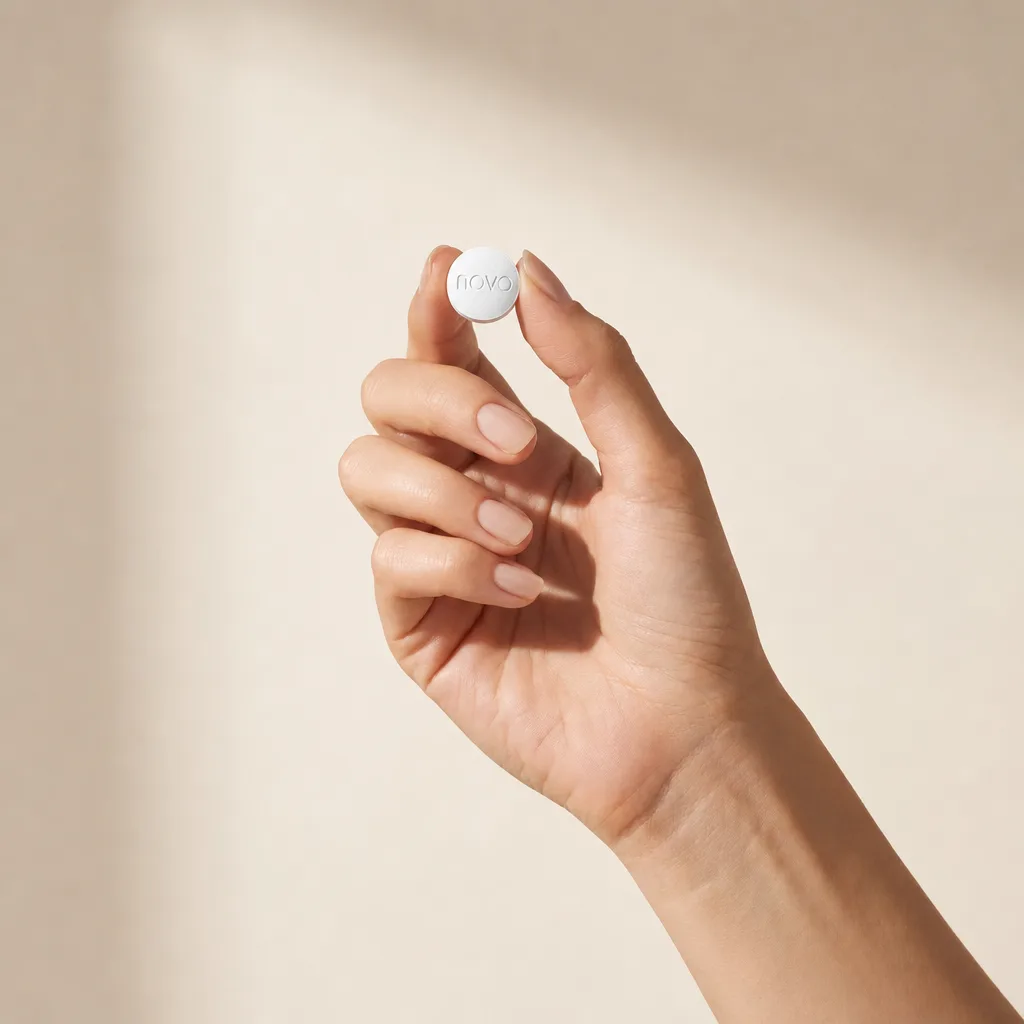
A tablet form of semaglutide, the Wegovy Pill, is available in the UK, approved by the MHRA for weight management. It is taken every day rather than weekly, and it comes with a specific routine: on an empty stomach, with a small sip of plain water, waiting 30 minutes before eating, drinking anything else or taking other medicines. This is not arbitrary. Semaglutide is a peptide the stomach would normally digest, so the tablet pairs it with an absorption enhancer that only works in a narrow window; if the routine slips, far less medicine is absorbed that day. Our step-by-step guide to taking the Wegovy pill covers the routine and the common real-life complications.
Does one work better?
Both formats deliver an established active ingredient, and both are backed by clinical trial evidence. The doses look very different on paper, because only a small fraction of an oral dose survives the stomach, but that is a delivery question, not an effectiveness verdict; the tablet is dosed to compensate. In practice, the better choice is the one you will actually take consistently and that is clinically appropriate for you. Someone who dreads needles may do far better on a tablet they take faithfully every morning; someone with unpredictable mornings may find the weekly injection much easier to sustain. Consistency, not format, is what determines results, because a mistimed tablet or a skipped injection both mean less medicine on board.
Are the side effects different?
Broadly, no. Because the mechanism is the same once the medicine is in the bloodstream, the side-effect profile is shared across the class: nausea, constipation, diarrhoea and reduced appetite, most noticeable in the early weeks and around dose increases, and usually settling as the body adjusts. Both formats step the dose up gradually for exactly this reason. The tablet adds no injection-site reactions, for obvious reasons, while the injection avoids any interaction between the dose and your breakfast timing. Our guide to GLP-1 treatment side effects covers what to expect and the red flags that need prompt attention, and the NHS semaglutide page lists the recognised effects for both forms of that medicine.
Travel and storage
The tablet is generally simpler to travel with, as it does not need refrigeration; its constraint is moisture, so it stays in the original blister pack rather than a pill organiser. Injectable pens need cold storage before first use and have temperature limits afterwards, which takes planning on longer trips. Time zones cut the other way: a weekly injection barely notices a holiday, while a daily empty-stomach tablet routine has to survive jet lag and hotel breakfasts. We cover travelling with GLP-1 medication in its own article, including flights, storage and schedule shifts.
Can you switch between the tablet and the injection?
Yes, but it is a clinical decision rather than a straight swap. Because the two forms are absorbed so differently, their dose ladders do not map onto each other milligram for milligram, so a prescriber has to translate your current dose into the equivalent starting point on the other format and may re-run part of the escalation. People switch in both directions for good reasons: a tablet routine that keeps failing in practice, a needle aversion that never eased, a travel-heavy season, or supply availability. If your current format is not working for your life, raising it at a review is far better than quietly missing doses, because an honest switch preserves the treatment while silent under-dosing wastes it.
Deciding
Both formats are prescription-only medicines with the same eligibility criteria, based on body mass index and weight-related health conditions. A UK prescriber talks through the trade-offs, checks clinical suitability against your history and other medicines, and helps you choose the format most likely to work for you in practice. A useful way to frame the decision before that conversation: picture your actual mornings, your travel pattern and your feelings about needles, then ask which format you could still be doing without thinking in six months. The medicine works over months, so the honest answer to that question matters more than any difference on paper.