




Here's what we'll cover
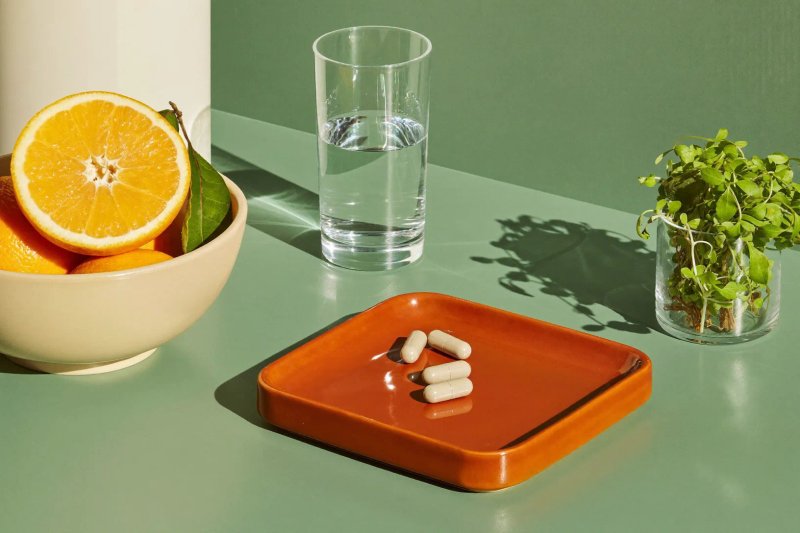
Vitamin D and B12 deficiency together produce overlapping symptoms such as tiredness, low mood, muscle aches and poor concentration, and the two commonly appear in the same person on a plant-based diet. Animal foods are the main natural source of both, so anyone eating mostly or entirely plants can lose their B12 supply and their winter vitamin D top-up at the same time.
That single sentence is the whole story in miniature. Most supplement questions are genuinely optional, but these two are not. The rest of this article explains why the shortfall happens, what the symptoms look like, how to tell the two deficiencies apart, and how to cover both cheaply and reliably on a vegan or vegetarian diet.
Why plant-based diets fall short on B12
Vitamin B12 is made by microbes, not by plants or animals, but it accumulates in animal tissues, which is why meat, fish, eggs and dairy supply it in typical diets. Plant foods do not contain reliable, active B12. Certain algae, mushrooms or unwashed produce are sometimes claimed as sources, but the amounts are unreliable or the form is not usable by the body. A well-planned vegan diet plans B12 in deliberately rather than hoping to stumble across it.
This is not a controversial position among dietitians. The British Dietetic Association's guidance on plant-based diets is explicit that vegans need a reliable B12 source from fortified foods or supplements, and the Vegan Society says the same. The disagreement you see online is between marketing and evidence, not between experts. We also cover the deficiency itself, including non-dietary causes such as absorption problems, in our guide to vitamin B12 deficiency.
What are the symptoms of vitamin B12 deficiency?
B12 is essential for making red blood cells, for nerve function and for DNA synthesis. Deficiency develops slowly, because the body holds stores that can last months to years, which is precisely why it catches people out. When symptoms appear they can include fatigue, tingling or numbness in the hands and feet, balance problems, a sore mouth or tongue, and problems with memory or mood. Low B12 also causes a distinctive anaemia; the NHS page on vitamin B12 deficiency anaemia lists the full picture. Nerve damage from prolonged deficiency can be slow to recover, or in severe cases may not fully resolve, which is why prevention matters more than treatment.
Vitamin D and B12 deficiency together: symptoms and overlap
What causes vitamin D deficiency is mostly geography rather than diet. Between roughly October and March, UK sunlight is too weak for skin to make any vitamin D at all. Food covers only a small share of needs, and the main dietary sources, oily fish, eggs and fortified dairy, are largely animal foods. Someone eating fully plant-based therefore loses both the dietary top-up for vitamin D and the only natural sources of B12 at the same time, which is why the two deficiencies so often appear together.
The signs of vitamin D deficiency are vague and overlap heavily with low B12: tiredness, low mood and general aches, progressing in severe cases to bone pain and muscle weakness. That overlap means you cannot reliably tell the two apart by how you feel; a blood test can. We list the symptoms of vitamin D deficiency in our separate guide to the signs of vitamin D deficiency.
The fix is the same for everyone, plant-based or not. The NHS advises that most adults consider a daily 10 microgram vitamin D supplement through autumn and winter, and year-round for people with little sun exposure or darker skin. The practical detail is in our guide to vitamin D and UK guidance. On a vegan diet, check the supplement is vitamin D2 or lichen-derived D3, as standard D3 is usually made from lanolin.
How to get enough B12 on a plant-based diet
There are a few reliable routes, and combining them is fine:
- Fortified foods: many plant milks, nutritional yeast products and some breakfast cereals have B12 added. Check the label, as fortification is not universal, and you would need fortified foods two or three times a day to rely on them alone.
- A food supplement for vitamin B12: cyanocobalamin and methylcobalamin are the common forms, and cyanocobalamin is the best studied and most stable. A smaller daily dose of 10 to 25 micrograms, or a larger weekly dose of around 2,000 micrograms, both work.
- Sprays and sublingual tablets are also available and are a reasonable option, though the evidence does not show they outperform ordinary tablets.
The UK reference intake is small, around 1.5 micrograms a day, but a food supplement for vitamin B12 often contains far more because only a fraction is absorbed at once. That is expected and not a problem; excess water-soluble B12 is largely excreted, and the NHS overview of B vitamins notes there is insufficient evidence of harm from high oral doses. Do not be alarmed by a tablet listing hundreds of times the daily requirement; that reflects limited absorption, not an overdose.
Testing and special situations
A GP can check your B12 level with a blood test if deficiency is suspected. This is worth doing if you have been plant-based without supplementing for a long time, or if you have symptoms. B12 also matters in pregnancy and breastfeeding on a vegan diet, for both parent and baby, and is one of several micronutrients worth planning on restricted diets. High-dose biotin supplements can interfere with some B12 blood tests, so mention any supplements to whoever arranges the test. If you are reviewing your wider regime, our guide to whether you actually need supplements puts B12 in context.
The honest bottom line
Most supplement debates are about small, optional gains. Vitamin D and B12 on a plant-based diet are different: they are genuine requirements with real consequences if ignored, and both are cheap and easy to cover. Sort out a daily or weekly B12 source and a winter vitamin D supplement, and the pair stops being something to worry about.