



Here's what we'll cover
The short answer: iron deficiency symptoms include persistent tiredness, breathlessness, pale skin, brittle nails, hair shedding and restless legs, and the right first step is a blood test through your GP, not a bottle of iron tablets from the shop. Iron deficiency is one of the most common nutritional problems and very treatable, but the symptoms are non-specific, and self-treating can hide the underlying cause and do harm.
What iron does and why levels fall
Iron is essential for making haemoglobin, the protein in red blood cells that carries oxygen. When iron runs low, the body struggles to supply enough oxygen to tissues, which produces the classic tiredness. Levels fall when intake is low, absorption is poor, needs are high, or, importantly, when blood is being lost, whether through heavy periods or, sometimes, bleeding in the gut.
In women, heavy menstrual bleeding is the most common cause. Periods often become heavier and less predictable during perimenopause, so new iron deficiency symptoms in your forties are worth connecting to your cycle; our guide to perimenopause symptoms covers what else changes at that stage. Where heavy bleeding is the driver, treating the bleeding matters as much as replacing the iron, and options including HRT are a conversation for your GP or a menopause clinician.
What are the symptoms of iron deficiency?
Iron deficiency, with or without anaemia, can show up as the signs the NHS lists and a few less obvious ones:
- Persistent tiredness and low energy that rest does not fix.
- Breathlessness or a racing heart on exertion that used to feel easy.
- Pale skin, brittle nails, or hair shedding beyond the normal daily amount.
- Restless legs: an uncomfortable urge to move the legs, often at night.
- Headaches, poor concentration, or unusual cravings for non-food items like ice.
The catch is that every one of these can be caused by many other things, from poor sleep to thyroid problems to stress. The fatigue picture also overlaps heavily with vitamin D deficiency and vitamin B12 deficiency, which is why GPs often test all three from a single blood sample. The symptoms point towards a conversation with your GP; they do not diagnose low iron by themselves.
Why testing matters so much
A simple blood test can measure your full blood count and your ferritin, which reflects your iron stores. This does two things. It confirms whether iron is actually the problem, and it prompts the more important question: why. NICE guidance is clear that in some people, particularly men and postmenopausal women, unexplained iron deficiency can be the first clue to bleeding somewhere in the digestive tract that needs investigating. Swallowing iron tablets would treat the number while ignoring the cause.
It is also worth knowing that iron deficiency can cause symptoms before it progresses to anaemia. A normal haemoglobin with a low ferritin still counts, and some people feel noticeably better once depleted stores are rebuilt, which is why ferritin is the number worth asking about rather than haemoglobin alone.
Can iron deficiency cause hair loss?
Yes, it can. Iron deficiency is the nutritional cause most consistently linked to diffuse hair shedding, particularly in women. Low iron stores can push more follicles than usual into the resting and shedding phase, producing a gradual all-over thinning rather than patches. The shedding usually recovers over months once iron levels are restored, though the lag can be frustrating.
Low iron is also a common reason for hair shedding during and after rapid weight loss and other periods of physical stress, which is another reason a test is more useful than guesswork.
If you do need iron
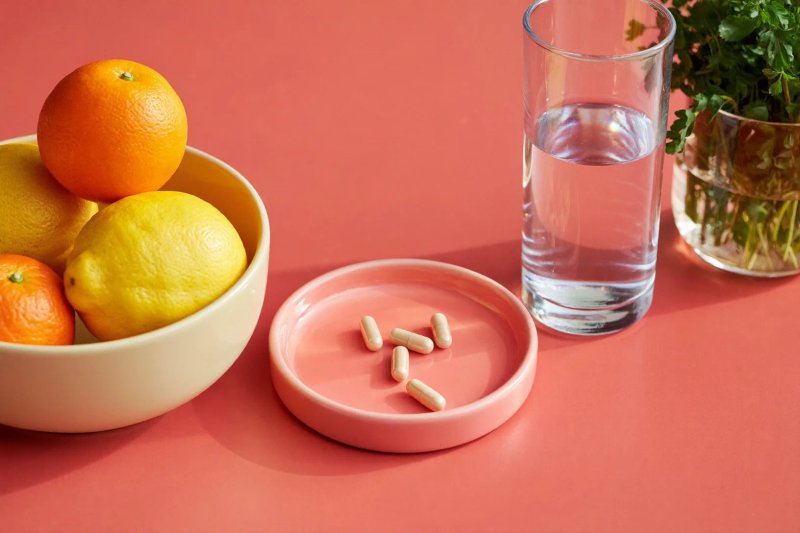
When a test confirms deficiency, your GP will advise on the right dose and form. Iron supplements commonly cause constipation, nausea or dark stools, and taking them every other day is sometimes better tolerated and absorbed than daily. Vitamin C can aid absorption, while tea, coffee and calcium taken at the same time reduce it; our guide to supplement timing covers the practicalities. Treatment usually continues for a few months after levels normalise to rebuild stores, then is reviewed. On timelines: energy often starts to improve within a few weeks of starting treatment, but ferritin takes months to rebuild, and stopping early is the usual reason iron deficiency symptoms come back.
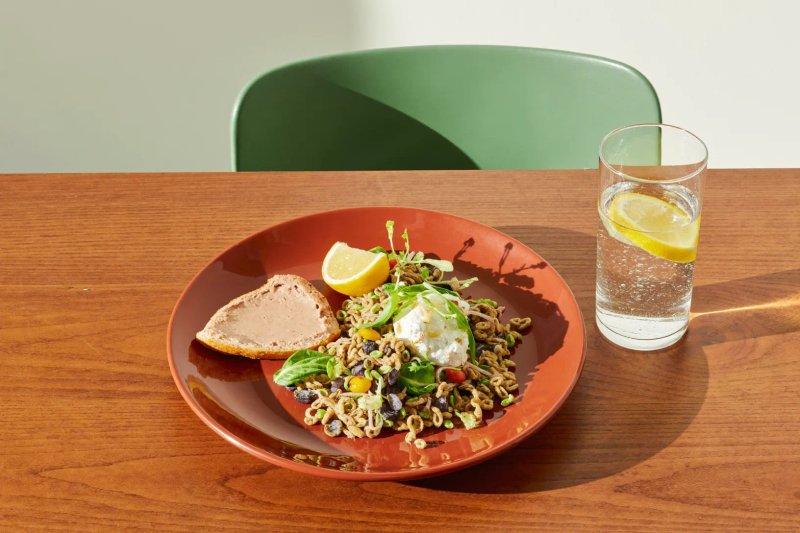
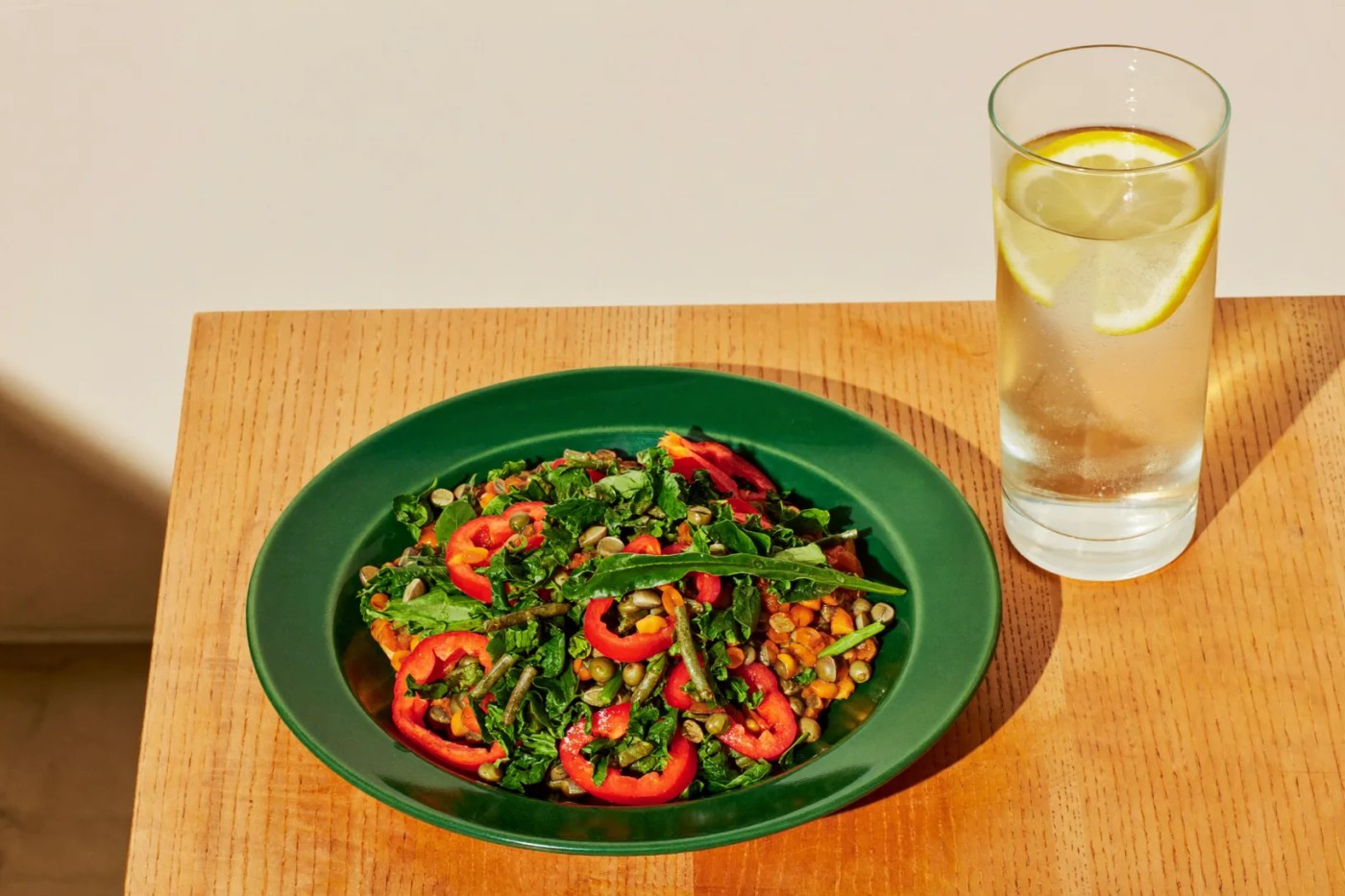
Diet has a role too, especially for prevention. Red meat, beans and lentils, fortified cereals, tofu and dark leafy greens all contribute iron, and plant sources are absorbed better when paired with vitamin C. The NHS guidance on iron puts daily needs at 8.7mg for men and 14.8mg for women aged 19 to 49, which a varied diet can meet. For people with heavy periods or on plant-based diets, keeping an eye on iron intake through food is a sensible habit even between tests.
The honest bottom line
Iron is a case where more is not better and self-diagnosis is genuinely risky. Notice the signs, but treat them as a reason to get tested rather than a reason to supplement. Once a GP confirms low iron and considers why, treatment is straightforward and effective. And if the test comes back normal, that is useful too: it saves you months of iron tablets that were never going to fix the tiredness, and points the search somewhere more productive.