






Here's what we'll cover
The electrolytes benefits you see advertised are real only in specific situations: long or intense sweating, illness with diarrhoea or vomiting, or when you are eating very little. For a typical person drinking water and eating normally, daily electrolyte sachets solve a problem you do not have. The category has been marketed far beyond its real uses.
What are electrolytes and what do they do?
Electrolytes are minerals that carry an electrical charge and help regulate fluid balance, nerve signals and muscle function. The main ones are sodium, potassium, chloride, magnesium and calcium. Your body works hard to keep them in a narrow range, drawing on what you eat and drink, and your kidneys fine-tune the balance constantly. Under normal conditions, this system does not need help from a sachet.
That is the honest frame for the whole category. The benefits of electrolytes are the benefits of not being depleted, and depletion has specific causes. If none of them applies to you, a supplement has nothing to fix.
When do electrolytes genuinely help?
Sodium is the electrolyte lost in the largest amounts through sweat, which is why endurance athletes pay attention to it. Potassium, magnesium and calcium are lost in much smaller quantities. For everyday activity none of this reaches the level where a supplement is needed. There are, however, real scenarios where replacing electrolytes and fluid matters:
- Prolonged or heavy sweating, such as long endurance exercise or physical work in heat, where sodium losses can be significant.
- Illness involving diarrhoea or vomiting, where the NHS recommends oral rehydration to replace what is lost. Pharmacy rehydration salts are designed for this.
- Reduced food and fluid intake, for example when appetite is low, where you may take in less of everything, electrolytes included.
- Hot climates or heavy physical exertion over a full day.
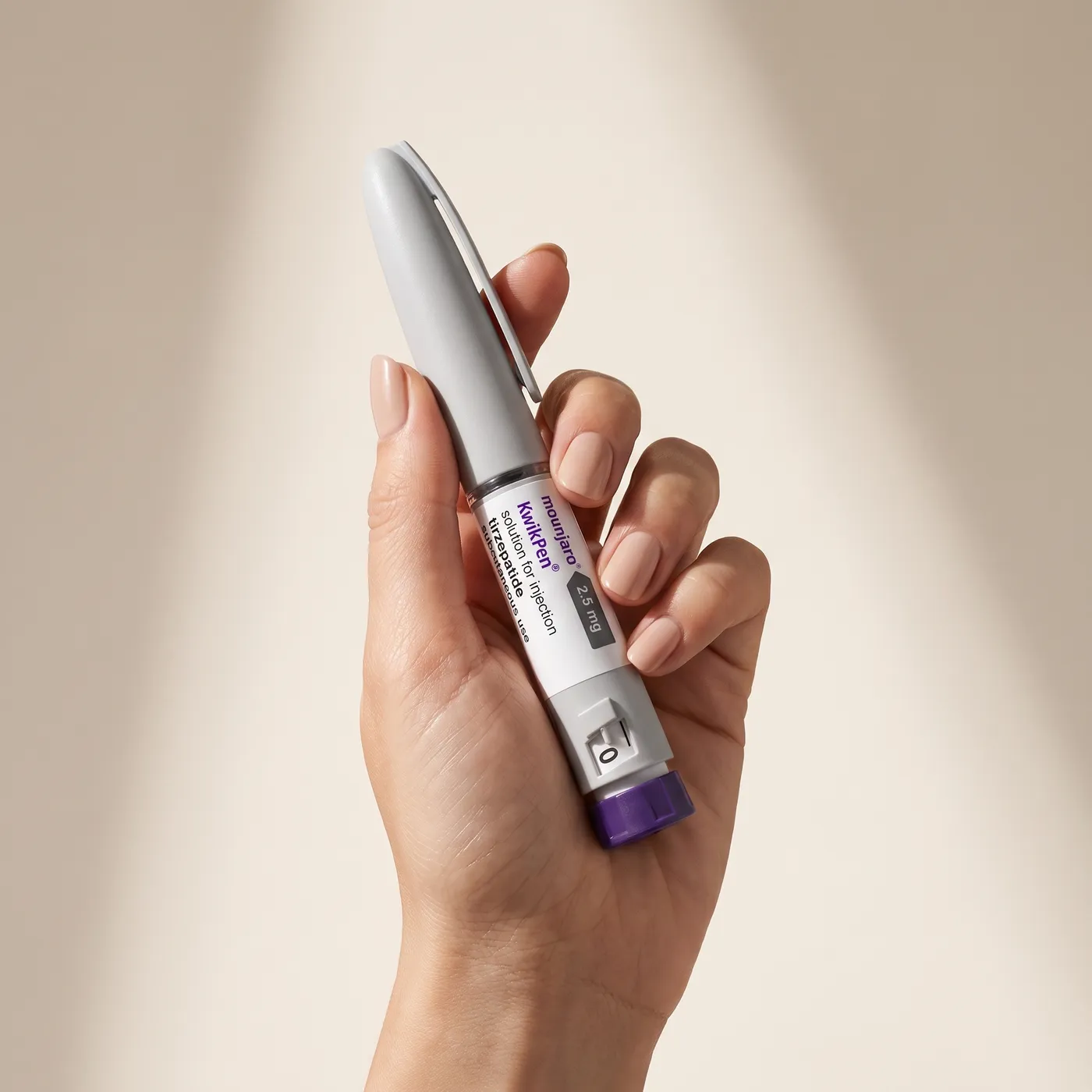
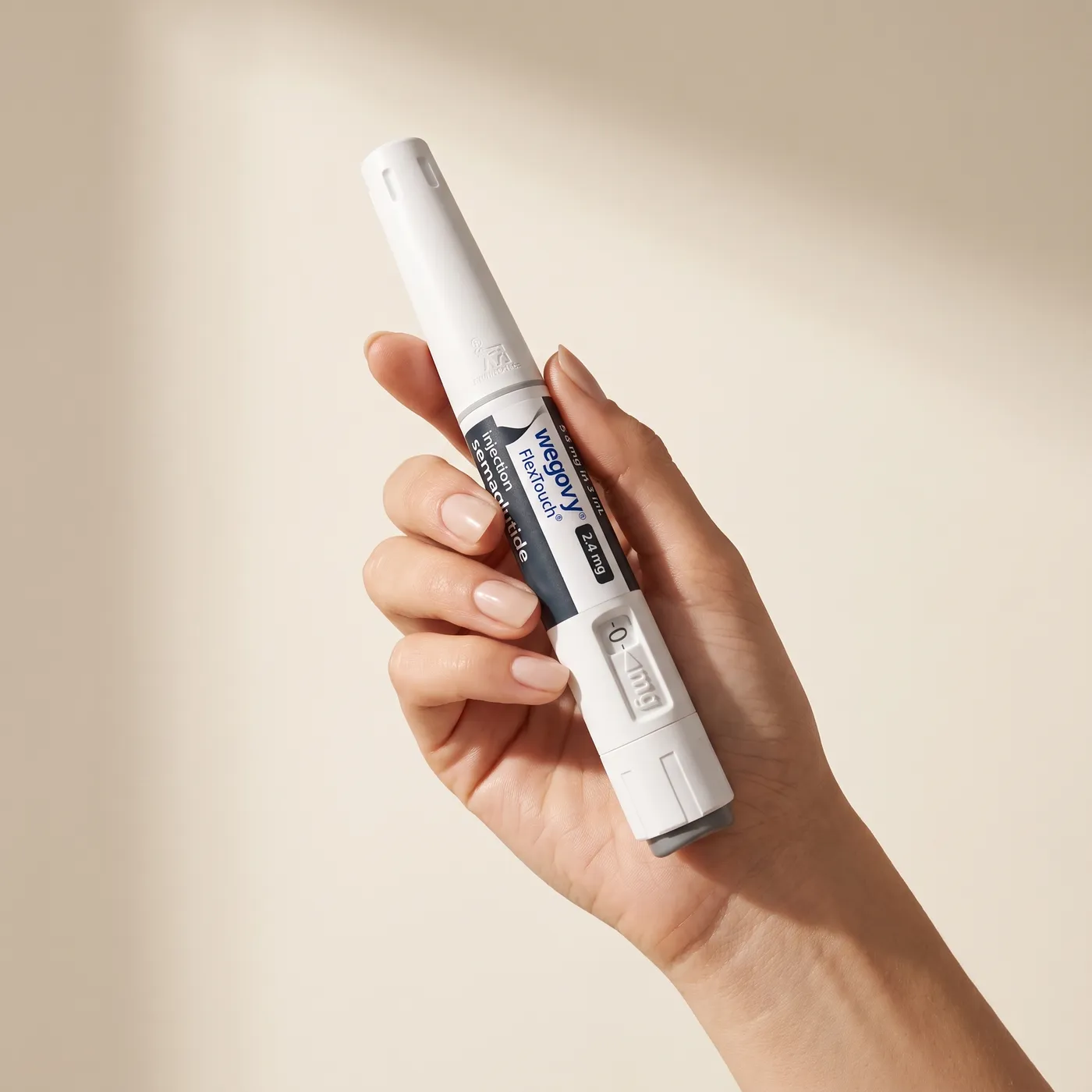
Reduced intake is worth flagging because it applies to people whose appetite has dropped, such as those on GLP-1 weight-loss treatment, where eating and drinking less can occasionally leave you short. Practical strategies for eating with a reduced appetite help here too. That is a sensible, targeted use rather than a daily habit for everyone.
What does electrolyte imbalance feel like?
Meaningful imbalance usually has an obvious cause and obvious symptoms: muscle cramps, headache, dizziness, fatigue or confusion during or after one of the situations above. Vague everyday tiredness in someone eating and drinking normally is very unlikely to be an electrolyte problem, and treating it with sachets addresses the wrong cause. If symptoms like these appear without a clear trigger, or keep returning, that is a reason to speak to a GP rather than to buy a supplement, because medicines such as diuretics and some blood pressure treatments can disturb electrolyte levels and need a blood test to check.
Do you need electrolytes every day?
For a healthy person with a normal diet and activity level, drinking electrolytes every morning or with ordinary daily hydration adds little. Ordinary food is full of electrolytes, sodium and potassium especially, and thirst plus normal eating keeps you balanced. The idea that everyone needs to replenish electrolytes daily is a marketing message, not a physiological requirement, and for some people the extra sodium or sugar is unwelcome. Most UK adults already eat more salt than the 6g daily maximum, so topping up sodium by default makes an existing problem slightly worse.
This sits in a wider pattern of hydration folklore, from fixed two-litre targets to the idea that thirst arrives too late; we take those apart in our guide to hydration myths. If you are trying to decide whether any supplement earns its place, our guide to whether you need supplements applies the same test: name the deficit first.
Choosing a product, if you need one
For illness, pharmacy oral rehydration salts are formulated to the right balance and are the sensible choice. For sport, look at the sodium content and match it to how much you actually sweat rather than assuming more is better. For everyday use, plain water and meals usually do the job; the British Dietetic Association's fluid fact sheet suggests around six to eight drinks a day for most adults, with water top of the list. If a product is mostly sugar with a pinch of salt, you are largely buying a soft drink.
It is also worth separating the two product categories that get blurred together. Sports drinks are mostly carbohydrate with some sodium, designed to fuel long exercise; electrolyte sachets and tablets are mostly minerals with little or no energy. Using a sugary sports drink for a desk day adds calories for no benefit, and using a zero-calorie electrolyte tablet during a long race ignores the fuel you actually need. Match the product to the job, or better, to no job at all.
A quick word on the popular idea of drinking to a fixed daily target of water plus electrolytes. Thirst is a reliable guide for most healthy people, and the colour of your urine, pale straw rather than dark, is a simple check; the NHS dehydration guidance uses the same signs. Overdoing fluids while heavily loading electrolytes is unnecessary for the average person and, in rare cases of extreme overhydration, can itself cause problems.
The honest bottom line
Electrolytes are important, but importance is not the same as needing a supplement. Reserve them for the situations that call for it, heavy sweat, illness or genuinely reduced intake, and skip the daily sachet if you are well, eating normally and not losing large amounts of fluid.