





Here's what we'll cover
Loss of appetite on Mounjaro is not a side effect to fix; it is how the treatment works. The skill is eating well within it: make what you do eat work harder by leading with protein, building meals around nutrient-dense foods, and keeping meals regular even when hunger never announces itself.
Why does Mounjaro cause loss of appetite?
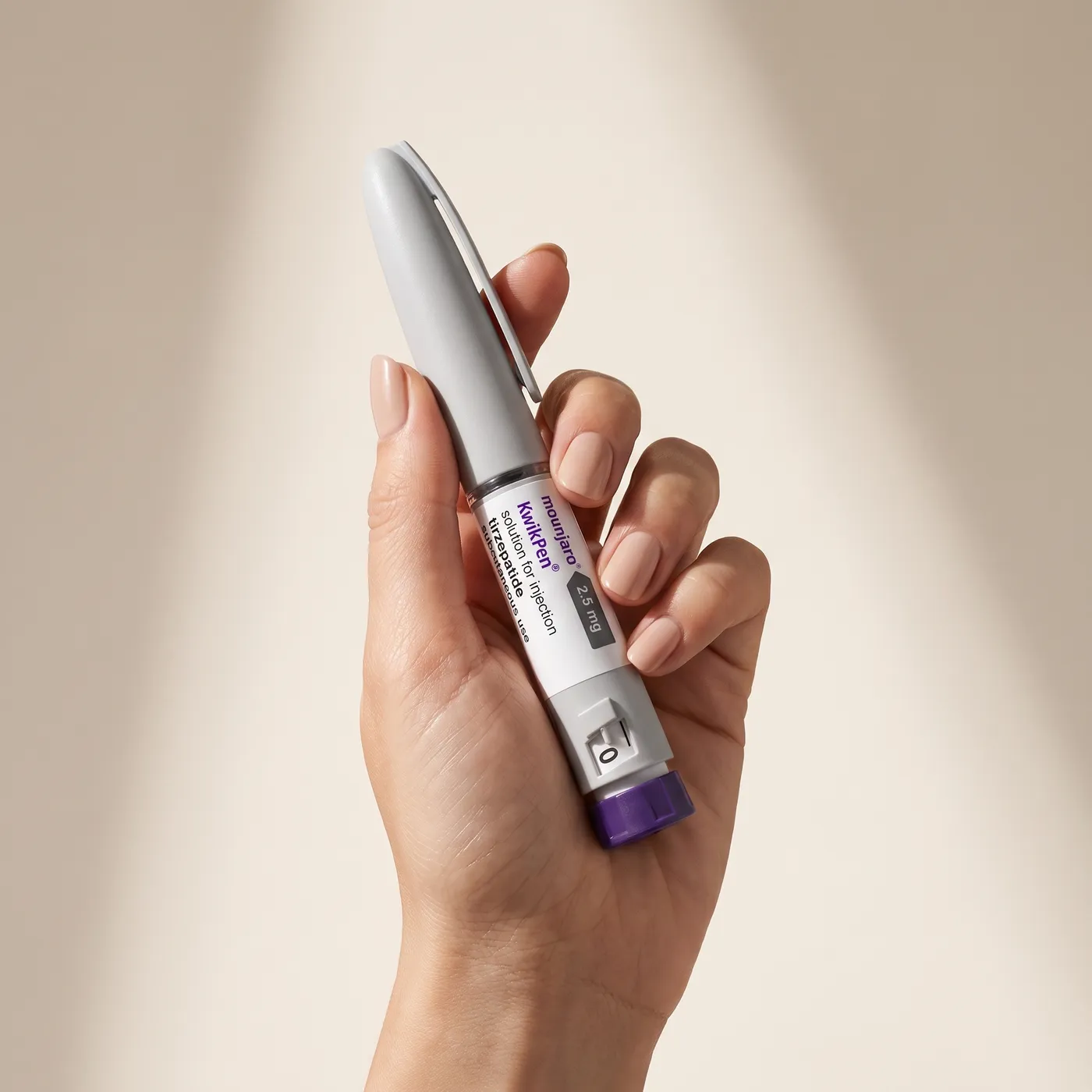
GLP-1 medicines such as Mounjaro mimic a gut hormone that signals fullness to the brain and slows how quickly the stomach empties. The result is that you feel satisfied sooner, stay full longer, and stop getting the background pull towards food between meals. That quietness is what drives weight loss, but it removes the prompt most of us rely on to eat at all, which is why nutrition needs a little deliberate structure on treatment.
Quality over quantity
With a quieter appetite you have less room on the plate, so it matters more that each mouthful brings something useful. That means favouring foods rich in protein, vitamins, minerals and fibre over those that mostly bring calories and little else. The principles of the NHS Eatwell Guide still apply; you are simply serving them on a smaller plate, with the protein share protected.
Lead with protein
Protein is the priority. It helps preserve muscle during weight loss, keeps you satisfied, and supports energy, skin and hair; the British Nutrition Foundation notes that needs are higher when you are losing weight, since the body will otherwise take protein from muscle. Build each meal around a source such as eggs, fish, poultry, lean meat, dairy, beans, lentils or tofu, and eat that part of the meal first. For how much to aim for, see our guide to protein targets on GLP-1s.
Should you eat when you are not hungry?
Yes, within reason. It is tempting to skip meals entirely when hunger never arrives, but going long stretches without eating leaves you depleted, tired and more likely to feel unwell, and it makes hitting protein and micronutrient needs close to impossible. Smaller, regular meals and snacks keep you nourished. If three meals feel like too much, spread the same food across four or five smaller occasions; the British Dietetic Association recommends exactly this little-and-often pattern for anyone whose appetite is poor.
Meal timing can replace hunger as the prompt: breakfast, lunch and dinner at roughly fixed times, eaten to comfortable fullness and no further. A little planning makes this dramatically easier; our Mounjaro meal plan guide covers batch cooking and quick options for the days you least want to cook.
What to eat on Mounjaro when portions are small
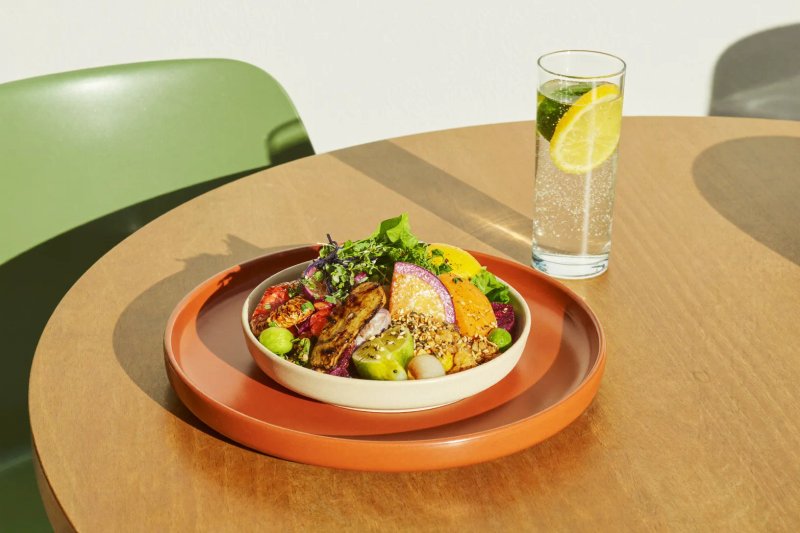
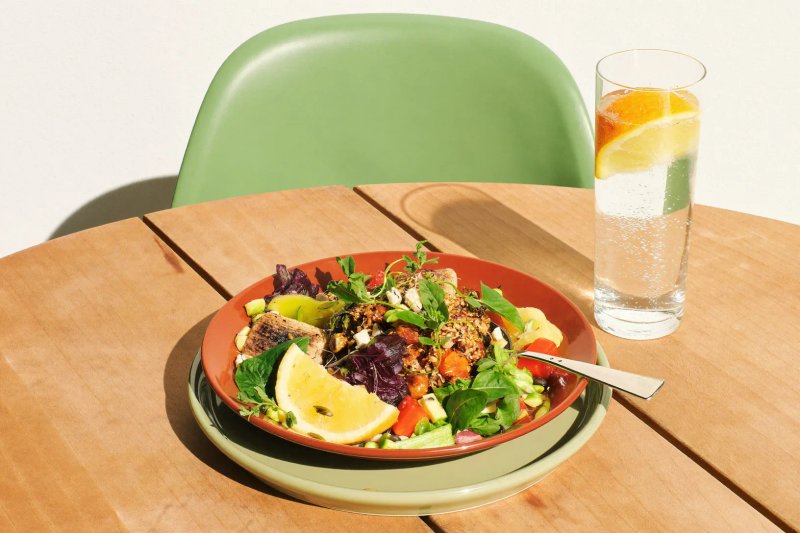
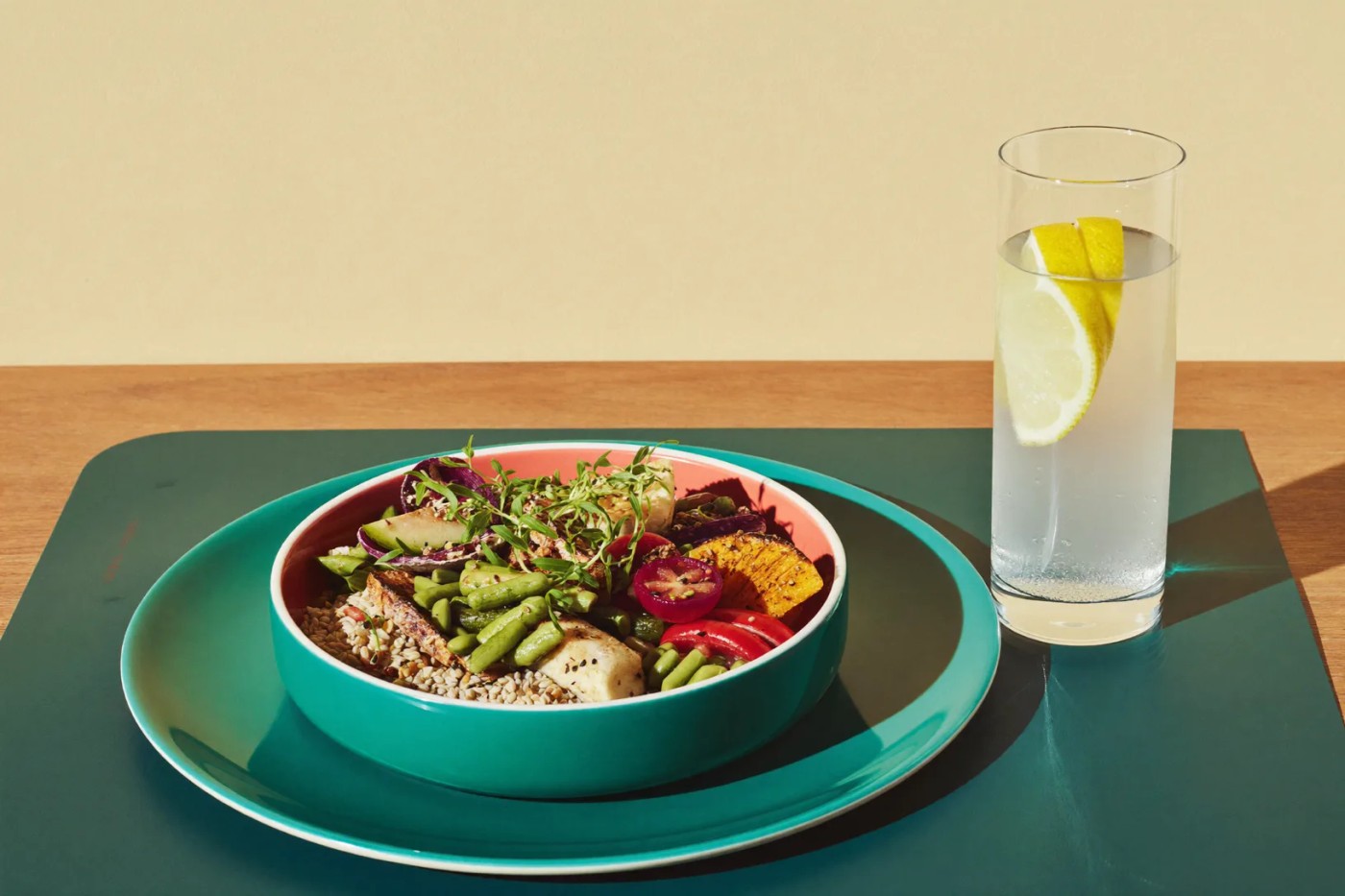
Make small meals nutrient-dense:
- Add vegetables for fibre, vitamins and minerals
- Include some healthy fats, such as olive oil, nuts or avocado
- Choose wholegrains over refined where you can
- Keep easy, protein-rich options to hand for low-appetite days
Texture matters more than people expect when appetite is low: soups, stews, yoghurt and eggs tend to go down more easily than dry or very rich food. For a fuller list of foods that sit well on treatment, and the ones that commonly backfire, see what to eat on Mounjaro.
Easy wins for the lowest days
On days when even a small plate feels ambitious, nourishment can arrive in other forms: a milky drink, a smoothie made with yoghurt and fruit, a boiled egg, a few spoonfuls of soup with lentils blended in. None of these demands an appetite, and together they can quietly cover protein and fluids until a better day. Keep two or three of these defaults in the kitchen at all times so the decision is already made.
Does loss of appetite fade over time?
Usually it softens. Appetite suppression tends to be strongest in the weeks after starting and after each dose increase, then settles as your body adjusts. Some hunger returning after months on a stable dose is normal and does not mean the treatment has stopped working; weight loss depends on the overall pattern of eating, not on feeling no hunger at all. Mention it at your review if the change is sudden or large, but expect the volume knob to drift rather than stay fixed.
Hydration counts too
When you eat less you often drink less without realising, partly because food itself supplies a surprising share of daily fluid. Mild dehydration causes tiredness, headaches and constipation, all of which get blamed on the medicine. Sip fluids steadily through the day rather than relying on thirst, and be aware that thirst can be mistaken for a lack of appetite; our guide to hydration on GLP-1 treatment has practical targets.
Listen to your body, and know the difference
Appetite varies day to day on treatment, and typically dips hardest in the days after a dose increase before recovering as your body adjusts. On lower days, focus on getting protein and fluids in even if the rest of the plate is small; on better days, eat a fuller, varied plate. The aim is steady nourishment, not forcing large meals.
It is worth separating a quiet appetite from feeling unable to eat. If food is unappealing because you feel sick, that is nausea rather than fullness, and it has its own fixes; see managing nausea on GLP-1s. And if you cannot keep fluids down, are barely eating for days at a stretch, or are losing weight much faster than expected, contact your prescriber rather than pushing through. Loss of appetite should make eating optional-feeling, not impossible.