



Here's what we'll cover
Mounjaro dehydration is easy to slip into because both your appetite and your thirst can drop on treatment, so you drink less without noticing. Sipping fluids steadily through the day is the simplest way to prevent the tiredness, headaches and constipation that mild dehydration causes, and it matters more if you have digestive side effects that lose you extra fluid. Hydration needs a bit of active attention on GLP-1 treatment rather than being left to thirst.
What is GLP-1, and why does hydration slip?
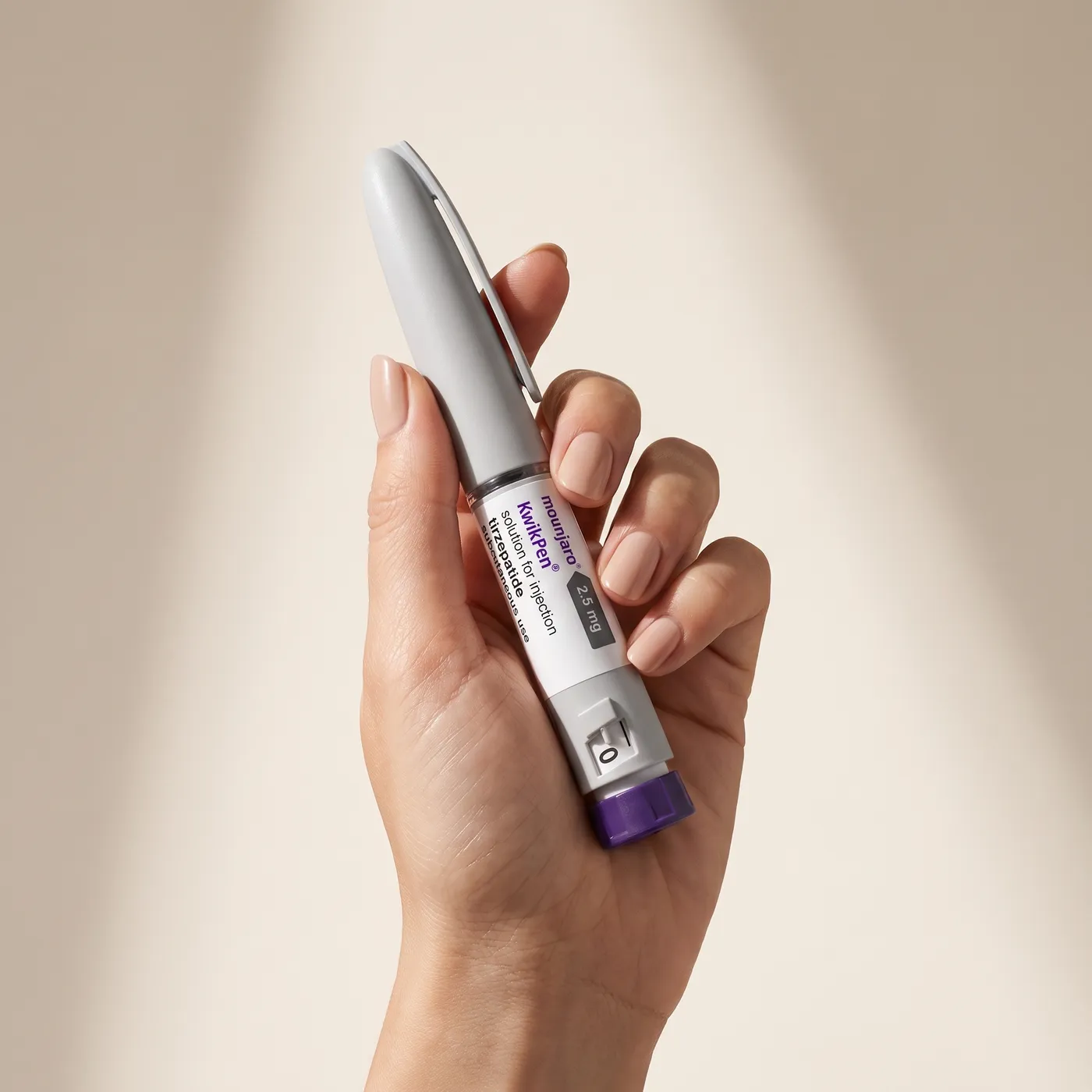
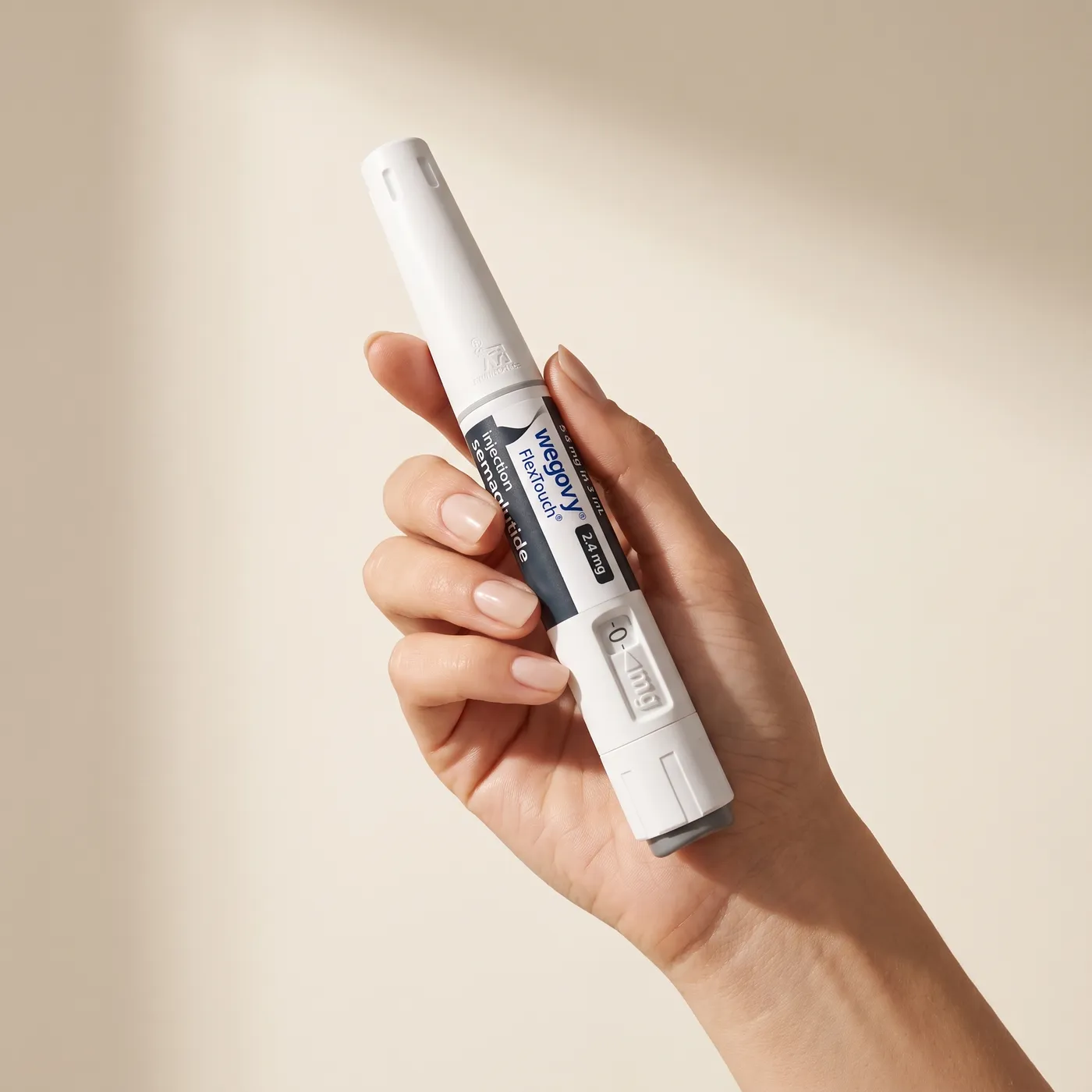
GLP-1 stands for glucagon-like peptide-1, a gut hormone that reduces appetite. Medicines such as Mounjaro (tirzepatide) and Wegovy (semaglutide) mimic it, so you eat less and less often. A lot of our daily fluid actually comes from food and from drinks taken around meals, so when eating drops away, both fall with it, sometimes without you noticing. On top of that, the digestive side effects of treatment, if you get them, can lose you extra fluid. Understanding how Mounjaro works makes the reason clear: the same appetite reduction that helps you lose weight also quietly reduces how much you drink.
Signs you are running low
- Tiredness and low energy, which can be mistaken for treatment fatigue.
- Headaches.
- Constipation and harder stools.
- Dark urine and going less often.
- Dizziness or feeling lightheaded, especially on standing.
Some of these overlap with other effects of treatment, which is part of why dehydration is easy to miss. A quick and useful check is the colour of your urine: pale straw suggests you are well hydrated, while darker yellow is a sign to drink more. Tiredness in particular is often put down to the medicine itself, when topping up fluids would help; our guide to fatigue on GLP-1 treatment covers the other causes worth checking.
How much should I drink, and what counts?
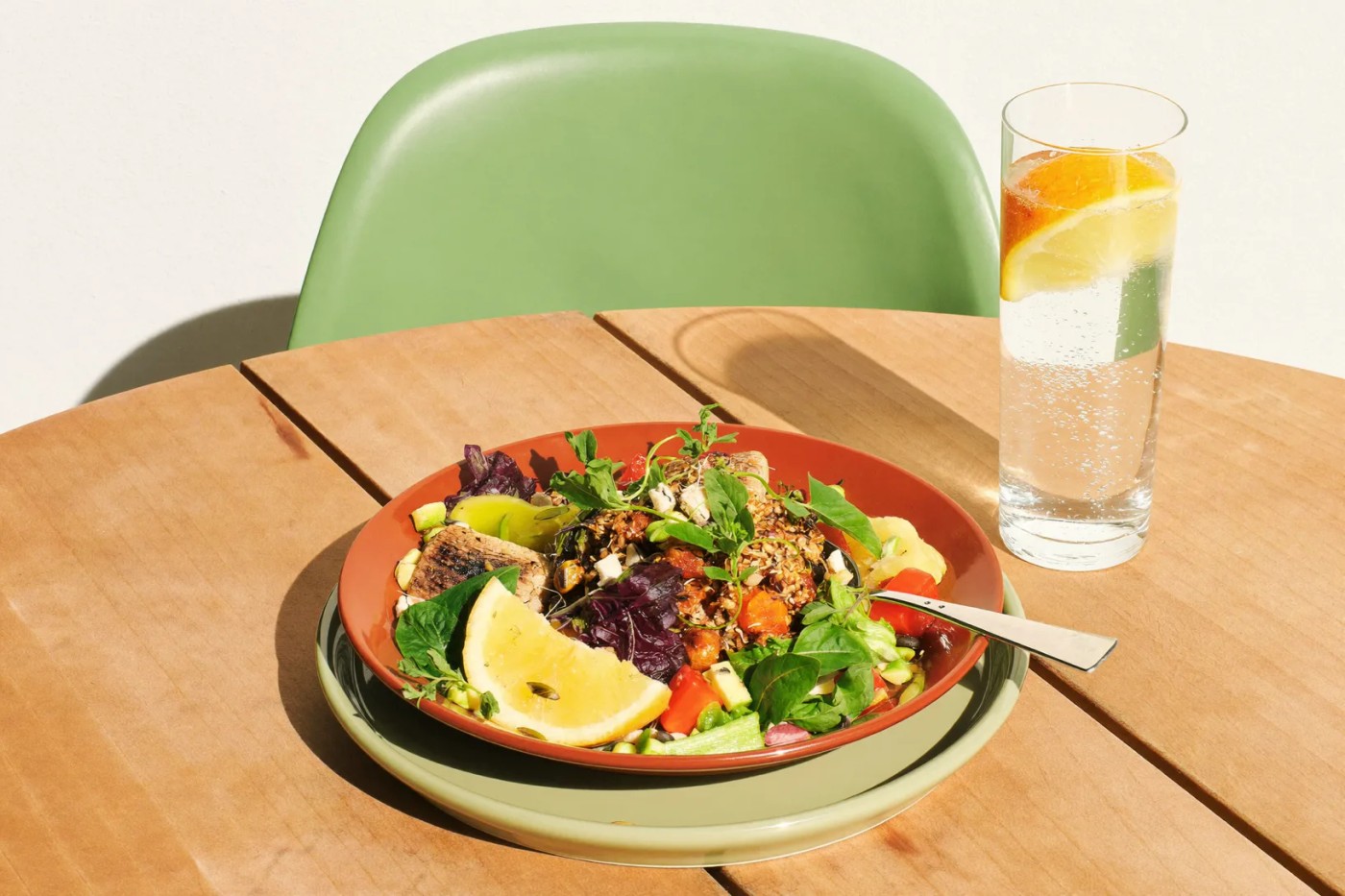
The NHS suggests most adults aim for around six to eight glasses or cups of fluid a day, and more in hot weather or when active. Water is ideal, but tea, coffee, milk and sugar-free drinks all count, as the British Nutrition Foundation confirms. Be mindful of sugary drinks, which add calories that work against your goals, and of very large amounts of caffeine. There is no need to force litres beyond thirst and comfort; steady, regular intake matters more than hitting a precise number. If you find plain water dull, some people separate the myths from the facts in our piece on hydration myths.
Hydration and constipation
Constipation is one of the more common digestive effects of treatment, and too little fluid makes it worse by leaving stools harder to pass. This is a good example of how the effects link up: eating less reduces both fluid and fibre at the same time that slower digestion makes constipation more likely, so hydration is not a minor detail but part of managing a common side effect. Keeping fluids up, alongside fibre and movement, is one of the first things to try. Our guide to constipation and other GI effects on GLP-1s goes into the full approach, and hydration underpins most of it.
Practical habits
- Keep a bottle or glass within reach and sip through the day.
- Have a drink with and between meals, since fewer meals means fewer natural prompts.
- Use a refillable bottle to track how much you get through.
- Increase fluids in hot weather, when exercising, or if you have vomiting or diarrhoea.
If sickness or diarrhoea has left you low, rehydration is about replacing salts as well as water; our note on electrolytes and when they matter explains when an oral rehydration approach is worth considering rather than water alone.
Hot weather, exercise and alcohol
A few situations raise your fluid needs while your appetite-driven intake stays low, and that combination is where problems most often arise. Hot weather and exercise both increase losses through sweat, so a summer heatwave or a longer walk is worth planning fluids around. Alcohol adds to the picture too: it is a mild diuretic, so it can leave you more dehydrated the next day, and on treatment its effects can feel stronger on a smaller intake of food. If you are drinking socially, alternating alcoholic drinks with water and having a glass of water before bed both help. The general principle is simple. Whenever something increases how much fluid you lose, deliberately increase how much you take in, because your thirst may not prompt you to do so on its own.
It can also help to build hydration into things you already do. A glass of water when you wake, one with any medicines or supplements, one at each meal and one in the evening quickly adds up to most of a day's fluid without any conscious tracking. Anchoring drinking to existing habits works better than relying on remembering, precisely because the usual reminder, feeling thirsty, is less reliable on treatment.
When to seek advice
If you have ongoing vomiting or diarrhoea and cannot keep fluids down, or you have signs of significant dehydration such as marked dizziness, confusion or very little urine, contact your clinician rather than waiting to see if it settles. Persistent vomiting also matters because, rarely, severe dehydration can affect the kidneys, a point noted in the Wegovy product information. Otherwise, steady daily sipping keeps most people well hydrated, and preventing Mounjaro dehydration is far easier than correcting it once it has taken hold.