








Here's what we'll cover
Protein sits at the centre of a strange argument. Official guidance implies most people eat plenty; fitness culture implies nobody eats enough; and the supplement industry would like everyone anxious about it permanently. The truth is calmer and more conditional: how much protein you need depends on what your body is doing, and the same person needs different amounts while sedentary, while training hard, while dieting, and at seventy. This guide gives the numbers for each situation and, more usefully, translates them into actual food.
The baseline: what the official number means
The UK reference nutrient intake is 0.75 grams of protein per kilogram of body weight per day, roughly 56g for a 75kg adult, and most UK adults do meet it comfortably through ordinary eating. But the number's job description matters: it is the amount that prevents deficiency in nearly everyone, calculated from nitrogen balance studies, not the amount that optimises muscle, satiety, recovery or healthy ageing. Preventing deficiency and supporting a body under demand are different projects. Nobody eating a varied UK diet needs to fear protein deficiency; plenty of people training, dieting or ageing would benefit from more than the minimum, which is where the situational numbers come in.
The situational targets
For regular exercisers, the sports nutrition consensus sits at 1.2 to 2.0g per kg daily, with strength and physique goals clustering around 1.6g per kg, the point where meta-analyses find the muscle-building benefit of additional protein largely plateaus in most people. For weight loss, higher intakes, commonly 1.2 to 1.6g per kg, and higher for the very active, earn their place twice over: protein is the most satiating macronutrient, blunting the hunger that sinks diets, and it defends lean mass so a larger share of what you lose is actually fat. This applies with extra force on appetite-suppressing treatments, where eating little happens effortlessly and muscle pays the bill; our GLP-1 protein guide covers that case. For adults over about 65, evidence supports 1.0 to 1.2g per kg to push back against sarcopenia, the gradual muscle loss of ageing, ideally paired with resistance exercise, which multiplies the benefit. Pregnancy, illness and recovery from surgery raise needs further and deserve individual advice.
What the numbers look like as food
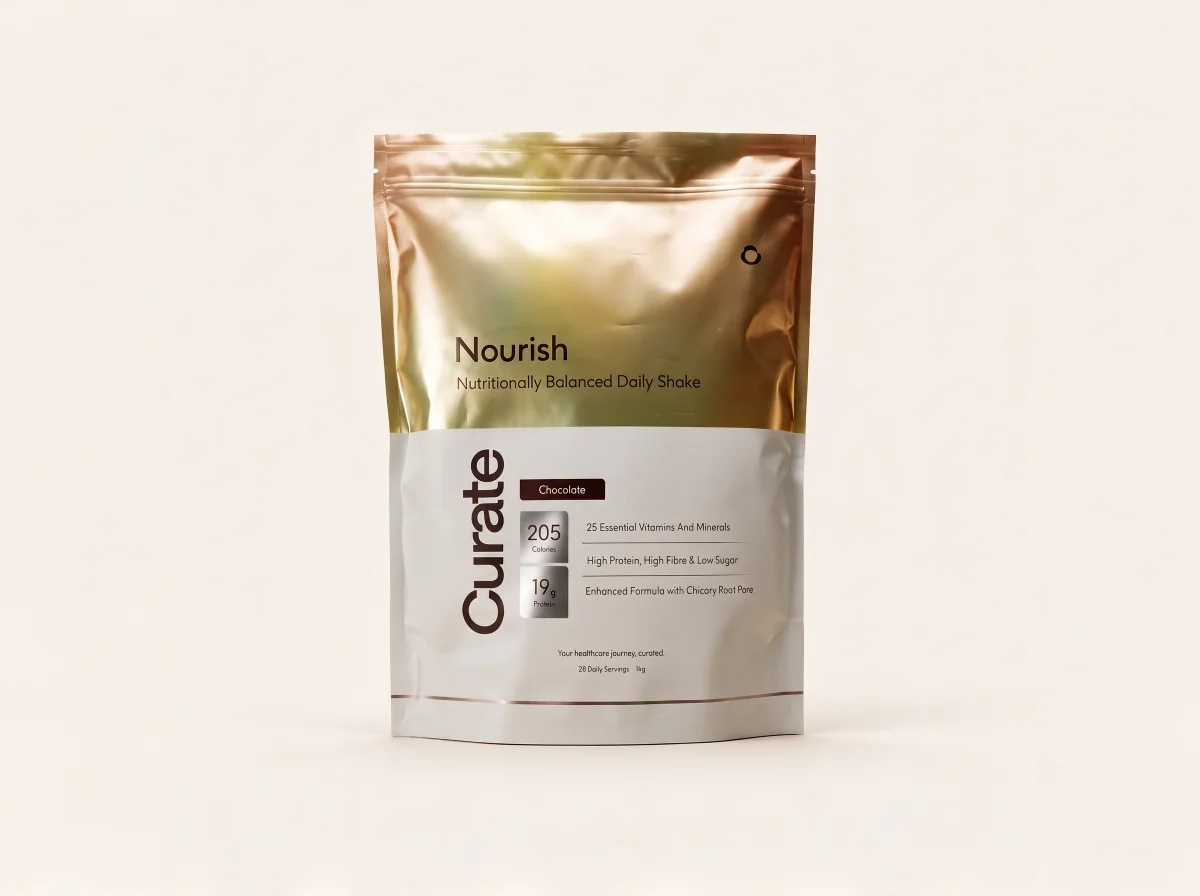
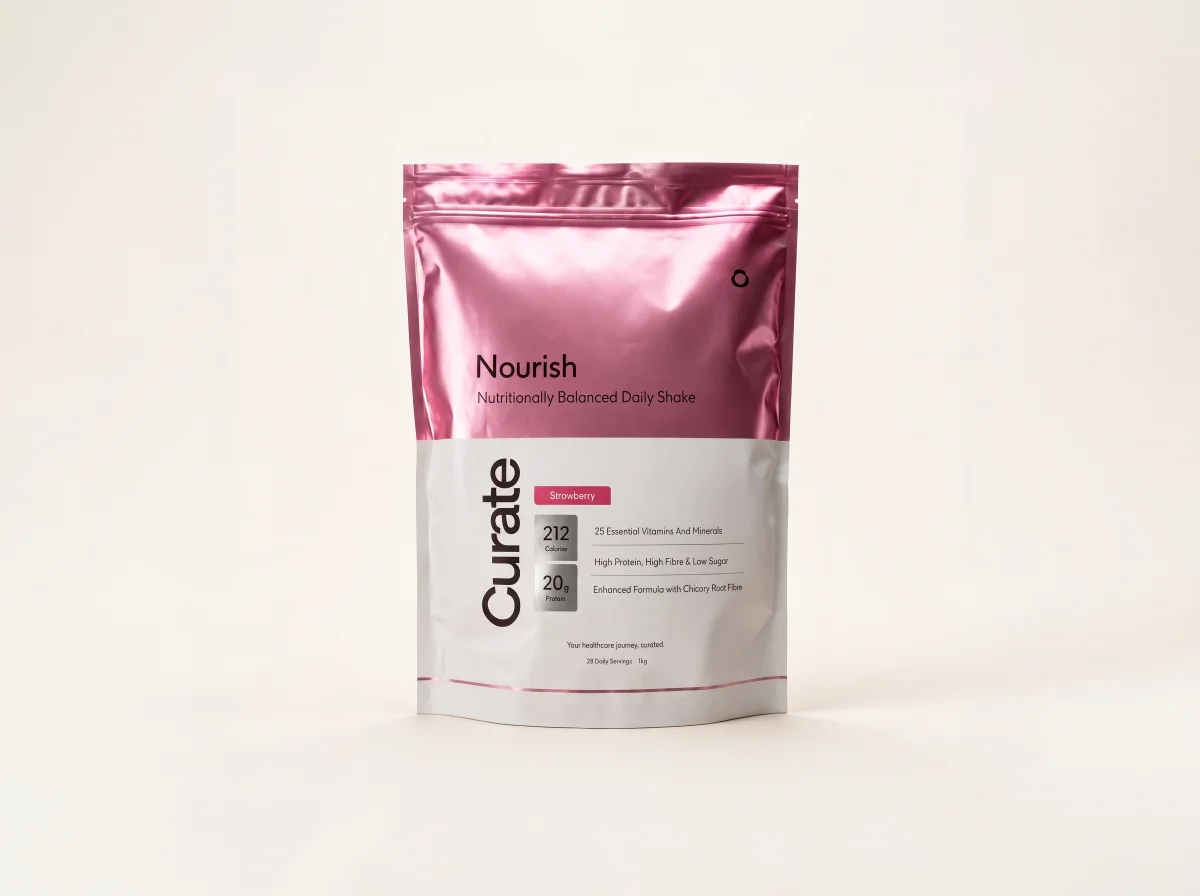
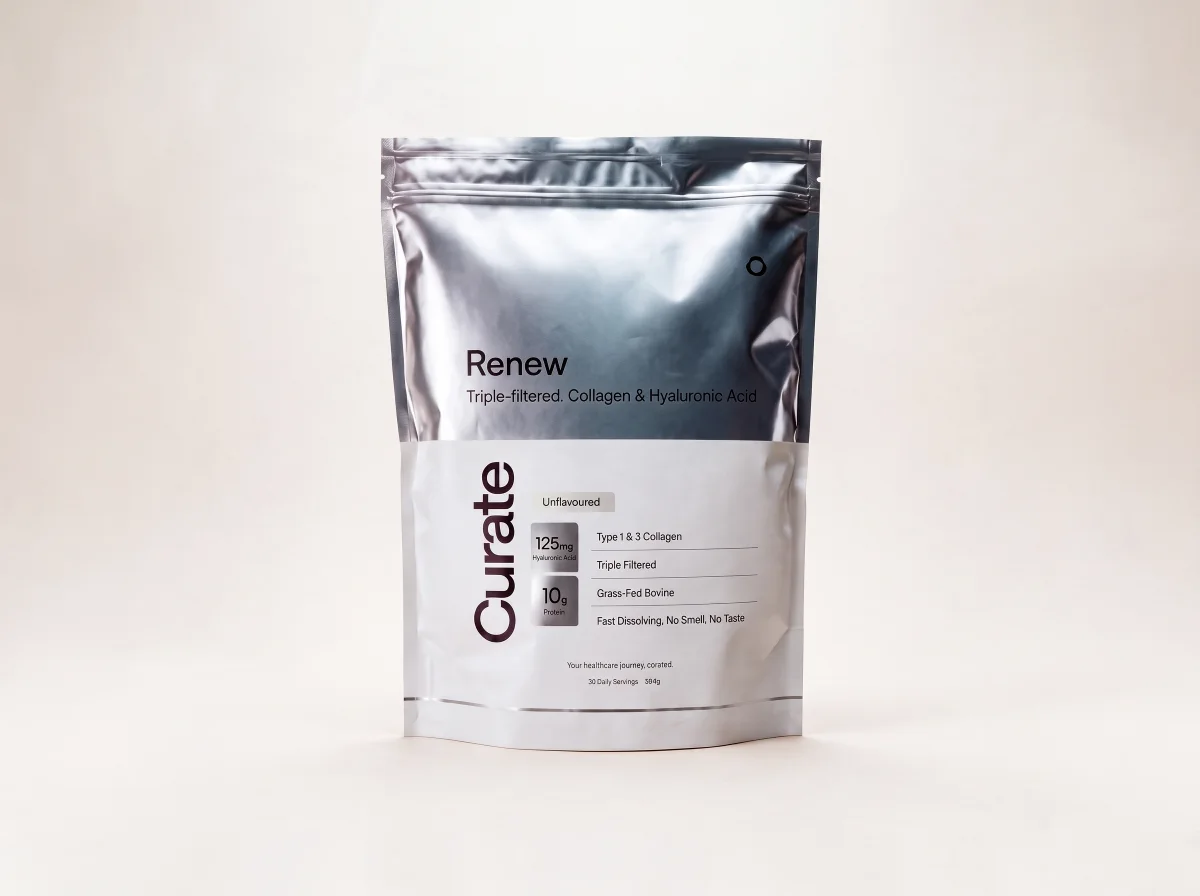
Translating grams into meals is where most protein advice dies, so: a chicken breast carries roughly 30g; a salmon fillet about 25g; a three-egg omelette 18g; a tin of tuna 25g; a 250g tub of Greek yoghurt around 25g; half a block of tofu 20g; a tin of chickpeas or lentils 15 to 18g; two slices of wholegrain bread 8g; a pint of milk 19g; a handful of nuts 6g. A 75kg person chasing 1.6g per kg needs 120g a day, which sounds industrial until it is arranged: eggs or Greek yoghurt at breakfast (20 to 25g), a chicken or bean lunch (30g), a normal protein-anchored dinner (35g), and the remainder arriving incidentally through milk, bread, nuts and snacks. No powder required. Where powders earn their place is convenience, the post-gym window, travel, the appetite-suppressed, not superiority; protein from a shake is not better than protein from food, merely faster.
Distribution, plants and the practical refinements
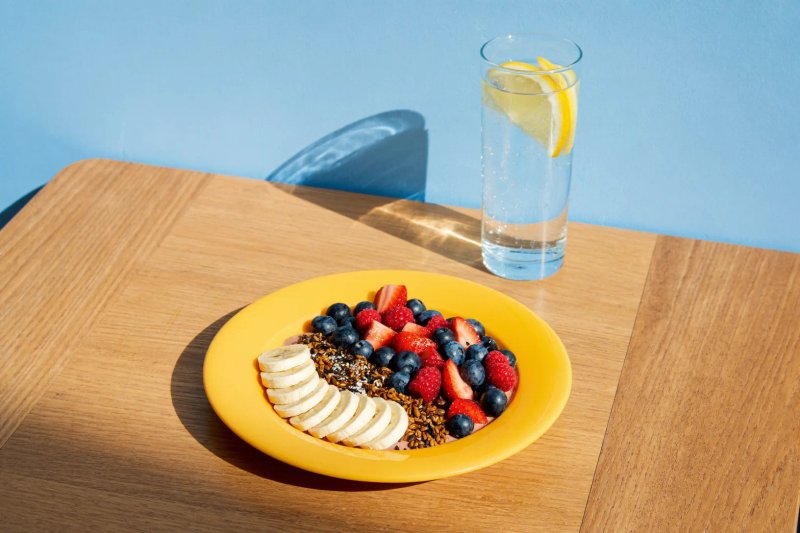
Two refinements carry real evidence. First, distribution: muscle protein synthesis responds meal by meal, and 25 to 40g per meal across three or four meals outperforms the common UK pattern of token breakfast, light lunch and a protein avalanche at dinner. Breakfast is where most people's gap lives. Second, plant proteins: entirely capable of meeting any target, with the minor caveats that plant sources are somewhat less digestible and individually incomplete in amino acids, both solved by eating slightly more overall and varying sources, beans, lentils, tofu, tempeh, nuts, grains, across the day rather than agonising over combining at each meal. Older adults eating plant-based should aim at the top of their range. Beyond these, the refinements marketed at you, precise timing windows, casein before bed, amino acid ratios, are decimal places on someone else's spreadsheet: real in laboratories, negligible next to hitting your daily number with whole foods most days.
Can you eat too much?
For healthy people, intakes up to around 2g per kg daily show no harm in the research, and the old claim that protein damages healthy kidneys has not survived scrutiny: higher intakes make healthy kidneys work harder without evidence of injury. The genuine exception is existing kidney disease, where protein intake is a clinical matter and a dietitian should set the number. The practical ceilings for everyone else are subtler: very high protein intakes displace fibre, vegetables and variety from a finite appetite, cost more, and past roughly 2g per kg buy nothing further for most goals. Protein is also not a free food; its calories count, and drinking large shakes on top of an unchanged diet is a weight-gain strategy wearing gym clothes. The target is a component of a diet, not a competition.
The working summary: 0.75g per kg keeps you out of deficiency; 1.2 to 1.6g per kg serves most people who train, diet or have passed 65, with 2g per kg as the sensible ceiling for common goals; spread it across meals, get it from food you enjoy, and treat powders as logistics. Calculate your number once, learn what it looks like on a plate for a week, and after that it runs on habit rather than arithmetic. For adjacent reading, see our guides to protein needs as you age, protein targets on GLP-1 treatment, and choosing a protein powder when convenience genuinely helps.