









Here's what we'll cover
The best time to take vitamins is, for most of them, simply the time you will remember. A handful of timing rules genuinely affect how well a supplement is absorbed, but most "optimal timing" advice is overblown. Consistency matters far more than taking anything at a particular hour.
The supplement industry has a commercial interest in making timing seem complicated, because a precise regimen implies precision benefits. In reality, the number of situations where the clock genuinely changes the outcome is small, and knowing which they are lets you ignore the rest with a clear conscience.
Where timing genuinely matters
A few interactions are worth getting right because they change how much you actually absorb. The NHS overview of vitamins and minerals covers the individual nutrients; the timing rules that matter are these:
- Fat-soluble vitamins (A, D, E and K) are absorbed better with a meal containing some fat, so take them with food rather than on an empty stomach.
- Iron is absorbed better away from tea, coffee and calcium, which reduce its uptake; vitamin C can help it. If you take iron and calcium, separate them by a couple of hours.
- Calcium in larger doses is better split through the day than taken all at once, as absorption per dose is limited.
- Some minerals compete for absorption, so very high doses taken together can blunt each other.
The iron rule is the one with the clearest practical payoff. NICE guidance on iron deficiency notes that absorption is best on an empty stomach, though taking it with a little food is reasonable if it upsets your stomach. A morning cup of tea alongside an iron tablet can meaningfully cut what you absorb, which is exactly the kind of quiet loss good timing prevents.
When is the best time to take vitamin D?
With whichever meal contains some fat, because vitamin D is fat-soluble. Beyond that, morning versus evening makes no meaningful difference; despite persistent claims online, there is no good evidence that evening vitamin D disturbs sleep. The more important point in the UK is taking it at all through autumn and winter, when government advice is a daily 10 microgram supplement for most adults. Our vitamin D UK guidance article covers who needs it year-round.
Where it barely matters
For a lot of supplements, the fuss about timing is marketing rather than physiology:
- Creatine works by keeping muscle stores topped up over time, so any time of day is fine. There is no meaningful pre- or post-workout window, and taking it on rest days matters just as much as on training days.
- Most water-soluble vitamins, including B vitamins and vitamin C, can be taken whenever suits you.
- Protein powder timing is far less important than your total protein over the day.
- Fat-soluble vitamin combinations, such as a multivitamin, are fine taken with whichever meal is most convenient.
We cover the muscle side of this in pre- and post-workout nutrition, where the "anabolic window" turns out to be much wider than it is often sold.
One practical footnote sits between the two lists: comfort. Some supplements are simply easier to tolerate with food even when absorption does not demand it. Zinc and iron commonly cause nausea on an empty stomach, and omega-3 capsules taken with a meal are less likely to repeat on you. If a supplement makes you feel unwell at one time of day, moving it to a meal is a legitimate fix, and a tolerable routine you keep is worth more than a theoretically perfect one you abandon. None of this changes the underlying point: the physiology cares about a handful of pairings, not the clock face.
The sleep question
Some supplements are marketed for a specific time, magnesium at night for sleep, for instance, and magnesium glycinate in particular is sold as an evening ritual. If a bedtime routine helps you remember it, that is fine, but the evidence that magnesium reliably improves sleep in well-nourished people is weak, so the timing is not doing much on its own. Caffeine is the clearer case: its timing genuinely matters for sleep because it lingers in the body for hours, so an afternoon coffee or pre-workout can still be affecting you at bedtime. That is a timing rule based on real pharmacology rather than marketing.
Medicines and supplements together
Timing can matter when supplements and medicines interact. Some should be separated from medicines by a few hours: iron and calcium can bind to thyroid medication and some antibiotics, for example, and a few supplements affect how medicines work altogether. If you take regular medication, it is worth checking with a pharmacist. See supplements that interact with medicines for the pairs worth knowing.
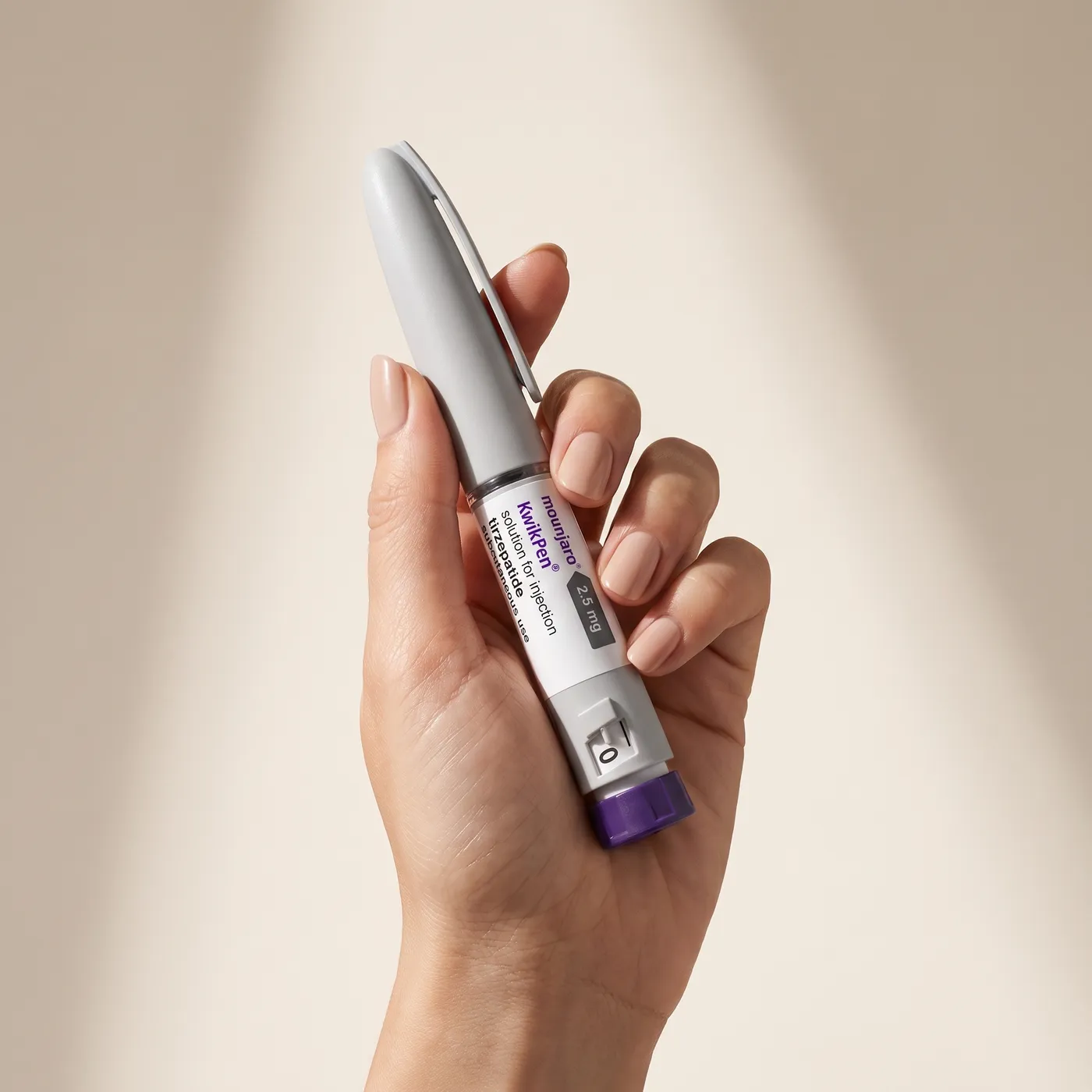
Prescription medicines follow different logic from vitamins, so do not transfer supplement habits across. Weekly injectable treatments have a scheduled day rather than a time-of-day rule, and questions such as what vitamins are worth taking during appetite-reducing treatment have their own answer: smaller meals can mean fewer micronutrients, which we cover in micronutrients on GLP-1 treatment. For any prescription medicine, the dispensing label and patient leaflet beat generic timing advice every time.
The honest bottom line
Get the few genuine rules right, fat-soluble vitamins with food, iron away from tea and calcium, and stop worrying about the rest. For most supplements, the time you take it matters far less than whether you take it consistently at all. If elaborate timing schedules make you more likely to skip doses, they are working against you; simpler routines that you actually keep to will serve you better.