






Here's what we'll cover
Supplement drug interactions are more common than most people assume, because "natural" does not mean "safe to combine". A number of everyday supplements and herbal products change how prescribed medicines behave: weakening them, strengthening them, or interfering with the tests used to monitor them. The single most useful habit is to tell your pharmacist and prescriber everything you take.
Why supplement drug interactions happen
Medicines are absorbed, processed and cleared by the body through specific pathways, many of them in the liver and gut. Some supplements speed those pathways up, so a medicine is cleared too fast and stops working properly. Others slow them down, so a medicine builds up towards harmful levels. A few affect the same body systems as a drug, adding to or opposing its effect. Because supplements are not prescribed, these interactions often go unnoticed until something goes wrong.
Supplements also escape the safety net that catches most drug-to-drug problems. When a GP prescribes, the system flags known clashes automatically; nobody runs that check when you pick up a herbal product with your shopping. The gap is entirely closable, but only if your pharmacist knows what you take. Learning to read supplement labels helps too, because blends often contain herbs you did not realise you were taking.
St John's wort: the major one
St John's wort, a herbal product taken for low mood, is the most important supplement interaction to know. It speeds up the breakdown of many medicines, reducing their effect, and can add to the effect of others dangerously. The NHS guidance on herbal medicines singles it out for good reason. Affected medicines include some used for the heart, blood thinning, epilepsy, HIV, transplant, and hormonal contraception, where it can reduce contraceptive protection. Combined with certain antidepressants it can also push serotonin levels too high. This is not a minor caution: it can undermine treatment for serious conditions.
Vitamin K and warfarin
Warfarin, a blood-thinning medicine, works by interfering with vitamin K. Big swings in vitamin K intake, from high-dose supplements or major changes in leafy-green vegetables, can throw off how well warfarin controls clotting, making it either too strong or too weak. NICE guidance on oral anticoagulation advises keeping vitamin K intake steady rather than avoiding it, and flagging any supplement to the team monitoring treatment.
Grapefruit and grapefruit-derived products
Grapefruit, as juice, fruit, or in some supplements, blocks an enzyme in the gut that normally breaks down certain medicines, causing them to build up to higher levels than intended. Affected medicines include some statins, blood pressure medicines and others. It is worth checking medicine leaflets for a grapefruit warning, as the effect can last many hours.
Biotin and lab-test interference
High-dose biotin, often sold for hair and nails, is a subtler problem: it can distort the results of some laboratory blood tests, including certain thyroid and heart tests, giving falsely high or low readings. This can lead to misdiagnosis if the lab and clinician are unaware. The doses in hair and nail products are often hundreds of times the nutritional requirement, which is why the interference is possible at all. If you take high-dose biotin, mention it whenever you have blood tests, and consider pausing it a few days beforehand if your clinician agrees.
Other combinations worth flagging
Several other supplements deserve a mention to your pharmacist:
- Fish oil, vitamin E, ginkgo and high-dose garlic may add to the effect of blood thinners.
- Calcium, iron, zinc and magnesium can reduce absorption of some antibiotics and thyroid medicine if taken at the same time.
- Potassium supplements can be risky with certain blood pressure medicines.
- Herbal products in general, which are often assumed harmless but can be potent.
The herbal category deserves particular respect precisely because the evidence is patchy. Popular products such as turmeric and curcumin (which can add to blood-thinning effects at supplement doses) and ashwagandha (which may add to sedatives and affect thyroid medication) are taken by people who would never dream of doubling up prescription drugs, yet the mechanism is the same.
How to check a combination safely
You do not need to guess, and you should not rely on the supplement's own packaging, which rarely mentions medicines at all. Three reliable routes exist, in order of ease. First, ask a pharmacist: interaction questions are core pharmacy work and need no appointment. Second, read the patient information leaflet for your medicine, which lists known food and supplement clashes. Third, for the thorough version, the BNF interactions reference used by UK clinicians is freely accessible online and covers herbal products as well as medicines.
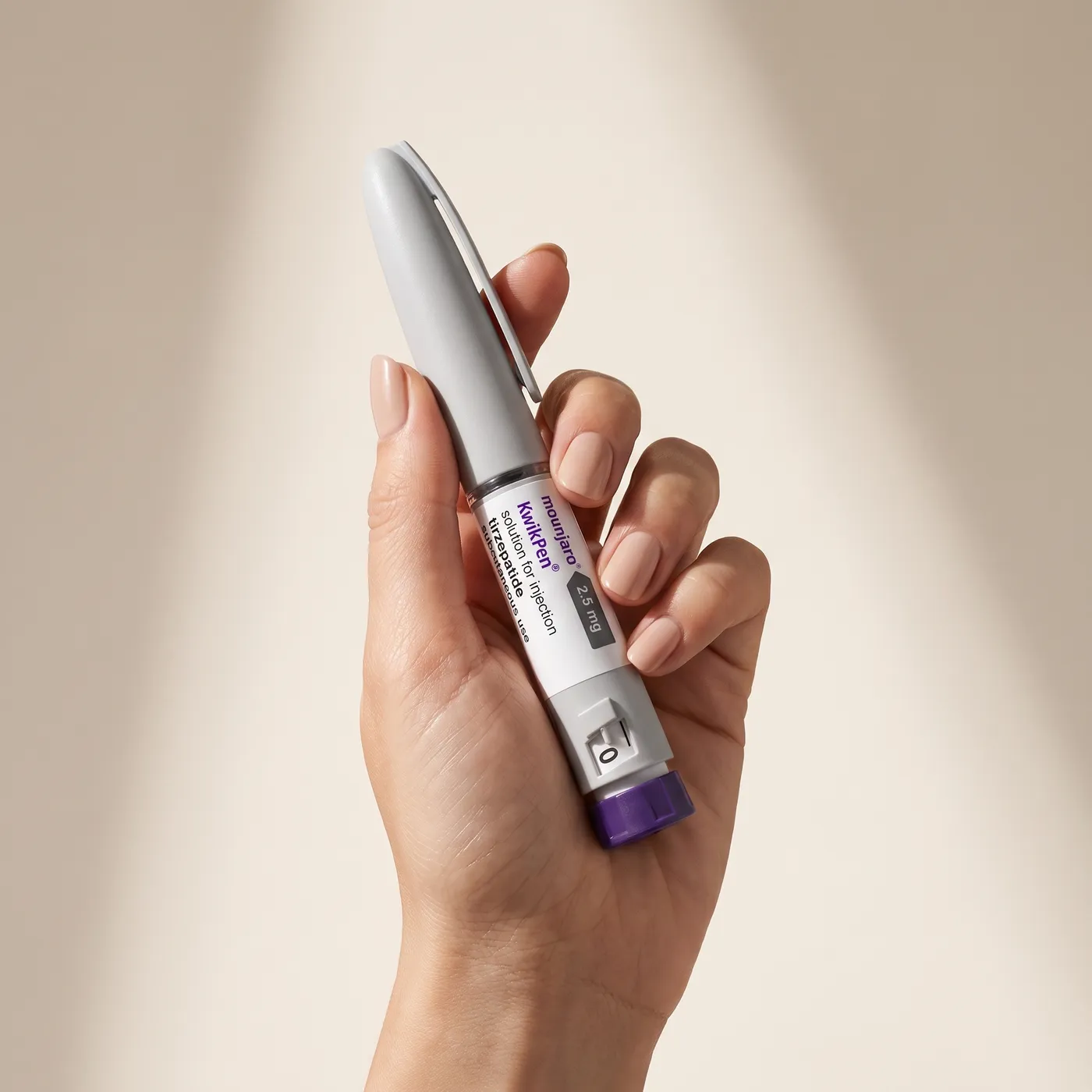
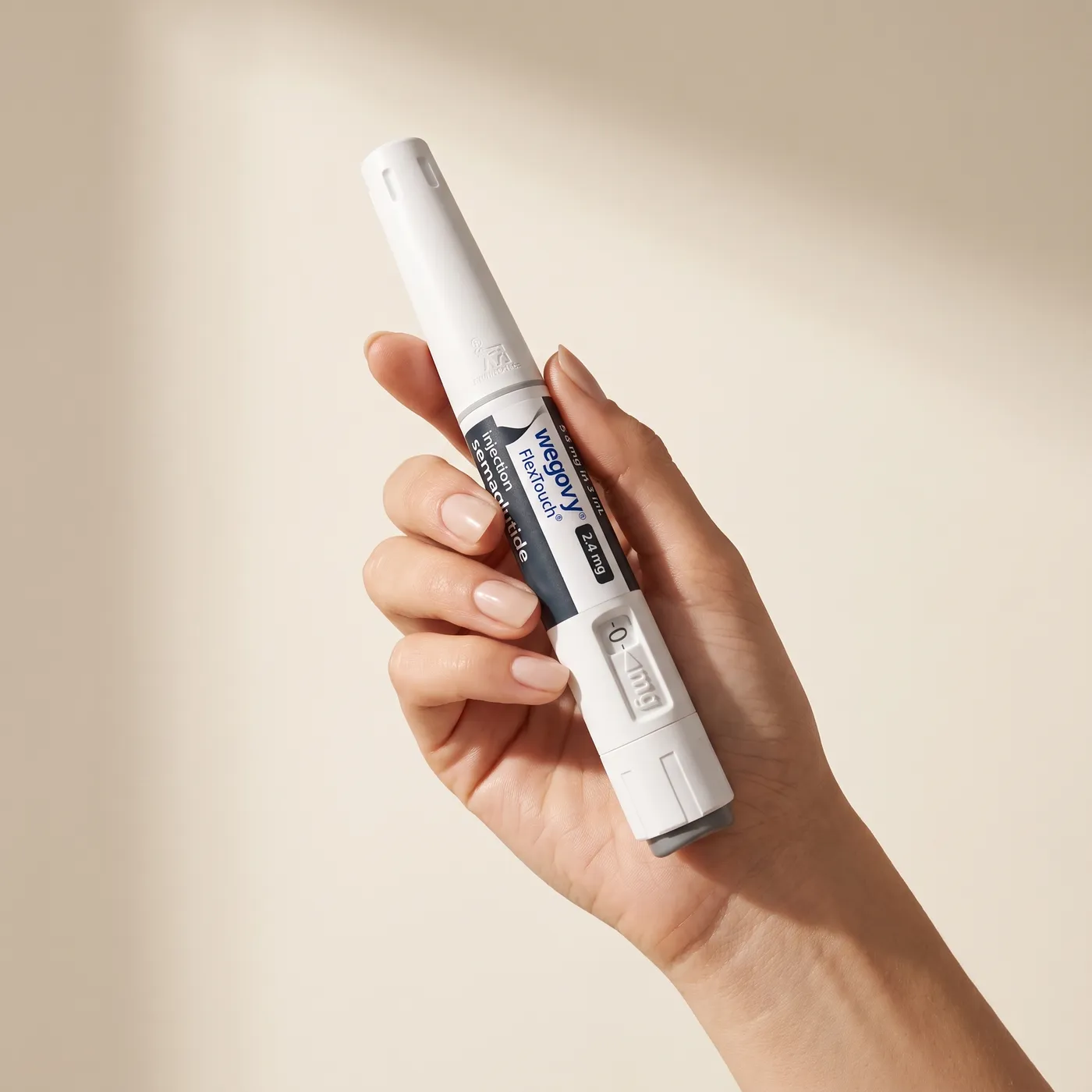
If you are on newer treatments, the same discipline applies. Weight loss injections, for instance, slow stomach emptying, which can change how other medicines and supplements are absorbed; we cover the specifics in GLP-1s and other medications. Whenever a new medicine enters your routine, re-run the conversation about everything else you take, because an interaction that did not exist last year can exist now.
The honest bottom line
The theme running through this category, that supplements deserve the same scrutiny as any other product you put in your body, matters most here, because the consequences can be serious. You do not need to memorise every supplement drug interaction. You need one habit: keep an up-to-date list of everything you take, supplements included, and share it with your pharmacist and prescriber. If you are unsure about a specific combination, ask before you start. This connects to supplement timing, where separating some supplements from medicines also helps.