





Here's what we'll cover
Mounjaro drug interactions are mostly about digestion speed: GLP-1 medicines slow how quickly the stomach empties, which can change how other medicines are absorbed. Serious interactions are uncommon and rarely rule treatment out, but oral contraception, insulin, sulfonylureas and medicines with narrow dosing margins deserve specific attention, so your prescriber needs your full medicines list.
What are GLP-1 medications?
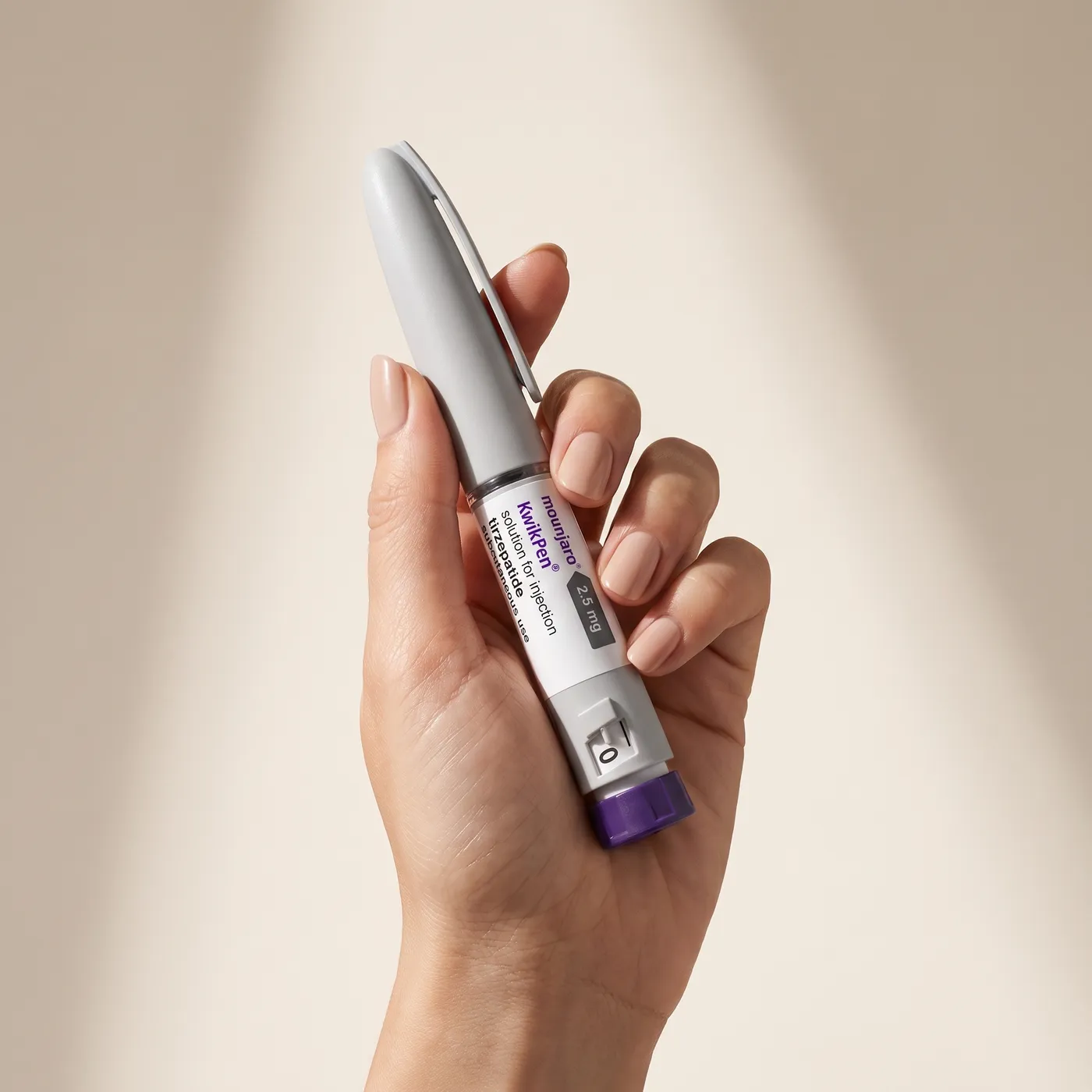
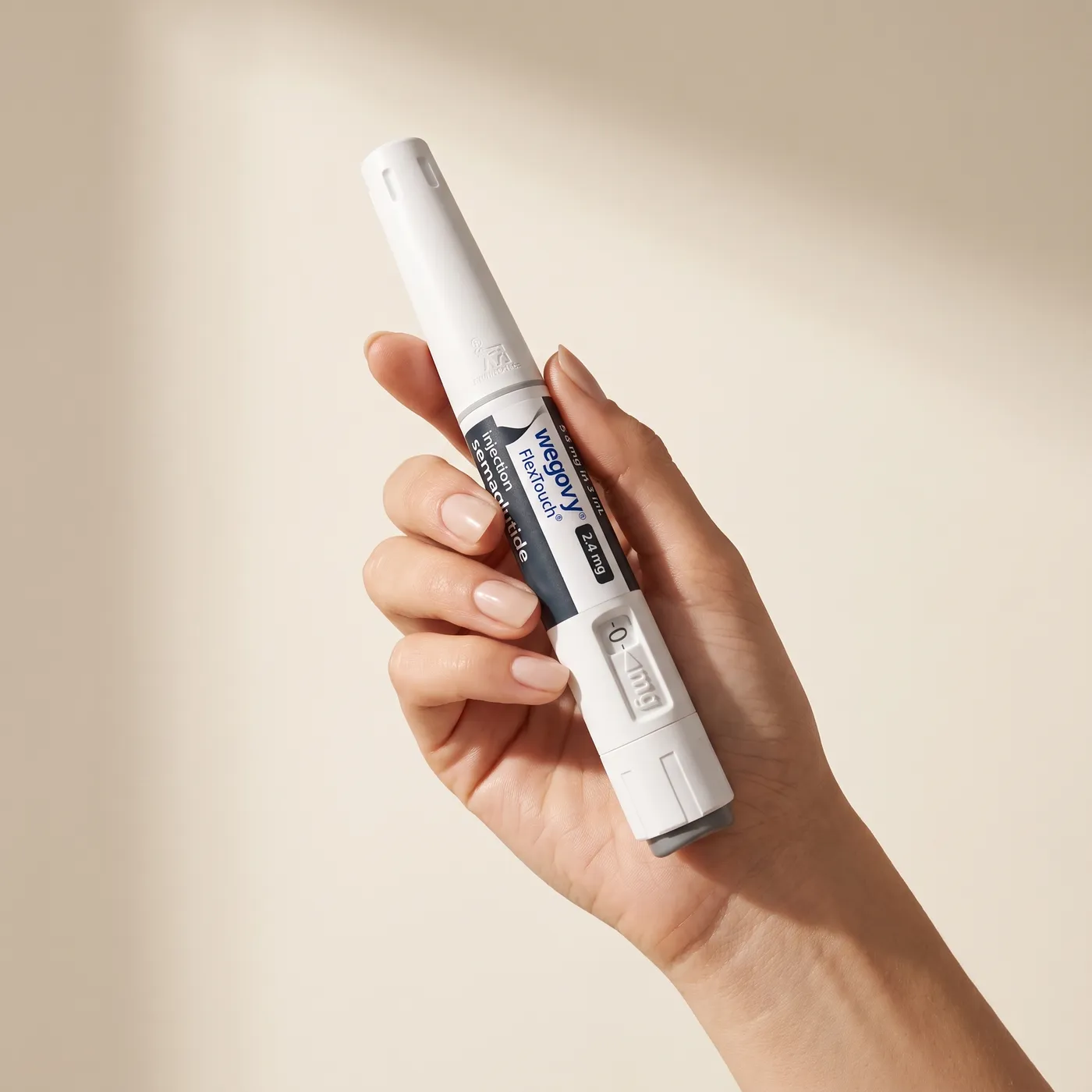
GLP-1 medications mimic a natural gut hormone that regulates appetite and blood sugar. In UK weight management the main ones are Mounjaro (tirzepatide, which also works on a second hormone called GIP) and Wegovy (semaglutide). They reduce appetite, slow stomach emptying and improve the body's insulin response; our guide to how GLP-1 weight-loss treatments work covers the mechanism fully. It is the slower stomach emptying that drives most interaction questions.
Why digestion speed matters
Most of the time slower stomach emptying is harmless and simply part of how these medicines reduce appetite. But some oral medicines rely on being absorbed at a predictable rate, and a slower stomach can change how much reaches your bloodstream and when. The effect is strongest when you first start and around each dose increase, then eases as your body adjusts; the same pattern as the digestive side effects of the first 12 weeks of treatment.
Which medicines interact with Mounjaro?
The Mounjaro Summary of Product Characteristics lists few outright interactions, but some categories are worth raising specifically with your prescriber:
- Oral contraception: tirzepatide can reduce the pill's absorption, so a non-oral or added barrier method is advised for four weeks after starting and after each dose increase; see our guide to GLP-1s and oral contraception
- Insulin and sulfonylureas: GLP-1 medicines lower blood sugar too, so doses of these may need reducing to avoid hypoglycaemia
- Narrow-margin medicines, such as warfarin, levothyroxine and some epilepsy treatments, where small changes in absorption can matter and monitoring may be sensible
- Anything taken on a strict schedule, where timing of absorption matters
None of these automatically prevents treatment. They are flags for a clinician to manage, usually with simple adjustments or monitoring rather than a change of plan.
Supplements and over-the-counter medicines
Herbal products such as St John's wort, high-dose vitamins and everyday pharmacy medicines can all change how prescriptions behave, and they are the items people most often forget to mention. Our explainer on supplements that interact with medicines covers the main offenders. When a consultation asks what you take, the useful answer includes everything, not just what a doctor prescribed.
What about everyday painkillers?
Paracetamol is reassuring on this front: it is the standard probe medicine researchers use to measure stomach emptying, and studies with GLP-1 medicines show absorption is slightly delayed but the total amount absorbed is broadly unchanged, with no dose adjustment needed. Ibuprofen and similar anti-inflammatories are not blocked either, though they can irritate the stomach, which is worth bearing in mind if treatment is already making you queasy.
Surgery, anaesthesia and GLP-1 medicines
One interaction is with a procedure rather than a pill. Because GLP-1 medicines slow stomach emptying, food can remain in the stomach longer than an anaesthetist would normally expect, and the MHRA has highlighted a potential risk of pulmonary aspiration during general anaesthesia or deep sedation. If you are having an operation or a procedure under sedation, tell the surgical and anaesthetic team that you take a GLP-1 medicine, well in advance. They may adjust fasting instructions or the timing of your dose.
What your prescriber does with your medicines list
A UK prescriber reviews your medicines against the product information before starting you, and again when your dose changes. Sometimes the plan is simply to monitor; sometimes timing is adjusted, for example taking a sensitive medicine at a different point in the day; occasionally an alternative is safer. Before your consultation, it is worth writing the list out: every prescription with its dose, anything you buy from a pharmacy or supermarket, and any supplements or herbal products, even ones you take only occasionally. The MHRA's guidance on GLP-1 medicines is clear that these medicines should only be used under proper clinical supervision, and the medicines review is a large part of what that supervision means in practice.
If you take diabetes medicines, the review matters twice over: GLP-1 treatment improves blood sugar control, so insulin or sulfonylurea doses that were right before may become too high. Our explainer on blood sugar basics covers the background, but dose changes themselves are always a clinical decision.
If something changes mid-treatment
Two habits keep you safe for the whole course of treatment. First, if any clinician prescribes you something new, a GP, a dentist, a hospital doctor, mention that you take a GLP-1 medicine; it will not be on every system they check. Second, if a medicine you have taken for years seems to work differently after starting, less pain relief, different blood pressure readings, unusual blood sugar numbers, contact your clinician rather than adjusting doses yourself.
Your community pharmacist is a useful ally here too. Pharmacists can run interaction checks on the spot, advise whether an over-the-counter remedy is sensible alongside your treatment, and flag anything that needs a prescriber's attention, without an appointment.
The theme across all of this is disclosure rather than danger. Mounjaro drug interactions are manageable when a clinician can see the whole picture; the avoidable problems come from lists with gaps in them. Keep yours complete and up to date, and let your clinicians do the rest.