







Here's what we'll cover
The short answer: the gut microbiome - the trillions of microbes living in your intestines - is genuinely important and a legitimate area of research. But the science is young, much is still uncertain, and the commercial hype runs well ahead of what is actually known. The reliable advice is simpler than the marketing: eat plenty of fibre and a varied diet.
What the microbiome is
Your gut hosts an enormous community of bacteria and other microbes, collectively the gut microbiome. Far from being passengers, they help break down food, produce certain vitamins and short-chain fatty acids, interact with the immune system, and influence the gut lining. This is why the microbiome has become such an active field: it touches so many aspects of health.
What the evidence reasonably supports
A few themes are well enough established to act on. Greater diversity of gut microbes is generally associated with better health markers, while a narrow, depleted community is linked to various problems. Diet is the biggest lever most people have over their microbiome, and it responds to dietary change within days. The NHS guidance on digestive health reflects this: its advice centres on fibre, variety and limiting processed food rather than any product or supplement, which tells you where the settled evidence actually sits.
It helps to understand why diet has such a fast, strong effect. The microbes in your gut feed largely on the parts of plant food your own body cannot digest, chiefly fibre. When they ferment that fibre they produce short-chain fatty acids such as butyrate, which nourish the cells lining the colon and calm inflammation locally. A diet thin on fibre effectively starves the beneficial microbes, and the community shifts within a few days; add the fibre back and it shifts again. A widely cited BMJ review of the microbiome in nutrition and health makes the same point: dietary pattern, not any single food or capsule, is what moves the needle. This is also why crash diets and very restrictive eating tend to reduce diversity, and why steady, varied eating beats any short intervention.
The dietary components with the best evidence are fibre and fermented foods. Fibre feeds beneficial microbes, which is one reason a high-fibre diet is repeatedly linked to better outcomes - a theme we return to in fibre and digestive health. Fermented foods such as yoghurt, kefir and kimchi introduce live microbes and, in some studies, increase diversity.
Where the hype runs ahead
The gap between the real science and the marketing is wide. You will see specific bacterial strains, expensive probiotics and 'gut health' products credited with fixing everything from mood to weight. Some of these ideas are being seriously researched, but very few have the robust evidence that the confident marketing implies. The honest position is that we are early in understanding how to deliberately reshape someone's microbiome for a specific health outcome.
Probiotic supplements are a good example: there is reasonable evidence for particular strains in particular situations, such as certain types of diarrhoea, but the general 'take a probiotic for gut health' pitch is far less supported. We look at this in probiotics evidence.
The testing-kit problem
Home microbiome testing kits deserve particular scepticism. They analyse a stool sample and return a detailed-looking report, often with dietary recommendations. The trouble is that the science to interpret an individual's microbiome and translate it into reliable, personalised advice does not yet exist in a validated form. Results can vary between kits and even between samples, and there is no agreed definition of a healthy microbiome to measure you against.
So while the reports look scientific, the actionable advice they give is generally no better than the standard guidance to eat more fibre and variety - which you can follow without paying for a test.
What to actually do
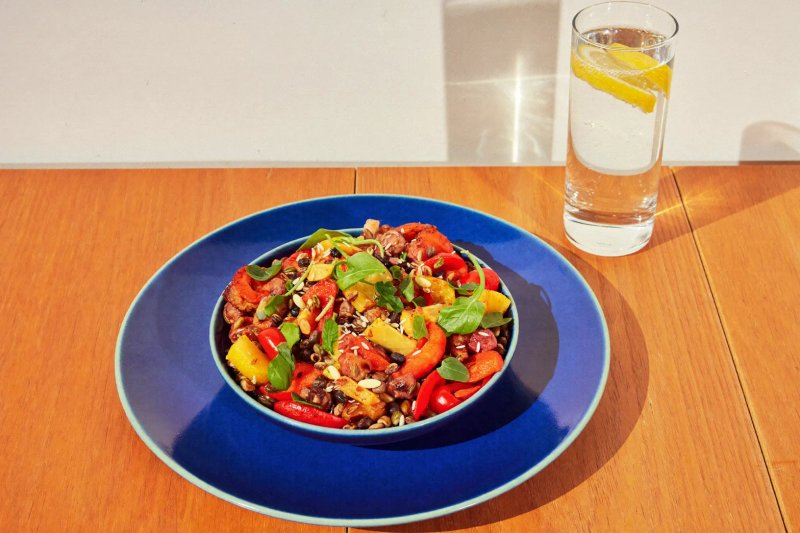
The practical takeaways are refreshingly ordinary. Eat a wide variety of plants, aim for plenty of fibre from wholegrains, pulses, fruit and vegetables, include some fermented foods if you enjoy them, and go easy on ultra-processed foods. These support a healthy microbiome as a by-product of a good diet, without needing to think about specific microbes at all. If you have persistent gut symptoms such as a change in bowel habit, do not try to self-manage with microbiome products, see your GP.
The gut and the rest of the body
Much of the excitement around the microbiome comes from its apparent links to things well beyond digestion: immune function, chronic inflammation, metabolic health and even mood through the so-called gut-brain axis. These connections are real research questions, and some are genuinely promising, but they are mostly at the stage of association and early mechanism rather than established treatments. The sensible reading is that a well-fed, diverse microbiome is one part of general good health rather than a lever you can pull for a specific outcome. A varied, fibre-rich diet is the one intervention that reliably helps, and it is worth doing in its own right. The same fibre-first, variety-first eating that helps your gut also happens to support heart and metabolic health, which is why getting enough fibre is one of the highest-value, lowest-cost dietary habits there is.