




Here's what we'll cover
High-fibre foods keep digestion moving, ease the constipation that weight-loss treatment can cause, and add to fullness. Most adults in the UK fall short of the recommended intake, so it is worth building up your fibre foods gradually, with plenty of fluid, rather than all at once.
What fibre is and why it matters
Fibre is the part of plant foods that your body cannot fully digest. It comes in two broad types. Soluble fibre, found in oats, beans and some fruit, dissolves into a gel that softens stools and helps steady blood sugar. Insoluble fibre, found in wholegrains, nuts and vegetable skins, adds bulk and speeds the passage of waste through the gut. Most plant foods contain a mix of both, so a varied diet covers the range without any need to track types.
Fibre also feeds the bacteria in your large intestine, which is why it is central to a healthy gut microbiome. According to the British Nutrition Foundation, a diet rich in fibre foods is linked with lower rates of heart disease, type 2 diabetes and bowel cancer, which is why UK guidance treats it as a priority rather than an optional extra.
Why fibre matters on weight-loss treatment
GLP-1 treatment slows the gut, so constipation is common. Fibre adds bulk and helps stools pass more easily, making it one of the most practical tools for keeping digestion comfortable. It also slows the release of sugars into the blood and adds to the feeling of fullness, which works with rather than against treatment.
The slowing of the gut is a normal, expected effect rather than a sign anything is wrong, and we cover it in detail in constipation and GI effects on GLP-1s. Because fibre steadies the rise in blood sugar after meals, it also fits with the wider approach set out in blood sugar basics and diet.
Does fibre help with weight loss?
Fibre is not a weight-loss treatment in itself, but it supports the process. Because soluble fibre slows digestion and blunts the rise in blood sugar after eating, high-fibre meals tend to keep you fuller for longer on fewer calories. That can make a reduced-calorie diet easier to stick to, which is the part that actually drives weight loss. The UK review of carbohydrates and health concluded that higher fibre intakes are associated with lower body weight and better long-term health, though the effect on the scales alone is modest.
On GLP-1 treatment the two effects reinforce each other: the medication reduces appetite while fibre keeps digestion regular and adds to fullness, so the diet stays comfortable rather than becoming a battle. The practical goal is a plate that is genuinely satisfying at a smaller volume, not one that leaves you hungry an hour later.
How much fibre do you need?
UK guidance recommends around 30g of fibre a day for adults, and most people get well under that, closer to 20g. You do not need to count grams precisely; aiming to include fibre-rich foods at each meal gets most people much closer. The NHS has practical tips on how to get more fibre into your diet, from swapping to wholegrain versions to leaving skins on.
The best high-fibre foods to eat
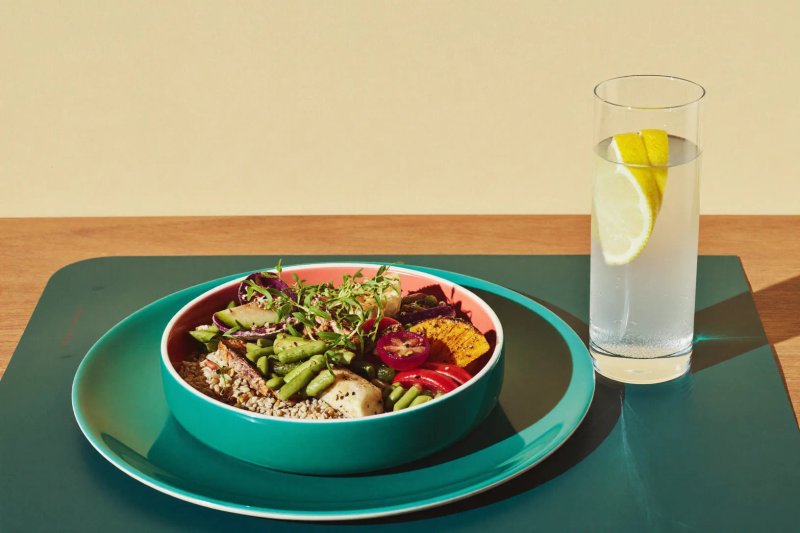
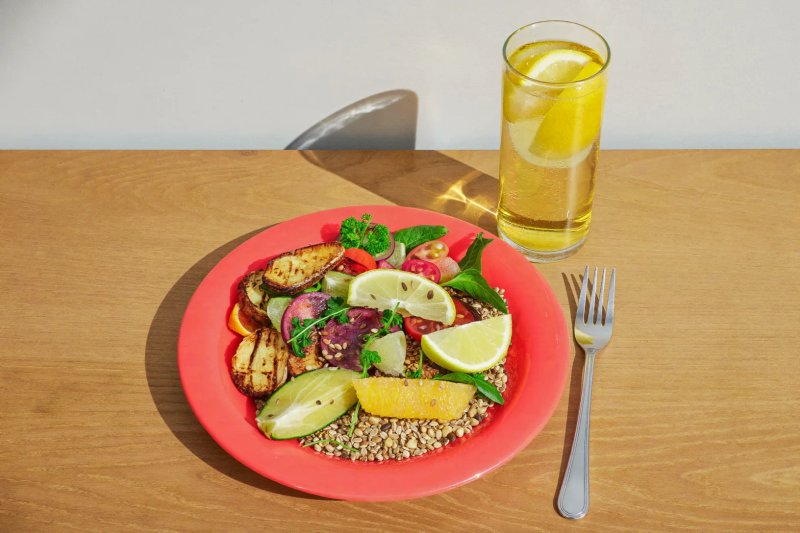
You can hit the target from ordinary foods without supplements. The most useful fibre foods to build meals around are:
- Wholegrains: oats, wholemeal bread, brown rice and wholewheat pasta.
- Pulses: beans, lentils and chickpeas, which are high in both fibre and protein.
- Vegetables and fruit, ideally with skins on where edible.
- Nuts and seeds, useful in small, protein-rich portions.
Getting fibre from whole foods is preferable to relying on supplements, because whole foods bring water, vitamins and a range of fibre types together. Where food alone is not enough, we compare the options in fibre supplements versus food.
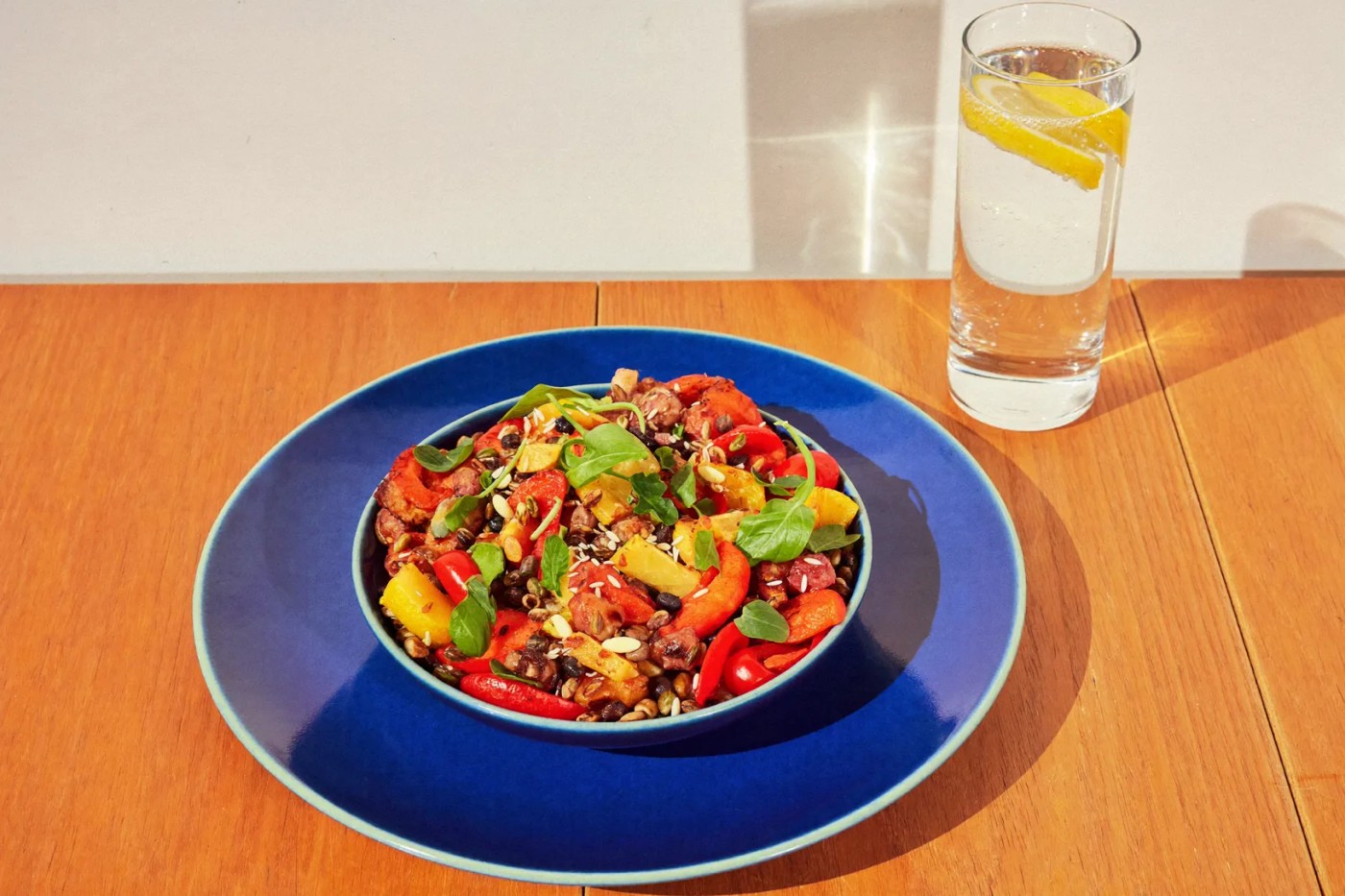
Reaching 30g is easier than it sounds when fibre foods appear at each meal. A bowl of porridge with berries at breakfast, a lunch built on beans or lentils, a handful of nuts as a snack, and a dinner with wholewheat pasta or brown rice plus plenty of vegetables will get most people close. Small swaps do a lot of the work: wholemeal instead of white bread, leaving the skins on potatoes, and choosing wholegrain versions of everyday staples rather than adding anything new.
Fibre and fluid go together
Fibre works by absorbing water, so it needs fluid to do its job. Increasing fibre without drinking more can actually make constipation worse. Pair the two: more fibre, more water. Staying hydrated is doubly important on treatment, as we explain in hydration on GLP-1 treatment.
Balancing fibre with a small appetite
High-fibre foods are filling, which is helpful, but on a reduced appetite very bulky meals can crowd out protein. Balance the plate so you still get enough protein alongside your fibre, rather than filling up on fibre alone, following the guidance in protein targets on GLP-1s. If a smaller appetite is making meals hard to finish, eating with a reduced appetite has practical strategies.
If problems persist
If constipation continues despite more fibre, fluid and movement, or you have significant bloating, cramping or discomfort, mention it to your clinician rather than relying on over-the-counter remedies indefinitely. Fibre is a sensible first-line tool, but persistent symptoms sometimes need a review of your treatment, your dose, or other causes that are worth ruling out.