







Here's what we'll cover
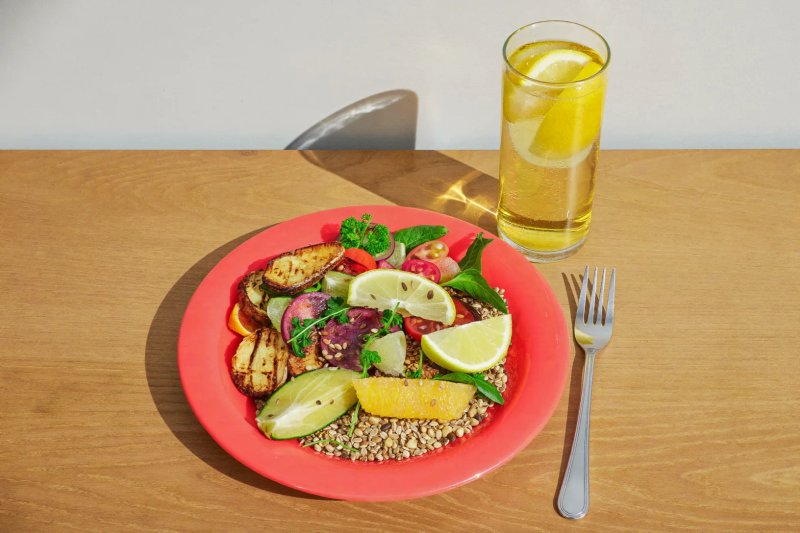
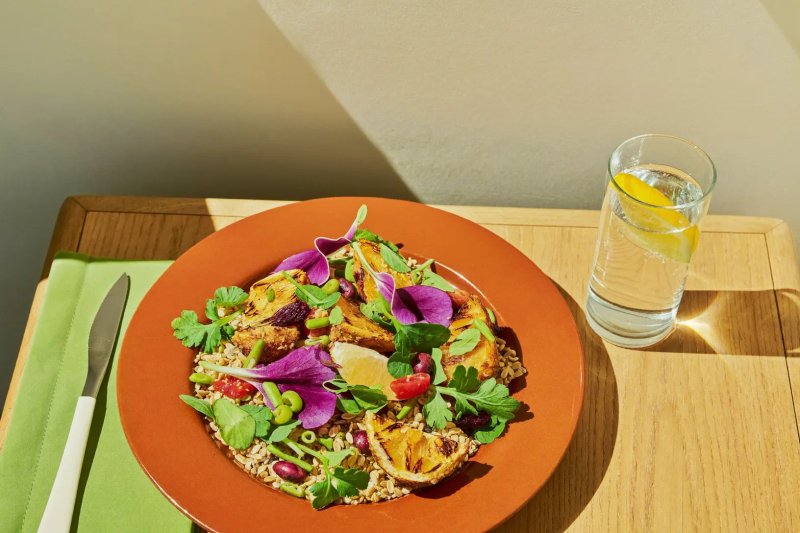
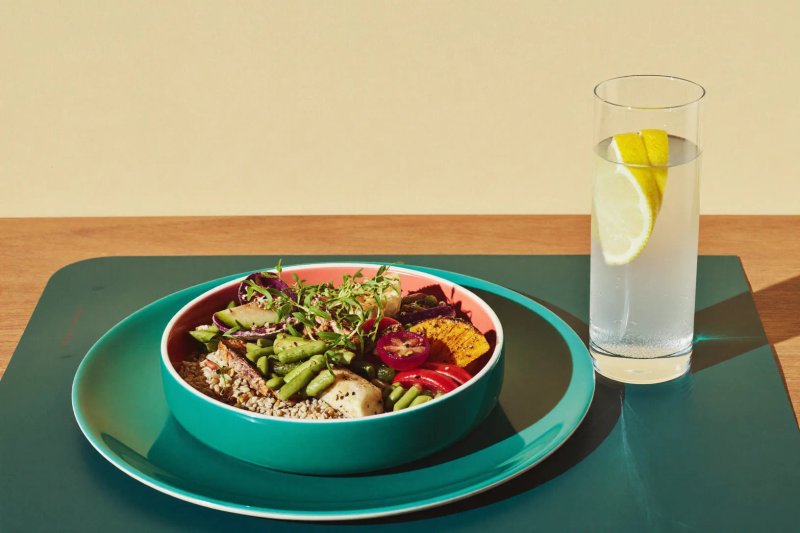
Diets high in ultra-processed foods are linked with poorer health, but much of the evidence cannot yet prove cause and effect. A sensible response is to build most meals around whole and minimally processed foods, be mindful of the most energy-dense products, and avoid treating every processed item as forbidden.
What are ultra-processed foods?
Food processing sits on a spectrum. At one end are whole and minimally processed foods; at the other are ultra-processed foods, industrially manufactured products often containing ingredients and additives not usually found in a home kitchen, such as emulsifiers, sweeteners, colourings and protein isolates. Examples include many packaged snacks, soft drinks, mass-produced breads, breakfast cereals and ready meals.
The most-used classification is called NOVA, which sorts foods by how much they are processed rather than by their nutrients. That is a useful lens but a blunt one, and even bodies such as the British Nutrition Foundation note that the category groups very different foods together, from sugary drinks to some wholemeal breads and plain yoghurts. In the UK, ultra-processed foods make up a large share of the average diet, higher than in many other European countries.
What does the evidence show?
A growing body of research links diets high in ultra-processed foods with higher risk of conditions such as obesity, type 2 diabetes and heart disease, and with higher overall mortality in some analyses. Most of this comes from large observational studies, which can track patterns across populations but cannot on their own show that the foods are the cause, because people who eat more of them often differ in other ways such as income, activity and smoking.
One tightly controlled study stands out. When people were given ultra-processed or minimally processed diets matched for calories, salt, sugar, fat and fibre, they ate around 500 more calories a day on the ultra-processed diet and gained weight, apparently because those foods are easy to eat quickly and in large amounts. The UK's Scientific Advisory Committee on Nutrition has reviewed this evidence and concluded that the observed links are concerning but not yet strong enough to say processing itself is the driver. Blood sugar is one plausible pathway, which we explore in blood sugar basics and diet.
The nuances
The picture is not simple. Ultra-processed covers a huge range, from sugary drinks to wholemeal bread and some yoghurts, and not all are equally concerning. Whether the harm comes from processing itself, or from these foods being high in sugar, salt and fat and easy to overconsume, is still being worked out. Some researchers also point to how the foods are eaten, quickly and with little chewing, and to effects on the gut.
One area of active research is the gut microbiome, where some additives and the low fibre content of many ultra-processed foods may play a role. This matters for how strongly to read the headlines: the direction of travel is clear enough to act on sensibly, but the mechanism is not settled, so sweeping claims should be treated with caution.
It also helps to remember what ultra-processed foods do well. They are cheap, convenient, safe from a food-hygiene point of view, and often fortified with vitamins, which is one reason they became such a large part of the modern diet. The concern is not that any one product is dangerous but that a diet dominated by them tends to be higher in energy, salt and free sugars and lower in fibre than a diet built around whole foods. Framing it as displacement, what these foods crowd out, is usually more useful than framing it as a list of items to ban.
How to cut down on ultra-processed foods
You do not need a perfect diet to benefit. Shifting the balance a little at a time, in line with the NHS advice on eating a balanced diet, is more sustainable than an overnight overhaul that rarely lasts. A few practical steps help:
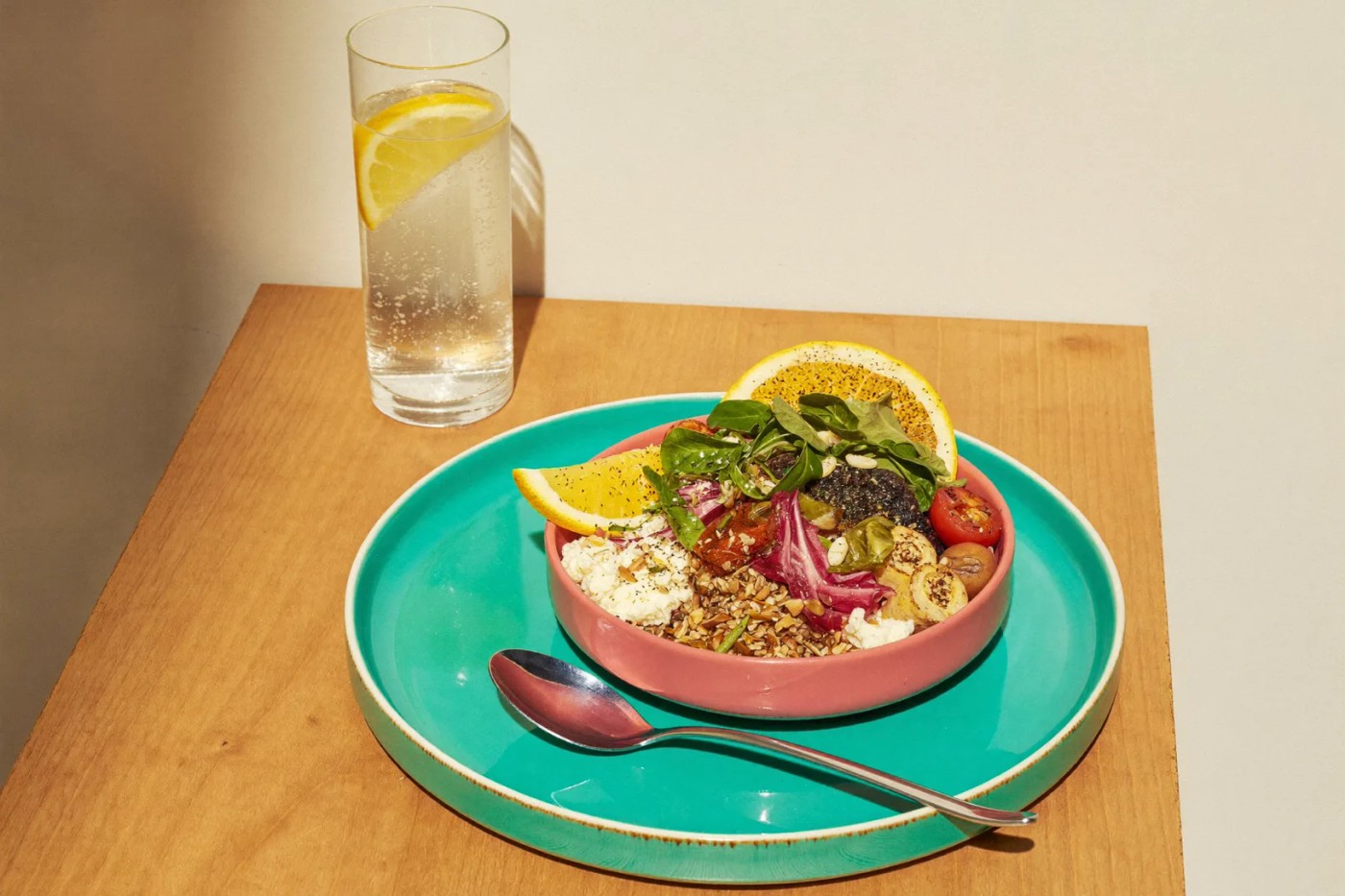
- Build meals mostly around whole and minimally processed foods.
- Be especially mindful of sugary drinks and energy-dense snacks.
- Read labels for sugar, salt and portion size.
- Do not treat every processed food as off-limits; convenience has a place.
Crucially, this is about the overall pattern, not any single meal. Very restrictive approaches tend to backfire, as we set out in why crash diets fail. A diet with more fibre, from the sources covered in fibre and digestive health, tends to displace ultra-processed foods naturally.
Ultra-processed foods on a reduced appetite
When you are eating less, on a weight-loss treatment or otherwise, the quality of each choice matters more. Favouring whole foods helps you get the protein, fibre and nutrients you need in a smaller volume, whereas ultra-processed options often bring calories with less of that value.
If a smaller appetite is making meals difficult, our guides to eating with a reduced appetite and meal planning on GLP-1s cover how to make each bite count without needing ultra-processed convenience foods to hit your targets.
The balanced takeaway
You do not need to fear food or chase perfection. The strongest, most defensible reading of the evidence is simple: shift the balance of your diet towards whole and minimally processed foods, be thoughtful about the most energy-dense ultra-processed items, and keep the rest in proportion. That approach holds up whether or not future research pins down exactly why these foods are linked to poorer health.