






Here's what we'll cover
The short answer: inflammation is your body's defence and repair system, and in short bursts it is essential. The problem is chronic, low-grade inflammation that lingers in the background for years, which is linked to a range of diseases. Diet can influence it, but through your overall pattern of eating rather than any single wonder food.
Acute inflammation: the helpful kind
When you cut your skin or catch an infection, the redness, heat, swelling and soreness that follow are acute inflammation at work. Blood flow increases, immune cells flood to the site, and the area is defended and repaired. This response is fast, targeted and, crucially, self-limiting: once the job is done, it switches off. Without it, wounds would not heal and infections would run unchecked.
The four classic signs described since antiquity, redness, heat, swelling and pain, all come from the same underlying mechanism. Small blood vessels near the injury widen and become leakier, so more blood and fluid reach the tissue, which explains the warmth and the swelling; chemical signals released by damaged cells sensitise nearby nerve endings, which explains the pain. As clinical overviews of acute inflammation describe, this is a tightly choreographed sequence that ends with dedicated signals telling the immune system to stand down. The healthy version of inflammation is defined as much by that off-switch as by the initial flare.
Chronic inflammation: the harmful kind
Chronic low-grade inflammation is a different beast. Instead of a sharp, local response that resolves, it is a persistent, low-level activation of the immune system throughout the body, often with no outward symptoms. Over years, this simmering state is thought to contribute to conditions including heart disease, type 2 diabetes and others. It is subtle, which is what makes it insidious - you do not feel it the way you feel a swollen ankle.
This chronic state connects to several other topics: it interacts with the stress response and with excess visceral fat, which is metabolically active and pro-inflammatory.
Because it is silent, chronic inflammation is usually inferred rather than felt. Doctors sometimes measure a blood marker called C-reactive protein, or CRP, which rises with inflammation, but a single reading is a blunt instrument: it goes up with any recent infection or injury and does not tell you the cause. That is why no one should be diagnosing themselves with chronic inflammation from an app or a home test, and why the more useful question is not whether you have inflammation but whether your everyday habits are pushing it up or holding it down. The distinction also explains a common confusion. Feeling achy or tired is not evidence of the harmful, systemic kind; those symptoms have many ordinary causes, and treating them as an inflammation problem to be fixed with supplements usually wastes money and attention.
What raises chronic inflammation
Several everyday factors are associated with higher levels of low-grade inflammation, and most are familiar from the rest of general health:
- Smoking, which is strongly pro-inflammatory.
- Excess body fat, particularly around the abdomen.
- Physical inactivity and prolonged sitting.
- Poor or insufficient sleep.
- Chronic psychological stress.
- A diet high in ultra-processed foods and low in fibre and plants.
The encouraging flip side is that the same levers that reduce inflammation - stopping smoking, staying active, sleeping well, keeping a healthy weight - are the ones that support health generally. There is no separate inflammation regime to follow.
The anti-inflammatory diet: an honest look
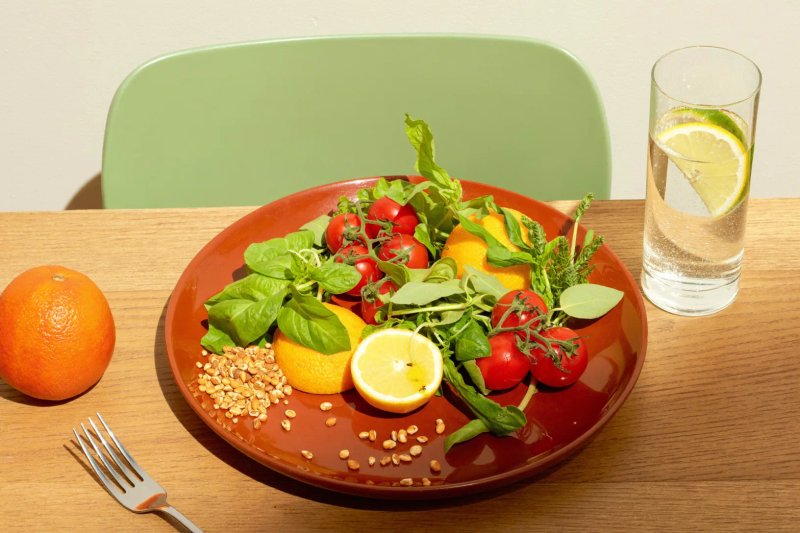
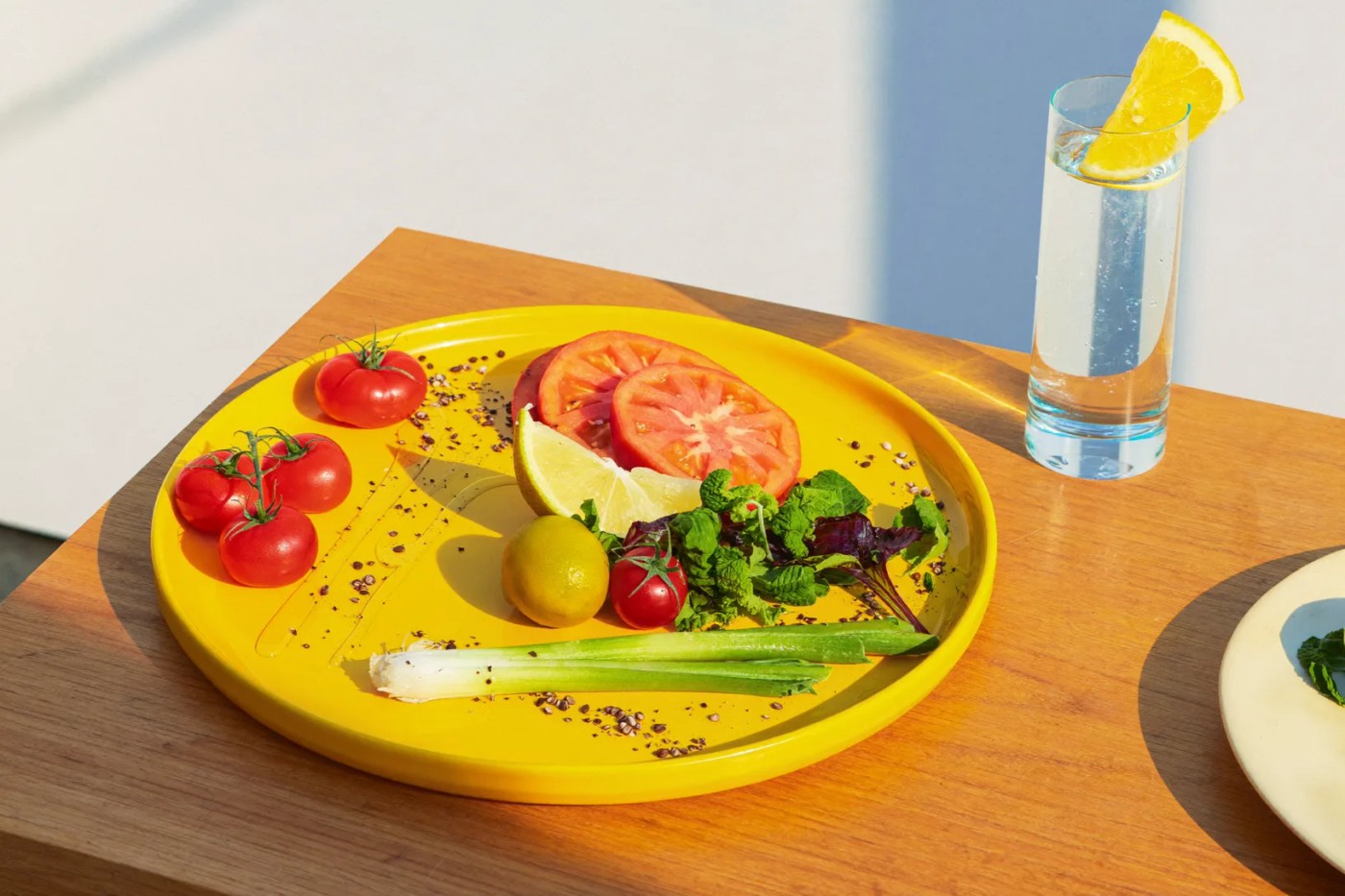
'Anti-inflammatory diet' is one of the most marketed phrases in nutrition, so honesty matters. There is reasonable evidence that an overall dietary pattern rich in vegetables, fruit, wholegrains, pulses, nuts, olive oil and fish, broadly a Mediterranean-style pattern, is associated with lower inflammatory markers. That is a real finding worth acting on, and it lines up with the same eating pattern that supports heart and metabolic health rather than being a separate prescription.
Part of why the whole pattern matters more than any single food is that fibre-rich, largely unprocessed eating also feeds a healthier gut microbiome, and the microbes there produce compounds that help regulate the immune system. It is one interlocking system, which is exactly why isolated superfoods disappoint: you cannot bolt a healthy signal onto an otherwise inflammatory diet and expect it to hold.
What the evidence does not support is the idea that specific superfoods, spices or supplements meaningfully lower inflammation on their own. Turmeric, ginger, berries and the like are fine foods, but no single item is going to counteract an otherwise poor diet, and the supplement versions rarely live up to the marketing. The signal is in the whole pattern, not the individual ingredient - a point we make about ultra-processed foods too.
A sensible takeaway
You do not need to fear inflammation or hunt for anti-inflammatory foods. Acute inflammation is doing its job. To keep chronic inflammation low, the plan is the familiar one: do not smoke, stay active, sleep well, manage stress, keep to a healthy weight and eat a varied, largely unprocessed diet. If you have symptoms suggesting an inflammatory condition - persistent joint pain, swelling or unexplained fatigue - see your GP rather than reaching for supplements.