







Here's what we'll cover
HbA1c is a blood test that measures your average blood sugar over roughly the past two to three months. In the UK it is reported in mmol/mol: below 42 is normal, 42 to 47 suggests prediabetes, and 48 or above can indicate diabetes. Because it reflects months rather than moments, you do not need to fast for it.
In short, HbA1c is an average rather than a snapshot. That makes it a reliable way to see the bigger picture of blood sugar control, but it also means a single reading should be interpreted with context rather than in isolation. Understanding what it does and does not tell you helps you make sense of your own result.
What HbA1c actually measures
HbA1c stands for glycated haemoglobin. Haemoglobin is the protein in red blood cells that carries oxygen, and glucose in the blood naturally sticks to it. The more glucose there has been in your blood, the more of your haemoglobin becomes coated. Because red blood cells live for around three months, measuring this gives an average of your blood sugar over roughly the past two to three months, rather than just at the moment of the test. That is its great advantage: you do not need to fast, and a stressful or indulgent day beforehand will not skew it much.
What the numbers mean
In the UK, HbA1c is reported in units of mmol/mol. As a general guide used by the NHS and Diabetes UK:
- Below 42 mmol/mol is considered normal.
- 42 to 47 mmol/mol suggests a higher risk of diabetes, sometimes called prediabetes.
- 48 mmol/mol or above can indicate diabetes.
You may also see an older percentage unit, where 48 mmol/mol is about 6.5 per cent. For people already diagnosed with diabetes, a target HbA1c is usually agreed with their care team, and it can differ from person to person depending on their circumstances. A younger person might aim lower to reduce long-term risk, while an older person, or someone for whom low blood sugar is a particular hazard, might have a slightly higher target set deliberately. This is why comparing your number directly with someone else's can be misleading: the same result can be reassuring for one person and a prompt to act for another.
Why one result is not the whole story
A diagnosis of diabetes is not usually made on a single number alone. If you have no symptoms, a raised result is generally repeated to confirm it. Some conditions can also make HbA1c less reliable, including certain types of anaemia, recent heavy blood loss, pregnancy and some disorders of the red blood cells, because they change how long red cells survive. This is another reason results are interpreted by a clinician who knows your history rather than read in isolation.
What you can do about a raised result
A result in the prediabetes range is a useful early warning, and it is often possible to bring it down. The changes with the most evidence are losing excess weight, being more active, improving diet quality, and cutting back on sugary drinks and heavily processed foods. Many people in this range can reduce their risk substantially, and the NHS Diabetes Prevention Programme exists to help. Where diabetes is diagnosed, these same changes remain important and may be combined with medicines, guided by your care team.
HbA1c and weight-loss treatment
There is an important connection between blood sugar and weight. Carrying excess weight, particularly around the middle, raises the risk of type 2 diabetes, and losing weight can lower a raised HbA1c and in some cases push it back out of the diabetes range. This is one reason the same GLP-1 based medicines appear in both diabetes and weight management: they were developed to improve blood sugar and were found to support weight loss too. If your HbA1c is raised and weight is a factor, a clinician can look at both together and discuss which combination of lifestyle change and, where appropriate, treatment makes sense for you.
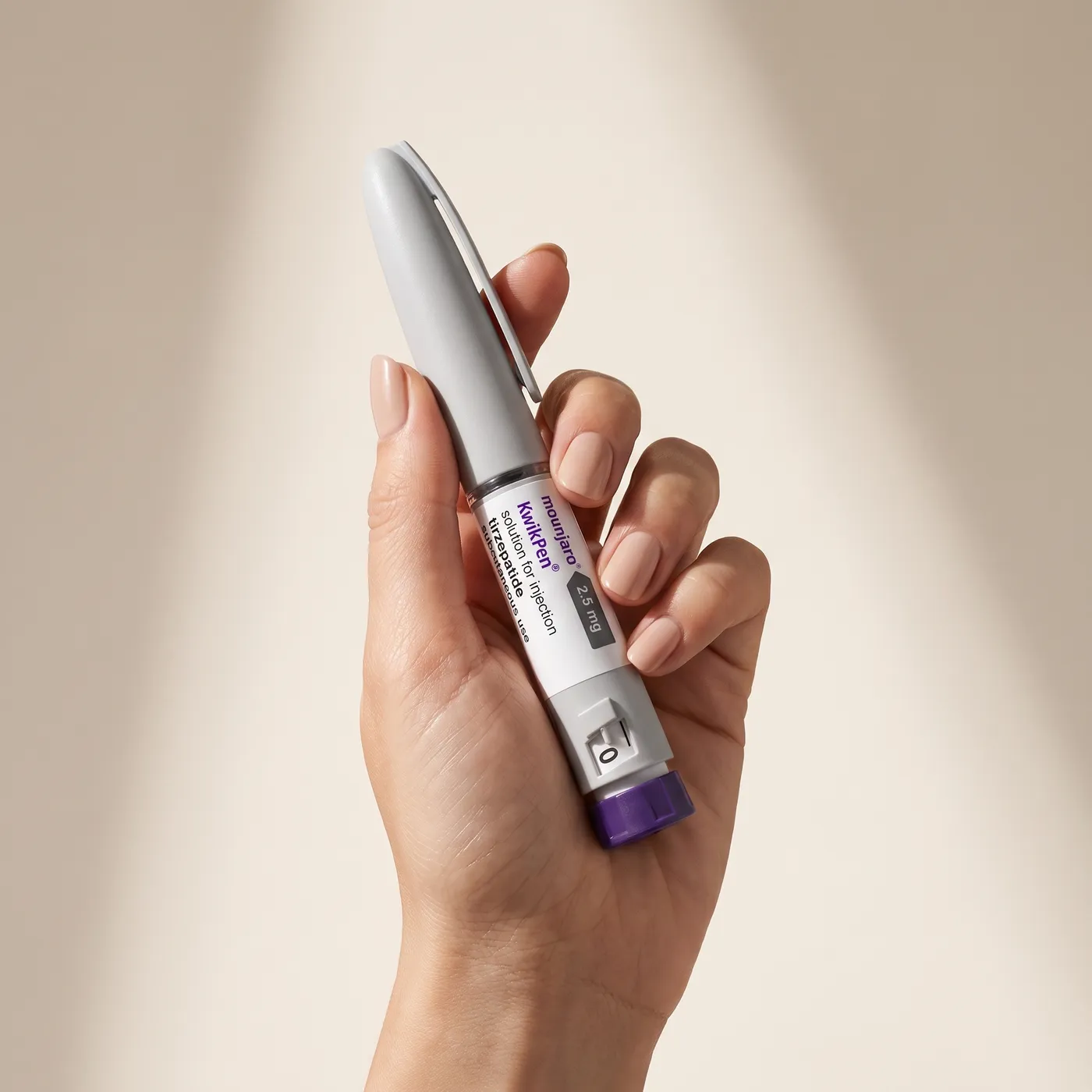
Two questions come up often. First, tirzepatide does not show up on a standard blood test: HbA1c measures your average blood sugar, not the medicines you take, though over months it will reflect the effect a treatment such as Mounjaro is having. Second, in people without diabetes these medicines rarely cause low blood sugar on their own, because they act mainly when blood sugar is raised; the risk increases when they are combined with insulin or certain diabetes tablets, which is something prescribers check for.
How quickly can it change?
Because HbA1c reflects an average over months, it does not shift overnight. After making changes, it usually takes around three months to see a meaningful difference in the number, which is why repeat tests are typically spaced out rather than done week to week. That lag can feel frustrating, but it also means the result is a fair reflection of sustained effort rather than a single good or bad day. Patience and consistency show up in this test in a way that crash efforts do not.
Talk to a clinician about your result
If your HbA1c is raised, the best step is to discuss it with a healthcare professional, who can put it in context, arrange any repeat or additional tests, and help you make a plan. A number on a page is only useful once it is understood alongside your symptoms, history and goals, and acting early on a borderline result is one of the most worthwhile things you can do for your long-term health. It is also worth reframing a prediabetes result as an opportunity rather than a diagnosis: it is the point at which changes have the most leverage, before problems become established. Whether that means diet and activity alone, a structured programme, or treatment as part of a wider plan, the earlier the conversation happens, the more options tend to be on the table.