









Here's what we'll cover
Wondering how to speed up your metabolism, or whether a treatment like Mounjaro speeds it up? The honest answer is that metabolism is simply the energy your body uses to keep going, most of it runs in the background, and the biggest real influences are muscle mass, body size, age and activity. Not superfoods, not tricks, and not weight loss injections either, which work on appetite instead.
What metabolism actually is
Your metabolism is the total energy your body uses. The largest part is your resting metabolic rate, the energy needed just to keep your organs working at rest, which typically accounts for well over half of what you burn in a day. On top of that comes the energy used digesting food, roughly 10% of intake, and, most variably, the energy used in movement and exercise.
The NHS guide to metabolism and weight loss makes the key point plainly: people with a larger body burn more energy, not less, and a slow metabolism is rarely the cause of weight gain.
What genuinely affects it
- Body size: larger bodies burn more energy, which is why rate changes as you lose weight
- Muscle mass: muscle uses more energy at rest than fat, though the effect is modest
- Age: metabolic rate declines gradually, though later and more slowly than most people think
- Activity: the most changeable part, through both exercise and daily movement
On age, the evidence is more encouraging than the folklore. A landmark 2021 study in Science, pooling data from over 6,400 people, found that energy expenditure adjusted for body size is stable from roughly age 20 to 60, and only then begins to decline. Midlife weight gain is mostly about changing habits, muscle and circumstances, not a metabolic cliff edge.
This matters because it puts the focus in the right place. If your metabolic rate is largely fixed by things you cannot change, such as your organ size and genetics, then the useful questions are about the parts you can influence: how much muscle you carry and how much you move. Chasing an elusive metabolic switch wastes energy that is better spent on those.
The myths
A lot of popular belief does not hold up:
- 'Metabolism-boosting' foods and drinks: any effect from chilli, green tea or coffee is tiny and short-lived
- Eating many small meals to 'stoke' metabolism: total intake matters more than meal frequency
- A dramatically 'broken' metabolism: genuine large differences between similar people are uncommon
- Starvation mode as popularly described: eating too little does slow loss through adaptation, but it does not make the body store fat while in a genuine deficit
Does Mounjaro speed up your metabolism?
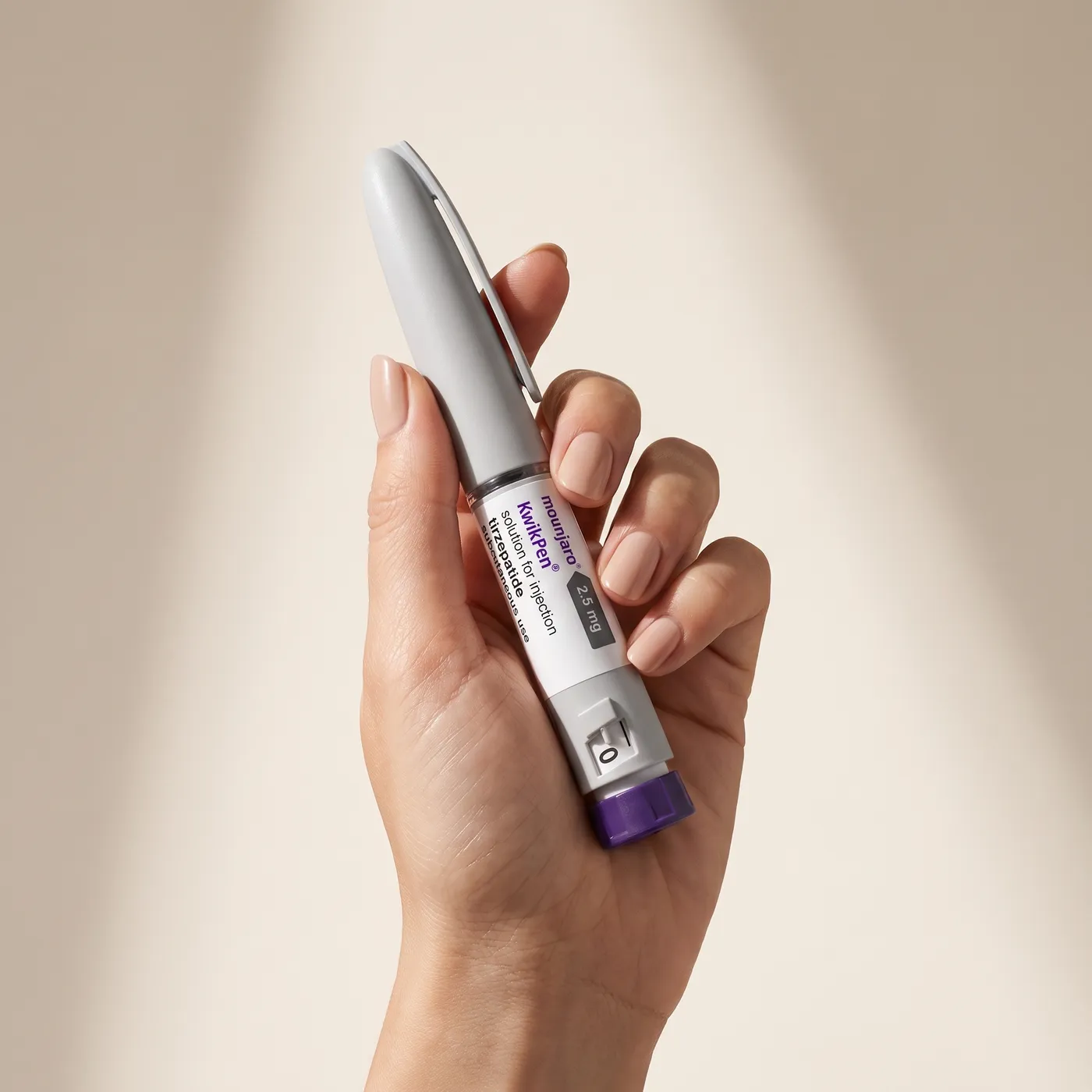
No, and this is one of the most common misunderstandings about weight loss injections. Mounjaro (tirzepatide) and similar GLP-1 medicines do not meaningfully raise the energy your body burns. They work on the other side of the energy balance equation: by mimicking gut hormones such as GLP-1 and GIP, they reduce appetite and slow stomach emptying, so you feel full sooner and eat less overall. The weight loss comes from that reduced intake, not from a faster engine. Our guide to how Mounjaro works explains the mechanism in detail.
If anything, metabolic rate falls modestly during treatment, for the same reason it falls with any weight loss: a smaller body needs less energy. That is why preserving muscle with protein and resistance exercise matters just as much on weight-loss treatment as off it. Anyone promising a medicine, supplement or food that speeds up metabolism enough to change your weight is selling a story the physiology does not support.
The grain of truth
Metabolism does adapt, and this is the kernel of truth inside the myths. As you lose weight your energy needs fall, partly just because there is less of you, and partly through a phenomenon called adaptive thermogenesis, where the body becomes slightly more efficient and burns a little less than its new size alone would predict. This is the body's effort to defend its weight, the phenomenon behind set point theory. This is real, and it is why weight loss plateaus happen and maintenance takes ongoing effort, but it is not the same as a lastingly damaged metabolism. The adaptation is measured in the low hundreds of calories at most, and it eases rather than worsens over time; it does not trap you at a weight or reverse a genuine deficit.
How to support your metabolism
The most practical lever is preserving muscle, through enough protein and resistance activity, so that more of the weight you lose is fat and your resting energy use is supported. Everyday movement also raises the most changeable part of your metabolism, often by more than formal workouts do, because it accumulates across the whole day.
These are ordinary habits, not tricks, and they are the same ones that protect metabolic health in the long run. Sleep and stress matter too, mostly through their effect on appetite and how much you move the next day rather than on resting rate directly. If your weight has changed noticeably without any change in habits, or you have symptoms such as persistent tiredness, feeling cold or low mood, it is worth asking your GP about an underactive thyroid, which can genuinely lower metabolic rate and is checked with a simple blood test, rather than assuming a slow metabolism.