








Here's what we'll cover
How does Mounjaro work? Tirzepatide, the active ingredient in Mounjaro, is a lab-made version of two hormones your gut releases after eating. By mimicking both at once it strengthens your body's natural fullness signalling, so you feel satisfied sooner, stay full for longer and think about food less.
What is Mounjaro?
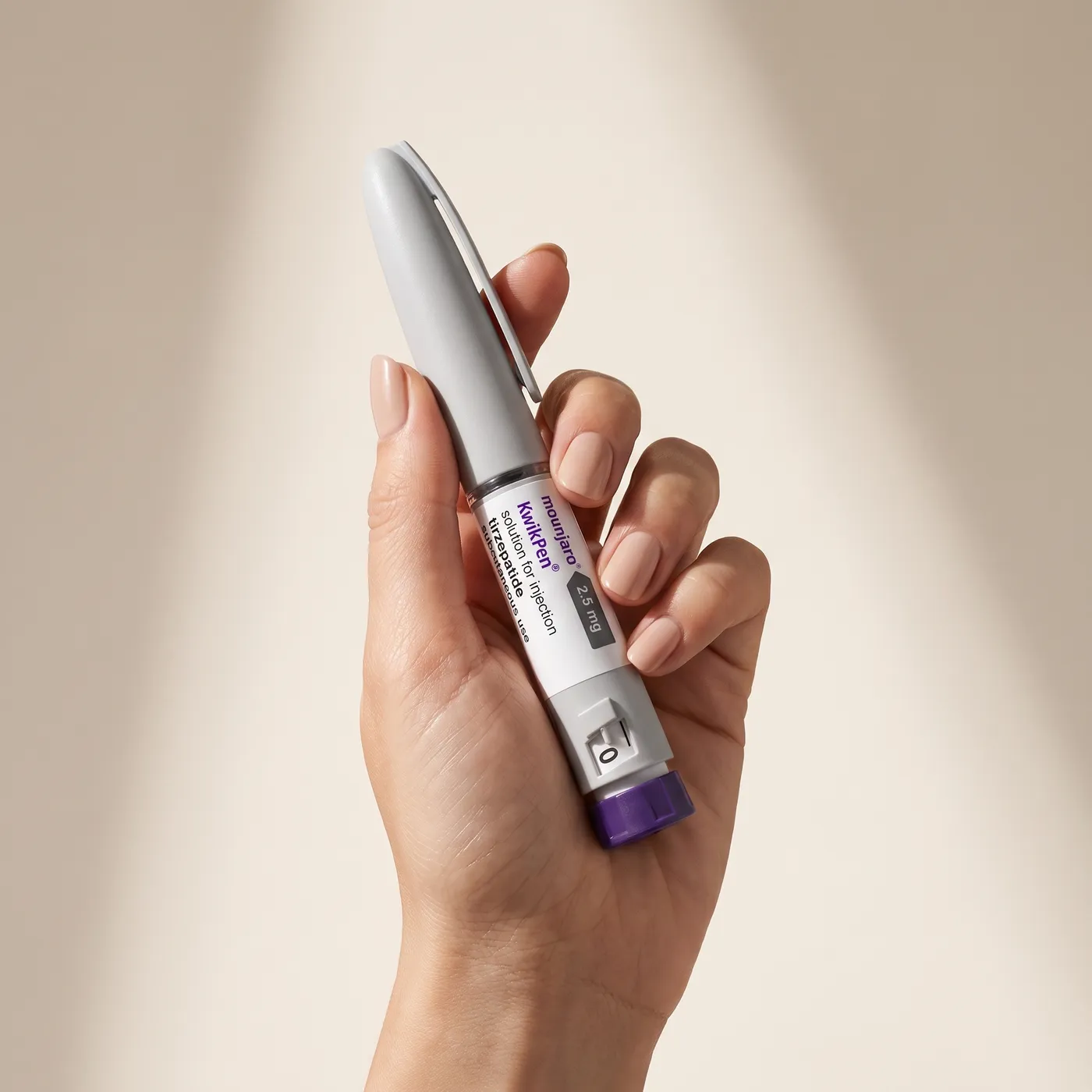
Mounjaro is the brand name for tirzepatide, a once-weekly injection licensed in the UK for weight management alongside diet and physical activity, and separately for type 2 diabetes. The Mounjaro product information sets out the full licence details. NICE has recommended tirzepatide for managing overweight and obesity in eligible adults, which is why it is becoming available through NHS services as well as regulated private providers.
Two hormones, one injection
After a meal your intestine releases hormones called incretins. Two of them matter here: glucagon-like peptide-1 (GLP-1) and glucose-dependent insulinotropic polypeptide (GIP). Between them they prompt the pancreas to release insulin when blood sugar rises, slow the rate at which the stomach empties, and signal to the brain that you have eaten enough.
Your own incretins are broken down within minutes. Tirzepatide is designed to stay active for about a week, which is why Mounjaro is a once-weekly injection rather than something taken with every meal.
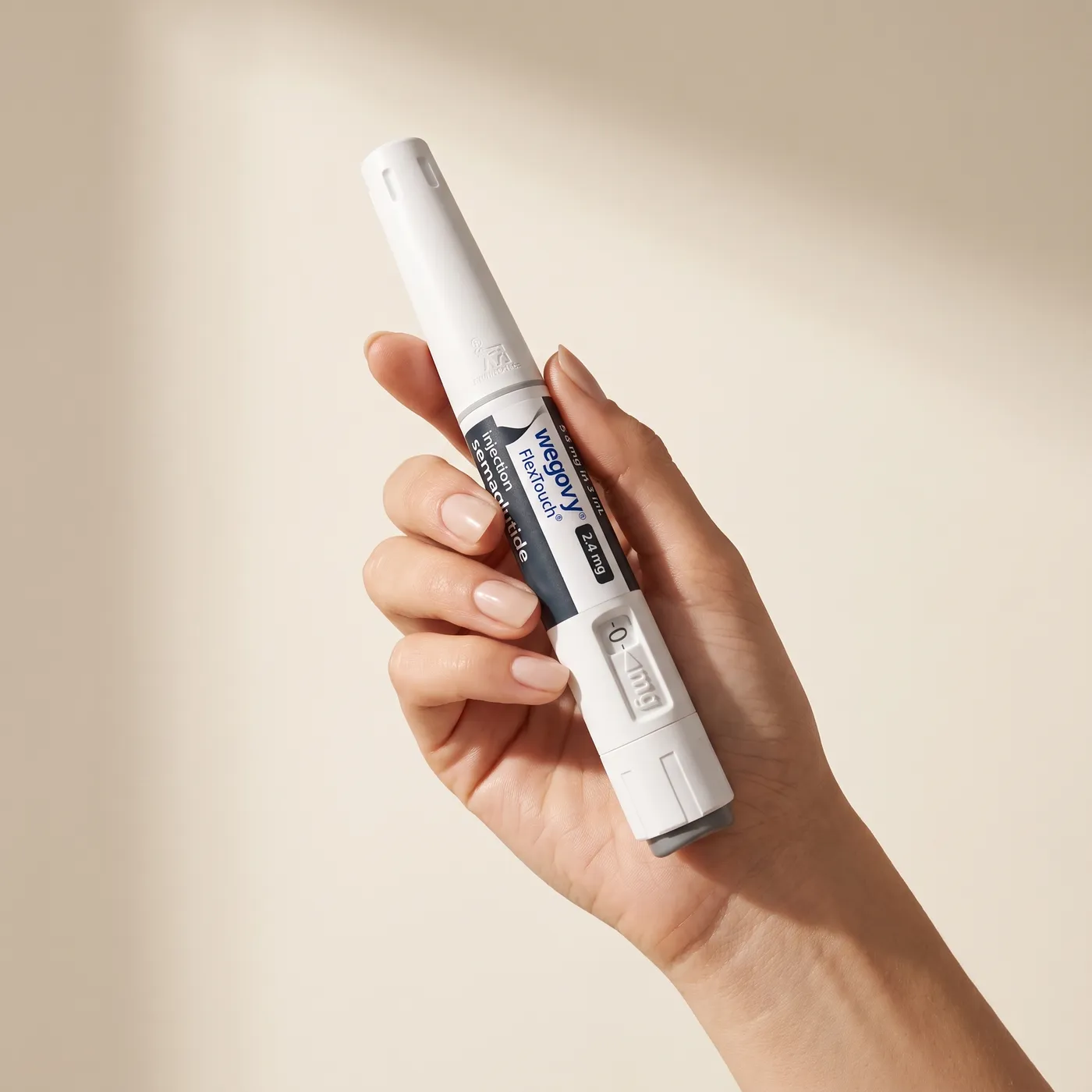
Most treatments in this class act on the GLP-1 receptor alone; semaglutide, the active ingredient in Wegovy, works this way. Tirzepatide acts on both the GLP-1 and GIP receptors, which is why it is often described as a dual agonist.
If you want the single-hormone comparison in more depth, see our guides to how semaglutide works and Mounjaro vs Wegovy.
How does tirzepatide work on blood sugar?
Both hormones tirzepatide mimics are involved in glucose control as well as appetite. When blood sugar rises after a meal, GIP and GLP-1 prompt the pancreas to release insulin and dampen glucagon, the hormone that tells the liver to release stored glucose. The effect is glucose-dependent: it kicks in when blood sugar is high, which is why tirzepatide on its own rarely causes low blood sugar.
This is also why tirzepatide was first developed for type 2 diabetes, where it is prescribed under the same brand name in the UK. For weight management, the blood sugar effect is a helpful side benefit rather than the goal: steadier glucose can mean steadier energy and fewer sharp swings in hunger between meals.
What that does day to day
For most people the everyday effect is a quieter appetite. Meals feel filling at smaller portions, hunger between meals is less insistent, and the mental pull towards food, sometimes called food noise, tends to fade. Because the stomach empties more slowly, fullness also lasts longer after eating.
None of this removes the need for the everyday work of eating well and staying active. The medication makes those changes easier to sustain; it does not replace them.
What Mounjaro does not do is choose the food for you or burn fat directly. It changes the signals around eating, which for many people is the part that has always been hardest to change through willpower alone. The medicine creates room for new habits; the habits still have to be built.
Does Mounjaro work? What the evidence shows
In the SURMOUNT-1 trial, adults with obesity or overweight taking the highest tirzepatide dose lost an average of around 20% of their body weight over 72 weeks, compared with about 3% on placebo. Lower maintenance doses produced average losses of roughly 15% to 19%. Individual results vary widely around those averages.
Two details matter when reading those numbers. First, everyone in the trial received diet and activity support, so the results reflect medicine plus lifestyle change, not medicine alone. Second, weight loss was gradual: the curves kept falling through the first year rather than dropping sharply at the start. Expecting steady progress over months is more realistic than expecting quick results.
Appetite effects usually appear within the first weeks, while weight change builds gradually over months. Our article on how long Mounjaro takes to work walks through a realistic timeline.
Why the dose builds up slowly
Treatment starts at a low dose and increases in steps. This is not about ramping up an effect for its own sake; it gives your digestive system time to adjust and keeps early side effects, mostly mild nausea, to a minimum. Your prescriber sets the schedule and reviews how you are getting on before each step up.
In practice, treatment starts at 2.5 mg once weekly for four weeks, then moves to 5 mg, with further steps towards 10 mg or 15 mg where needed and tolerated. Our article on why GLP-1 doses step up explains why this gradual approach tends to mean fewer digestive side effects.
Is it right for everyone?
No. Mounjaro is a prescription-only medicine with specific eligibility criteria and situations where it should not be used. A UK prescriber reviews your health history, current medicines and goals before deciding whether it is clinically appropriate, and continues to review you during treatment.
In broad terms, UK eligibility for weight management centres on body mass index thresholds and weight-related health conditions; our guide to weight loss injection eligibility in the UK covers the criteria in detail. Like any medicine, tirzepatide can cause side effects, most commonly digestive ones early in treatment; see our guide to Mounjaro side effects for what to expect and the NHS page on tirzepatide for general information.