






Here's what we'll cover
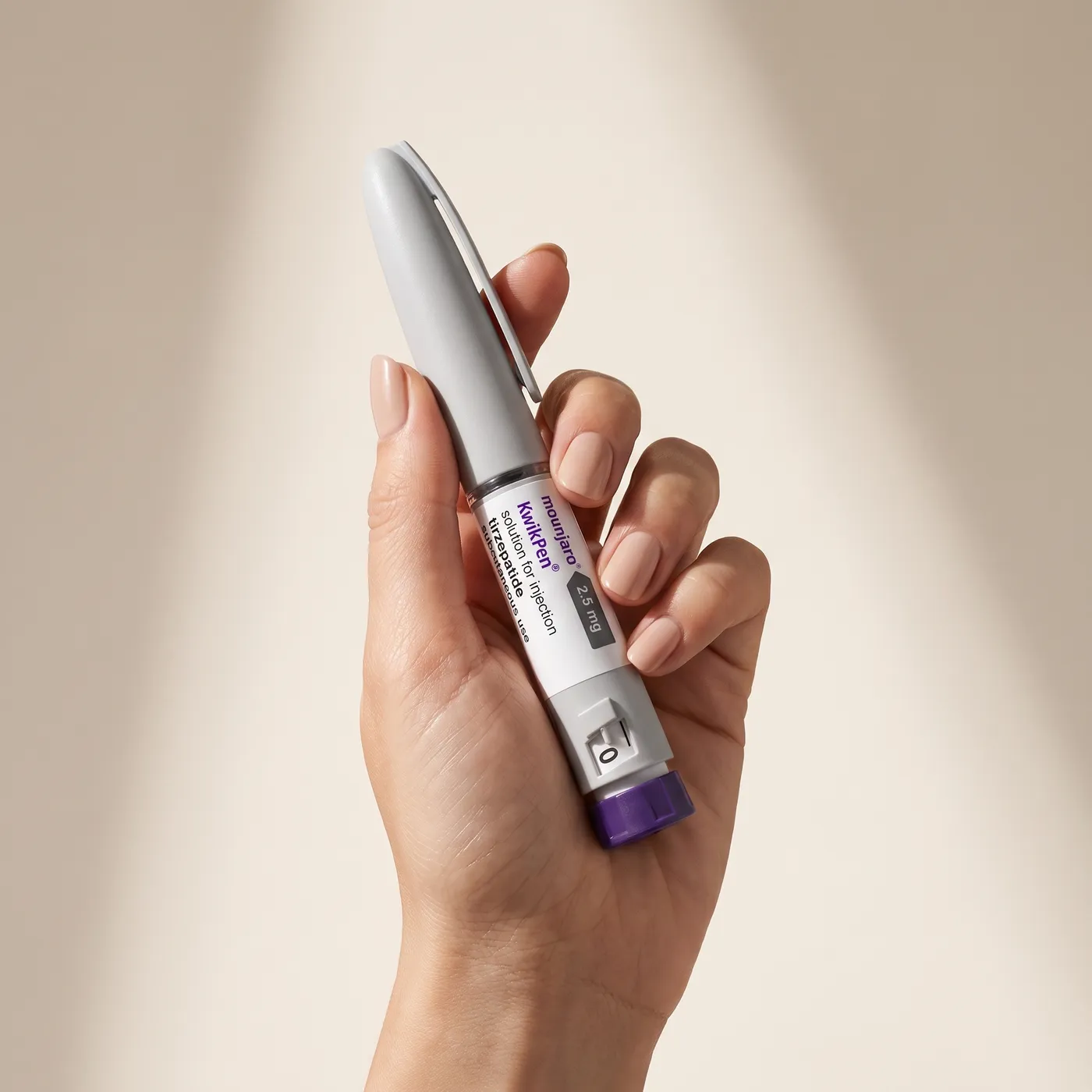
Weight-loss medicine has had a remarkable few years, and almost all of it arrived through a needle. That has now changed twice in quick succession. The UK regulator approved the first GLP-1 tablet for weight loss, oral semaglutide, and then on 10 August 2026 authorised a second and quite different one, orforglipron, making the UK the first country in Europe to do so. Headlines have called both of them the new weight loss pill; they are not the same medicine and they are not equivalent. This article explains soberly what each approval covers, why it matters, and what it does and does not change for someone considering treatment.
What exactly was approved
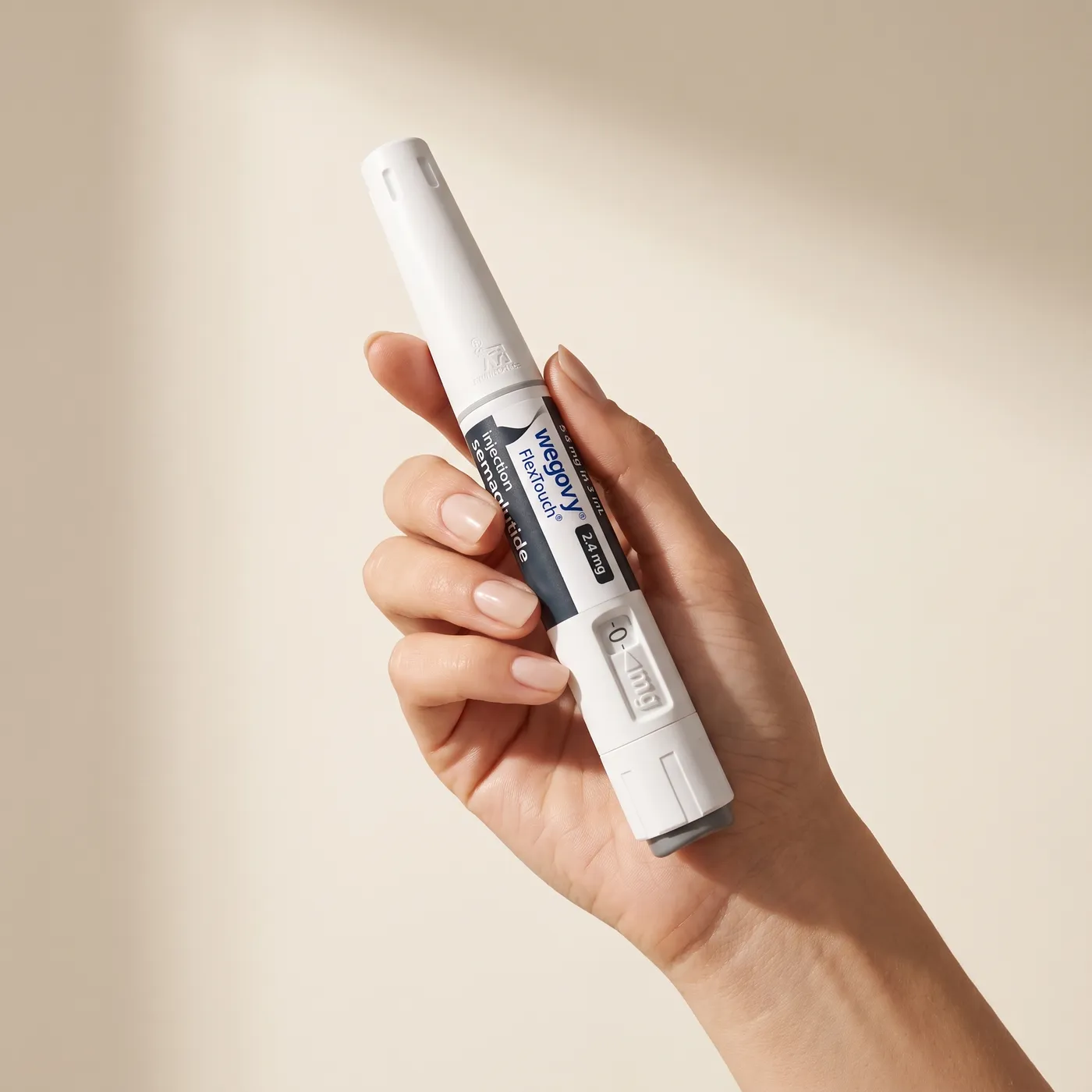
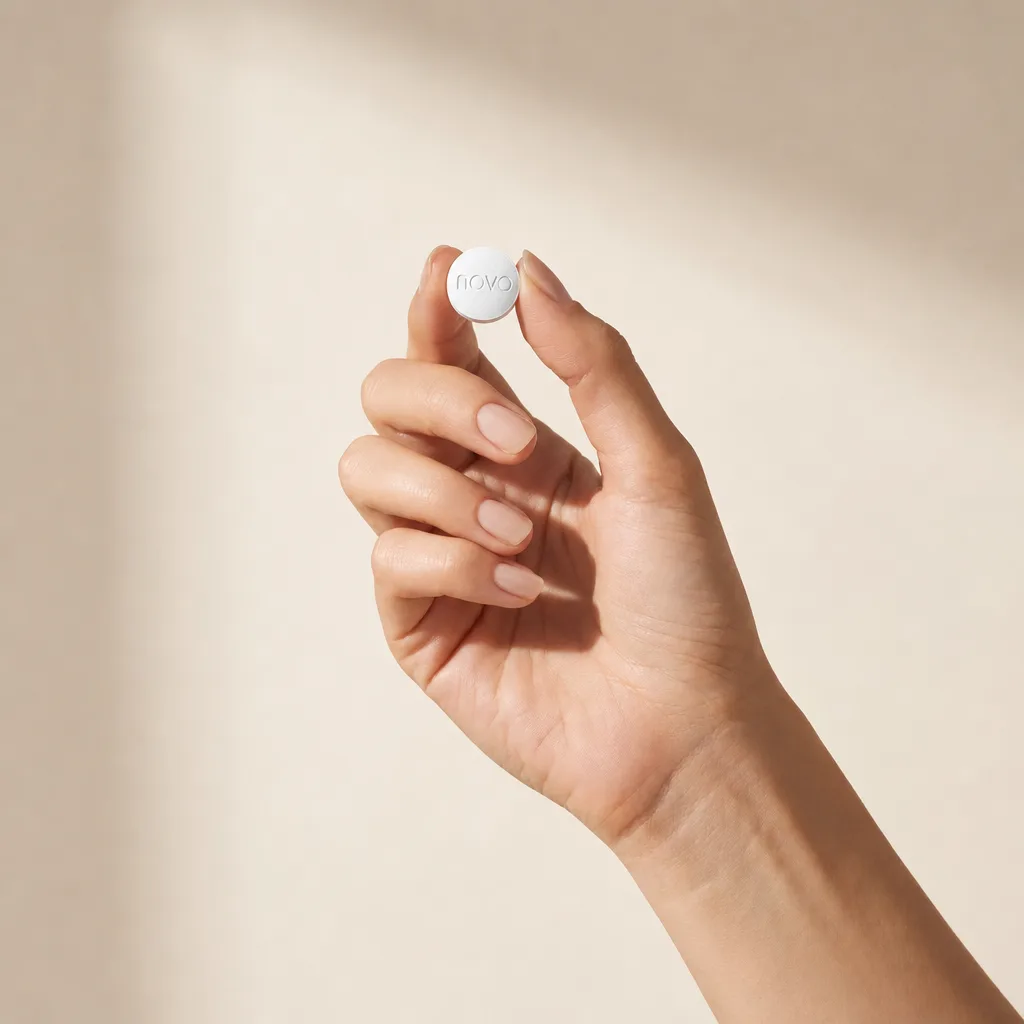
The Medicines and Healthcare products Regulatory Agency (MHRA) approved an oral formulation of semaglutide for weight management, the same active ingredient as the Wegovy injection, taken as a once-daily tablet. The approval covers adults meeting the established criteria for weight-management medicines: a BMI of 30 or above, or 27 and above with a weight-related health condition, alongside diet and physical activity. It is the first tablet in the GLP-1 class licensed for weight loss in the UK, distinct from Rybelsus, the lower-dose semaglutide tablet licensed for type 2 diabetes, a distinction that matters and that we unpack in a separate comparison.
The evidence behind the decision
Regulators approve on trial evidence, and the pivotal study here was OASIS 1: a randomised, placebo-controlled trial of oral semaglutide at 50 mg daily in adults with obesity or overweight plus a weight-related condition. Over 68 weeks, average weight loss was around 15% of body weight against roughly 2.4% with placebo, both alongside lifestyle support, results in the same territory as the weekly semaglutide injection. Side effects followed the familiar GLP-1 pattern, led by digestive symptoms that concentrated around dose increases and generally eased. The MHRA judged quality, safety and effectiveness sufficient for licensing, with the usual post-approval safety monitoring continuing through systems such as the Yellow Card scheme, which gathers reports of suspected side effects from patients and clinicians once a medicine is in wider use and can prompt updated guidance if new patterns emerge.
Why a tablet is a bigger deal than it sounds
Format sounds like a detail until you count the people it excludes. A meaningful share of eligible patients never start injectable treatment: needle fear, practical difficulty, the visibility of pens in shared homes, religious or personal discomfort. Others start and quietly stop. For all of them, the barrier was never the medicine but the delivery, and a tablet removes it while keeping the pharmacology. There is also a scientific achievement embedded here worth respecting: semaglutide is a peptide the stomach would normally digest, and the tablet works only because of an absorption-enhancer technology that shepherds the molecule through the stomach wall, the reason behind the strict empty-stomach rules that come with it.
From approval to availability
Approval opens the gate; it does not stock the shelves. Availability now builds along two tracks moving at different speeds. NHS access follows NICE appraisal and local commissioning, historically focused first on the highest clinical need and often organised through specialist services, a process measured in months and varying by area. Registered private pharmacies typically offer access sooner once supply exists, prescribing to the licence criteria after a clinical consultation. Recent history counsels patience: every major weight-loss medicine launch has seen demand outrun supply initially, with shortages, waiting lists and, less happily, a fringe of counterfeit sellers exploiting the gap. Our guides on when the pill will be available and how to get it safely cover both tracks in practical detail.
What it means if you are considering treatment
If injections were the reason you never explored weight-management medicine, that reason has now expired, and the sensible next step is an eligibility conversation rather than a stock alert. If you are already on an injection and doing well, the approval changes nothing that requires action; switching is possible under clinical guidance but not necessary. If you are weighing options for the first time, the choice now spans daily tablet versus weekly pen, a genuinely personal decision about routine and preference that we compare directly in our tablet-versus-injection guides. Whatever the route, the fundamentals the approval did not change remain the ones that decide results: eligibility honestly assessed, the medicine taken correctly, side effects managed rather than suffered, and eating and activity changes doing their share of the work. Our complete guide to the Wegovy pill is the full map.
And now a second tablet: orforglipron
On 10 August 2026 the MHRA authorised orforglipron, sold as Foundayo, for weight management and for blood sugar control in type 2 diabetes, the first such approval anywhere in Europe. It is a daily tablet like oral semaglutide, but it solves the digestion problem in a completely different way: rather than a peptide shepherded through the stomach wall by an absorption enhancer, it is a small molecule that survives digestion unaided. The practical consequence is that it carries none of the empty-stomach, sip-of-water and thirty-minute-wait rules described above, and can be taken at any time of day with or without food.
The trade-off runs the other way on results. Orforglipron produced average weight loss of around 11% of body weight over 72 weeks in its main trial, against the roughly 15% over 68 weeks reported for oral semaglutide, so the easier tablet is also the less effective one. It is worth being clear about this, because much of the coverage implied the opposite. The other important difference is availability: oral semaglutide can be prescribed in the UK now, whereas orforglipron has been authorised but has not launched, with no confirmed date. Our full guide to orforglipron covers the evidence, the dose schedule and the availability picture in detail, and we compare the two tablets directly in a separate article.
The wider direction of travel
Zooming out, this approval is one step in a visible trajectory rather than an endpoint. Obesity medicine is moving from a handful of injections towards a fuller toolkit: oral versions of existing medicines, next-generation molecules in trials with results that continue to strengthen, and growing NHS recognition of obesity as a long-term condition deserving treatment plans rather than willpower lectures. For patients, the practical meaning is that the treatment landscape you assess today will be broader in two years, which cuts both ways: there is little reason to wait for a hypothetical perfect future option when effective treatment exists now, and equally little reason to feel locked in, since switching between treatments under clinical guidance is increasingly routine. The tablet's arrival is best read as the moment weight-management medicine became format-flexible, and the sensible response is the same as ever: establish your eligibility, choose the option that fits your life, and let the landscape's improvement work for you from inside treatment rather than outside it. Approvals will keep coming; your own health picture is the only timetable worth planning around, and it is best read with a clinician sooner rather than later.