




Here's what we'll cover
For years, the choice in prescription weight management was really a choice of injection, with tablets limited to the modest fat-blocker orlistat. The approval of a GLP-1 tablet changes the shape of the decision: the strongest class of weight-loss medicine now comes in both formats, and format turns out to matter enormously in practice, not because the molecules care, but because routines, preferences and lives do. This guide compares tablets and injections across the questions that actually decide the choice.
What exists in each format
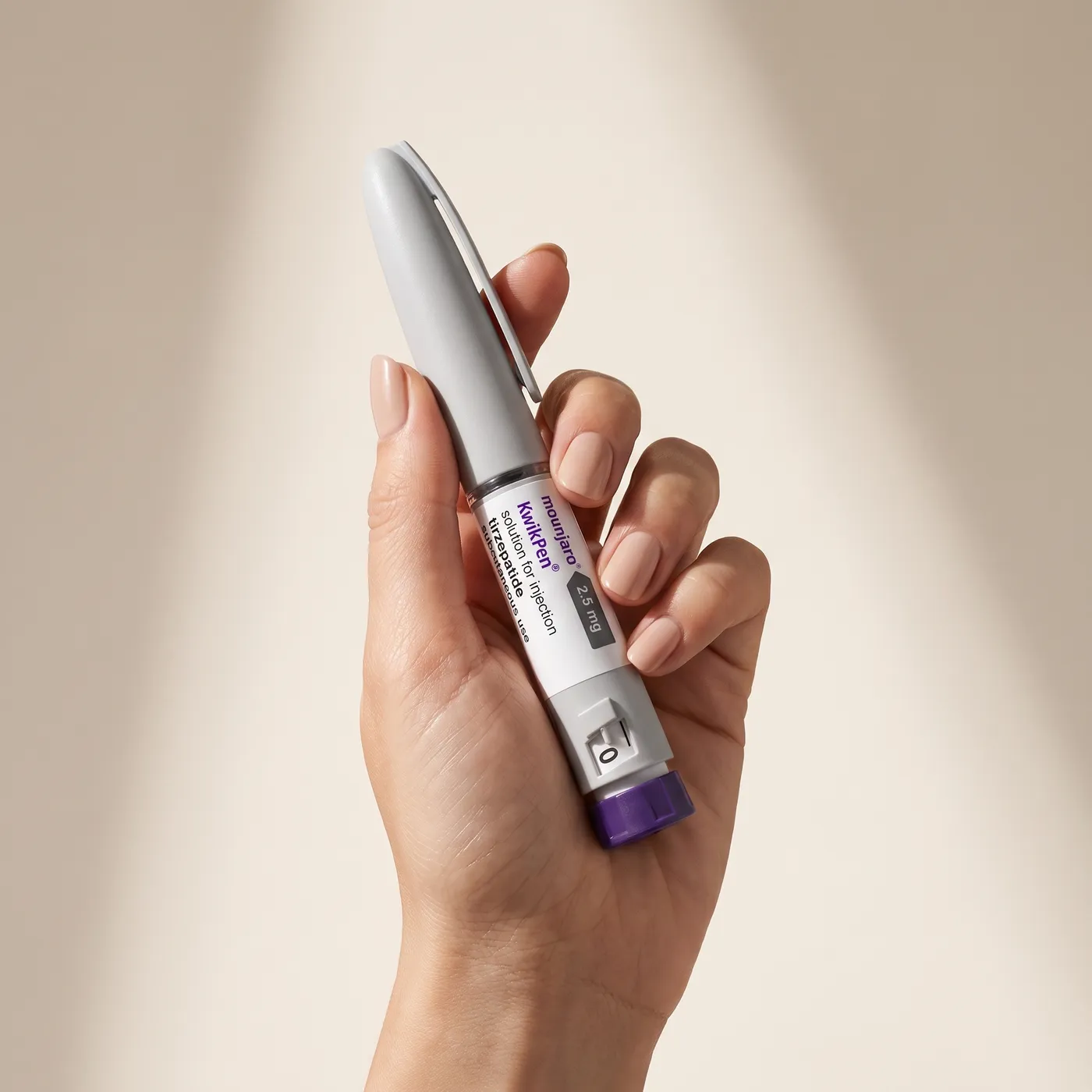
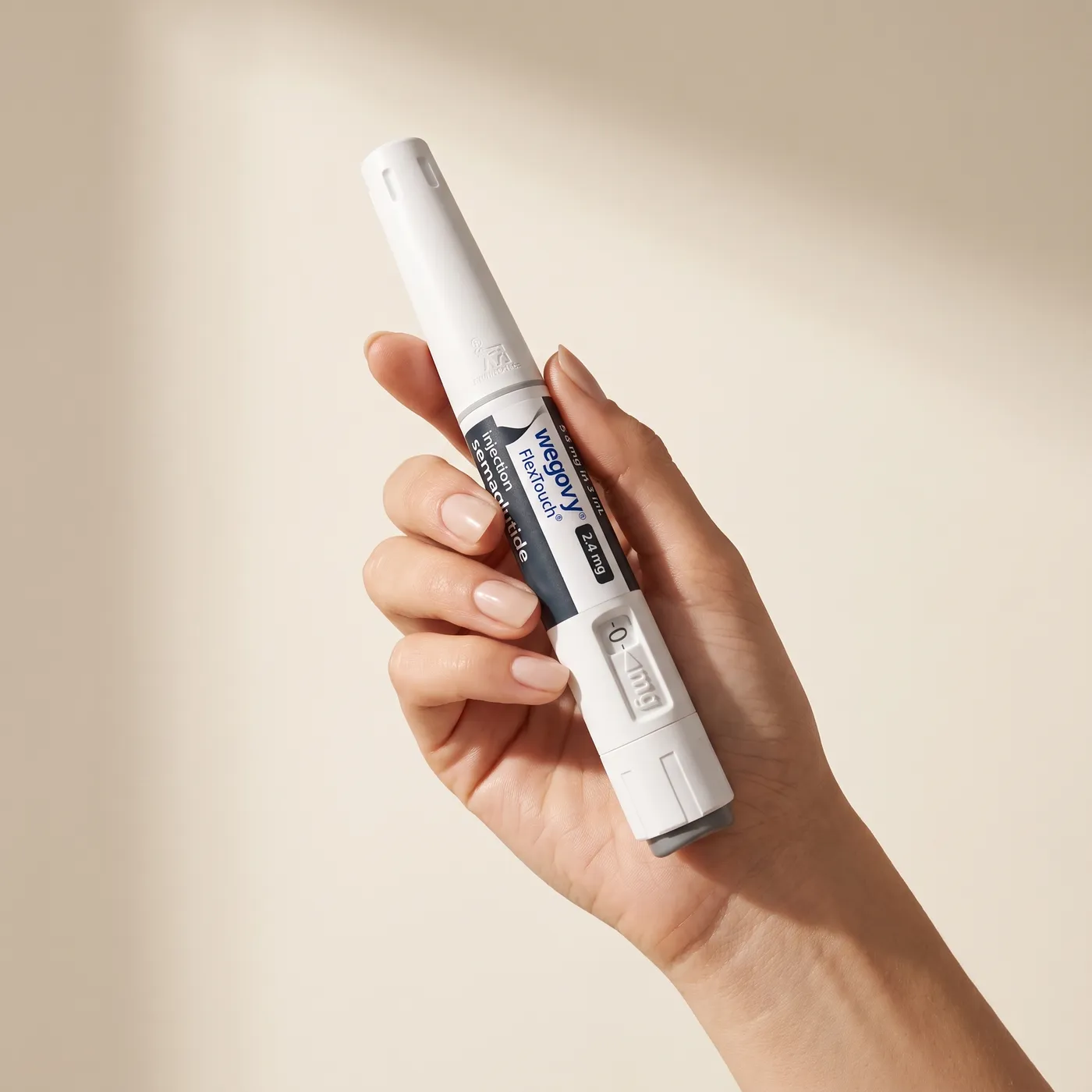
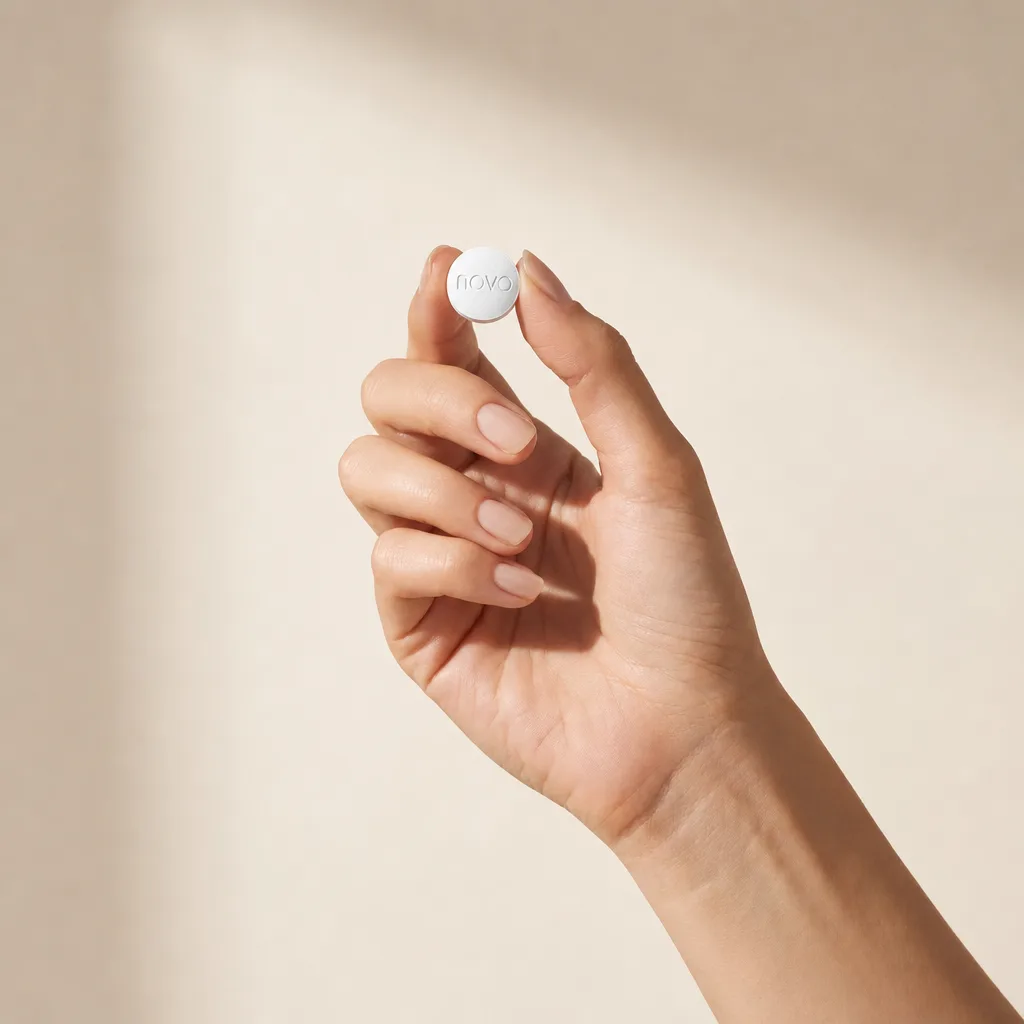
On the injection side sit the weekly GLP-1 pens: semaglutide (Wegovy) and tirzepatide (Mounjaro), the medicines behind the transformation of obesity treatment, with trial results ranging from roughly 15% to around 21% average body-weight loss depending on medicine and dose. On the tablet side sit two very different options. The new oral semaglutide weight-management tablet brings GLP-1 treatment to a daily pill, with trial results around 15%, in the same territory as its injectable sibling. And orlistat, available for years, blocks about a third of dietary fat from being absorbed, with modest results, typically a few kilograms beyond diet alone, and famously unforgiving digestive consequences if fatty meals continue. The practical upshot: the tablet-versus-injection question is really a GLP-1 format question, with orlistat as a niche alternative rather than a rival.
Effectiveness: closer than you might expect
Within semaglutide, format barely moves the trial numbers: the oral weight-management dose and the weekly injection produced broadly comparable average weight loss in their respective studies. Tirzepatide's higher averages belong to the medicine, not the format, and it currently exists only as an injection. So the honest ranking runs medicine first, format second: if maximum average effect is the goal and injections are acceptable, tirzepatide leads on the numbers; if semaglutide is the medicine, tablet and injection are near-equivalent on paper, and the real difference moves to delivery reliability, since the injection is absorbed predictably while the tablet depends on a strict daily routine done correctly.
Day-to-day living with each
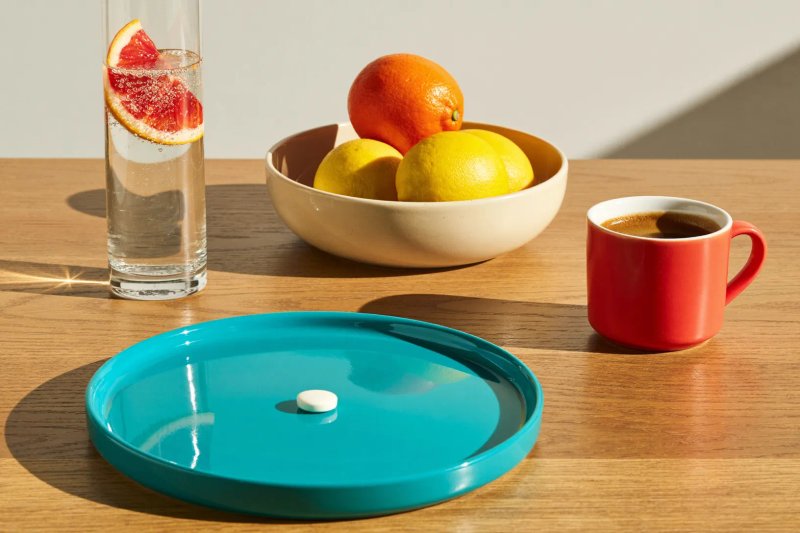
The injection asks for a weekly self-injection with a simple pre-filled pen, any time, with or without food; pens need refrigerating before first use, which matters for travel. The GLP-1 tablet asks for a daily sequence: on waking, empty stomach, small sip of plain water, swallow whole, then 30 minutes before food, drink or other medicines, with tablets kept in their blister pack and away from moisture. People with steady mornings absorb this routine within a fortnight; people with chaotic schedules find it a daily tax. Other medicines complicate the tablet more than the pen, because the empty-stomach window forces sequencing, particularly with strict-timing tablets like levothyroxine. Needle anxiety, meanwhile, complicates only the pen, and for a meaningful group of people it is decisive in the tablet's favour.
Side effects and eligibility: mostly shared
Across GLP-1 formats the side-effect story is the same: digestive symptoms, nausea leading, clustered around dose increases and usually settling, with uncommon serious risks, pancreatitis and gallbladder disease among them, that justify supervision. Injections add occasional site reactions; tablets add nothing unique beyond their routine. Orlistat plays by different rules entirely, with oily digestive effects tied directly to dietary fat. Eligibility does not vary by format: the GLP-1 medicines share the standard criteria, BMI 30 and above, or 27 and above with a weight-related condition, and the same exclusions, including pregnancy. Whichever format appeals, the consultation that matters is the same one.
Making the choice
A short self-audit gets most people to their answer. If needles are a hard no, the GLP-1 tablet is the evidence-backed route, and its results justify it fully. If your mornings cannot reliably deliver an empty stomach and a half-hour wait, the weekly pen will serve you better than a theoretically equal tablet taken imperfectly. If maximum average effect matters most and injections are fine, tirzepatide's numbers lead the field. If dietary fat is your main battleground and GLP-1 medicines are unsuitable for you, orlistat remains a legitimate, modest tool. And in every case, the format decision is reversible: switching between tablet and injection under clinical guidance is routine, so the first choice is a starting point rather than a commitment. Take the audit to a consultation, where your history, medicines and goals turn a comparison into a recommendation. Our complete guide to the Wegovy pill and our guide to weight loss injections cover each side in depth.
The question underneath the question
People asking tablet or injection are often really asking something else: which of these will I still be doing in a year? That reframing is useful because it surfaces the factors that actually predict persistence. Treatments survive when they attach to existing habits, which favours the tablet for people with fixed morning rituals and the pen for people with reliable weekly anchors like a Sunday routine. They survive when early side effects are managed rather than endured, which is format-neutral and mostly about pacing dose increases. They survive when the person believes the treatment is theirs rather than imposed, which is why choosing a format for your own reasons beats accepting a default. And they survive when reviews keep happening, because drift begins where supervision ends. Seen through that lens, the format question is genuinely important, but it is the delivery mechanism for the thing that matters: a treatment you can inhabit for the long stretch over which these medicines do their work. Answer the one-year question honestly and the format usually picks itself.