







Here's what we'll cover
Few weight-loss developments have generated as much interest as a tablet version of semaglutide, the medicine in Wegovy. Since the UK regulator approved the first GLP-1 tablet for weight loss, searches for when it will actually be available have surged. This article explains the difference between approval and availability, how the medicine reaches patients in practice, and how to approach the wait sensibly.
Approval has happened. Availability follows in stages
The Medicines and Healthcare products Regulatory Agency (MHRA) has approved an oral semaglutide tablet for weight management, a first for the UK. That approval means the regulator has judged the medicine's quality, safety and effectiveness acceptable for its licensed use. What it does not mean is that every pharmacy has stock the next morning. Between approval and a prescription in your hand sit several practical steps: the manufacturer scaling up supply, distribution to pharmacies, and prescribers building the tablet into their consultation and treatment plans.
This staged rollout is normal for any new medicine, and it is particularly relevant for weight-loss treatments, where demand has repeatedly outrun supply. The weekly injections went through the same pattern: approval first, then gradually widening availability, with periods where supply was constrained.
NHS availability vs private availability
Availability is not one single date, because there are two main routes to treatment in the UK and they move at different speeds. On the NHS, access to weight-management medicines is shaped by NICE guidance and local commissioning, and is typically focused on people with the greatest clinical need, often through specialist weight-management services. That process takes time and can vary by area. Through registered private pharmacies and online clinics, availability usually comes sooner once supply exists, but it still requires a clinical consultation and a prescription, because this is a prescription-only medicine in either route.
Why demand is so high for a tablet
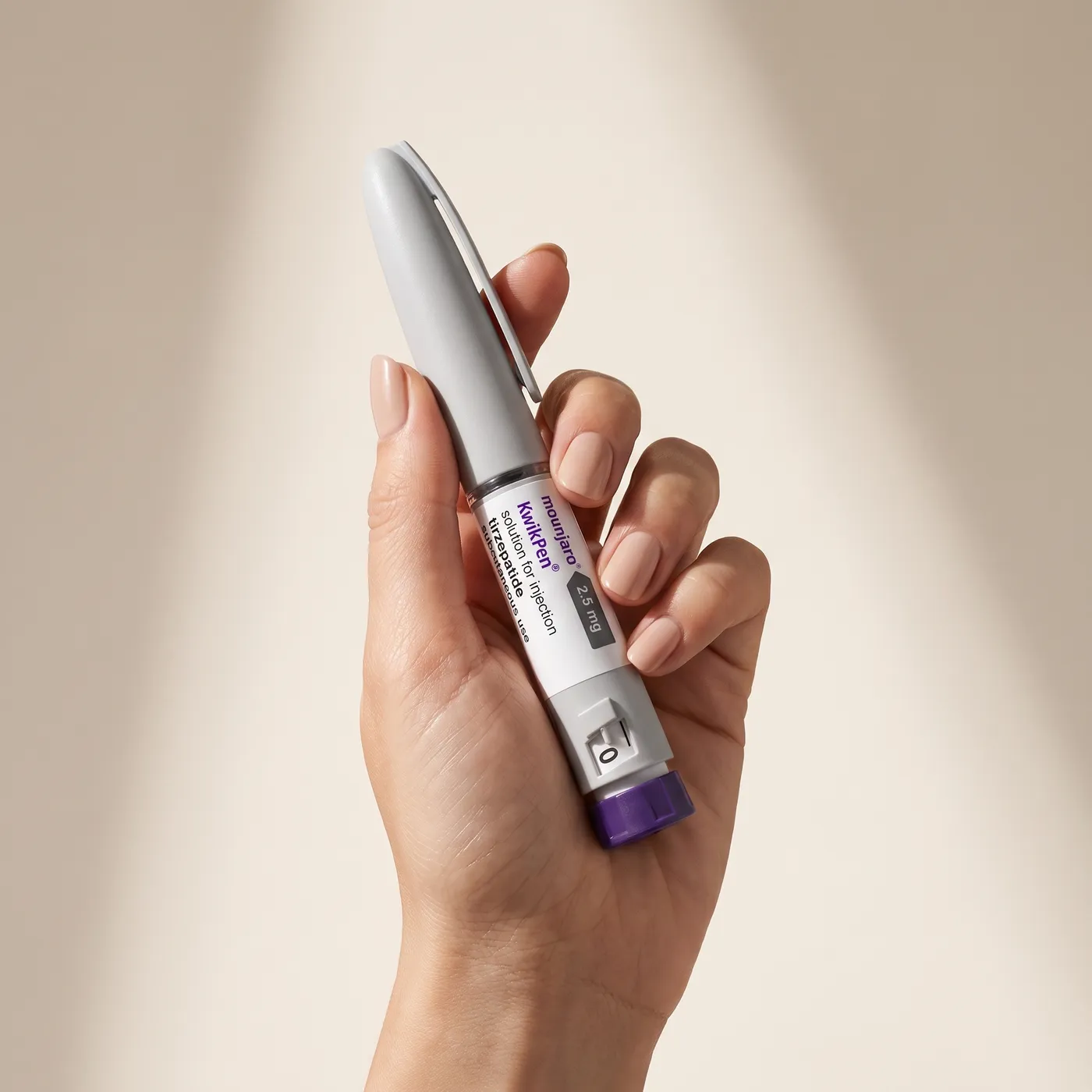
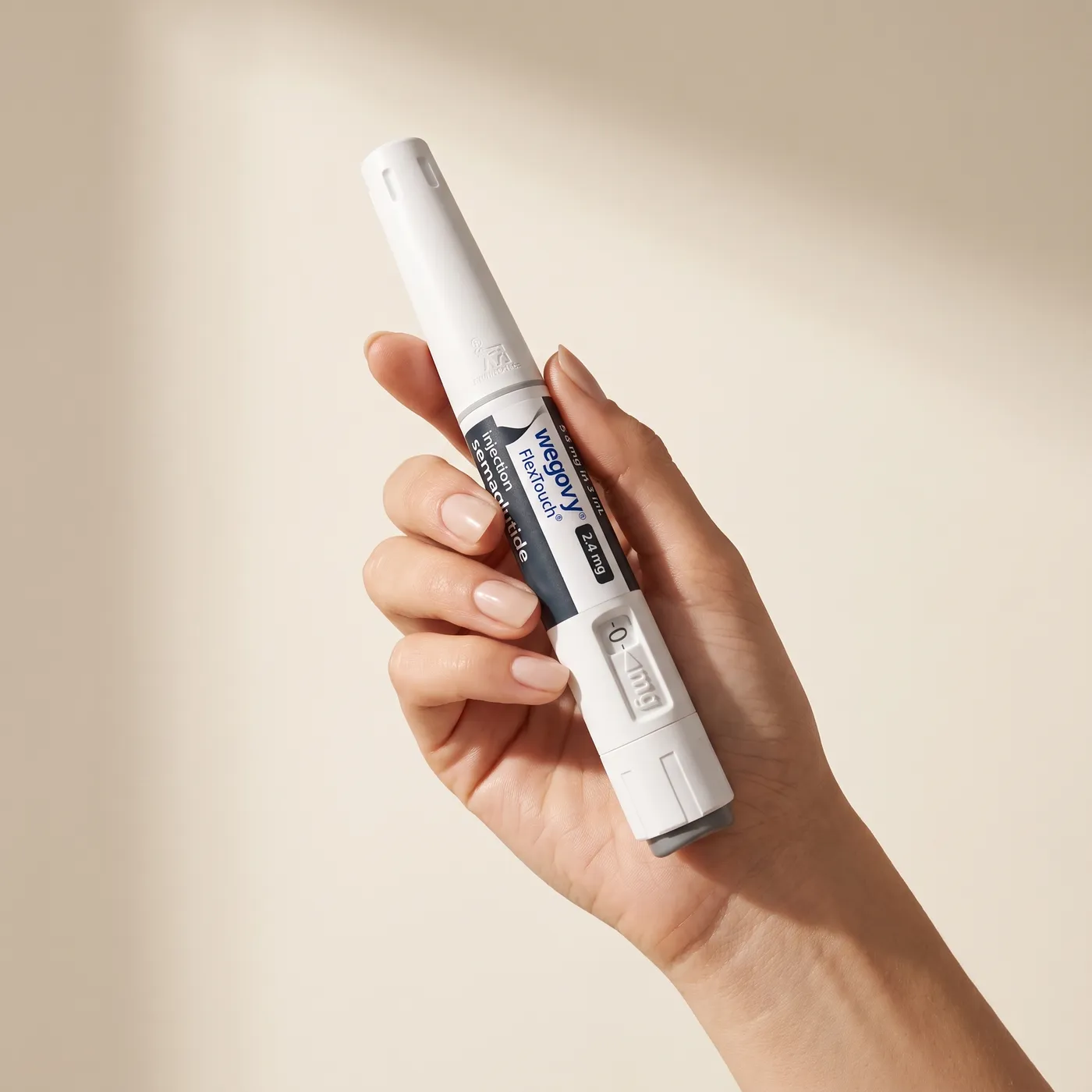
The medicines that changed weight management in recent years have all been injections, and for a meaningful group of people that has been the barrier: needle anxiety, practical difficulty, or simply preference. A tablet removes that barrier while delivering the same active ingredient, semaglutide. It is worth tempering expectations in one respect, though: the tablet is not automatically better. It is taken daily rather than weekly, has strict rules about food and water because of how it is absorbed, and suits some routines less well than a weekly injection. Availability, in other words, is only the first question; suitability is the one that matters.
What you can usefully do now
If you are interested in the tablet, the most useful step is not refreshing stock pages but understanding whether treatment is likely to be appropriate for you at all. Eligibility for weight-management medicines is based on measures such as body mass index and weight-related health conditions, alongside your medical history. A clinical consultation can establish that now, and if you are eligible, a clinician can discuss whether starting an available treatment or waiting for the tablet makes more sense in your case. Waiting months for a specific format when an equally suitable option exists today is a decision worth making deliberately, with advice, rather than by default.
It is also a good moment to read up on how the tablet actually works and what taking it involves, so that if and when it becomes available to you, the decision is informed rather than rushed. Our complete guide to the Wegovy pill covers the essentials, and our comparison of the pill and the injection sets out the practical trade-offs between the two forms.
The bottom line
The Wegovy pill has cleared the biggest hurdle, UK regulatory approval, and availability now builds in stages across NHS and private routes. Exact timing will vary by route and by area, and supply for new weight-loss medicines has historically been tight at launch. The sensible approach is to establish your eligibility, understand the treatment, and access it only through a registered pharmacy with a proper clinical consultation when it reaches you.
Lessons from the injection launches
The recent history of injectable weight-loss medicines is a useful guide to how the next year is likely to feel. When the injections launched, early demand overwhelmed supply, private availability came well before wide NHS access, and shortages appeared in waves as manufacturers scaled production. Regulators and pharmacy bodies repeatedly warned about counterfeit products filling the gap, sold through social media and unregistered websites, some of which contained insulin or nothing identifiable at all. Prices of legitimate supply also shifted around as the market matured. Expect the tablet to follow a similar arc: patchy at first, steadier within months, and accompanied by a fringe of illegitimate sellers that is best treated as radioactive. Knowing the pattern in advance makes it easier to wait well rather than reach for a shortcut.
How to be ready when it reaches you
Being ready is mostly paperwork and understanding, and both can be done now. Know your current weight, height and body mass index, and gather your medical history including medicines, previous weight-management attempts and any digestive, pancreatic, gallbladder or thyroid conditions, because these are exactly what a consultation asks about. Read up on the empty-stomach routine the tablet requires, since it is the part of treatment most people underestimate, and think honestly about whether your mornings can carry it; if not, the weekly injection may serve you better and is available now. And decide in advance which registered provider you would use, so the decision at launch is calm rather than rushed. People who prepare this way tend to start treatment smoothly; people who race stock alerts tend to start it chaotically or from the wrong source.