






Here's what we'll cover
PCOS weight loss is harder than average for a clear biological reason: most people with polycystic ovary syndrome have some degree of insulin resistance, which encourages the body to store fat and resist losing it. The link runs both ways, because excess weight also worsens PCOS symptoms, but the same insulin-focused habits help on both fronts.
What PCOS is
Polycystic ovary syndrome is a common hormonal condition, affecting roughly 1 in 10 women in the UK according to the NHS overview of PCOS. It can involve irregular or absent periods, higher levels of androgens (hormones that can cause acne and excess facial or body hair), and effects on fertility. Many people also notice weight gain, particularly around the middle.
Diagnosis usually rests on having at least two of three features: irregular ovulation, signs of higher androgens, and polycystic-appearing ovaries on ultrasound. PCOS is a medical condition diagnosed and managed by clinicians, so treat this article as background rather than a substitute for care from your own GP or specialist.
Why does PCOS make it harder to lose weight?
Many people with PCOS have insulin resistance, where the body responds less well to insulin and compensates by producing more of it. This affects people with PCOS across the weight spectrum, including those of a lower weight, though it tends to be more pronounced with excess weight. Insulin is a storage hormone: persistently high levels encourage fat storage, make stored fat harder to access for energy, and can drive hunger and cravings, particularly for refined carbohydrates.
Higher insulin also stimulates the ovaries to produce more androgens, which worsens some PCOS features. Understanding how blood sugar and diet interact is therefore the single most useful piece of background for managing weight with PCOS. Weight that accumulates with insulin resistance also tends to sit around the organs as visceral fat, the type most strongly linked to metabolic risk.
A two-way street
The relationship runs both ways. Excess weight worsens insulin resistance, which worsens PCOS symptoms, which in turn makes weight harder to manage. This can feel like a frustrating loop, and it explains why generic diet advice often disappoints people with PCOS. It also explains why insulin resistance, rather than calories alone, is the sensible target: improve it and both weight and symptoms tend to move in the right direction together.
The encouraging flip side is that the loop works in reverse too. Even modest weight loss of around 5% of body weight can improve insulin sensitivity, menstrual regularity and androgen-related symptoms for some people, a point reflected in NICE guidance on PCOS, which recommends lifestyle change as first-line management for those carrying excess weight.
There is a longer-term reason to act as well. Insulin resistance in PCOS raises the risk of developing type 2 diabetes later in life, which is why UK guidance recommends regular checks of blood sugar and other metabolic markers. Improving insulin sensitivity now protects future health as well as current symptoms.
How to lose weight with PCOS
There is no single PCOS diet. The British Dietetic Association's PCOS food fact sheet emphasises overall eating pattern rather than any special regime. The practical priorities are:
- Build meals that steady blood sugar: protein and fibre at each meal, fewer refined carbohydrates and sugary drinks
- Choose lower glycaemic index carbohydrates such as oats, pulses and wholegrains over white bread and white rice
- Move regularly, and include strength training, which improves insulin sensitivity independently of weight loss
- Protect sleep and manage stress, since both affect insulin and appetite
- Aim for a modest, sustainable deficit rather than an aggressive one; crash approaches tend to rebound
Progress may be slower than for someone without PCOS, and that is not a personal failing. Judging trends over weeks rather than days, and tracking waist measurement and symptoms alongside the scales, gives a fairer picture of what is changing. Improvements in energy, skin and cycle regularity often arrive before large changes on the scales, and they matter just as much.
Can I have weight-loss treatment with PCOS?
Because PCOS is a medical condition, weight management is best planned with a clinician who knows your history. Depending on your priorities, whether symptoms, fertility or weight, there may be medical options to discuss. Metformin, for example, is sometimes used off-label in PCOS to improve insulin sensitivity, and the combined pill is often used to regulate cycles and androgen-related symptoms. What is right for you depends on which aspects of PCOS matter most to you now.
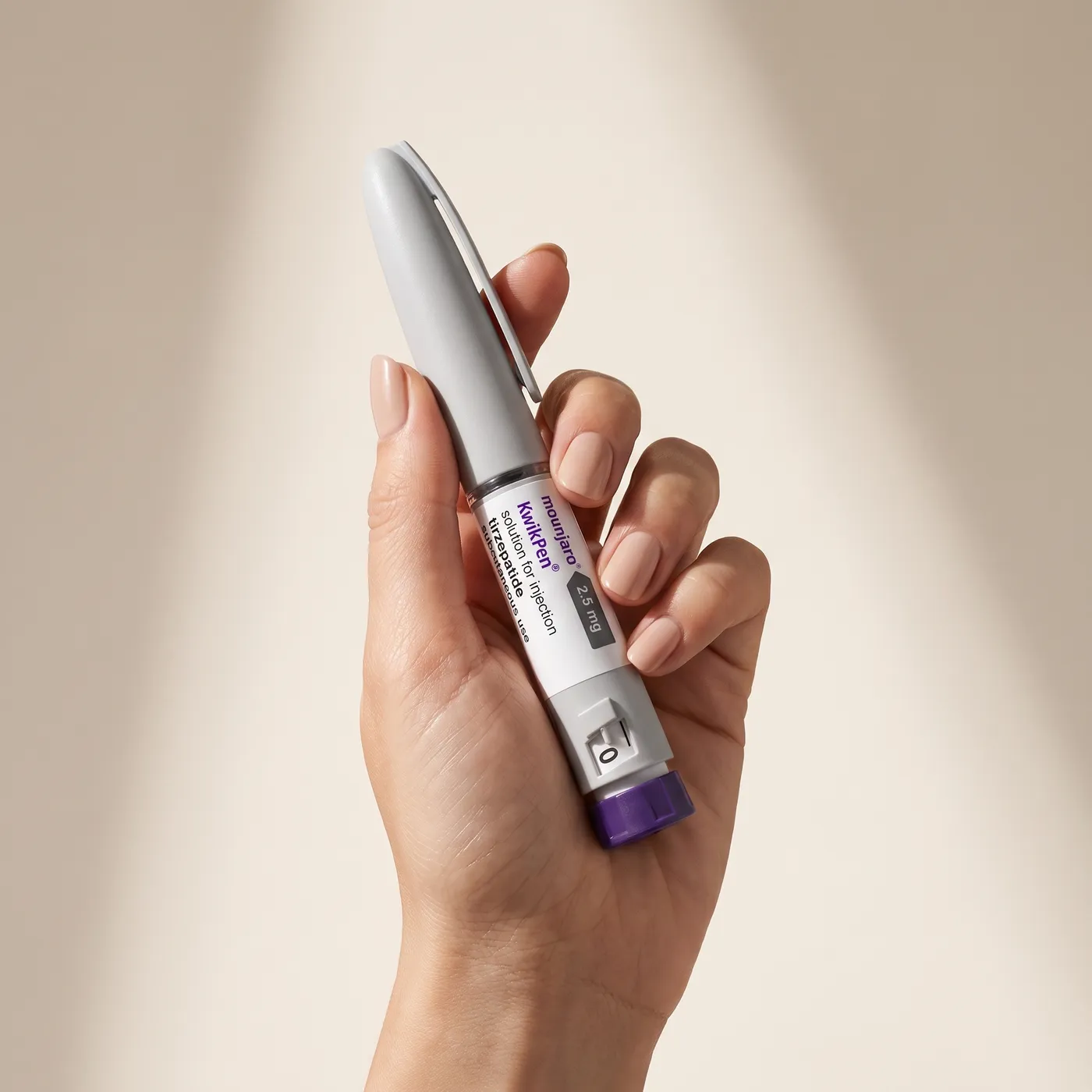
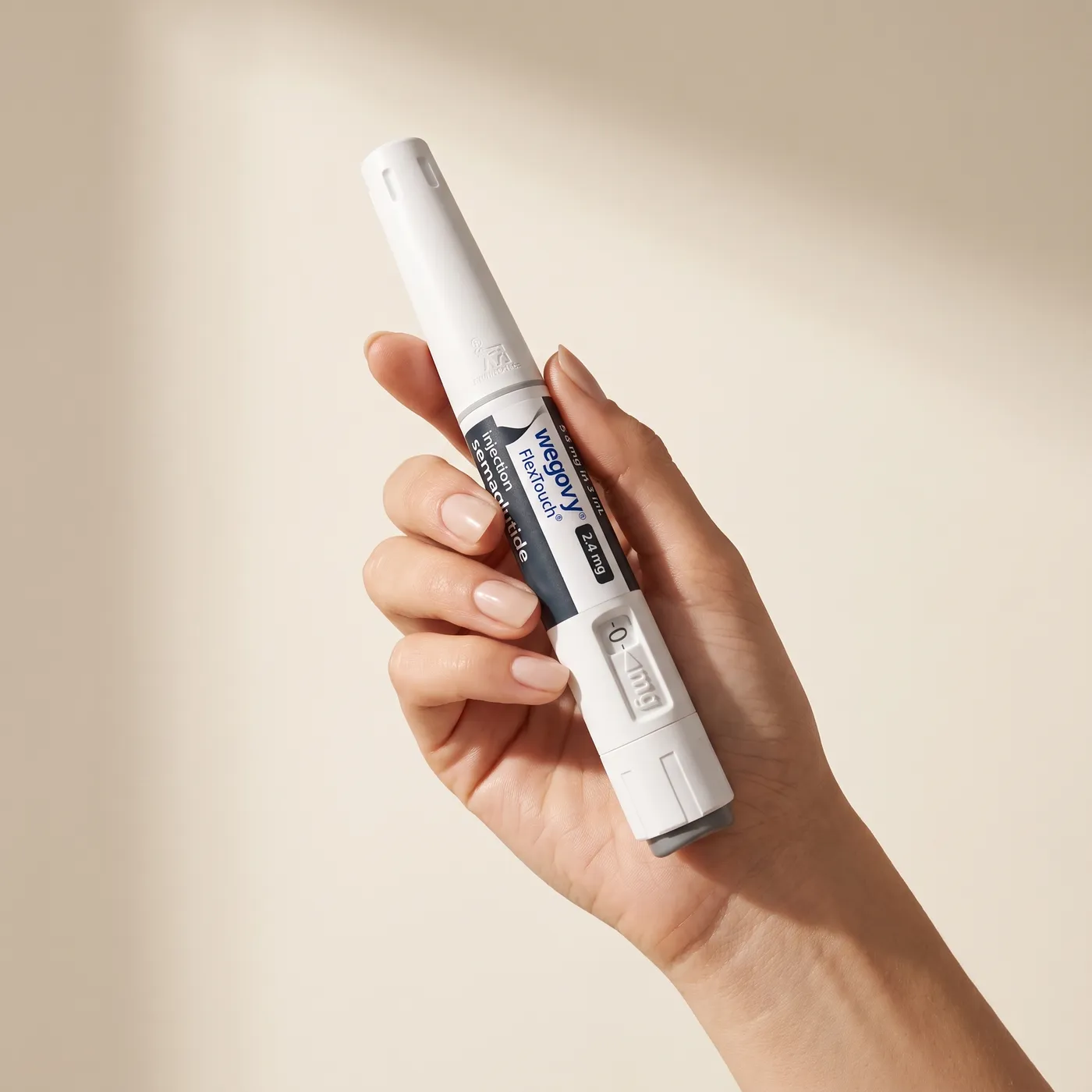
For people who meet the standard eligibility criteria, clinician-led weight-loss treatment may be an option, assessed with the same safety checks as for anyone else. The criteria are based on BMI and weight-related health conditions; our guide to weight loss injection eligibility in the UK explains how they work. Anyone planning a pregnancy should discuss timing first, as GLP-1 medicines must be stopped before trying to conceive.
The takeaway
PCOS and weight are intertwined, largely through insulin. PCOS weight loss is achievable, but it usually asks for a more deliberate approach: meals that steady blood sugar, regular activity including resistance work, decent sleep, and patience with a slower rate of change.
Working on insulin sensitivity through diet, activity and, where appropriate, medical support can help break the loop. Support from a clinician who understands PCOS makes a real difference, so involve your GP or specialist in the plan.