






Here's what we'll cover
Weight loss injections in the UK are prescription-only medicines with defined eligibility criteria: broadly a BMI of 30 or above, or 27 and above alongside a weight-related health condition, always confirmed through a clinical consultation. Meeting a BMI threshold is a starting point, not a guarantee, and NHS criteria are currently stricter than the licence criteria used by regulated private providers.
Which weight loss injections are available in the UK?
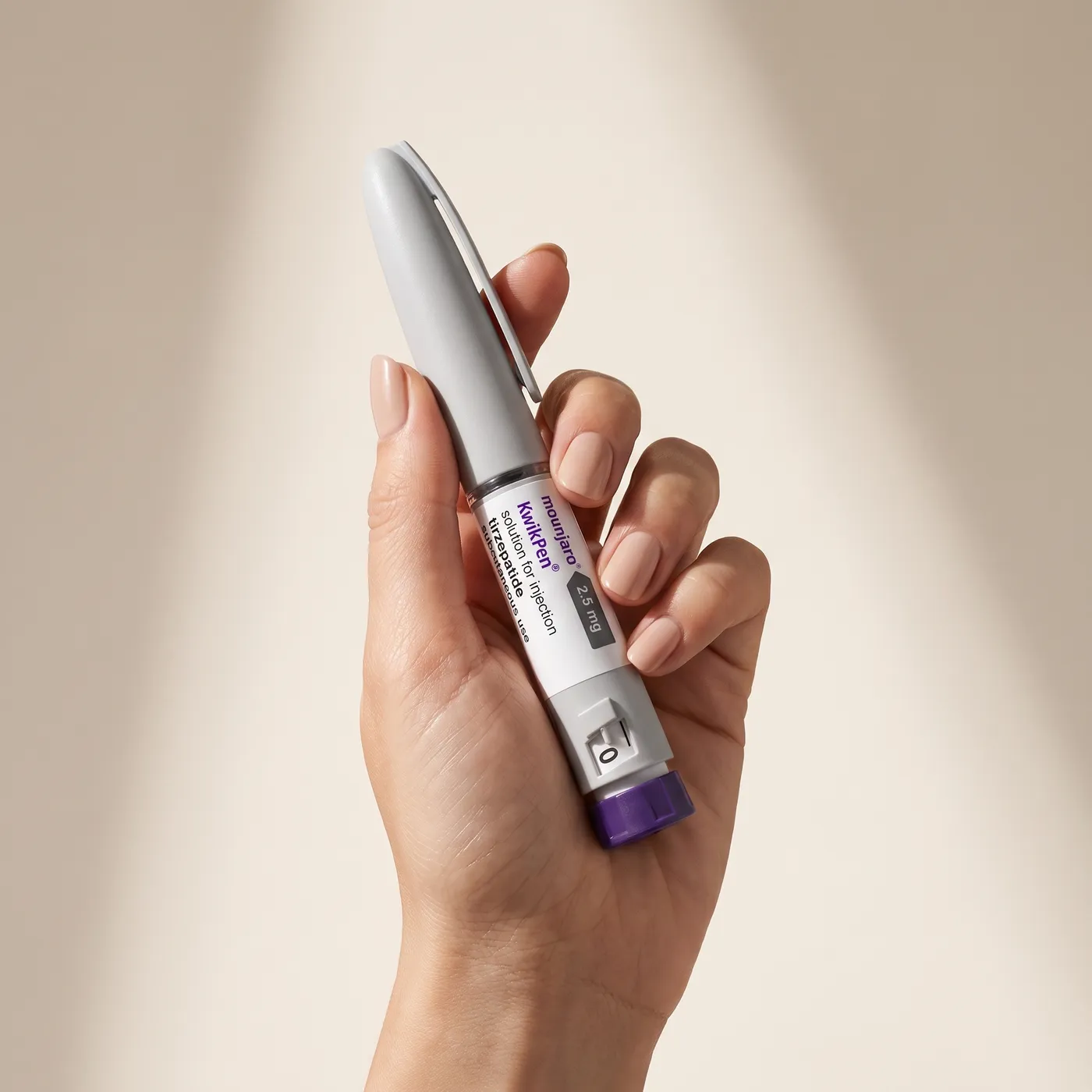
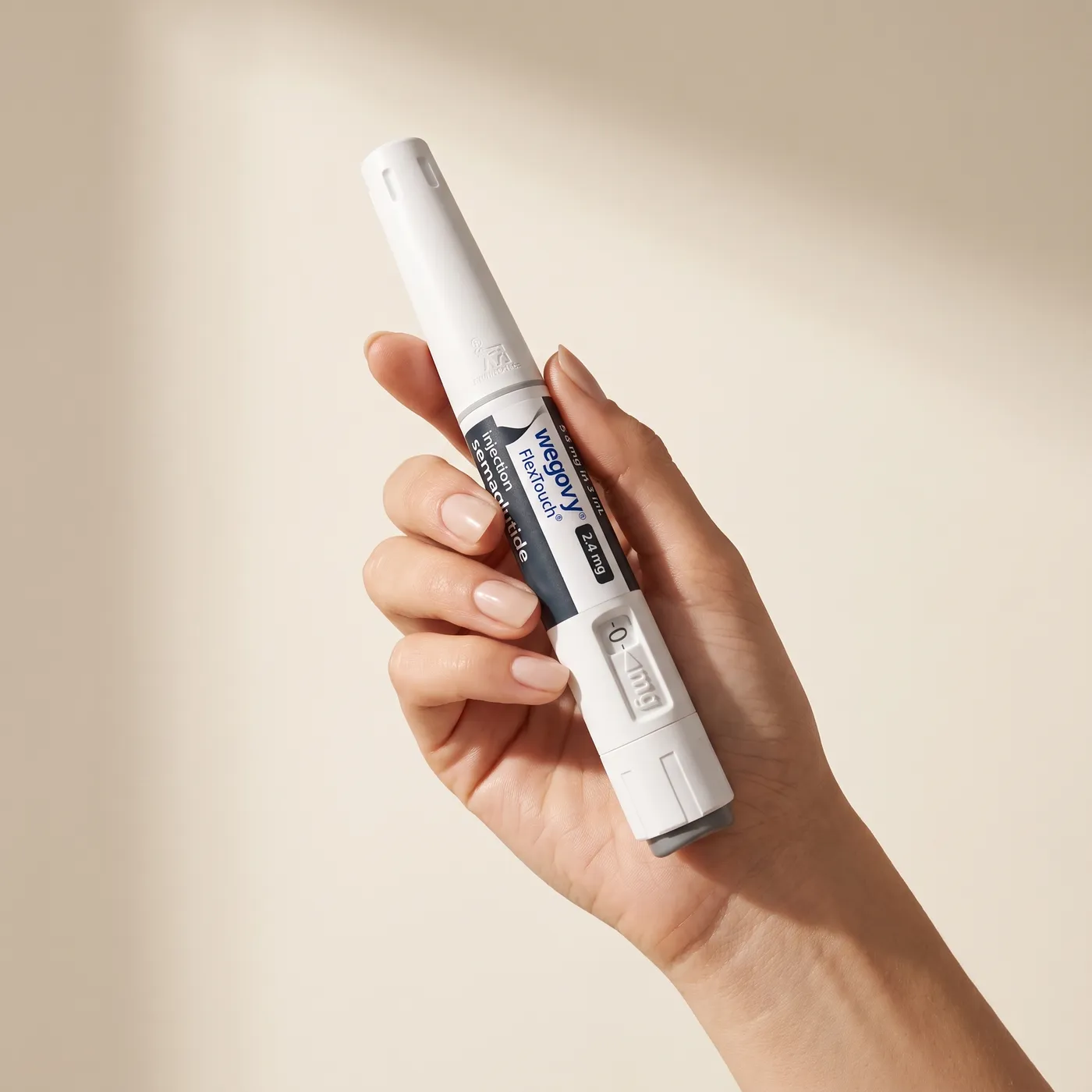
Two once-weekly injections are licensed for weight management in the UK: Wegovy (semaglutide) and Mounjaro (tirzepatide). An older daily injection, liraglutide, is also licensed but now less commonly used. All are GLP-1-based medicines, prescribed alongside diet and activity changes rather than instead of them, and all share broadly similar eligibility criteria.
Which is the best injection for weight loss? There is no single answer. Tirzepatide produced larger average weight loss in its trials, but the medicines have not been compared head to head for weight management, tolerability differs between individuals, and availability varies between the NHS and private providers. The right medicine is the one that fits your health history, which is a prescribing decision rather than a ranking.
How do weight loss injections work?
They mimic natural gut hormones released after eating, which reduces appetite, slows stomach emptying and makes smaller portions feel satisfying. Tirzepatide acts on two hormone receptors and semaglutide on one; our guide to GLP-1 treatment side effects covers what taking them is actually like. Because the medicines change appetite rather than burn fat directly, eligibility criteria focus on whether sustained weight loss would meaningfully improve your health.
How eligibility is assessed
Eligibility combines objective measures with clinical judgement. A prescriber looks at your BMI, your medical history, any weight-related conditions, the medicines you take, and whether treatment is safe and appropriate for you specifically. It is a consultation, not a checkbox.
Age matters too: the weight-management licences cover adults, with treatment in older adults and those with several health conditions assessed more carefully. Eligibility is also not a one-off decision. Prescribers review progress, side effects and any new medicines at each dose change, and continuing treatment depends on it still being safe and worthwhile for you.
The BMI thresholds
Criteria generally use BMI, often with lower thresholds where a weight-related health condition is present. Broadly, treatment may be considered at a higher BMI on its own, or at a somewhat lower BMI when accompanied by conditions such as high blood pressure, type 2 diabetes or others. The exact thresholds follow clinical guidance and the medicine's licence, and your prescriber applies them to your situation.
Under the UK licences, both Wegovy and Mounjaro may be prescribed at a BMI of 30 or above, or from 27 alongside at least one weight-related condition such as type 2 diabetes, high blood pressure or obstructive sleep apnoea. NICE guidance for NHS treatment applies tighter thresholds, and lower BMI cut-offs are commonly used for people from some ethnic backgrounds, whose health risks rise at lower BMIs. Our article on BMI's limits and better measures explains why the number is interpreted rather than applied blindly.
NHS and private eligibility are different
The NHS is rolling out tirzepatide in phases, prioritising the highest BMI bands with multiple weight-related conditions first; NHS England's weight management injections page describes the current position. Regulated private pharmacies prescribe to the wider licence criteria. That gap means many people who qualify privately do not yet qualify on the NHS; our guides to getting Mounjaro on the NHS and NHS vs private weight-loss treatment compare the routes in detail.
What the consultation reviews
A proper consultation is central to safe prescribing. It typically covers your health history and current conditions, all your medicines and supplements, relevant lifestyle factors, and any reasons treatment might not be suitable. For some people, additional checks or information may be needed before a decision.
Expect to be asked for evidence rather than taken on trust: reputable UK providers verify identity, weight and height, sometimes through photographs or a video call, before prescribing. That friction is a safety feature. A service that asks nothing and supplies anything is the one to walk away from.
Why a prescriber may say no
Completing a consultation does not guarantee a prescription, and that is a safety feature, not a barrier for its own sake. Treatment may not be appropriate if your BMI is below the criteria, if you have certain health conditions, if you are pregnant or planning pregnancy, or if the risks outweigh the benefits for you. A responsible service declines where that is the right clinical call.
Common reasons include pregnancy, breastfeeding or planning a pregnancy, a history of pancreatitis or certain thyroid conditions, some digestive disorders, and medicine combinations that need specialist oversight. The NHS obesity treatment pages set out the wider range of options if injections are not appropriate, from structured programmes to other medicines.
Checking your starting point
You can get a rough sense of where you stand by checking your BMI, but only a consultation with a prescriber can determine eligibility. If you are considering treatment, the consultation is designed to work out, with you, whether it is a safe and sensible option.
Our BMI calculator gives you the starting number in under a minute. If you sit near or above the thresholds, the next step is a consultation, NHS or private, where a prescriber works through the rest of the picture with you.