







Here's what we'll cover
Blood sugar levels are the amount of glucose in your blood, and they rise and fall with every meal. Meals that spike blood sugar tend to be followed by a crash, which brings tiredness and cravings. Building meals that release energy more slowly keeps levels steadier, which supports both how you feel and your weight goals.
What blood sugar does
When you eat carbohydrate, it is broken down into glucose, which enters the blood. The body releases insulin to move that glucose into cells for energy. Eat a lot of quickly-digested carbohydrate at once and glucose rises fast, then often falls sharply afterwards, the crash that can leave you tired and reaching for a snack.
Over years, a pattern of repeatedly high blood sugar levels asks more and more of the insulin system. Combined with excess weight, particularly visceral fat stored around the organs, this can drift towards insulin resistance and eventually type 2 diabetes. Day to day, though, the more immediate effect is on energy and appetite.
What are normal blood sugar levels?
For most people without diabetes, Diabetes UK describes typical blood sugar levels of around 4 to 5.4 mmol/L when fasting, and up to 7.8 mmol/L two hours after eating. Levels moving in and out of this range across the day are normal; glucose is supposed to rise after meals.
If a clinician wants to check your longer-term picture, they usually use an HbA1c test, which reflects average blood sugar over two to three months. In the UK, below 42 mmol/mol is considered normal, 42 to 47 suggests prediabetes, and 48 or above can indicate diabetes.
Why steadier is better
Smoother rises and falls mean more even energy, fewer cravings and less of the snacking that undermines weight goals. You do not need special products or a glucose monitor to achieve this; it comes from how you build ordinary meals.
The link to weight is mostly behavioural rather than mystical. A sharp dip in blood sugar a couple of hours after a sugary snack can feel like genuine hunger, so you eat again sooner than you otherwise would. Steadier levels make it easier to keep to regular meals and an overall calorie intake that supports weight loss.
That mid-afternoon slump many people put down to a boring meeting is often the tail end of a lunchtime glucose spike. Swapping a white-bread sandwich and a fizzy drink for something with more protein and fibre is frequently enough to notice the difference within a few days.
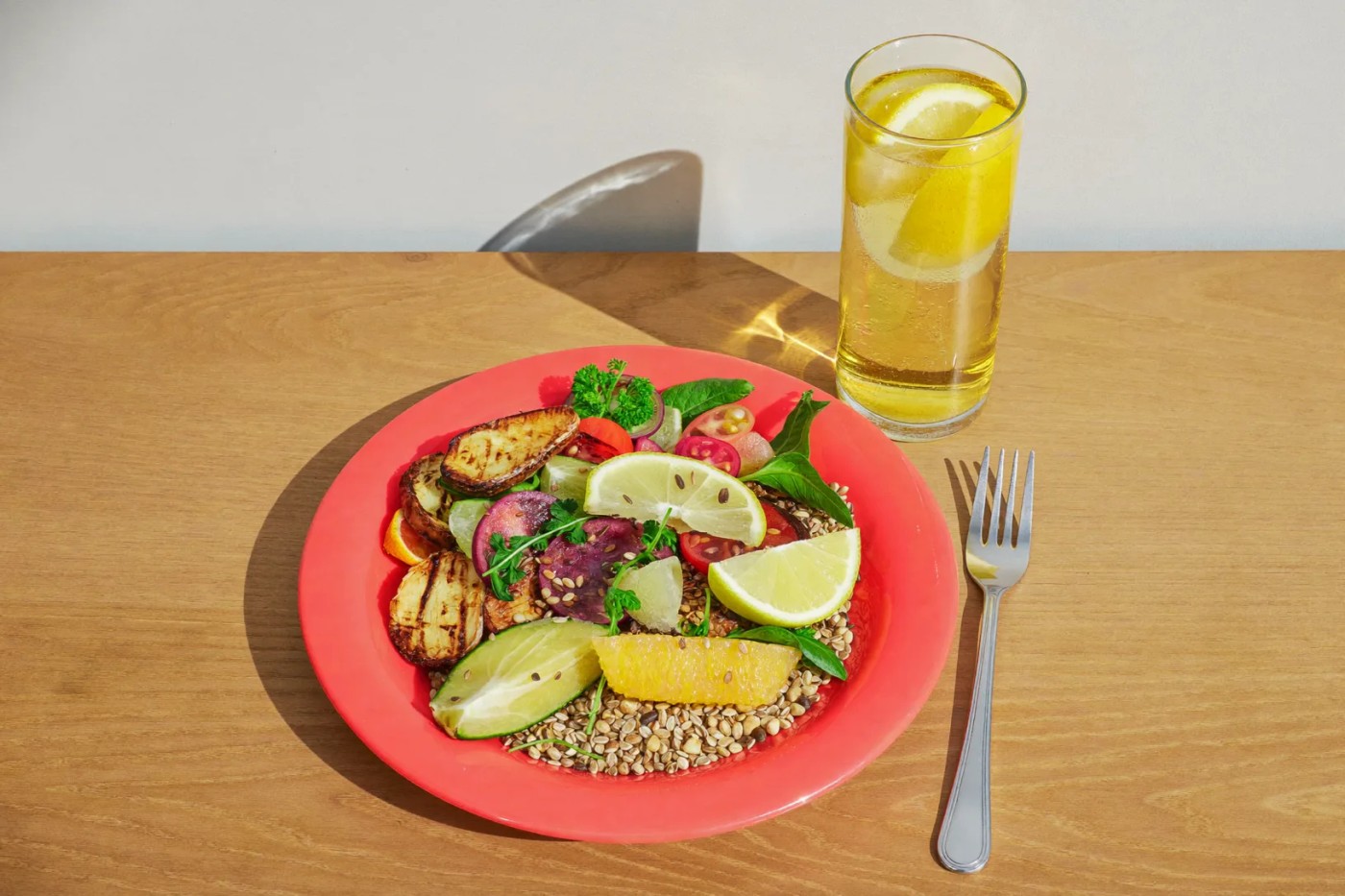
Building steadier meals
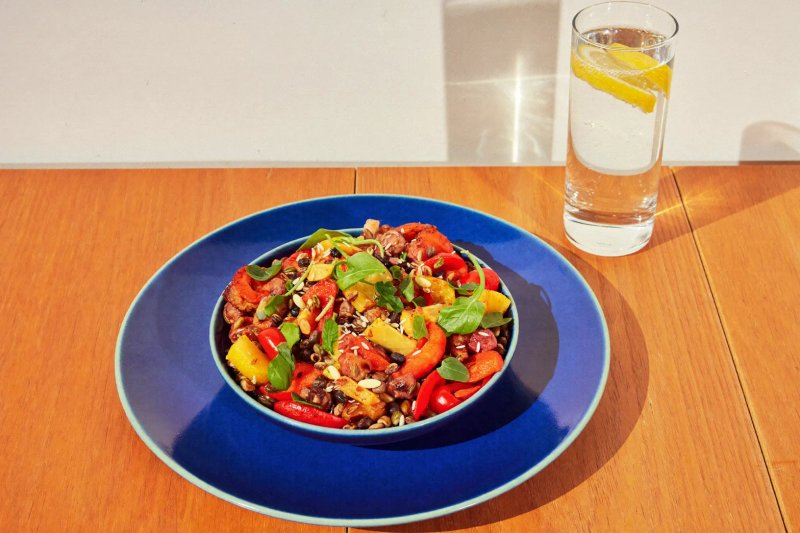
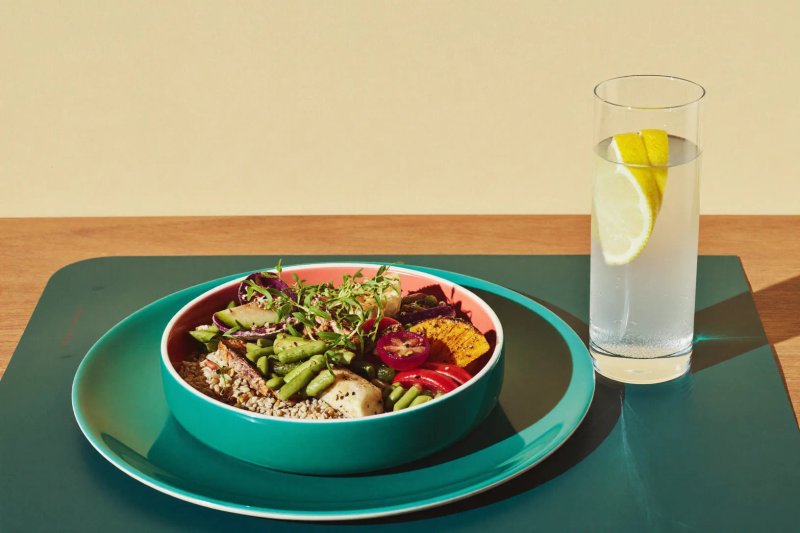
- Include protein at each meal, which slows glucose release
- Choose higher-fibre, less refined carbohydrates: wholegrains, pulses
- Add vegetables, which bring fibre and volume
- Include some healthy fat to slow digestion
- Be mindful of sugary drinks, which raise glucose quickly with little else
A few habits beyond the plate help too. Eating at fairly regular times stops the long gaps that end in over-hungry, oversized meals. A short walk after eating gives working muscles somewhere to put the glucose from the meal. And prioritising sleep matters more than most people expect: even a few short nights can make the body handle glucose less well and push appetite towards quick-fix foods the next day.
What is the best diet for weight loss?
There is no single best diet for weight loss. Comparisons of named diets consistently find that what matters is a modest calorie deficit you can sustain, and that adherence, not the diet's branding, predicts results. A pattern built on vegetables, wholegrains, pulses, lean protein and fewer ultra-processed foods steadies blood sugar levels and tends to be easier to stick to, and the NHS weight-loss plan offers a free, structured 12-week version of this approach.
The same applies to a menopause diet for weight loss: there is no special diet, but the principles shift slightly in emphasis. Protein and strength work matter more to protect muscle, and weight change around menopause has its own drivers worth understanding, so a plan that accounts for them tends to hold up better than a generic one.
Do diet pills and weight-loss treatments affect blood sugar?
It depends entirely on what is in them. Unregulated diet pills sold online can contain stimulants, and some have been linked to raised blood pressure and heart rate, which is one reason they are best avoided; we cover what does and does not have evidence in weight loss pills that actually work.
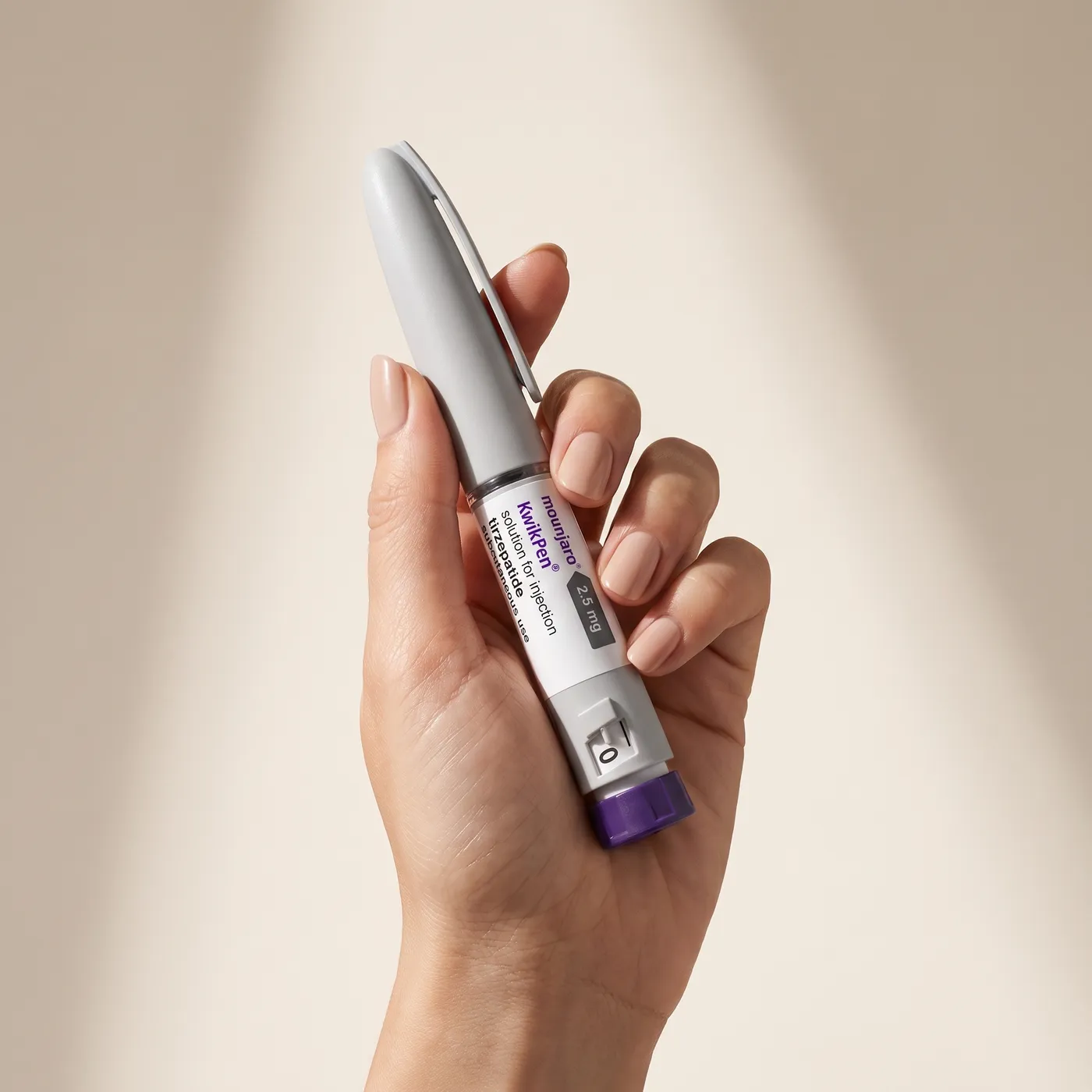
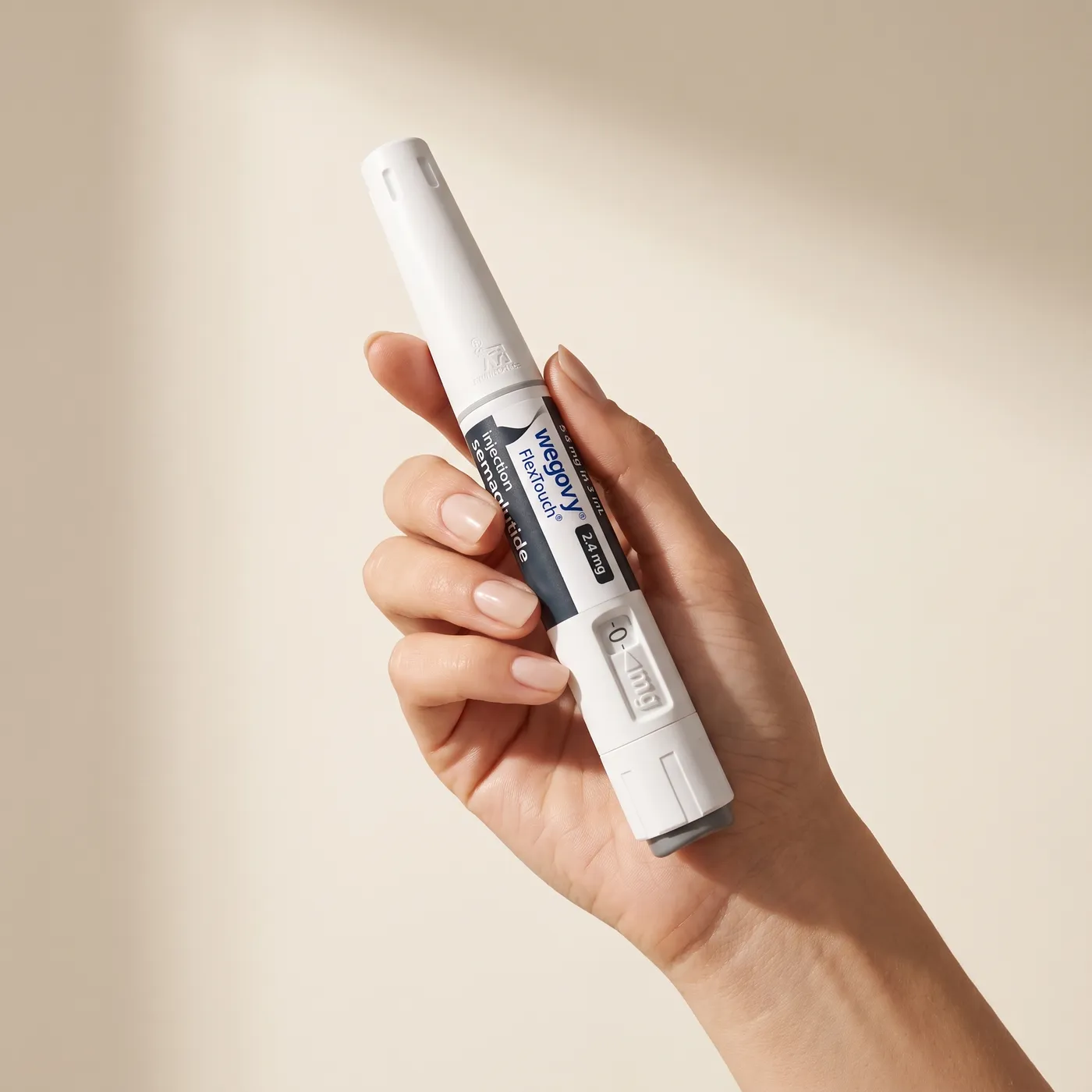
Regulated GLP-1 treatments sit in a different category. Medicines such as Mounjaro (tirzepatide) and Wegovy (semaglutide) help the body manage blood sugar as part of how they work, and a quieter appetite makes steadier eating easier. In people without diabetes they rarely cause low blood sugar on their own, because the NHS notes they act mainly when glucose is raised; the risk increases if they are combined with insulin or certain diabetes tablets. The dietary habits above complement treatment rather than compete with it.
An important distinction
This article is about general healthy eating for steadier energy, not about managing diabetes. If you have diabetes or take medicines that affect blood sugar, your situation is different and specific: follow the advice from your diabetes team or prescriber, which takes priority over general guidance.
Beyond that, you do not need to track glucose or fear carbohydrates. Balanced, mostly unrefined meals with protein and fibre keep most people's blood sugar levels steady, feeling better through the day and less at the mercy of cravings.