








Here's what we'll cover
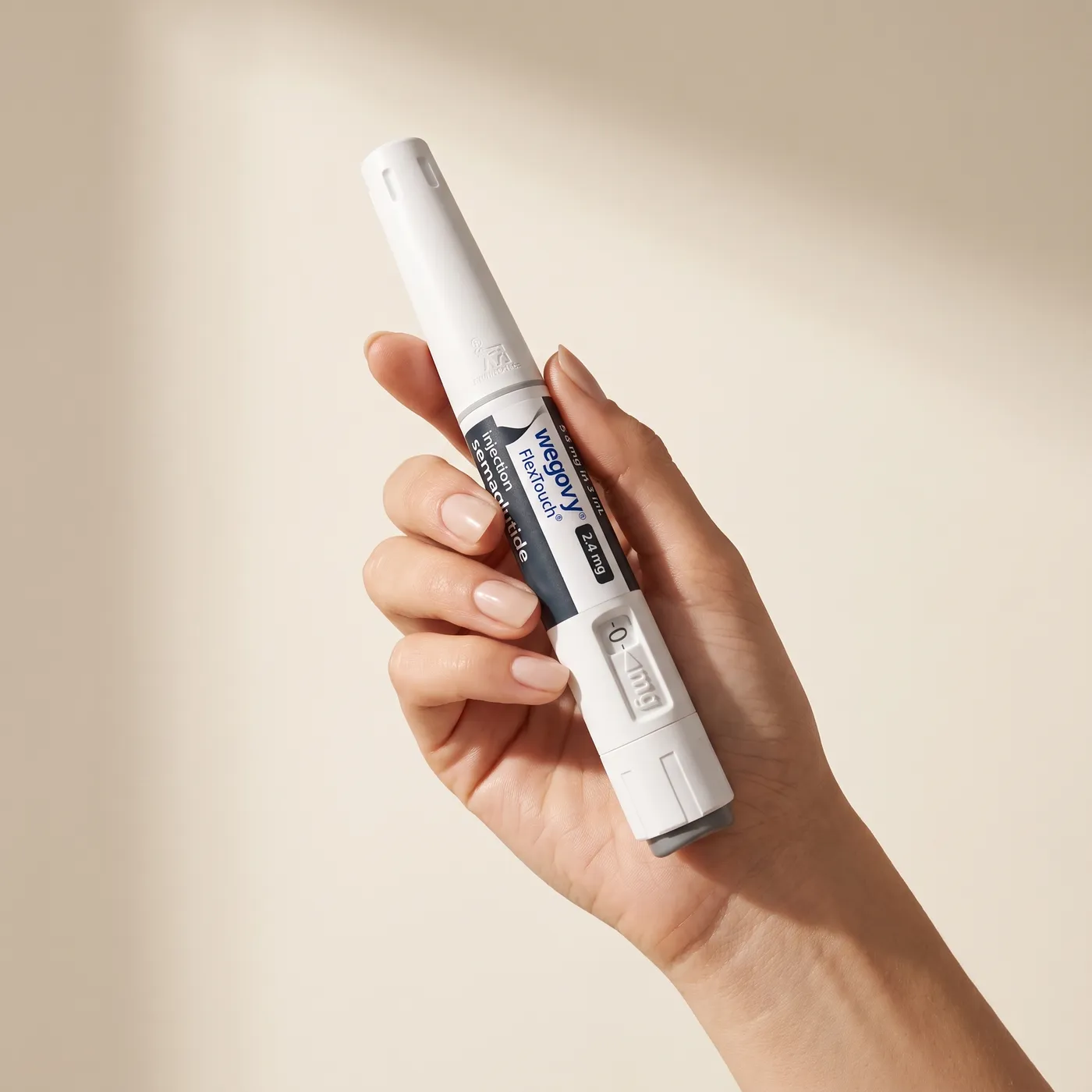
If you are asking why am I not losing weight on Mounjaro, the most likely answers, in order, are: you are still on the low early doses, hidden calories are absorbing the deficit, you have hit a normal plateau, or the scales are masking real progress. Genuine non-response is real but sits at the bottom of the list, not the top. This article works through each cause in order of likelihood, because most are fixable. The biology overlaps with the same question on Wegovy, but the dose ladder and timelines here are tirzepatide's own.
Cause one: you are still on the runway doses
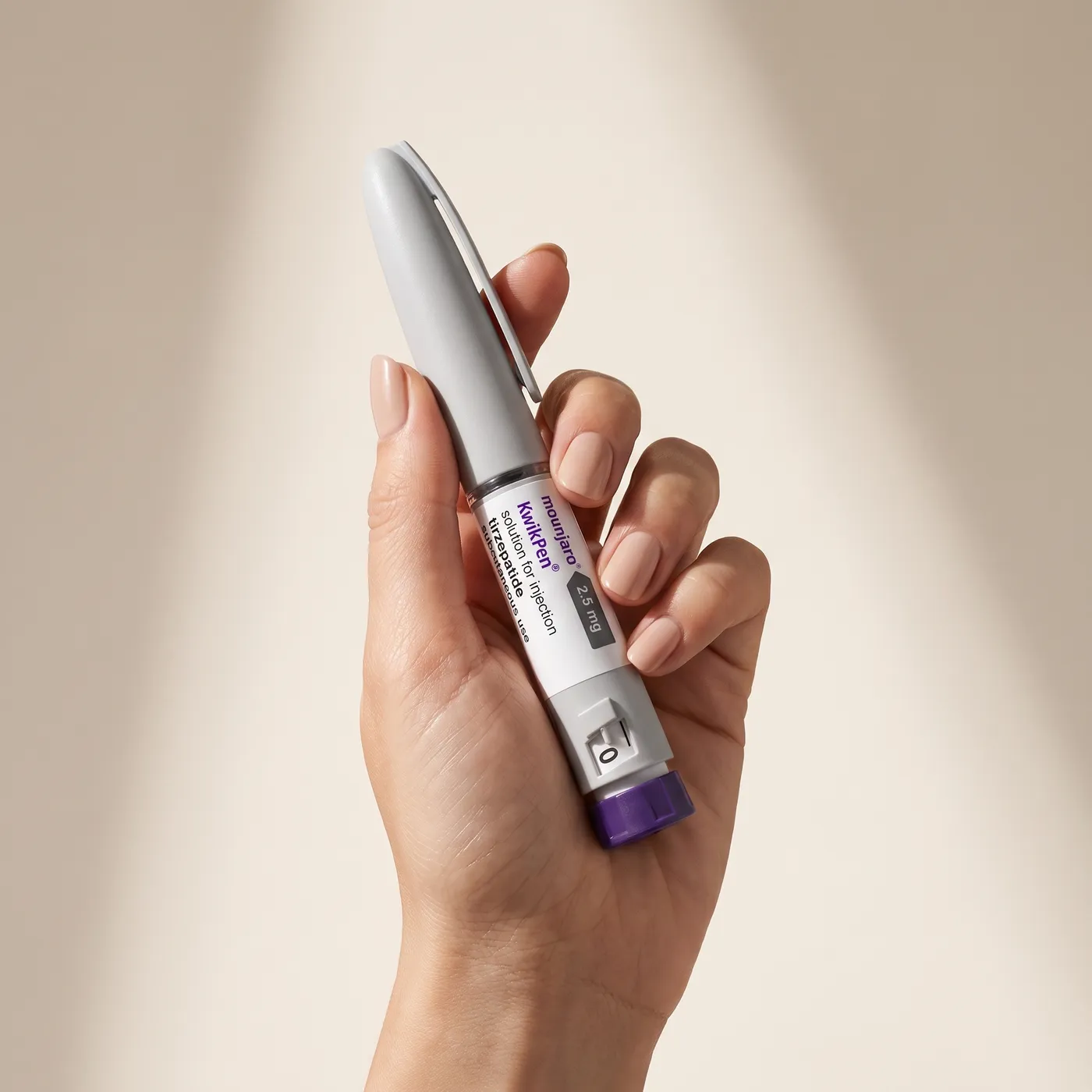
Mounjaro starts at 2.5 mg weekly for the first month, a dose explicitly intended for tolerability rather than effect, before stepping to 5 mg and potentially onwards to 15 mg over several months. A large share of stalled-progress worry comes from people three to six weeks in, still at or near the bottom of that ladder, comparing themselves with trial results generated at the top of it. If your appetite has not changed much and you are on 2.5 mg or 5 mg, the most likely explanation is simply that your effective dose has not arrived yet; our guide to how long Mounjaro takes to work sets out the realistic timeline. The response is patience plus scheduled reviews, not despair. Equally, check the mechanics: doses missed more than occasionally, pens stored outside fridge requirements before first use, or injection technique problems can all quietly blunt the effect, and each is worth ruling out before deeper theories. This is also the answer to the very common 5 mg version of the question: 5 mg is still an early rung of the ladder, and judging the medicine there is judging it before it has properly arrived.
Cause two: the deficit is leaking
Mounjaro reduces appetite; it does not audit what you consume. The classic pattern in people whose appetite has clearly shrunk but whose weight has not is calories that never trigger fullness: lattes, juices, smoothies, alcohol, and constant small grazes of energy-dense food, cheese, nuts, chocolate, crisps, none of which feel like meals. A smaller appetite can also nudge people towards softer, calorie-dense convenience food precisely because proper meals feel like too much. The test is cheap and definitive: log everything consumed, including every drink, honestly for two weeks. In most stalled cases the leak appears in the first few days of the log. Fix it by giving the calories that remain a job: protein first, vegetables for volume, drinks that are mostly water, tea or coffee without the syrup economy attached.
Cause three: the plateau is doing what plateaus do
If you lost well for months and have now stalled, that is a different situation from never losing at all, and usually a healthier one. As weight falls, the body needs fewer calories to run, so the deficit that produced the early loss shrinks towards zero; metabolism also adapts downward somewhat, and appetite pressure creeps back. Every long weight-loss trajectory, including those in the tirzepatide trials, flattens eventually; the average curves only smooth over the stop-start reality of individuals. A plateau after substantial loss is consolidation, not failure. The responses that genuinely help: recalculate portions for your new lighter body rather than your old one, protect protein and strength training so muscle is not what the next phase burns, and discuss with your prescriber whether your dose has more headroom or whether maintenance is the right goal now.
Cause four: the scales are lying to you this week
Body weight is fat plus muscle plus water plus gut contents, and only one of those is the target. Water alone swings by a kilogram or two with salt intake, carbohydrate changes, heat, travel and the menstrual cycle; constipation, a common Mounjaro side effect, adds real scale weight while fat is still falling; and anyone doing meaningful strength training may be gaining muscle under the fat they are losing. This is why clothes, tape measurements and monthly photographs frequently show progress the Tuesday weigh-in denies. Weigh weekly under the same conditions, judge the direction over a month, and treat any single reading as noise. If the trend over four to six weeks is genuinely flat, then return to causes one to three with the data.
Cause five: medicines, conditions and the genuine non-responder
A shorter list of medical explanations deserves a look when the ordinary ones are excluded. Some medicines oppose weight loss, including certain antidepressants, antipsychotics, steroids and some diabetes treatments; an untreated underactive thyroid slows everything; PCOS and the menopause transition both shift the arithmetic; and poor sleep and chronic stress measurably increase appetite hormones and reduce the deficit people actually achieve. Beyond all of that sits the honest tail of the response curve: in SURMOUNT-1, a small minority of participants lost little despite full dosing. Non-response to tirzepatide is real but rare, it does not predict non-response to other medicines, and it is a diagnosis to reach with your prescriber after a fair trial at an established dose, not a conclusion to draw alone in week five. The options from there, dose optimisation, switching treatments, or investigating what else is going on, are exactly what reviews exist for.
Why am I not losing weight on Mounjaro? Work the list in order
Work the list in order: dose stage first, then a fortnight of honest logging, then plateau physiology, then scale noise, then the medical sweep with your clinician. Most stalled Mounjaro journeys restart inside the first three steps, and the ones that do not deserve a proper review rather than quiet discouragement. For the fundamentals, see our guides to how Mounjaro works and what to eat while on it.