









Here's what we'll cover
Appetite hormones are the chemical messengers that tell your brain when to eat and when to stop. Hunger and fullness are largely set by this hormonal system rather than willpower, which is why managing weight by effort alone is so hard for most people, and why understanding appetite hormones takes some of the blame out of the struggle.
The main appetite hormones
Several hormones drive hunger and fullness. Ghrelin, released mainly by an empty stomach, is often called the hunger hormone: it rises before meals and tells the brain to seek food. After you eat, fullness hormones including GLP-1, PYY and cholecystokinin signal that you have had enough, while leptin, made by fat tissue, reports your longer-term energy stores to the brain.
These hormones work on different timescales. Ghrelin and the gut fullness signals rise and fall around individual meals, which is why hunger comes and goes across the day. Leptin works more slowly, tracking your fat stores over weeks and months, and it is the reason the body eventually notices sustained weight loss and responds to it.
None of these are under conscious control. That is the central point about appetite hormones: you feel their output as hunger or satisfaction, but you do not choose it directly. You can influence them through what and when you eat, how you sleep and how much muscle you carry, but you cannot simply decide not to feel hungry.
How your brain reads appetite hormones
These signals are gathered by the hypothalamus, a region of the brain that balances energy coming in against energy going out. It is also influenced by sleep, stress, habit and the sheer availability of tempting food. This is why tiredness or stress can leave you hungrier than usual, and why food that is constantly within reach is so hard to resist.
This is also why food environment matters so much. The same appetite system that kept our ancestors alive during scarcity now sits in a world of cheap, energy-dense, heavily marketed food that is available at every turn. The hardware has not changed, but the surroundings have, and that mismatch does much of the work in modern weight gain.
Why appetite hormones defend your weight
For most of human history, losing weight was a threat to survival, so the body evolved to resist it. As you lose weight, hunger hormones tend to rise and fullness signals fall, nudging you to eat more and regain what you lost. This is a major reason weight regain is so common, and it links closely to set point theory, the idea that the body defends a preferred weight range.
The National Institute for Health and Care Excellence recognises obesity as a long-term condition rather than a simple matter of choice, and the NHS describes the same biological pull towards regain after weight loss.
These changes can persist long after the weight has come off. Studies that followed people after a diet found that hunger hormones stayed raised and fullness hormones stayed lowered for a year or more, which helps explain why keeping weight off can feel like swimming against a current rather than coasting. It is not a sign that you have failed; it is the system doing what it evolved to do.
What raises and lowers appetite hormones
Everyday factors nudge these signals in ways you can partly influence. Protein and fibre tend to increase fullness hormones and blunt hunger, while highly processed, fast-eaten food does the opposite. Poor sleep raises ghrelin and lowers fullness signals the next day, which is why a bad night so often brings extra snacking. Stress, through cortisol, can push appetite up as well.
None of this makes appetite purely a matter of choice, but it does mean the way you eat, sleep and manage stress shifts the baseline. Small, sustainable changes to those habits work with your appetite hormones rather than trying to overpower them by willpower alone.
Where GLP-1 treatment fits
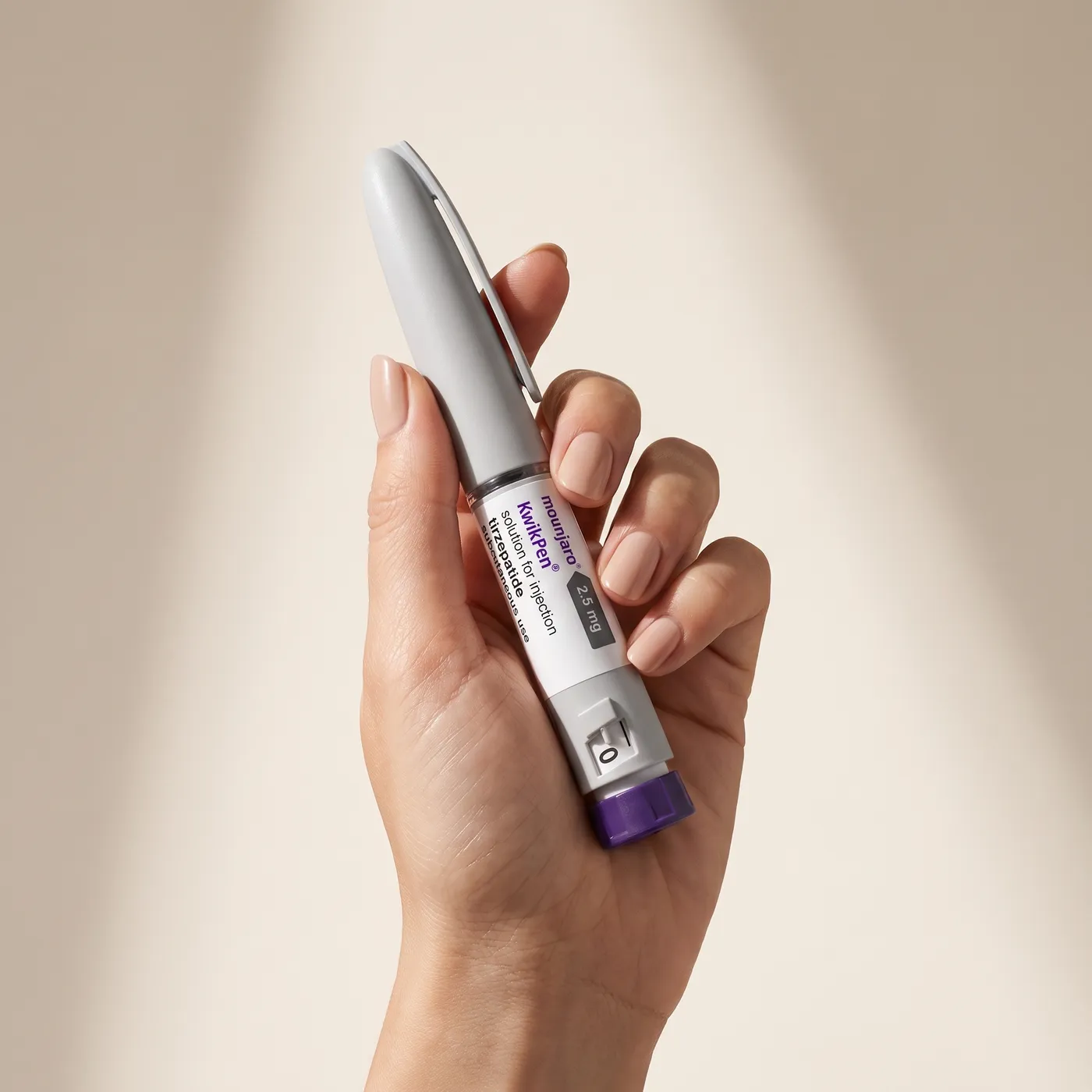
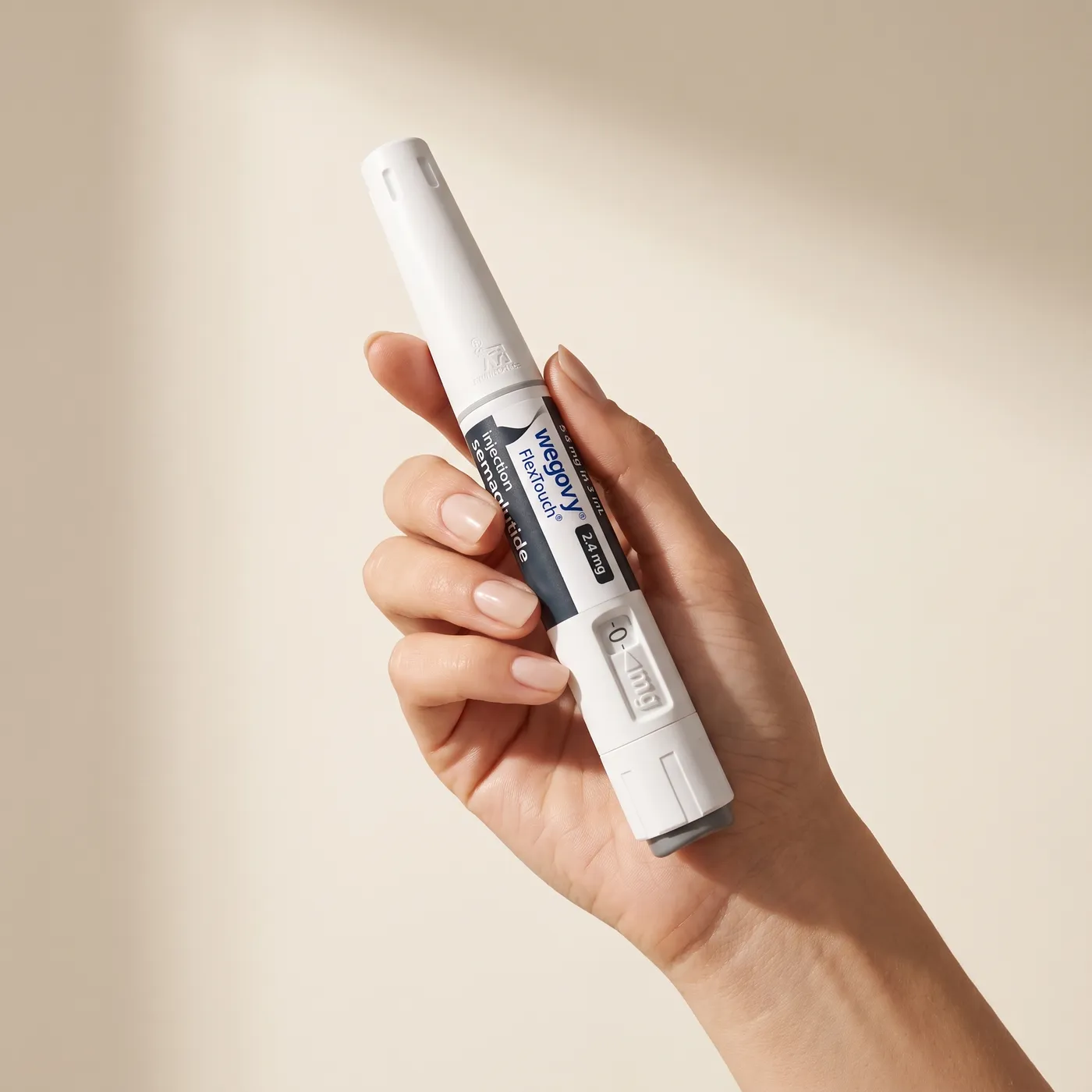
GLP-1 treatments work with this system rather than against willpower. By mimicking a natural fullness hormone, medicines such as semaglutide and tirzepatide reduce hunger and increase satisfaction from smaller amounts, easing the biological pressure that makes eating less so difficult. They do not switch appetite off; they turn its volume down.
Why am I still hungry on Mounjaro?
Even on treatment, appetite hormones do not vanish, so some hunger is normal, especially early on or at lower doses before they step up. Poor sleep, stress, very low protein and dehydration can all push hunger back up. If hunger stays strong and progress stalls, our guide to why weight loss can stall on Mounjaro walks through the usual causes and what to check.
It also helps to know that appetite on treatment can vary day to day. Injection timing, what you eat, activity and sleep all feed into how strong hunger feels in a given week. A hungrier day is not a sign the medicine has stopped working, and reaching for more protein and fluid usually settles it.
What this means for you
Understanding appetite as biology can take much of the self-blame out of weight struggles. It also explains why treatment plus supportive habits works better than either alone: habits set the direction, and by rebalancing your appetite hormones, treatment makes those habits far easier to keep to. If you want the medical route, see the options under weight-loss treatment.
If you take one thing from this, let it be that hunger is information from your body, not a verdict on your character. Working with your appetite hormones, through enough protein, decent sleep, managed stress and, where appropriate, treatment, is far more effective than trying to ignore them.